Today · Jul 30, 2026
Airbnb's AI Now Resolves 40% of Guest Issues Without a Human. Your Front Desk Still Can't.

Airbnb's AI Now Resolves 40% of Guest Issues Without a Human. Your Front Desk Still Can't.

Airbnb just posted $2.7 billion in Q1 revenue, an 18% jump, while its AI handles customer service faster than most hotel brands can answer a phone. The technology gap between platforms and properties is becoming the kind of problem you can't solve with a PIP.

Available Analysis

So here's a number that should keep every hotel technology director up tonight: 40% of Airbnb's guest issues are now resolved by AI without a human ever touching the conversation. Forty percent. And it's driving a 10% year-over-year drop in their cost per booking. Meanwhile, I consulted with a hotel group last month where the front desk staff was still toggling between three browser tabs to process a late checkout request. Three tabs. For one guest. One request.

That's the gap we're talking about. Not the revenue headline (though $2.7 billion in a single quarter is... a lot). Not even the 156.2 million nights booked. The real story is what Airbnb is doing with AI at the operational layer... the boring, unsexy, nobody-writes-a-press-release-about-it layer... and how far behind most hotel technology stacks are by comparison. Their AI generates roughly 60% of new code their engineers produce. Their customer service bot is handling the repetitive stuff so humans can handle the complex stuff. That's not "AI-powered" marketing language slapped on a chatbot. That's actual workflow transformation. And I say that as someone who is deeply allergic to the phrase "AI-powered."

Look, I get the instinct to dismiss this. "Airbnb is a tech company, we're hospitality companies, different game." Sure. Except Airbnb's hotel bookings are growing more than twice as fast as their overall platform right now. They're adding flexible payment options that captured 20% of their global booking value in Q1. They're building what Chesky calls a "guest-centric ecosystem" that integrates hotels, experiences, and services through personalization. You can call that Silicon Valley buzzword soup if you want. But the $29.2 billion in gross booking value suggests someone is buying what they're selling. And the ADR? $187. That's not hostel money. That's competing in your rate tier.

Here's what actually bothers me about this, and I say this as someone who built a company that failed the operational reality test spectacularly: Airbnb started their AI implementation at the bottom of the funnel. Customer service. The unglamorous part. The part where things go wrong at 2 AM and someone needs an answer. They didn't start with a flashy AI-powered search experience (that's coming, apparently, but later). They started where the pain is. That's the opposite of what I see most hotel tech vendors doing, which is building beautiful demo features that look incredible in a conference room and fall apart the moment a guest has an actual problem. Airbnb built the crisis response first. The pretty stuff comes after. That sequencing tells you they have someone in the room who understands operations... or at least understands where the money leaks.

The uncomfortable question for hotel operators isn't whether Airbnb is a competitor (they are, increasingly, in the hotel space specifically). It's whether your technology investment strategy even acknowledges that this is the new baseline. A guest who just had an AI resolve their issue on Airbnb in 90 seconds is about to call your front desk, wait on hold for four minutes, and get transferred twice. That's not a service failure. That's an expectations gap. And expectations gaps, once they open, don't close on their own.

Operator's Take

Here's what I'd do this week if I'm running a property. Pull your guest service response times for the last 90 days... average time to resolve a complaint, average hold time, average number of touchpoints per issue. Those are your benchmarks. Now ask yourself: if a platform can resolve 40% of similar issues without a human, which of YOUR most common guest complaints could be handled by better automation? I'm not saying go buy an AI chatbot tomorrow. I'm saying map the problem before you shop for the solution. And if you're an independent competing directly with Airbnb listings in your market, this is the conversation to bring to your owner... not "we need AI" but "here's what our guest service resolution costs us per incident, and here's where technology could cut that number in half." Specifics. Dollars. Not buzzwords. That's how you get the check signed.

— Mike Storm, Founder & Editor
Read full analysis → ← Show less
Source: Google News: Airbnb
A King Built a 55-Key Resort With No Investors to Answer To. That's the Lesson.

A King Built a 55-Key Resort With No Investors to Answer To. That's the Lesson.

Royal Mansour Tamuda Bay is a $27,000-a-night resort owned by the King of Morocco with no franchise fees, no asset management calls, and no brand standards committee. Before you dismiss it as irrelevant to your world, consider what it reveals about every compromise you've already accepted as normal.

Available Analysis

I knew an owner once who spent $11 million renovating a 140-key full-service property. Beautiful work. Custom millwork, locally sourced stone, the kind of details you see in shelter magazines. Six months after the renovation, the brand sent a standards audit team that flagged three of his design choices as non-compliant with the updated prototype. He had to rip out a custom front desk he'd commissioned from a local artisan and replace it with the brand-approved modular unit. He told me later, sitting at the bar in his own hotel, "I own this building. I don't own the experience inside it."

That story came back to me when I read about Royal Mansour Tamuda Bay. Fifty-five keys on the Moroccan Mediterranean. Michelin-starred chefs running multiple outlets. A 46,000-square-foot spa. Villas starting at 861 square feet. And the top villa goes for $27,000 a night. The owner is King Mohammed VI of Morocco. No franchise agreement. No management company skimming fees. No brand standards manual written by someone who's never set foot in the property. No loyalty program contribution eating 5% off the top. No PIP. No asset manager calling on Monday morning to ask why F&B labor was 40 basis points over budget. Just a guy who owns a hotel and decided exactly what it should be.

Now look... I'm not delusional. Most of us don't have sovereign wealth behind our capital stack. You can't run a 200-key select-service in Indianapolis the way a monarch runs an ultra-luxury resort on the Mediterranean. That's obvious. But here's what isn't obvious, and what nobody in our industry wants to say out loud: the reason properties like Royal Mansour can deliver a genuinely distinct experience is precisely because they aren't trapped inside the system that most of us operate in. The franchise model, the management company model, the REIT model... they all exist for good reasons. Scale. Distribution. Access to capital. Brand recognition. But they also sand down every sharp edge, every idiosyncratic choice, every moment of genuine personality that makes a guest remember where they stayed. Morocco is projecting its hospitality market to hit $4 billion by 2032, up from $2.5 billion in 2024. The Royal Mansour properties are designed as soft power instruments... showcases for Moroccan craftsmanship and culture. That's a mission statement no franchise sales team has ever written, and it shows. When your "why" is that clear, the "what" follows naturally.

Here's the part that should sting a little. Early guest reviews of Tamuda Bay (it opened in July 2024) flagged inconsistent service quality. Beautiful hard product, but the staff training wasn't consistently matching the $27,000 price tag. Sound familiar? It should. Because that's the exact same disease that infects every segment of our industry, from ultra-luxury down to economy. We pour money into the physical product and then underinvest in the people who deliver the promise. The difference is that when King Mohammed VI gets that feedback, he can fix it without submitting a training budget variance report to an asset management committee. He just fixes it. The rest of us have to build a business case, get it approved, wait for Q3 budget allocation, and hope the people we wanted to train haven't already quit by then. This is what I call the Brand Reality Gap. The brand sells a promise at scale. The property delivers it shift by shift. And the gap between those two things is where guest satisfaction goes to die.

The real takeaway here isn't about Morocco or kings or $27,000 villas. It's about ownership clarity. The most memorable hotel experiences I've encountered in 40 years have one thing in common... somebody with real authority decided what the property should feel like and then had the power to make it happen without a committee diluting the vision. Sometimes that's an independent owner-operator. Sometimes it's a visionary GM who got enough rope from the brand. Sometimes it's a management company that actually trusts its on-property leadership. But it's never a committee. It's never a prototype manual. And it's never a PowerPoint deck from headquarters. If you're an independent owner reading this, you already have the one thing money can't buy in a franchise system: the freedom to make your property mean something specific to someone specific. Use it. Because the brands sure as hell won't do it for you.

Operator's Take

If you're an independent owner-operator, this story is your permission slip. You will never compete with a royal-funded resort on budget, but you already compete with them on the one thing that actually matters: the ability to make a decision about your guest experience without asking permission. Look at your property this week through fresh eyes. Find the three things you're doing because "that's how it's always been done" or because a vendor told you to, and ask whether those choices actually serve YOUR guest. Then change one of them. This week. Not after a committee meeting. If you're a branded operator, the play is different but the principle is the same. Find the places where you still have discretion... your F&B, your staff culture, your arrival experience... and make them distinctly yours within the guardrails. The properties that win on TripAdvisor aren't the ones that execute the prototype perfectly. They're the ones where a human being with good taste made a specific choice and committed to it.

Read full analysis → ← Show less
Source: Google News: Resort Hotels
A Glass Octagon Is Beating Your Hotel on Wishlist Rankings. That's Not an Architecture Problem.

A Glass Octagon Is Beating Your Hotel on Wishlist Rankings. That's Not an Architecture Problem.

The most wishlisted Airbnb in Massachusetts is a one-bedroom glass house in the woods charging $232 a night. If you're an independent operator in a leisure market wondering why your direct bookings feel soft, the answer might be sitting on seven acres in the Berkshires.

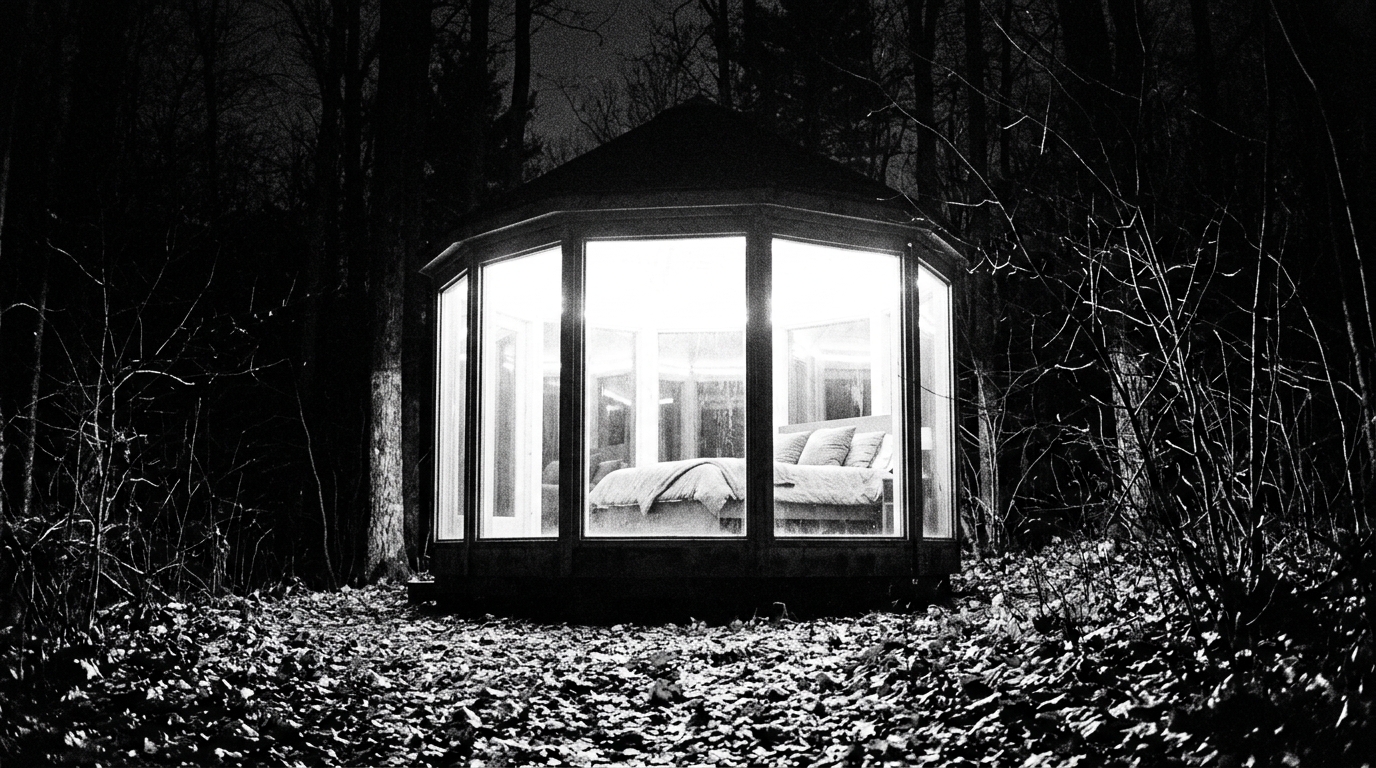
So a glass octagon in Otis, Massachusetts... one bedroom, two bathrooms, sits on seven acres of woods... just got named the most wishlisted Airbnb in the state. 464 reviews, 4.95 rating, starting at $232 a night. And Airbnb didn't bury this in some data dump. They built an entire marketing campaign around it. National press. Category placement. Algorithmic boost for wishlisted properties. This isn't a cute story about a cool house. This is Airbnb's distribution engine working exactly as designed, and it should make every independent operator in a leisure-driven market pay very close attention.

Here's what actually happened. Airbnb figured out years ago that hotels compete on consistency and convenience. They can't win that fight. So they stopped trying. Instead they built an entire discovery layer around properties that are fundamentally unbookable through any hotel channel... treehouses, converted barns, glass octagons in the woods. The "OMG!" category, the "most wishlisted" lists, the search algorithm that rewards saves and engagement... this is infrastructure. Not content marketing. Infrastructure. They're training travelers to start their trip planning with the question "what would be cool to stay in?" instead of "what hotel is near where I'm going?" And once that question changes, the competitive frame shifts entirely. You're not losing to another hotel. You're losing to a feeling.

Look, I've consulted with independent operators who look at these Airbnb stories and dismiss them. "That's a different customer," they say. "Our guests want a front desk and daily housekeeping." And for some segments, sure. But Airbnb just told us that 86% of surveyed travelers are interested in remote or rural destinations. Searches for unique stays jumped 94% between 2019 and 2021 and haven't come back down. The Berkshires property is 20 minutes from Great Barrington, 30 minutes from Tanglewood. That's the same demand pool feeding every boutique hotel and B&B in western Massachusetts. The glass octagon isn't stealing your confirmed reservations. It's capturing demand before the guest ever searches for a hotel. That's worse.

The technology angle here is what bugs me most. Airbnb's wishlist feature isn't just social... it feeds their ranking algorithm. Properties that get wishlisted over several months get a search boost. That's a self-reinforcing distribution loop. More wishlists, more visibility, more bookings, more reviews, more wishlists. Meanwhile, most independent hotels I work with are running a booking engine from 2019 with no discovery layer, no engagement loop, no reason for a traveler to save or share their listing anywhere. The distribution gap between a single Airbnb property and most independent hotels isn't about the product anymore. It's about the platform mechanics. And those mechanics are getting harder to replicate every quarter.

What I'd actually tell operators in leisure markets: stop dismissing these stories as novelty. This glass house has a 4.95 rating from 464 guests, which means it's been consistently delivering an experience that people remember and recommend. That's operational excellence packaged in a weird shape. The question isn't whether you should build a glass octagon. The question is whether your property gives anyone a reason to wishlist it... to save it, to share it, to tell a friend about it. If the answer is no, that's not an Airbnb problem. That's a product problem. And no booking engine upgrade fixes a product problem.

Operator's Take

If you're running an independent in a leisure or drive-to market, here's what I need you to do this week. Pull up your property on every platform you're listed on and look at it the way a traveler would. Not the way an operator would. Does anything about your listing make someone stop scrolling? If every photo looks like every other hotel photo... if your description reads like it was written by your management company in 2021... you've got a discovery problem that's costing you bookings you'll never even know you lost. Talk to your revenue manager about what percentage of your demand is coming through channels where you control the narrative versus channels where you're just another blue dot on a map. Then ask yourself the hard question: what's the one thing about your property that someone would actually tell a friend about? If you can't answer that in one sentence, that's your real problem. Not the glass octagon. Not Airbnb. Your product.

— Mike Storm, Founder & Editor
Read full analysis → ← Show less
Source: Google News: Airbnb
A Treehouse With a Composting Toilet Is Outperforming Your Hotel on Airbnb. Let That Land.

A Treehouse With a Composting Toilet Is Outperforming Your Hotel on Airbnb. Let That Land.

Washington's most wishlisted Airbnb is a one-bedroom cedar treehouse with no real WiFi and a composting toilet, and it's commanding rates that would make a select-service GM weep. The question isn't whether alternative stays are stealing your guests... it's whether your property gives anyone a reason to wishlist it at all.

So here's what we're working with. A treehouse. One bedroom. Two guests max. Composting toilet. A pump sink. WiFi that the listing itself admits is unreliable. And it just topped every hotel, every resort, every boutique property in Washington state as the most wishlisted Airbnb listing in the state.

Let that land for a second. Not a renovated boutique in Capitol Hill. Not a waterfront suite in the San Juans. A treehouse in North Bend with a ladder to the bed and a camp shower outside. Comparable treehouses in that region are pulling $325 to $625 a night. For one room. With a composting toilet. Meanwhile, Washington state's average Airbnb ADR is sitting at $386, and Seattle's active listings grew 120% year-over-year. That's the supply picture. The demand picture is the part that should make traditional operators uncomfortable... over half of travelers now say a unique or unusual property is enough to make them choose a destination they wouldn't have otherwise considered. The accommodation IS the trip. Not the location. Not the amenities. The story.

Look, I've spent years evaluating technology that promises to "enhance the guest experience." Revenue management systems. Dynamic pricing engines. Guest messaging platforms. All of it designed to optimize what is fundamentally a commodity... a room, a bed, a bathroom. And here's a guy who built a treehouse with help from a TV show carpenter's former crew, listed it on Airbnb, and created something that no amount of PMS optimization or brand standard compliance can replicate. He didn't need a $200K renovation. He didn't need a brand flag. He needed a concept that people wanted to photograph and talk about. That's the product. The shareable moment.

This isn't a "hotels are dying" story. Hotels aren't dying. But the definition of what constitutes a competitive set is changing in ways that STR doesn't capture and most operators aren't tracking. When I talk to hotel groups about technology strategy, the conversation always starts with "how do we compete with other hotels." It almost never starts with "how do we compete with a treehouse." But if you're running a 120-key property in a secondary Pacific Northwest market and your occupancy is soft on weekdays... you're not losing those guests to the Marriott down the road. You're losing them to a cedar platform 40 feet up in an old-growth forest. And the treehouse doesn't have a revenue management system. It doesn't need one. It has a 100-inch projector and a soaking tub and a story that markets itself.

The technology question here isn't about the treehouse. It's about what the treehouse reveals. Airbnb's wishlisting feature is, at its core, a demand signal generator... it tells hosts what people want before they book it. Hotels have access to similar data (forward-looking demand, search patterns, wishlist equivalents through brand apps) and most of them don't use it to inform the product. They use it to adjust the price. That's the gap. Price optimization is table stakes. Product differentiation is the game, and a guy with a composting toilet is winning it.

Operator's Take

Here's what I want you to think about this weekend. Not about treehouses... about what makes your property worth talking about. If a guest stayed at your hotel last week, did they tell anyone? Not leave a review. TELL someone. "You have to stay at this place." If the answer is no, you've got a product problem that no RMS or brand flag is going to fix. Walk your property Monday morning with one question: what's the moment a guest would photograph and send to a friend? If you can't find one, that's your project for Q2. It doesn't have to cost $200K. A treehouse with a camp shower just beat every hotel in Washington state. Sometimes the most competitive thing you can do isn't optimize your rate... it's give someone a reason to remember you exist.

— Mike Storm, Founder & Editor
Read full analysis → ← Show less
Source: Google News: Airbnb
The Condé Nast Hot List Turns 30. Your Housekeeping Team Didn't Get Invited.

The Condé Nast Hot List Turns 30. Your Housekeeping Team Didn't Get Invited.

Condé Nast Traveler just dropped its 30th annual Hot List celebrating the world's best new and reborn hotels. The properties that make this list get a marketing boost money can't buy... but the gap between what wins awards and what wins on the P&L keeps getting wider.

I worked with a GM years ago who kept a framed magazine feature on his office wall. Gorgeous two-page spread. The property looked like a million bucks. Designer lobby, moody lighting, a bartender who looked like he'd been sent from central casting. That magazine hit newsstands on a Tuesday. By Thursday, the hotel had three call-outs in housekeeping, a broken ice machine on the fourth floor, and a one-star review from a guest who waited 40 minutes for someone to bring extra towels. The framed article stayed on the wall. The one-star review stayed on TripAdvisor. Guess which one the next 500 guests actually saw.

Condé Nast Traveler's Hot List just celebrated its 30th year. Three decades of editors circling the globe, staying at the newest and shiniest properties, and declaring them the best. And look... some of these hotels genuinely are extraordinary. The design is real. The service concepts are real. The ambition is real. I'm not here to trash the list. I'm here to talk about the distance between the magazine version of hospitality and the version that exists at 2 AM on a Wednesday when half your team didn't show up.

The properties making this year's list (including some jaw-dropping resorts in the Middle East) represent the absolute top of the market. Custom everything. Staff-to-guest ratios that would make a select-service GM weep. Design budgets per key that exceed the total asset value of most independents I've managed. That's not hospitality most of us are operating in. But here's what happens... your owner sees this list. Your management company's marketing director sees this list. And suddenly there's a conversation about "elevating the guest experience" that has nothing to do with your labor budget, your comp set, or your actual guest mix. The aspirational version of hospitality starts leaking into operational expectations, and nobody adjusts the resources to match.

Here's what I've learned in 40 years. Awards and lists and magazine features are marketing events. They are not operational benchmarks. The best hotel I ever worked in never won a single award. Cleanliest rooms in the comp set. Fastest response time to guest requests. Lowest turnover in the market. The housekeeping supervisor had been there 17 years and ran that department like a Swiss watch. Nobody from Condé Nast ever showed up with a camera. But the guests came back. Every single year. And RevPAR index stayed above 110 because the fundamentals were bulletproof. That's the version of "best" that actually shows up on your P&L.

The Hot List matters for the properties on it. It's a marketing engine that money genuinely cannot buy... the credibility bump, the social media exposure, the booking surge. Good for them. But for the other 99.7% of hotels in this industry, the lesson isn't to chase the magazine. The lesson is to chase the things that don't photograph well. Clean rooms. Fast service. Staff who feel respected enough to care. The stuff that never makes a glossy spread but makes a guest say "I'm coming back." That's the only list that matters.

Operator's Take

If you're a GM at a full-service or upscale property, here's what this list actually means for you... nothing, unless you let it. What WILL happen is someone in your ownership group or management company will forward this list around with a note about "aspiration" or "brand positioning." Get ahead of it. Pull your guest satisfaction scores, your repeat booking rate, your TripAdvisor ranking in your comp set. Those are YOUR Hot List metrics. This is what I call the Brand Reality Gap... the distance between what gets celebrated in a magazine and what gets delivered shift by shift. If you want to elevate your property, spend $500 on a staff appreciation lunch before you spend $5,000 on a lobby redesign mood board. Your team IS your guest experience. Invest there first. Always.

Read full analysis → ← Show less
Source: Google News: Resort Hotels
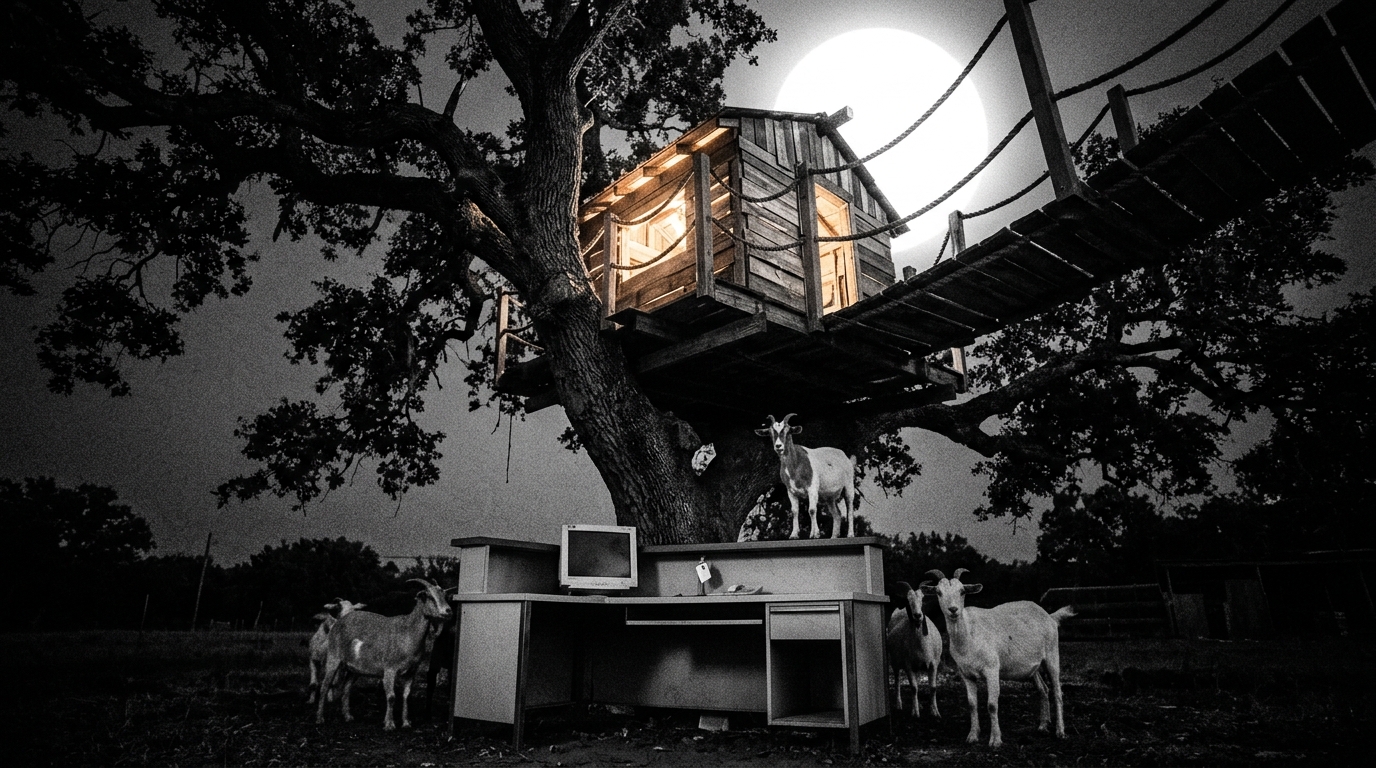
A $200 Treehouse Is Airbnb's Hottest NC Listing. Your Hotel Is Losing to a Fire Pit and Farm Animals.

A $200 Treehouse Is Airbnb's Hottest NC Listing. Your Hotel Is Losing to a Fire Pit and Farm Animals.

Airbnb's most wishlisted property in North Carolina isn't a luxury condo or a beach house... it's a treehouse on a 40-acre farm charging $200 a night, 25 miles from Charlotte. The uncomfortable question for every hotel operator in the market isn't whether this matters, but why you can't name what makes your property worth remembering.

So here's what's happening. Airbnb just flagged a "Romantic Treehouse Glamping on 40-Acre Farm" in Concord... about 25 miles northeast of uptown Charlotte... as its most in-demand property in all of North Carolina. Not most booked. Most wishlisted. Meaning more people saved this listing to their "I want to go there" list in 2025 than any other property in the state. A treehouse. With a fire pit, a pond, and farm animals. At $200 a night.

Look, I'm not going to pretend this is some existential threat to the Charlotte hotel market. It's not. Charlotte's hotel ADR was running around $126 through mid-2024, occupancy at 65.9%, RevPAR at $83. Those are real numbers driven by convention traffic, corporate travel, and Panthers games... not by people who want to pet goats. But here's what actually matters about this story, and it's the thing nobody in hotel tech or hotel operations wants to talk about honestly: Airbnb isn't winning the "unique stays" category because their technology is better. They're winning because their hosts understand something fundamental about what travelers actually want to buy. The hosts of this treehouse describe it as "more luxurious than camping but cooler than a hotel." That positioning... that single sentence... is sharper than most brand decks I've read in the last five years.

And this isn't a one-off. Last year, the most wishlisted NC property was a luxury dome in the mountains. The year before that, a sky-high treehouse in a small town about 33 miles from Charlotte, at $175 a night. The pattern isn't "people like treehouses." The pattern is that travelers are actively seeking experiences that feel distinct, and they're willing to drive 30 miles past your lobby to find one. Meanwhile, Charlotte's hotel market actually showed a monthly occupancy decline of about 13% year-over-year through October 2025, with RevPAR dropping 15% in the same snapshot. I'm not saying a treehouse caused that (it didn't). I'm saying the demand environment is softening while the supply of alternatives... short-term rentals in Charlotte, Raleigh, and Durham are all seeing significant growth... keeps expanding.

I talked to a hotel operator last month who was losing weekend leisure bookings to a renovated barn on a vineyard 20 minutes outside his market. He showed me the Airbnb listing on his phone and said, "I can't compete with that. I have a Keurig and a parking lot." And he was right... he can't compete with THAT. But he wasn't even trying to compete with anything. His property had zero personality. No story. No reason for a guest to take a photo, tell a friend, or come back. His website looked like it was generated by the brand's template engine in 2019 (because it was). The technology existed to let him tell a better story... dynamic content, local partnerships piped into the booking flow, experience packages... and none of it was deployed. Not because the tech wasn't available. Because nobody on his team, or at his management company, or at his brand, had asked the most basic question: what is the one thing a guest will remember about staying here?

That's the actual technology problem underneath this treehouse headline. It's not that hotels need to build fire pits (please don't). It's that the platforms guests use to discover and book travel are increasingly optimized for distinctiveness. Airbnb's algorithm rewards unique amenity lists, high-quality images, and detailed experience descriptions... hosts who list 35-plus amenities and tell a visual story outperform generic listings by a mile. Hotels have access to the same tools. Revenue management systems, CRM platforms, dynamic website builders, social integration... all of it exists. The question is whether anyone at the property level is actually using those tools to create something worth wishlisting. Or whether the PMS is just processing check-ins while a treehouse 25 miles away captures the imagination your lobby never bothered to compete for.

Operator's Take

Here's what I want you to do this week if you're running a hotel anywhere near a leisure-driven market. Pull up Airbnb and search your area. Sort by "most wishlisted" or highest-rated. Look at the top five listings. Read how they describe themselves. Look at their photos. Then go look at your own property's booking page. If your listing looks like it was written by a compliance department and photographed by someone who also shoots insurance claims... that's your problem. You don't need a treehouse. You need a story. One distinct, photographable, retellable thing about your property that gives a guest a reason to choose you over the 14 other options within three miles. This is what I call the Price-to-Promise Moment... every stay has one moment where the guest decides the rate was worth it. If you can't name yours, neither can your guest. Talk to your front desk team this week. Ask them: "What do guests say they love about us?" If the answer is "the location" or "it was clean," you've got work to do. And it doesn't cost $15,000. It costs attention.

— Mike Storm, Founder & Editor
Read full analysis → ← Show less
Source: Google News: Airbnb
Disney's Parks Boss Just Became CEO. That Tells You Where the Money Lives.

Disney's Parks Boss Just Became CEO. That Tells You Where the Money Lives.

Disney promoted the guy who ran its $36 billion parks and experiences division to CEO of the entire company. If you're in the hotel business and you're not paying attention to what that signals about where premium hospitality is headed, you're already behind.

Available Analysis

I've been in this business long enough to know that when a company the size of Disney picks its next CEO, the choice tells you more about the future than any strategy deck ever will. They didn't pick someone from streaming. They didn't pick someone from content. They picked the person who ran the division that generated over 70% of the company's operating profit... the parks, the resorts, the cruise ships, the physical experiences where real people spend real money in real buildings.

Let that land for a second. The largest entertainment company on the planet just told the world that the future of Disney is hospitality. Physical experiences. Rooms, F&B, attractions, guest services. The streaming wars got all the headlines for five years, but the cash register was always in the parks. $10 billion in revenue in a single quarter. $3.3 billion in operating income. Domestic per capita guest spending up 4% while attendance only ticked up 1%. That's not a volume play... that's a yield play. They're making more money per guest, not just cramming more guests through the gates. And the guy who built that strategy is now running the whole show, with $60 billion earmarked for parks and experiences over the next decade.

Here's what nobody in our industry is talking about yet. The new chairman of the experiences division... Thomas Mazloum... comes from European luxury hospitality and ran a cruise line before this. He's not a theme park guy. He's a hospitality operator who understands premium pricing, service culture, and yield management. Disney is not just doubling down on experiences. They're explicitly moving upmarket. Higher prices, premium access passes, VIP tours, expanded cruise capacity. They're building what amounts to the world's largest luxury hospitality ecosystem, and they're doing it with people who speak our language. When a company spending $60 billion on physical hospitality assets puts a luxury hotel operator in charge of the whole portfolio, that's a signal. It means the playbook that's been working in their parks... charge more, deliver more, attract guests who value experience over discount... is about to get pushed even harder.

And that creates a ripple effect for every hotel operator within driving distance of a Disney property. Orlando, Anaheim, Paris, Tokyo... the comp set dynamics shift when Disney moves upmarket because they pull guest expectations with them. A family that just paid for Lightning Lane Premier and a VIP tour doesn't come back to your lobby and think "well, the carpet's a little worn but it's fine." Their baseline just moved. Disney's investment in premium experiences doesn't stay inside the berm. It leaks into every hotel in the market. I've watched this play out before in other markets when a dominant player raises the bar... the properties that match the rising expectation win, and the ones that don't start bleeding share. It's not fast. It's not dramatic. It's a slow erosion that shows up in your reviews six months before it shows up in your RevPAR.

Now think about what $60 billion in capital deployment does to construction costs and contractor availability in those markets. That's real money chasing real labor and real materials in markets that are already expensive. If you're planning a renovation in Orlando or Anaheim in the next three to five years, your timeline and your budget just got more complicated. The contractors you need are going to be busy. The materials you need are going to cost more. That's not speculation... that's supply and demand, and Disney just put a very large thumb on the demand side of the scale.

Operator's Take

If you're running a hotel within 30 miles of a Disney property... Orlando, Anaheim, or any market where they're expanding cruise port operations... this is a Monday morning conversation with your team. Disney's luxury pivot means guest expectations in your market are going up whether you invest or not. Pull your last 90 days of guest reviews and look specifically at comments about room condition, service speed, and "value for price." That's your early warning system. If you're seeing softness there, it's going to accelerate. And if you're an owner planning CapEx in those markets over the next three years, get bids now. Don't wait. $60 billion in Disney construction spend is going to tighten every trade in those corridors, and the guy who locked in his contractor in 2026 is going to look a lot smarter than the guy who waited until 2028.

Read full analysis → ← Show less
Source: Google News: Resort Hotels
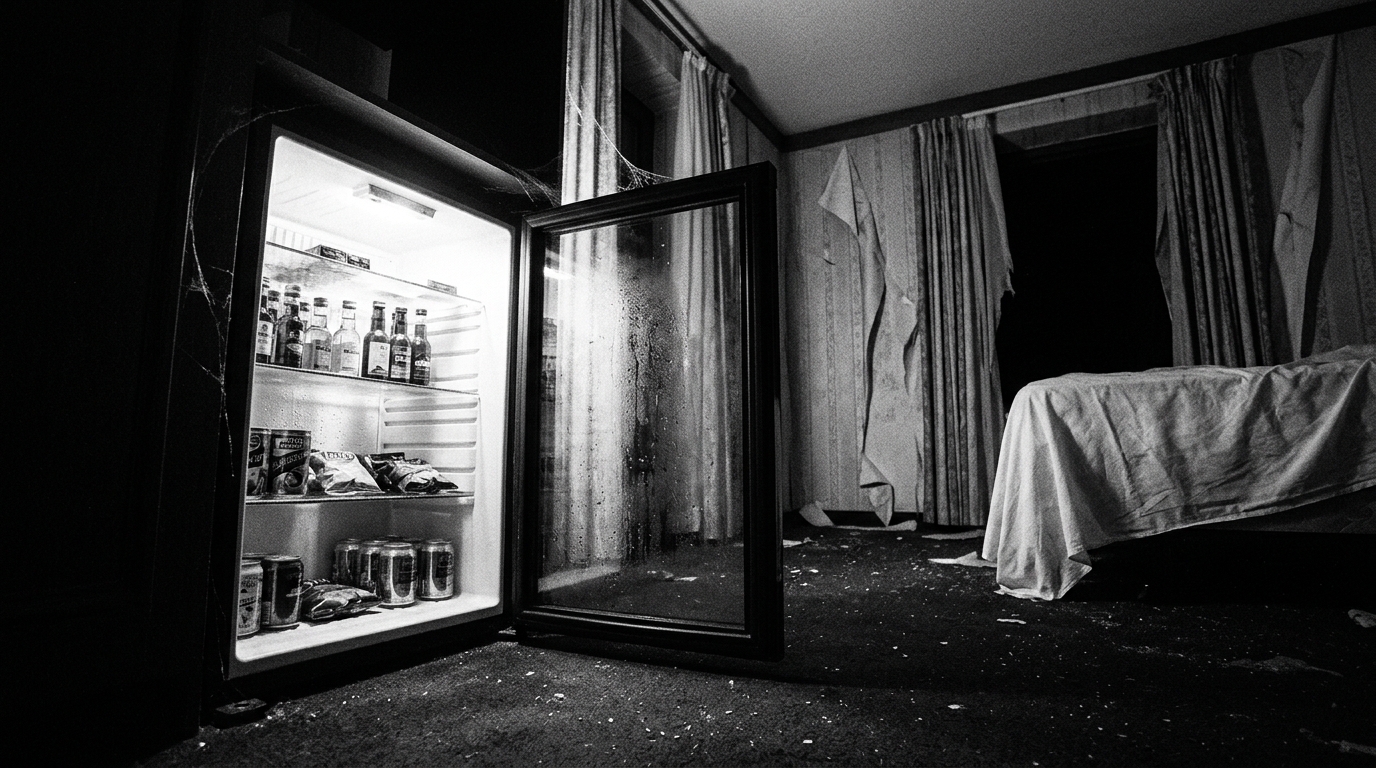
The Hotel Minibar Died 15 Years Ago. Nobody Told the Luxury Brands.

The Hotel Minibar Died 15 Years Ago. Nobody Told the Luxury Brands.

Minibars now generate less than 1% of hotel F&B revenue, yet some luxury properties are still investing in sensor-equipped fridges that charge guests for picking up a bottle of water. The question isn't whether minibars are outdated... it's why anyone is still fighting this battle instead of solving it.

Available Analysis

I watched a guest get into a 10-minute argument at the front desk once over a $9 Toblerone charge. She swore she picked it up, looked at the price, and put it back. The sensor said otherwise. The front desk agent... three weeks on the job, no authority to adjust anything over $5 without a manager's approval... stood there while the line backed up behind an increasingly furious woman holding a checkout folio like it was a subpoena. The GM comped it. Of course he comped it. Everyone comps it. And that's the whole minibar story right there. You've installed a revenue system that generates arguments, requires labor to resolve, and ends with you giving the money back anyway.

Here's the thing nobody in the minibar conversation wants to say out loud. The numbers killed this debate over a decade ago. Minibar revenue in U.S. hotels dropped 28% between 2007 and 2012. By 2017, CBRE was reporting that minibars accounted for less than 1% of total hotel F&B revenue. Less than one percent. You know what else generates less than 1% of your F&B revenue? The vending machine by the ice maker. And nobody's writing white papers about optimizing vending machine strategy. The minibar hung on this long not because it makes money, but because luxury hotels treat it like a brand signifier. "Of course we have a minibar... we're a four-star property." It's not a revenue stream. It's furniture that occasionally starts a fight.

Now the vendors will tell you smart minibars are the answer. Infrared sensors, real-time inventory, automated billing, one attendant servicing 400 rooms instead of 100. The equipment market is supposedly headed to $2.2 billion by 2033. And I get it... if you're going to have a minibar, make it efficient. But that's like saying if you're going to keep a fax machine, at least get a fast one. The fundamental question is whether the thing should exist at all. Guests ranked minibars dead last in a TripAdvisor survey on desired amenities... 21% found them important versus 89% who wanted free WiFi. Meanwhile, Hilton partnered with Grubhub, Marriott with Uber Eats, Wyndham with DoorDash. The industry has already voted with its partnerships. The food and beverage your guest wants is on their phone, not in a locked fridge with $7 sparkling water.

The "wellness fridge" trend is interesting but it's still solving the wrong problem at most properties. Stocking cold-pressed juices and functional snacks sounds great in a design meeting. Then you run the spoilage numbers. Then you realize your housekeeping team is already stretched to 18 minutes per room and now they're checking expiration dates on kombucha. The hotels doing this well are doing it at scale, at high ADR luxury properties where the per-occupied-room cost disappears into the rate. At your 180-key upper upscale in a secondary market? That wellness fridge is going to cost you more in labor and spoilage than it generates in revenue, and the guest who actually wants organic snacks already stopped at Whole Foods on the way from the airport.

What kills me is the Thompson San Antonio story from literally last week. Guests getting charged for bathroom amenities that were staged to look complimentary. That's the same disease. It's the same instinct that puts a weighted sensor under a $4 can of Coke... the belief that you can monetize every surface the guest touches. You can't. Or rather, you can, but the cost is trust, and trust is worth more than every minibar in your portfolio combined. The best operators I know figured this out years ago. Empty fridge. Let the guest use it. Put a QR code on top with your room service menu or a delivery partner link. Done. No sensors. No disputes. No labor. No spoilage. The revenue you "lose" was never real revenue to begin with... it was just a line item that created more problems than profit.

Operator's Take

If you're still running weighted sensor minibars, pull your minibar P&L for the last 12 months. Not just revenue... total cost. Stocking labor, spoilage, dispute resolution time at the front desk, credit card chargebacks, and the sensor maintenance contract. I'd bet serious money you're net negative. If your brand mandates a stocked minibar, check the actual standard language... most require a "refreshment center" which can be satisfied with an empty fridge and a curated menu card. If you're independent or soft-branded, pull the minibars out this quarter, put the fridges back empty, and redirect the labor hours to something that actually shows up on your guest satisfaction scores. This is what I call the Invisible P&L... the minibar looks like it makes money on the revenue line, but the costs that never appear on the P&L (front desk time resolving disputes, housekeeping minutes restocking, the review that mentions "getting charged for touching a water bottle") destroy more margin than the ones that do.

Read full analysis → ← Show less
Source: Google News: Resort Hotels
Disney Cut Five Resort Perks and Guests Are Still Paying $700 a Night. That's the Lesson.

Disney Cut Five Resort Perks and Guests Are Still Paying $700 a Night. That's the Lesson.

Disney World just stripped MagicBands, toiletries, room service, airport shuttles, and package delivery from its resort stays while posting $10 billion in parks operating income. If you think this is just a theme park story, you're not paying attention to what it teaches every hotel operator about the relationship between perceived value and pricing power.

I watched a hotel owner once spend $180,000 renovating a breakfast area... new buffet stations, better lighting, upgraded equipment, the works. Beautiful job. Then six months later he pulled the fresh-squeezed orange juice because it was costing him $0.47 per guest and replaced it with concentrate. Guest scores on F&B dropped four points in a single quarter. Not because of the juice. Because the juice was the thing guests noticed, and noticing a downgrade is a completely different psychological event than noticing an upgrade. He spent $180K making the room better and lost the narrative over forty-seven cents.

That's what I thought about when I read that Disney has now officially eliminated five perks that used to come standard with a resort stay... the MagicBands, the take-home toiletries (replaced with wall-mounted dispensers), package delivery to your room, room service, and the Magical Express airport shuttle. Gone. All of them. And here's the part that matters to us: Disney's parks division posted $10 billion in operating income last year. Revenue up 6%. Operating income up 13% in Q4 alone. They're in the middle of a $60 billion investment cycle in their Experiences division. Guests are still booking. The rates haven't softened. They ripped out five amenities that people used to associate with the "magic" of staying on property... and the machine didn't even hiccup.

Now look. Disney is Disney. They have pricing power that you and I will never have. They operate in a universe where the brand itself is the product and the hotel room is just the container. I get that. But the principle underneath this story is universal, and it's something most hotel operators get exactly backwards. We assume that adding amenities builds loyalty and removing them kills it. Disney just proved (again) that what matters isn't the list of what you offer... it's whether the guest feels the total experience was worth the price. They kept Early Theme Park Entry. They kept Extended Evening Hours for deluxe guests. They kept the earlier booking windows for Lightning Lane and dining. The stuff that actually affects the guest's day in the parks... that stayed. The stuff that was nice-to-have but didn't define the core experience... that's what got cut. And the $60 billion they're pouring into new attractions and lands is the reinvestment story that makes the cuts feel like reallocation, not reduction.

There's a real lesson here for anyone running a hotel that isn't a theme park. Most of us are carrying amenities and services on our P&L that we added five or ten years ago because someone at a brand conference said it would differentiate us, or because a competitor down the road was doing it, or because a vocal guest on TripAdvisor complained once and we overreacted. And we've never gone back and asked the hard question: does this specific thing actually drive rate, drive loyalty, or drive satisfaction... or is it just something we do now because we've always done it? Disney had the guts (and the data) to answer that question honestly. The MagicBands cost them real money to produce and distribute. The airport shuttle was a massive logistics operation. Room service in a resort that size requires dedicated staff, equipment, and food safety infrastructure. They looked at each one and asked: is the guest paying for this, or are we just subsidizing it? And when the answer was "subsidizing," they stopped.

The part that should keep you up tonight isn't what Disney cut. It's the methodology. They identified which perks were load-bearing (the ones that actually drove the decision to stay on-property versus off-property) and which ones were decorative (nice, expected, but not decision-drivers). Then they invested harder in the load-bearing stuff and eliminated the rest. Every operator I know has at least three line items on their P&L right now that are decorative. Things guests like but wouldn't miss enough to change their booking behavior. And every dollar you're spending on decorative amenities is a dollar you're not spending on the thing that actually makes someone choose your hotel over the one across the street. Disney figured that out at a $10 billion scale. You can figure it out at yours.

Operator's Take

Here's what I want you to do this week. Pull your guest satisfaction data for the last 12 months and sort comments by what guests actually praise versus what they just expect. There's a difference between "I loved the rooftop bar" and "the toiletries were nice." One drives rebooking. The other is furniture. Then pull the cost of every amenity and service you offer that isn't required by your brand standard. Map each one against whether it appears in positive reviews, drives rate premium, or influences booking decisions. If you can't tie it to revenue or loyalty with a straight face, put it on a list. You don't have to cut everything tomorrow... but you need to know which of your amenities are load-bearing and which ones are decorative. Because the next time you need to find $40K on your P&L (and that time is coming), you want to already know which walls you can take out without the building falling down.

Read full analysis → ← Show less
Source: Google News: Resort Hotels
A Viral Airbnb Trashfire Video. And Hotels Still Can't Figure Out How to Use This.

A Viral Airbnb Trashfire Video. And Hotels Still Can't Figure Out How to Use This.

A video of a destroyed Airbnb is doing numbers online, and the debate it sparked matters less than the operational gap it exposes. Hotels have a built-in advantage over short-term rentals on exactly this issue... and most of them are wasting it.

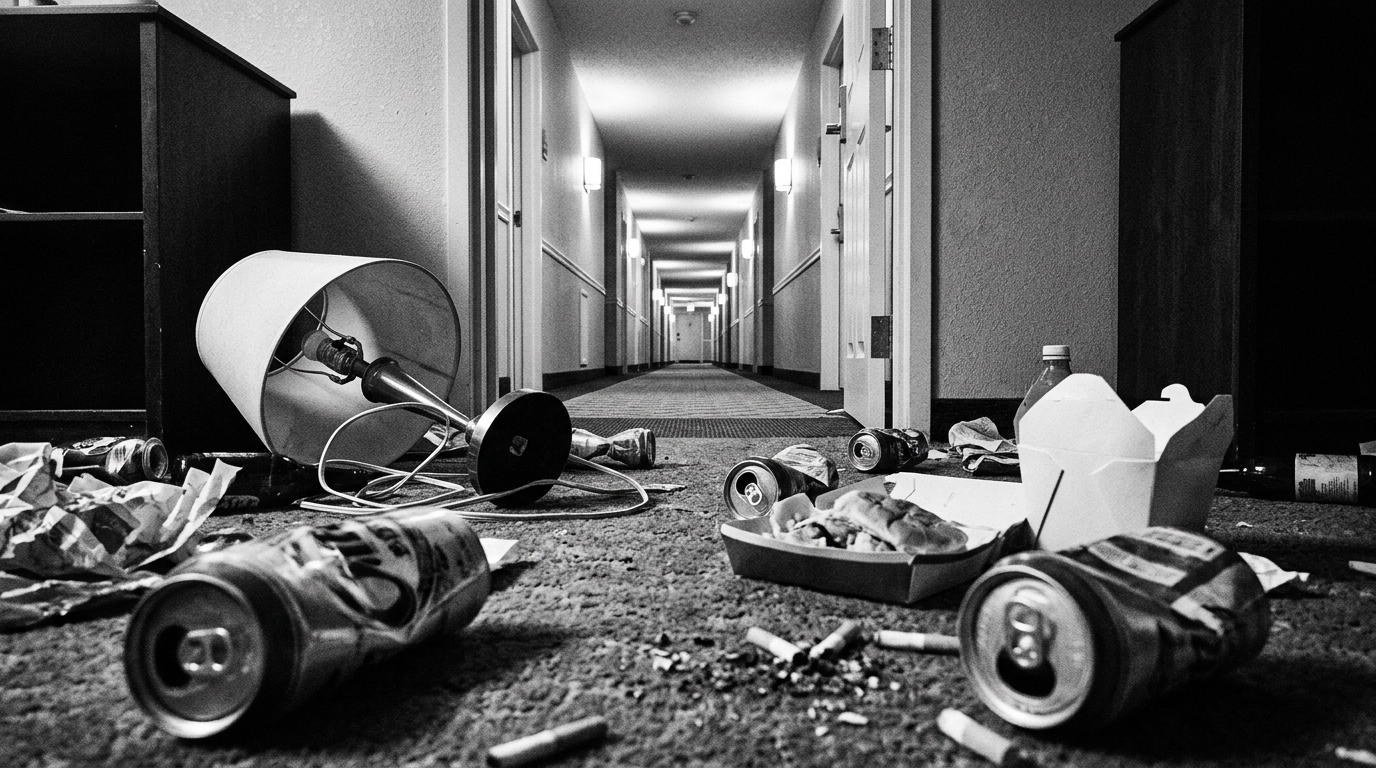
So a video went viral this week showing an Airbnb left looking like the aftermath of a frat party nobody wanted to claim. Half-eaten food, empty cans everywhere, dirt on every surface, broken charger plugs ground into the carpet. The internet did what the internet does... half the comments blame the guests, the other half blame the host for not screening better, and everyone has an opinion about cleaning fees. The average Airbnb cleaning fee in the U.S. is $161 per stay. Let that number sit for a second. That's supposed to cover turnover for an entire unit... laundry, sanitizing, vacuuming, restocking. A professional cleaner charges $25-60 an hour. So that $161 buys you, what, three hours of work on a good day? Now imagine what the host in this video is dealing with. That $161 didn't even cover the trash bags.

Look, this isn't a story about one bad guest. Bad guests exist everywhere... hotels, rentals, campgrounds, probably space stations eventually. This is a story about a structural gap in the short-term rental model that hotels have been staring at for a decade and still haven't figured out how to use as a competitive weapon. Airbnb's cleaning is decentralized by design. Individual hosts hire their own cleaners (or do it themselves), set their own standards, and hope for the best. There's no QA layer. There's no housekeeping supervisor doing spot checks. There's no brand standard that says "this is what clean means, and here's the 47-point checklist to prove it." Airbnb knows this is a problem... they've been talking about "perfecting our core service" and removing underperforming listings. But you can't centralize quality control on a platform built specifically to avoid centralization. That's not a bug they can patch. That's the architecture.

Here's what bugs me about the hotel industry's response to these moments. Every time a video like this goes viral, the reaction from hotel operators is basically "ha, told you so." And then... nothing. No campaign. No messaging. No aggressive retargeting of the travelers who just watched that video and thought "maybe I should book a hotel next time." I consulted with a hotel group last year that was losing 15-20% of their leisure weekend bookings to Airbnb in their market. They had better cleanliness scores, better location, consistent quality... and zero marketing that said any of that to the people actively comparing options. They were winning on product and losing on storytelling. That's a technology and marketing problem, not an operations problem.

The tech angle here is actually interesting if you dig past the outrage cycle. Airbnb is sending proactive messages to guests in certain markets about local etiquette... trash disposal, noise levels, house rules. That's a behavioral nudge system, and it's smart, but it's also an admission that the platform can't control the experience at the property level. Hotels can. Your PMS knows who's checking in. Your CRM knows their history. Your housekeeping system (if you actually use it properly, which... let's be honest, maybe 40% of properties do) tracks room condition in real time. The infrastructure to guarantee a consistent, clean experience already exists in most hotels. The question is whether anyone's actually connecting those systems to a guest-facing message that says "this is what you get when you book with us, and it's the same every single time." Because right now, most hotels are sitting on operational advantages they never bother to articulate.

What this video really exposes is something I think about a lot... the difference between a platform and a product. Airbnb is a platform. It connects supply and demand. But it doesn't control the product. Hotels ARE the product. Every room, every shift, every turnover is a controlled environment with trained staff and accountable management. That's not a small thing. That's the whole thing. And if you're an independent operator competing against short-term rentals in your market, you should be screaming this from every digital rooftop you can find. Not "Airbnb is dirty" (that's petty and also not universally true). But "here's what consistency actually looks like, and here's why it matters when you're traveling with your family." The technology to deliver that message... targeted, data-driven, across every booking channel... exists right now. Most operators just aren't using it.

Operator's Take

Here's what I'd actually do with this if I were running a property competing against short-term rentals. First... if you don't have a cleanliness guarantee visible on your website and your OTA listings, fix that this week. Not buried in the FAQ. Front and center. "Inspected, cleaned, guaranteed. Every room. Every stay." Second... talk to your digital marketing team (or your management company's marketing team) about retargeting leisure travelers in your market. These viral moments create a 48-72 hour window where travelers are actively reconsidering their booking habits. That window is open right now. Third... and this is the one that actually moves the needle... audit your housekeeping QA process. If your rooms supervisor isn't spot-checking at least 20% of turnovers daily, your "consistency" advantage is theoretical, not real. You can't sell what you can't deliver. The hotels that win against STRs aren't the ones with the fanciest lobbies. They're the ones that can prove, every single day, that the product is exactly what they promised. That's not glamorous. It's the whole game.

— Mike Storm, Founder & Editor
Read full analysis → ← Show less
Source: Google News: Airbnb
Airbnb's Quality Problem Is Your Competitive Advantage. If You Actually Use It.

Airbnb's Quality Problem Is Your Competitive Advantage. If You Actually Use It.

A viral Airbnb horror story is making the rounds again, and hotel operators keep treating these moments like free entertainment instead of what they actually are: a marketing brief writing itself in real time.

Available Analysis

So another tourist books an Airbnb, shows up, and the whole thing falls apart. The listing looked great. The reality didn't. The customer service experience was... well, let's just say there wasn't a night auditor pulling up a chair to fix things at midnight.

Look, I'm not here to dunk on Airbnb. They moved 121.9 million nights in Q4 2025 alone. That's not a company you dismiss. But here's what's actually interesting about this story, and it's not the British guy having a bad holiday. It's the structural problem underneath. Airbnb has over 5 million hosts, and their quality control strategy since 2023 has been to remove listings that fail standards... over 400,000 so far. That sounds aggressive until you do the math. That's 8% of listings. Which means 92% passed. And yet their own complaint data (from a study of 125,000 Twitter complaints) showed 72% of issues were related to poor customer service and 22% to scams. You don't fix a customer service problem by removing bad listings. Those are two different problems. Airbnb knows this... they're rolling AI into customer service, and they've seen a 15% reduction in customers needing to talk to a human. But reducing the need to talk to a human isn't the same as solving the problem that made them want to talk to a human. Those are also two different things.

Here's where this gets relevant for hotel operators. Every time one of these stories goes viral (and they go viral every few weeks now), there's a window. Not a permanent shift in consumer behavior... let's be honest, most travelers will still book Airbnbs. But a moment where a certain segment of traveler... the one who was already on the fence, the one who's been burned before, the one planning a trip where reliability matters more than novelty... is actively reconsidering. That segment is reachable. And most hotels I've seen aren't doing much to reach them. I talked to a GM last month who told me his property's social media strategy was "post a photo of the lobby on Tuesdays." That's not a strategy. That's a screensaver. Meanwhile, the conversation about short-term rental reliability is happening in real time, on Reddit, on Twitter, in comment sections... and hotels aren't in that conversation at all.

The technology angle here matters too. Airbnb is integrating AI into host communications, sometimes without guests knowing they're talking to a bot. They've confirmed that hosts can use third-party AI tools for messaging. So now you've got a guest with a problem, at midnight, in a foreign country, texting what they think is their host... and it's a language model trained on FAQs. Compare that to a front desk agent who can see your face, read the situation, and get you sorted in minutes. That's not just a service difference. That's a fundamentally different product. But you have to tell that story. You have to make it visible. The advantage doesn't market itself.

The properties that win here aren't the ones celebrating Airbnb's bad press. They're the ones who've built a recovery experience so good that a guest who had a problem tells a better story than a guest who didn't have one. That's the competitive moat. Not the absence of problems... every hotel has problems. The speed and humanity of the response. An AI chatbot can't do that. A person can. And if you're an independent or a select-service property competing for that fence-sitting traveler, the fact that you HAVE that person, on-site, at 2 AM... that's your product. Actually sell it.

Operator's Take

Here's what I'd do this week if I ran a 150-key select-service or independent. Pull your last 30 days of guest reviews and find every one where staff solved a problem in real time. Screenshot them. Put them in a folder. That folder is your next month of social content. Not "look at our beautiful pool." Real stories, real recoveries, real humans doing what an algorithm can't. If you're running paid search or meta ads, test a line that speaks directly to the Airbnb-hesitant traveler... something like "Real front desk. Real people. Really here at 2 AM." The traveler who just read a horror story about a short-term rental is already primed to care about that message. And train your front desk team on this: every problem they solve well is worth more than every perfect stay that generates no story at all. The guest who had an issue and got taken care of is your most powerful marketing channel. Treat it that way.

— Mike Storm, Founder & Editor
Read full analysis → ← Show less
Source: Google News: Airbnb
Kim Kardashian Filmed a Movie at Caesars Palace. Your Owner Wants to Know Why You Can't Get That Deal.

Kim Kardashian Filmed a Movie at Caesars Palace. Your Owner Wants to Know Why You Can't Get That Deal.

Netflix filmed a Kim Kardashian movie at Caesars Palace this spring, and every owner with a decent lobby is now wondering what their property is worth as a soundstage. The answer involves more disruption math than most operators have run.

Available Analysis

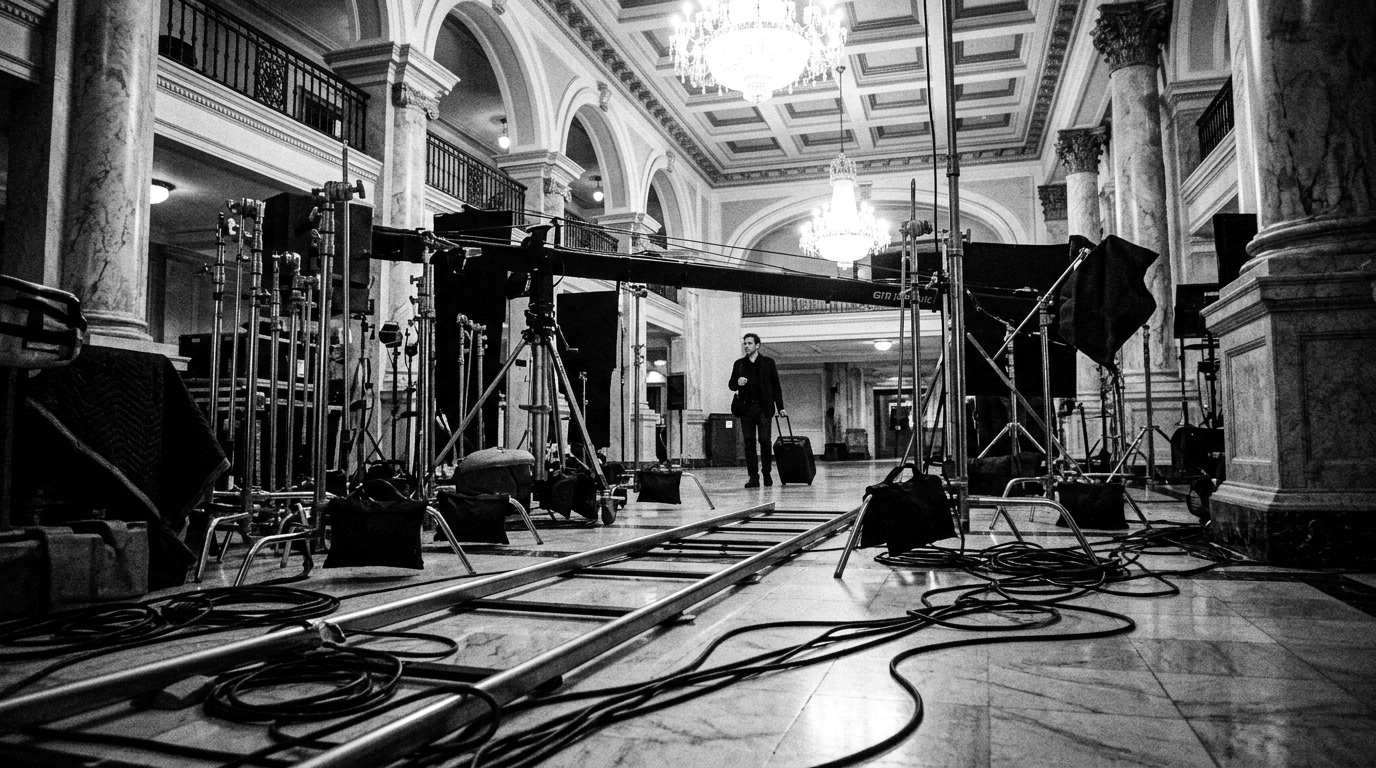
I got a call from a GM buddy of mine about three years ago. Mid-size property, nice lobby, great location near a downtown that Hollywood had suddenly discovered. A location scout showed up one Tuesday asking about availability for a four-day shoot. The GM was thrilled. His owner was thrilled. Dollar signs everywhere. Nobody thought to ask what four days of production trucks, lighting rigs, and a crew of 80 people would do to a hotel that still had paying guests in 230 other rooms.

By day two, they'd lost control of the parking lot. By day three, his front desk was fielding complaints from guests who couldn't access the pool deck because it was "in the shot." The production company paid $45,000 for the location fee. His TripAdvisor score dropped half a point in a week from guest complaints about noise and access. He spent the next quarter recovering from it. The math, when he finally ran it all... including lost repeat bookings, comps he had to issue, and overtime for staff managing the chaos... came out roughly break-even. Maybe a slight loss.

So when I see the headline that Kim Kardashian and Netflix just wrapped principal photography on "The Fifth Wheel" at Caesars Palace, my first thought isn't about the glamour. It's about the 3,980 rooms at that property and how the operations team managed to keep a celebrity film production from turning into a guest experience disaster. Caesars has done this before... they hosted "The Hangover" franchise, "Jason Bourne," and others. They literally built an entertainment studios division in 2017 to handle this exact thing. They've turned film production into a repeatable operational competency, which is something most properties haven't done and probably shouldn't try to replicate without serious planning.

Here's where this gets interesting for the rest of us. Caesars is coming off a Q4 2025 where they missed earnings expectations (negative $0.33 EPS against estimates of negative $0.21). Their Q1 2026 numbers drop April 28th. The marketing value of having a Netflix film... distributed to 260 million subscribers... set visibly at your flagship property is enormous. You can't buy that kind of brand exposure with a $100 million advertising budget, which is roughly what Caesars Entertainment spends annually. But that value only materializes if the film is good, if the property looks aspirational on screen, and if the operational disruption doesn't bleed into the guest experience during production. That's three big "ifs" and only one of them is within the hotel's control.

The real story here isn't celebrity gossip. It's the growing intersection of content production and hotel marketing, and the operational reality of managing it. Every major market is seeing more film and television production scouting hotel locations. If you're in a market where this is happening... and it's expanding well beyond LA and New York... you need to think about this before the location scout shows up. Not after. Because the conversation your owner wants to have is about the location fee. The conversation you need to have is about displacement revenue, operational disruption, guest impact, and whether your team can execute a normal Tuesday while someone's running cable through your hallways.

Operator's Take

If you're a GM at a property that could attract production interest... good location, interesting architecture, decent-sized public spaces... do yourself a favor and build a film production playbook now, before anyone calls. Know your displacement math cold: what does it cost you per day in lost revenue, comps, and labor when you surrender control of public spaces? Know your minimum location fee before you're sitting across from a production manager with a budget. Talk to your insurance broker about production liability coverage gaps. And most importantly, designate guest flow paths and hard boundaries that protect the paying customer experience. The properties that turn film production into a revenue stream (and Caesars is one of them) treat it like a banquet event with a 50-page BEO... not like a fun surprise that showed up in the lobby. Your owner is going to see this headline and think "free money." Be the one who shows up with the real cost model first.

Read full analysis → ← Show less
Source: Google News: Caesars Entertainment
Hotels Are Selling Longevity Now. The Margin Is Real. The Science Is Optional.

Hotels Are Selling Longevity Now. The Margin Is Real. The Science Is Optional.

Hyperbaric chambers, IV drips, and CBD gummies are showing up in hotel lobbies and minibars faster than the clinical trials can keep up. The question isn't whether guests will pay for longevity theater... it's what happens to your liability exposure when they do.

Available Analysis

I worked with a spa director once who had a genius idea. She wanted to put a salt therapy room in a renovated conference space at a 280-key full-service property. The buildout was $95K. She had the vendor quotes, the Instagram mockups, the whole pitch. Beautiful presentation. I asked her one question: "Who's going to staff it, and what happens when somebody has a medical episode in there at 9 PM on a Wednesday?" She stared at me for about ten seconds and said "I hadn't gotten to that part yet." That's the wellness industry in one conversation. The revenue model is always gorgeous. The operational plan is always next week.

So here we are. Hotels are installing hyperbaric oxygen chambers, stocking CBD gummies in the minibar, offering in-room IV therapy, and marketing the whole thing under the banner of "longevity." And look... I'm not going to pretend the money isn't real. Wellness-oriented properties are pulling a 4-6% GOPPAR premium over conventional hotels right now. Properties with serious wellness programs are generating $561 in total revenue per occupied room versus $335 at properties with token offerings. That's a 67% premium. Guests who engage with wellness programming spend $78 on dining compared to $42 for everyone else. The economics are loud and clear. If you can attract the wellness traveler, they spend more on everything... not just the treatment, but the restaurant, the bar, the room upgrade. Every major chain is racing to get in. Marriott just announced a joint venture with Italy's Lefay for a dedicated luxury wellness brand. Fairmont launched a global wellness campaign. This isn't a fad. There's too much money moving.

But here's where my 40 years of watching hotels chase revenue categories starts flashing warning lights. The "longevity" label is doing a LOT of heavy lifting right now, and some of what's underneath it is solid and some of it is... let's be generous and say "aspirational." Hyperbaric oxygen therapy has some legitimate emerging research behind it. A 2020 study showed measurable reversal of certain cellular aging markers. That's real science. IV therapy for specific deficiencies is established medicine. But the leap from "this has medical applications under clinical supervision" to "we'll drip NAD+ into your arm in a hotel room while you watch Netflix" is a leap that skips over a few important things. Like medical oversight. Like liability. Like the fact that a University of Bath study found consumer CBD products showed no evidence of reducing chronic pain and flagged concerns about labeling accuracy and harmful contaminants. Hotels are stocking this stuff in minibars. Eighty-one rooms at a London property, CBD gummies in every single one. Nobody's asking what happens when a guest has a reaction at 2 AM and your night auditor is the only person in the building.

This is what I call the Brand Reality Gap... what gets sold in the marketing suite and what has to be delivered shift by shift on the ground floor. The brand sells "longevity laboratory." The property delivers a $200 IV drip administered by... whom? A registered nurse on contract? A "wellness associate" with a weekend certification? What's your professional liability coverage look like when you're essentially offering quasi-medical services in a hospitality setting? I've watched this pattern before with different packaging. Hotels added juice bars (had to staff them). Hotels added fitness programming (had to hire trainers). Hotels added "sleep science" rooms (had to buy mattresses). Each wave had a revenue premium attached, and each wave had an operational reality that was messier than the vendor pitch. This wave is messier than all of them because you're not selling comfort or convenience. You're selling health outcomes. That's a fundamentally different promise, and the liability profile is fundamentally different too.

None of this means you should ignore the trend. The money is real. The guest demand is real. But the operators who are going to win here are the ones who figure out which wellness investments actually drive revenue at their specific property, with their specific staffing model, in their specific market... and which ones are just expensive theater that looks great on the website and creates a liability time bomb at the front desk. A yoga program with a contract instructor three mornings a week? That works at almost any full-service property. A hyperbaric oxygen chamber requiring medical supervision in a market where you can't reliably staff a front desk? That's a press release, not a business plan. Know the difference.

Operator's Take

If you're a GM or owner looking at wellness as a revenue play (and you should be), here's what to do this month. First, call your insurance broker before you call any wellness vendor. Ask specifically about professional liability coverage for services that involve ingestion, injection, or medical-adjacent equipment. Get the answer in writing. Second, run the Deliverable Test on any wellness concept you're considering: can your current team execute it safely on a Tuesday night with minimum staffing? If the answer involves hiring a specialist you don't have budget for, shelf it until the math works. Third, start with what actually moves the needle without the liability exposure... upgraded fitness amenities, sleep-focused room packages, wellness-oriented F&B with real margin. The properties generating that 67% revenue premium aren't all running oxygen chambers. Most of them just stopped treating wellness like a spa line item and started treating it like a revenue strategy. That's the move. The hyperbaric chamber can wait until you've figured out who's standing next to it when something goes wrong.

Read full analysis → ← Show less
Source: Google News: Hotel Industry
Disney Just Told Its Mid-Tier Resort Guests They're Second Class. Every Hotel Operator Should Be Watching.

Disney Just Told Its Mid-Tier Resort Guests They're Second Class. Every Hotel Operator Should Be Watching.

Walt Disney World made its tiered park access permanent, reserving the best perks for guests paying Deluxe rates. If you think this is just a theme park story, you're not paying attention to where the entire lodging industry is headed.

Available Analysis

I worked with a GM years ago who ran a 400-key resort near a major attraction market. One day corporate told him to pull the complimentary shuttle service for guests in the standard rooms. Keep it for the suites and club-level floors. He pushed back hard. "You're telling a family who's spending $189 a night that the family spending $349 gets the bus and they don't?" Corporate said it was about "aligning value with tier." He said it was about looking a dad in the eye at the front desk and explaining why his kid couldn't ride the bus. He lost that argument. Within six months, his standard-room guest satisfaction scores dropped 11 points. Not because the shuttle was gone. Because the FEELING changed. The property told half its guests they mattered less.

That's exactly what Disney just made permanent. The old Extra Magic Hours gave every resort guest... Value, Moderate, Deluxe... the same shot at early and late park access. It disappeared during the 2020 shutdown, and what came back was a two-tier system. Everybody gets 30 minutes of early entry. But Extended Evening Hours? That's Deluxe only. And as of this month, Disney confirmed this structure runs through at least 2027. This isn't a test. This isn't pandemic-era triage. This is the business model now.

Look... Disney isn't dumb. They're running $10 billion in operating income from their Parks segment. They've got $60 billion earmarked for experiences over the next decade. They know exactly what they're doing. They're training their customer base to accept that access is a function of spend, not loyalty. You want the full experience? Pay the Deluxe rate. You want to save money? Fine, but you're getting a lesser version of the same vacation. And the brilliant part (or the ruthless part, depending on where you sit) is they're not taking anything away from the Deluxe guest. They're just making sure the gap between tiers is wide enough that the upsell becomes irresistible. That's not a theme park strategy. That's a revenue management philosophy. And it's coming to a hotel near you if it hasn't already.

Here's what nobody in our industry wants to say out loud. We've been creeping toward this for years. Resort fees were the opening act... a way to charge more without raising the posted rate. Then came tiered loyalty benefits, early check-in for a fee, guaranteed room type for a fee, pool access for a fee at some properties. Every single one of those decisions is a hotel telling a segment of its guests that the base rate doesn't buy the full experience anymore. Disney just did it louder and more transparently than most of us have the guts to. The question for every operator isn't whether tiered access is coming to your property. It's whether you're doing it intentionally with a strategy, or whether it's happening by accident through a patchwork of fees and restrictions that confuse your guests and depress your scores.

The family paying $189 a night at your hotel is the same family paying Value rates at Disney. They're not stupid. They know when they're being sorted. The ones who can afford to trade up will... and some of them will trade up to your competitor who makes them feel like the rate they're paying buys the whole experience. The ones who can't afford it will stay, feel the sting, and write about it online. Disney can absorb that friction because they're Disney. The 200-key branded select-service on International Drive cannot. If you're going to tier your experience, you better make absolutely sure the base tier still feels complete. Because the moment "standard" starts to feel like "lesser," you've got a perception problem that no amount of revenue optimization is going to fix.

Operator's Take

If you're running a property with any kind of tiered access... club floors, premium rooms with exclusive amenities, paid early check-in... audit the gap right now. Not the rate gap. The experience gap. Walk the property as a guest paying your lowest rate and then walk it as a guest paying your highest rate. If "standard" feels like a punishment instead of a product, you've got a problem that's showing up in your reviews even if you haven't connected the dots yet. Disney can build a moat around Deluxe because they have $60 billion and no real competitor for what they sell. You don't. Your base-tier guest has 14 other options within three miles. Make sure they still feel like they bought something worth the price... because the moment they don't, they're not upgrading. They're leaving.

Read full analysis → ← Show less
Source: Google News: Resort Hotels
Wynn Just Hung $40 Million in Art Inside a Members Club. Your Lobby Has a Canvas Print From 2009.

Wynn Just Hung $40 Million in Art Inside a Members Club. Your Lobby Has a Canvas Print From 2009.

Wynn's new private club is selling Renoirs between cocktails while most hotels can't justify replacing the carpet in the elevator lobby. The real question isn't whether art sells rooms... it's whether the widening gap between ultra-luxury experience investment and everything else is creating a tier system nobody can climb.

I worked with a GM once who spent $8,000 on a local artist to paint a mural in his hotel's restaurant. Owner almost fired him. Three months later, that mural was showing up in every Instagram post from the property, the restaurant was booked solid on weekends for the first time in two years, and the owner was telling people at conferences it was his idea. That's the power of art in a hospitality setting when it connects with the guest. An $8,000 mural.

Wynn just put $40 million worth of it inside a private club that costs $1,000 to join and $2,750 a year to stay in.

Zero Bond Las Vegas opened last month inside Wynn... 15,000 square feet across two stories with a sculpture garden overlooking the golf course. The art reads like a museum catalog. Chagall. Renoir. Modigliani. Calder. All of it available for purchase through the gallery that curated the collection. So this isn't just art as atmosphere. It's art as a revenue channel. Art as a reason to walk through the door. Art as the thing that makes a $2,750 annual membership feel like a bargain to the kind of person who buys a Miró between their second and third old fashioned.

And look... Wynn can do this because Wynn operates in a universe most of us will never inhabit. They're not making a bet on art. They're making a bet on exclusivity, and the art is the credibility play that separates "private club inside a casino" from "velvet rope with a cover charge." That's smart. That's Steve Wynn's original thesis (art elevates the perception of the entire property) executed at a level that makes it nearly impossible to replicate. This is the same company that just opened a celebrity-chef steakhouse in the same space and has a Chef's Table partnership launching in the fall. They're not adding amenities. They're building a lifestyle ecosystem that makes their high-value guests never want to leave the campus. The membership model turns guests into residents. The art turns residents into collectors. The restaurant turns collectors into regulars. Every touchpoint reinforces the next.

Here's the part that should make the rest of us uncomfortable. The gap between what Wynn is doing and what 95% of the hotel industry is doing isn't narrowing. It's accelerating. Forbes ran a piece two months ago about luxury hotels becoming "cultural producers." That's a nice way of saying the top 2% of the market is investing in experiences that the other 98% can't even conceptualize, let alone fund. And every dollar of that investment raises guest expectations across the entire spectrum. The traveler who visits Zero Bond on a Vegas trip comes home and checks into your full-service hotel for a business meeting and wonders why the lobby feels like a dentist's office. You didn't get worse. The ceiling just got higher. That's the structural problem nobody in brand standard meetings wants to talk about... the ultra-luxury tier is redefining what "good" looks like, and the definition is trickling down to every segment below it.

The question isn't whether you should hang a Renoir in your lobby. Obviously not. The question is whether you're investing anything... anything at all... in the parts of your property that create an emotional response. Because Wynn just proved (again) that the physical environment isn't background. It's product. And if your product hasn't changed since the last PIP, your guests have noticed. They just haven't told you yet. They told TripAdvisor instead.

Operator's Take

If you're a GM at a full-service or upscale select-service property, this is your wake-up call on environment as product. You don't need $40 million. You need $5,000 and a relationship with a local gallery or art school. Walk your lobby tomorrow morning like a first-time guest. What do you feel? If the answer is "nothing"... that's the problem. Talk to your owner about a modest art or design refresh in your highest-traffic public spaces. Frame it as guest experience enhancement with social media upside, not as decoration. The properties that are winning on perception right now aren't the ones spending the most. They're the ones who decided the lobby, the corridors, the restaurant walls are part of the product... not just the infrastructure holding the product up.

Read full analysis → ← Show less
Source: Google News: Resort Hotels
Only 8% of Travelers Will Let AI Book Their Trip. Hotels Should Be Relieved.

Only 8% of Travelers Will Let AI Book Their Trip. Hotels Should Be Relieved.

Expedia's new survey of 5,700 travelers reveals a massive gap between AI enthusiasm for trip planning and AI trust for actual bookings. For hotel operators who've been told AI agents are about to disintermediate everything, this data tells a very different story... and it has direct implications for where you spend your tech budget this year.

Available Analysis

So Expedia just surveyed 5,700 travelers across three countries and the headline number is this: 53% are comfortable letting AI suggest where to go. Only 8% are comfortable letting AI actually book the trip. That's not a gap. That's a canyon. And if you've been sitting in vendor demos where someone tells you that AI booking agents are about to replace your direct channel, your OTA relationships, and possibly your front desk staff... this is the data that says slow down.

Let's talk about what this actually does. AI is great at the browse. 42% of travelers use it to monitor prices. 40% use it to build itineraries. 48% say it saves them time during the "where should I go" phase. That's real adoption. But the moment you ask someone to hand over a credit card number to an AI chatbot and trust it to book the right room, at the right hotel, with the right cancellation policy, with proper recourse if something goes wrong? 66% say absolutely not. 57% cite loss of control. Another 57% worry about payment security. And 40% are concerned about what happens with customer service when the AI-booked trip falls apart at 11 PM. These aren't irrational fears. I consulted with a hotel group last year that piloted an AI concierge booking tool for ancillary services... spa, dining, local tours. The tool worked fine 90% of the time. The other 10% generated more front desk complaints than the previous manual process ever did, because when the AI got it wrong, guests had zero tolerance. They expected the technology to be perfect. When it wasn't, they blamed the hotel, not the AI.

Here's what the headline doesn't tell you. Expedia isn't publishing this research because they're worried about AI. They're publishing it because it validates their strategy. Expedia wants to be the AI-assisted discovery layer AND the trusted brand you actually book with. Their chief AI officer said it plainly: "Travelers don't have a technology problem with AI. They have a trust problem." That's Expedia saying we're the trust. We're the established brand. Book with us, not with some standalone AI agent. This is a competitive positioning document disguised as a research report. Which is fine... the data is still real and still useful. But understand who benefits from this narrative. Expedia has explicitly named "companies offering AI agents" as competitive threats in their most recent 10-K. They are telling the market that AI agents can't close the deal. Only trusted brands can. And oh, by the way, we're a trusted brand.

The tension here is between the vendor pitch and the guest reality. Every technology company selling into hospitality right now has an AI story. AI revenue management. AI guest messaging. AI booking. AI everything. Some of it is genuinely useful (dynamic pricing algorithms have been doing real work for years... they just didn't used to call it AI). But the rush to slap "AI-powered" on every product has created a credibility problem. When 68% of travelers say they prefer booking with a trusted brand over an AI chatbot, that's not just a consumer preference. That's a signal about where the trust actually lives. It lives in the brand on the building. It lives in the person at the front desk. It lives in the phone number you can call when something goes wrong. AI can feed information into those trust points. It cannot replace them. Not yet. Maybe not for a long time.

Look, I'm not anti-AI. I've built systems that use machine learning. I understand what's real and what's marketing. What's real is AI as a planning and efficiency tool... helping guests narrow options, helping operators optimize pricing, helping staff surface information faster. What's not real (yet) is AI as a transaction layer that guests trust with their money and their travel plans. The 8% number isn't a starting point that will grow to 80% next year. It's a ceiling set by fundamental human psychology around control, privacy, and recourse. That ceiling will move. But it'll move slowly, and it'll move based on demonstrated reliability, not vendor promises. If you're an independent operator being pitched an AI booking tool that's supposed to "capture demand before the OTAs do"... the Dale Test question here is: what happens when the AI books the wrong room type and your night auditor has to fix it at 2 AM with an angry guest in the lobby? If the vendor doesn't have a good answer, you don't have a good product.

Operator's Take

Here's what I want you to do this week. Take every AI-related vendor pitch you've received in the last six months and sort them into two piles: tools that help your team work better, and tools that try to replace a guest-facing trust point. The first pile... pricing optimization, staff scheduling, maintenance prediction... that's where your money should go. Those tools work behind the scenes where a 90% success rate is fine because your people catch the other 10%. The second pile... AI chatbots handling bookings, AI agents making purchase decisions for guests... put those on hold. Not forever. But until the trust numbers move from 8% to something that justifies the implementation cost and the risk to your guest experience. Your direct booking channel, your front desk team, your reservations line... those are trust assets. Protect them. Invest in them. Don't let a vendor convince you that a chatbot does what a trained human does. The 5,700 travelers Expedia surveyed just told you it doesn't.

— Mike Storm, Founder & Editor
Read full analysis → ← Show less
Source: Google News: Expedia Group
Disney's Quiet Price Hikes Are a Masterclass Every Hotel Operator Should Study

Disney's Quiet Price Hikes Are a Masterclass Every Hotel Operator Should Study

Disney World just pushed peak single-day tickets to $209 and raised hotel rates 4-5% for 2026, and most guests barely noticed. If you're still agonizing over a $7 rate increase on your best-selling room type, you're playing a different game than the people who are winning.

Available Analysis

I worked with a GM years ago who taped a index card to his monitor that said "THEY WILL PAY WHAT THEY BELIEVE IT'S WORTH." He wasn't talking about rack rate. He was talking about the gap between what you charge and what the guest experiences. His theory was simple... if you close that gap (in either direction), nobody complains. If there's daylight between price and experience, they'll burn you on every review site that exists. He ran a 78% occupancy with the highest ADR in his comp set for three straight years. Not because he was cheap. Because every dollar he charged, you could feel in the stay.

Disney gets this. Not perfectly (there's internal data showing return visit intent is dropping, and they know it), but strategically. They raised parking from $30 to $35. Lightning Lane from $39 to $45. Single-day Magic Kingdom tickets hit $209 on peak days. Hotel base rates up 4-5% for 2026. A churro costs more. A refillable mug went from $21.99 to $23.99. None of these increases made the front page. That's the whole point. Disney doesn't announce a 15% price increase. They announce forty small ones across every touchpoint, spread across the calendar, buried in the noise of new parades and promotional packages. The CFO has publicly said fully dynamic ticket pricing (think airline-style) is coming by late 2026. They're not even hiding the playbook anymore. They're just executing it so quietly that most people experience the cumulative impact without ever identifying the moment it happened.

Here's what I want you to pay attention to if you run hotels. Disney is simultaneously raising prices AND offering targeted discounts... $250 off per night on room-and-ticket packages, free dining for kids, an "After 2 PM" ticket at a lower price point. That's not contradiction. That's revenue management at its most sophisticated. They're protecting their rate ceiling while building on-ramps for the price-sensitive guest who might otherwise stay home (or worse, go to Universal's Epic Universe when it opens). They're segmenting demand in real time without ever cutting the headline rate. The rack rate goes up. The path to a deal gets more complex, more targeted, more behavioral. The guest who's willing to jump through hoops gets a discount. The guest who won't... pays full freight. Sound familiar? It should. It's what every good revenue manager tries to do. Disney just does it across an ecosystem that includes theme parks, hotels, dining, merchandise, and parking... all feeding the same demand engine.

The lesson for hotel operators isn't "be like Disney." You don't have $60 billion in brand equity and a mouse that prints money. The lesson is about the mechanics of quiet pricing power. Disney raises prices when they simultaneously give the guest a reason to believe the experience justifies the increase. New parade. New attraction. New dining package. Something changed, so the price changed. When you raise your rate $12 and nothing is different about the stay... same tired lobby furniture, same breakfast spread, same flickering hallway light on the third floor... you're not building pricing power. You're testing patience. The difference between a rate increase and a rate grab is whether you invested anything in the guest's perception of value before you asked for more money.

And here's the part that should keep you honest. Disney's own internal surveys show guests are souring on the value proposition. Return visit intent is down. "Legacy fans" (their term for the middle-class families who used to come every year) are pushing back. Analysts are split on whether they've pushed too far. Disney has the brand equity to absorb that friction for years. You don't. If your repeat guest decides the rate isn't worth it, they don't write a think piece about it. They just book the Hilton down the road. You never even know you lost them.

Operator's Take

If you're a GM or revenue manager at a branded property in any leisure or mixed market, here's your move. Pull your rate increase history for the last 24 months and lay it next to your guest satisfaction scores and your repeat booking percentage. If rates went up and scores went flat or down, you've got a value gap forming, and it will catch up to you. Before your next rate adjustment, identify one visible, tangible improvement the guest can experience... it doesn't have to cost a fortune. Fresh lobby seating. A better coffee program. Upgraded bath amenities. Something they can see and touch. Then raise the rate. The increase and the improvement should arrive together. This is what I call the Price-to-Promise Moment... every stay has one point where the guest decides the rate was worth it. If you can't name that moment at your property, you're not charging more. You're just hoping nobody notices. Disney can afford to play that game. You can't.

Read full analysis → ← Show less
Source: Google News: Resort Hotels
Disney's Been Renovating the Grand Floridian for Six Years. And They're Still Not Done.

Disney's Been Renovating the Grand Floridian for Six Years. And They're Still Not Done.

Disney's flagship resort has been under near-continuous construction since before COVID, with the latest closure hitting the Grand Floridian Cafe from July through October. If you think your renovation timeline is painful, imagine explaining perpetual construction noise to guests paying $800 a night.

I worked with a GM once who had a renovation that was supposed to last four months. It lasted eleven. By month six, the front desk had a laminated card with pre-written apologies for the noise, the dust, and the "temporary" walkway through the parking lot. He told me the card was the most-used item in the hotel... more than the key cards.

That's what I think about when I see Disney's Grand Floridian, which has essentially been under some form of renovation since before the pandemic. They've refreshed the guest rooms. Redone the lobby (added a bar called The Perch... because apparently what a Victorian-themed luxury resort needed was a trendy lobby bar). Overhauled multiple restaurants. Reopened a lounge that had been dark for six years. And now the cafe is closing mid-July through October for what they're calling a "refresh." The whole thing isn't scheduled to wrap until early 2027.

Let me be direct. Disney can get away with this because they're Disney. They have a captive audience, a pricing model that defies normal hospitality gravity, and an Experiences segment that just posted over $10 billion in quarterly revenue. When you're printing money like that, you can renovate in rolling phases for half a decade and guests will still book because the alternative is explaining to a seven-year-old why they can't stay at the princess hotel. That's not a comp set most of us compete in. But the APPROACH... the rolling renovation strategy... that's worth studying whether you're running 90 keys or 900.

Here's what Disney understands that a lot of operators don't: renovation is not an event. It's a condition. The Grand Floridian isn't being renovated. It's being maintained at the level its rate demands, continuously, because the moment a $800-a-night resort starts looking tired, the gap between price and promise becomes the story guests tell. They're not shutting down the whole hotel for 18 months and hoping for a grand reopening. They're closing one restaurant, relocating its popular brunch to another venue on-property, keeping everything else running, and managing the disruption in pieces. That's not accidental. That's a deliberate strategy to never let the asset fall below the line where guests start questioning the rate. I call this the Renovation Reality Multiplier... you plan for the real disruption timeline, not the one in the proposal. Disney is planning for a timeline measured in years because that's what a property of this caliber actually requires.

The part most operators miss is the revenue protection during construction. Disney's telling guests upfront that construction may be visible, that walking paths might change, that noise happens during the day. That transparency isn't generosity... it's liability management and expectation setting. They're relocating the brunch service instead of just killing it for four months. They're keeping every other outlet open. The revenue never stops. The experience gets managed around the disruption rather than interrupted by it. Most of us don't have Disney's budget or their ability to absorb construction periods. But the principle scales down. If you're facing any kind of renovation, the question isn't just "what does the finished product look like?" It's "what does every single day of the project look like for the guest who's paying full rate while the drywall dust is settling?"

Operator's Take

If you've got a renovation coming up (or one you've been putting off because you can't figure out the logistics), take a page from the Disney playbook. Phase it. Don't shut down your F&B outlet without relocating the service somewhere else on property... even if "somewhere else" is a banquet room with folding tables. Brief your front desk team with specific language about what guests will see, hear, and experience during construction... not vague apologies, but real information. And for the love of your TripAdvisor scores, get ahead of the online narrative. Update your OTA listings, your website, your booking confirmations. Every guest who shows up surprised by construction is a one-star review waiting to happen. The renovation itself builds long-term value. The way you manage the disruption protects the revenue you need to pay for it.

Read full analysis → ← Show less
Source: Google News: Resort Hotels
Tribal Casinos Are Booking Arena-Level Acts. The Tech Behind It Is Still Stuck in 2015.

Tribal Casinos Are Booking Arena-Level Acts. The Tech Behind It Is Still Stuck in 2015.

Tribal gaming just crossed $43.9 billion in revenue and casinos are pouring hundreds of millions into concert venues and entertainment expansions. The question nobody's asking is whether the property-level technology can actually handle what happens when 3,000 people show up expecting a seamless experience.

So here's what's actually happening. Tribal casinos are spending serious money... $100 million concert venues, multi-year resort expansions with hotels and spas, entertainment lineups that would make a mid-market convention hotel jealous... and the strategy makes perfect sense. Gaming revenue is flattening, prediction markets are an emerging threat, and the path forward is turning casino properties into full-service entertainment destinations. I get it. I've consulted with gaming-adjacent hospitality groups that made exactly this pivot. The business case writes itself.

The part that doesn't write itself is the technology infrastructure required to actually deliver on that promise. When you bolt a 3,000-seat concert venue onto a casino resort, you're not just adding a building. You're adding simultaneous demand spikes on your PMS, your POS systems, your WiFi network, your mobile app, your loyalty platform, and your parking management... all at once, all peaking within the same 90-minute window. I talked to an IT director at a tribal property last year who told me they still run their hotel PMS and their casino management system on completely separate databases. No guest profile unification. No cross-platform loyalty tracking. A guest who drops $500 at the tables and then checks into the hotel is two different people in two different systems. That's not a technology strategy. That's two filing cabinets that don't talk to each other.

Look, the entertainment investment is the right call. Diversifying beyond gaming is smart. Attracting younger demographics who care more about experiences than slot machines is smart. But the gap between "we built an amazing venue" and "the guest experience is cohesive from ticket purchase to hotel checkout" is enormous, and it's a technology gap. Most tribal casinos I've evaluated are running infrastructure that was designed for gaming operations... high security, high compliance, low flexibility. Adding hospitality and entertainment layers on top of that architecture is like running a modern streaming service on dial-up wiring. The bandwidth is there in theory. The architecture says no.

The real test here is what I'd call the Tuesday-after-the-concert test. The big act plays Saturday night. Great. The venue is packed, the energy is incredible, the social media posts look amazing. But what happens Tuesday morning when a guest who attended the show tries to redeem loyalty points earned from their hotel stay, their dinner, and their concert ticket in a single transaction? If the answer involves three different systems and a front desk agent who has to call two departments... you haven't built a destination. You've built a collection of businesses that happen to share a parking lot.

The $43.9 billion in tribal gaming revenue is real. The expansion plans are real. The competitive pressure from prediction markets (which the IGA chairman is calling "unlawful gambling dressed up as finance") is real. But the technology integration challenge is the thing that will determine whether these entertainment investments generate the returns ownership is modeling, or whether they become expensive amenities that look great in the press release and leak revenue at every guest touchpoint. I've seen this exact pattern play out in non-gaming hospitality... beautiful physical product, mediocre technology backbone, guest experience that falls apart at the seams. The venue doesn't fix that. The systems do.

Operator's Take

Here's the play if you're running operations at a tribal casino property that's adding entertainment capacity. Before you open that venue, audit every system handoff point in the guest journey... ticket purchase to room reservation, F&B spend to loyalty credit, parking to check-in. Count the handoffs. If it's more than two systems that don't share a guest profile, you have a problem that no amount of entertainment programming will fix. Get your IT director and your GM in the same room this week and map the data flow from concert ticket to hotel checkout. Where does it break? That's your priority list. The venue will fill seats. The technology determines whether those seats turn into repeat guests or one-time visitors who had a great show and a frustrating hotel experience.

— Mike Storm, Founder & Editor
Read full analysis → ← Show less
Source: Google News: Casino Resorts
Airbnb Just Added Car Service in 125 Cities. Your Guest's Entire Trip Now Lives in One App.

Airbnb Just Added Car Service in 125 Cities. Your Guest's Entire Trip Now Lives in One App.

Airbnb's new pre-booked transfer service with Welcome Pickups isn't a ride-hailing play... it's an ecosystem play, and independent hotel operators should be paying attention to what happens when your competitor stops being an accommodation platform and starts owning the entire trip.

Available Analysis

So here's what actually happened. On March 31, Airbnb launched a private car transfer service in partnership with a company called Welcome Pickups... a Greece-based outfit that handles scheduled airport-to-accommodation transfers. It's live in over 125 cities across Asia, Europe, and Latin America. Not the US yet. Not on-demand like Uber. Pre-booked, fixed-price, managed entirely within the Airbnb app. You book your stay, and immediately in the Trips tab, there's an option to book your ride. Pilot program earlier this year pulled a 4.96 out of 5 satisfaction rating across thousands of bookings.

Look, if you're reading this and thinking "so what, it's a car service"... you're looking at the feature and missing the architecture. This isn't about getting someone from the airport to a rental apartment. This is about Airbnb systematically eliminating every reason a traveler would ever leave their app during the booking journey. They launched "Airbnb Services" back in May 2025... private chefs, personal training, spa treatments. Now ground transportation. Brian Chesky has been saying for years that he wants to "own the entire trip." Most people heard that as CEO aspiration-speak. It's not. It's an engineering roadmap. And they're executing it one integration at a time.

Here's the thing that matters if you're running a hotel (especially an independent). The competitive advantage hotels have always held over short-term rentals is the bundled experience. You check in, there's a concierge, there's a restaurant, there's a shuttle, there's someone who can book you a tour or call you a cab. The Airbnb guest had to figure all of that out themselves... different apps, different platforms, different payment methods. That friction was real. It was a genuine disadvantage of the STR model. And Airbnb is systematically removing it. Every service they integrate into the app is one less reason a guest needs what a hotel lobby provides. I talked to an independent operator last month who told me his most reliable source of guest goodwill was arranging airport pickups. "It's the first thing they experience," he said. "Sets the tone for the whole stay." Now imagine that touchpoint belongs to Airbnb before the guest even lands.

What I want people to understand is the technology play underneath this. Welcome Pickups isn't some random vendor bolted onto a booking flow. Their system is designed to sync with reservation data... pickup times adjust based on flight tracking, the driver has the guest's name and destination pre-loaded, and the whole thing is managed within the same interface where the guest manages their stay. That's real integration, not duct tape. (Trust me, I know the difference.) For context, most hotel shuttle and car service arrangements still involve the front desk calling a number, confirming a pickup time verbally, and hoping the driver shows up. Airbnb just automated the entire workflow and embedded it into the booking confirmation. The UX gap between "I'll call the car service for you" and "your ride is already booked, tap here for details" is enormous. And that gap is where guest loyalty lives.

The US isn't included yet. That's the one piece of breathing room. But if you think Airbnb is launching in 125 international cities as a permanent stopping point, you haven't been watching this company operate. The pattern is clear... test internationally, refine the product, launch domestically with scale. The question for hotel operators isn't whether this comes to your market. It's whether you'll have built your own version of trip integration before it does... or whether you'll be standing in the lobby wondering why the guest didn't need anything from you between booking and checkout.

Operator's Take

Here's what I'd be doing if I were running an independent or a small portfolio right now. Stop thinking about Airbnb as an accommodation competitor and start thinking about them as a platform competitor. The accommodation piece was phase one. This is phase two. Look at your guest journey from booking to departure and identify every touchpoint where the guest currently leaves your ecosystem... airport transport, local experiences, dining reservations. Those are your vulnerabilities. If you're a GM at a 150-key independent in a leisure market, talk to your local car service about a white-label booking link you can embed in your confirmation emails. It doesn't have to be fancy. It has to be frictionless. The hotel that owns the pre-arrival experience owns the guest relationship. The one that waits for the guest to walk through the door has already lost the first impression to whoever got there first.

— Mike Storm, Founder & Editor
Read full analysis → ← Show less
Source: Google News: Airbnb
End of Stories