The Hotel Minibar Died 15 Years Ago. Nobody Told the Luxury Brands.
Minibars now generate less than 1% of hotel F&B revenue, yet some luxury properties are still investing in sensor-equipped fridges that charge guests for picking up a bottle of water. The question isn't whether minibars are outdated... it's why anyone is still fighting this battle instead of solving it.
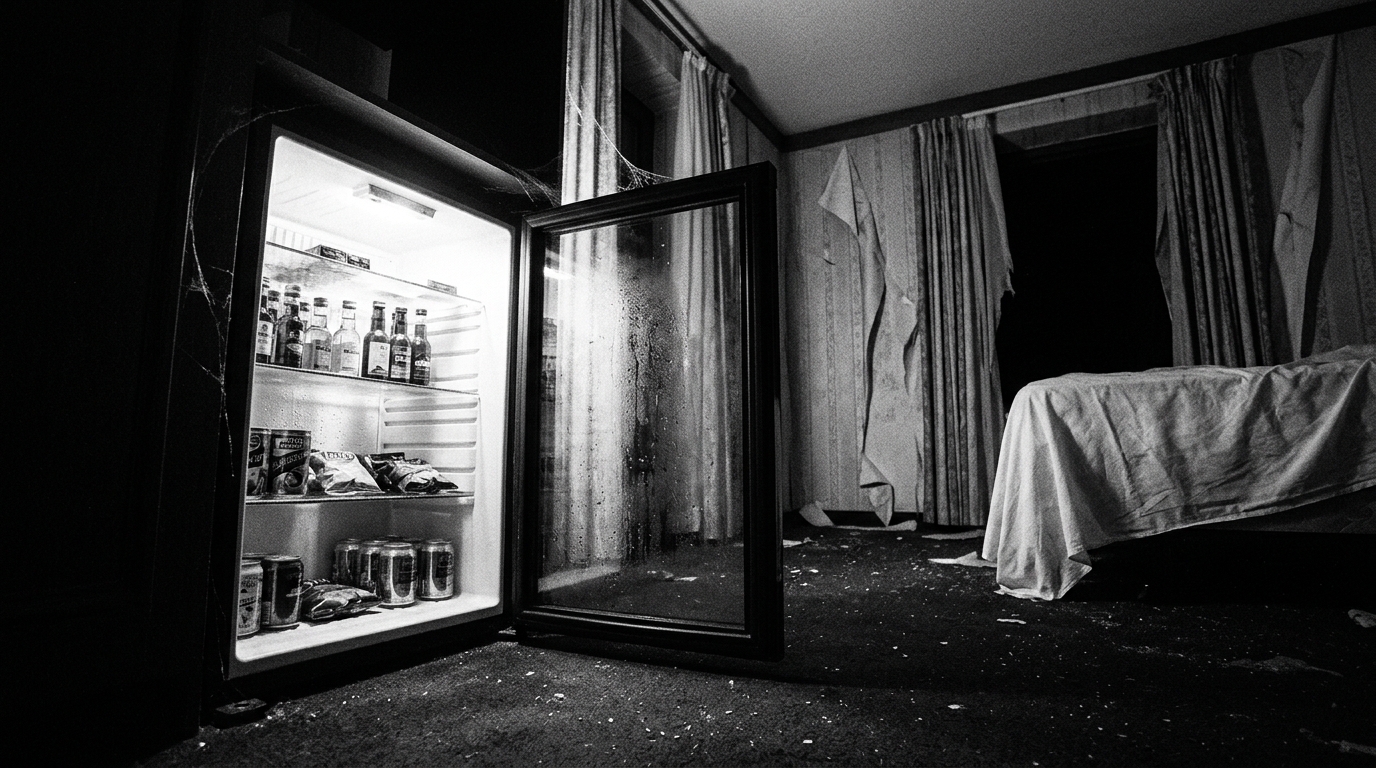
I watched a guest get into a 10-minute argument at the front desk once over a $9 Toblerone charge. She swore she picked it up, looked at the price, and put it back. The sensor said otherwise. The front desk agent... three weeks on the job, no authority to adjust anything over $5 without a manager's approval... stood there while the line backed up behind an increasingly furious woman holding a checkout folio like it was a subpoena. The GM comped it. Of course he comped it. Everyone comps it. And that's the whole minibar story right there. You've installed a revenue system that generates arguments, requires labor to resolve, and ends with you giving the money back anyway.
Here's the thing nobody in the minibar conversation wants to say out loud. The numbers killed this debate over a decade ago. Minibar revenue in U.S. hotels dropped 28% between 2007 and 2012. By 2017, CBRE was reporting that minibars accounted for less than 1% of total hotel F&B revenue. Less than one percent. You know what else generates less than 1% of your F&B revenue? The vending machine by the ice maker. And nobody's writing white papers about optimizing vending machine strategy. The minibar hung on this long not because it makes money, but because luxury hotels treat it like a brand signifier. "Of course we have a minibar... we're a four-star property." It's not a revenue stream. It's furniture that occasionally starts a fight.
Now the vendors will tell you smart minibars are the answer. Infrared sensors, real-time inventory, automated billing, one attendant servicing 400 rooms instead of 100. The equipment market is supposedly headed to $2.2 billion by 2033. And I get it... if you're going to have a minibar, make it efficient. But that's like saying if you're going to keep a fax machine, at least get a fast one. The fundamental question is whether the thing should exist at all. Guests ranked minibars dead last in a TripAdvisor survey on desired amenities... 21% found them important versus 89% who wanted free WiFi. Meanwhile, Hilton partnered with Grubhub, Marriott with Uber Eats, Wyndham with DoorDash. The industry has already voted with its partnerships. The food and beverage your guest wants is on their phone, not in a locked fridge with $7 sparkling water.
The "wellness fridge" trend is interesting but it's still solving the wrong problem at most properties. Stocking cold-pressed juices and functional snacks sounds great in a design meeting. Then you run the spoilage numbers. Then you realize your housekeeping team is already stretched to 18 minutes per room and now they're checking expiration dates on kombucha. The hotels doing this well are doing it at scale, at high ADR luxury properties where the per-occupied-room cost disappears into the rate. At your 180-key upper upscale in a secondary market? That wellness fridge is going to cost you more in labor and spoilage than it generates in revenue, and the guest who actually wants organic snacks already stopped at Whole Foods on the way from the airport.
What kills me is the Thompson San Antonio story from literally last week. Guests getting charged for bathroom amenities that were staged to look complimentary. That's the same disease. It's the same instinct that puts a weighted sensor under a $4 can of Coke... the belief that you can monetize every surface the guest touches. You can't. Or rather, you can, but the cost is trust, and trust is worth more than every minibar in your portfolio combined. The best operators I know figured this out years ago. Empty fridge. Let the guest use it. Put a QR code on top with your room service menu or a delivery partner link. Done. No sensors. No disputes. No labor. No spoilage. The revenue you "lose" was never real revenue to begin with... it was just a line item that created more problems than profit.
If you're still running weighted sensor minibars, pull your minibar P&L for the last 12 months. Not just revenue... total cost. Stocking labor, spoilage, dispute resolution time at the front desk, credit card chargebacks, and the sensor maintenance contract. I'd bet serious money you're net negative. If your brand mandates a stocked minibar, check the actual standard language... most require a "refreshment center" which can be satisfied with an empty fridge and a curated menu card. If you're independent or soft-branded, pull the minibars out this quarter, put the fridges back empty, and redirect the labor hours to something that actually shows up on your guest satisfaction scores. This is what I call the Invisible P&L... the minibar looks like it makes money on the revenue line, but the costs that never appear on the P&L (front desk time resolving disputes, housekeeping minutes restocking, the review that mentions "getting charged for touching a water bottle") destroy more margin than the ones that do.