A Glass Octagon Is Beating Your Hotel on Wishlist Rankings. That's Not an Architecture Problem.
The most wishlisted Airbnb in Massachusetts is a one-bedroom glass house in the woods charging $232 a night. If you're an independent operator in a leisure market wondering why your direct bookings feel soft, the answer might be sitting on seven acres in the Berkshires.
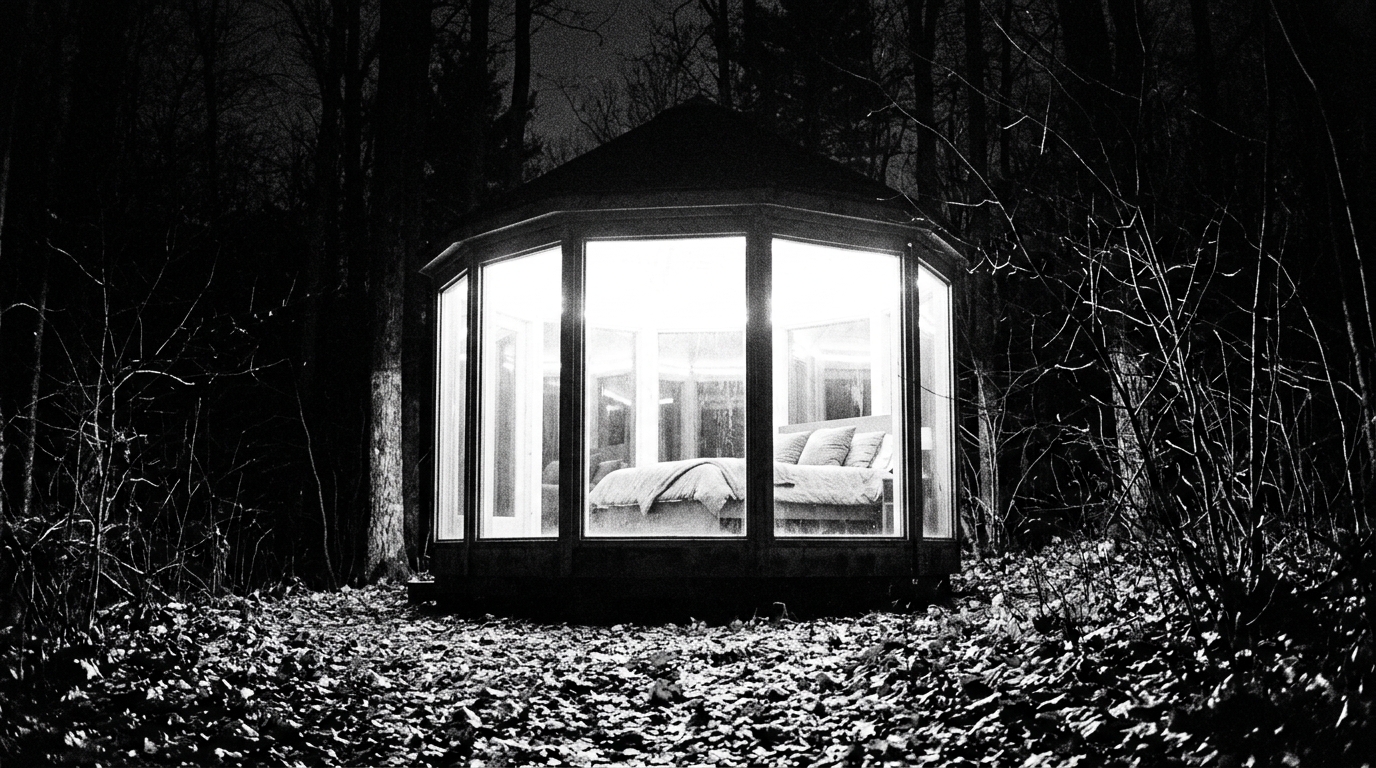
So a glass octagon in Otis, Massachusetts... one bedroom, two bathrooms, sits on seven acres of woods... just got named the most wishlisted Airbnb in the state. 464 reviews, 4.95 rating, starting at $232 a night. And Airbnb didn't bury this in some data dump. They built an entire marketing campaign around it. National press. Category placement. Algorithmic boost for wishlisted properties. This isn't a cute story about a cool house. This is Airbnb's distribution engine working exactly as designed, and it should make every independent operator in a leisure-driven market pay very close attention.
Here's what actually happened. Airbnb figured out years ago that hotels compete on consistency and convenience. They can't win that fight. So they stopped trying. Instead they built an entire discovery layer around properties that are fundamentally unbookable through any hotel channel... treehouses, converted barns, glass octagons in the woods. The "OMG!" category, the "most wishlisted" lists, the search algorithm that rewards saves and engagement... this is infrastructure. Not content marketing. Infrastructure. They're training travelers to start their trip planning with the question "what would be cool to stay in?" instead of "what hotel is near where I'm going?" And once that question changes, the competitive frame shifts entirely. You're not losing to another hotel. You're losing to a feeling.
Look, I've consulted with independent operators who look at these Airbnb stories and dismiss them. "That's a different customer," they say. "Our guests want a front desk and daily housekeeping." And for some segments, sure. But Airbnb just told us that 86% of surveyed travelers are interested in remote or rural destinations. Searches for unique stays jumped 94% between 2019 and 2021 and haven't come back down. The Berkshires property is 20 minutes from Great Barrington, 30 minutes from Tanglewood. That's the same demand pool feeding every boutique hotel and B&B in western Massachusetts. The glass octagon isn't stealing your confirmed reservations. It's capturing demand before the guest ever searches for a hotel. That's worse.
The technology angle here is what bugs me most. Airbnb's wishlist feature isn't just social... it feeds their ranking algorithm. Properties that get wishlisted over several months get a search boost. That's a self-reinforcing distribution loop. More wishlists, more visibility, more bookings, more reviews, more wishlists. Meanwhile, most independent hotels I work with are running a booking engine from 2019 with no discovery layer, no engagement loop, no reason for a traveler to save or share their listing anywhere. The distribution gap between a single Airbnb property and most independent hotels isn't about the product anymore. It's about the platform mechanics. And those mechanics are getting harder to replicate every quarter.
What I'd actually tell operators in leisure markets: stop dismissing these stories as novelty. This glass house has a 4.95 rating from 464 guests, which means it's been consistently delivering an experience that people remember and recommend. That's operational excellence packaged in a weird shape. The question isn't whether you should build a glass octagon. The question is whether your property gives anyone a reason to wishlist it... to save it, to share it, to tell a friend about it. If the answer is no, that's not an Airbnb problem. That's a product problem. And no booking engine upgrade fixes a product problem.
If you're running an independent in a leisure or drive-to market, here's what I need you to do this week. Pull up your property on every platform you're listed on and look at it the way a traveler would. Not the way an operator would. Does anything about your listing make someone stop scrolling? If every photo looks like every other hotel photo... if your description reads like it was written by your management company in 2021... you've got a discovery problem that's costing you bookings you'll never even know you lost. Talk to your revenue manager about what percentage of your demand is coming through channels where you control the narrative versus channels where you're just another blue dot on a map. Then ask yourself the hard question: what's the one thing about your property that someone would actually tell a friend about? If you can't answer that in one sentence, that's your real problem. Not the glass octagon. Not Airbnb. Your product.