Disney Cut Five Resort Perks and Guests Are Still Paying $700 a Night. That's the Lesson.
Disney World just stripped MagicBands, toiletries, room service, airport shuttles, and package delivery from its resort stays while posting $10 billion in parks operating income. If you think this is just a theme park story, you're not paying attention to what it teaches every hotel operator about the relationship between perceived value and pricing power.
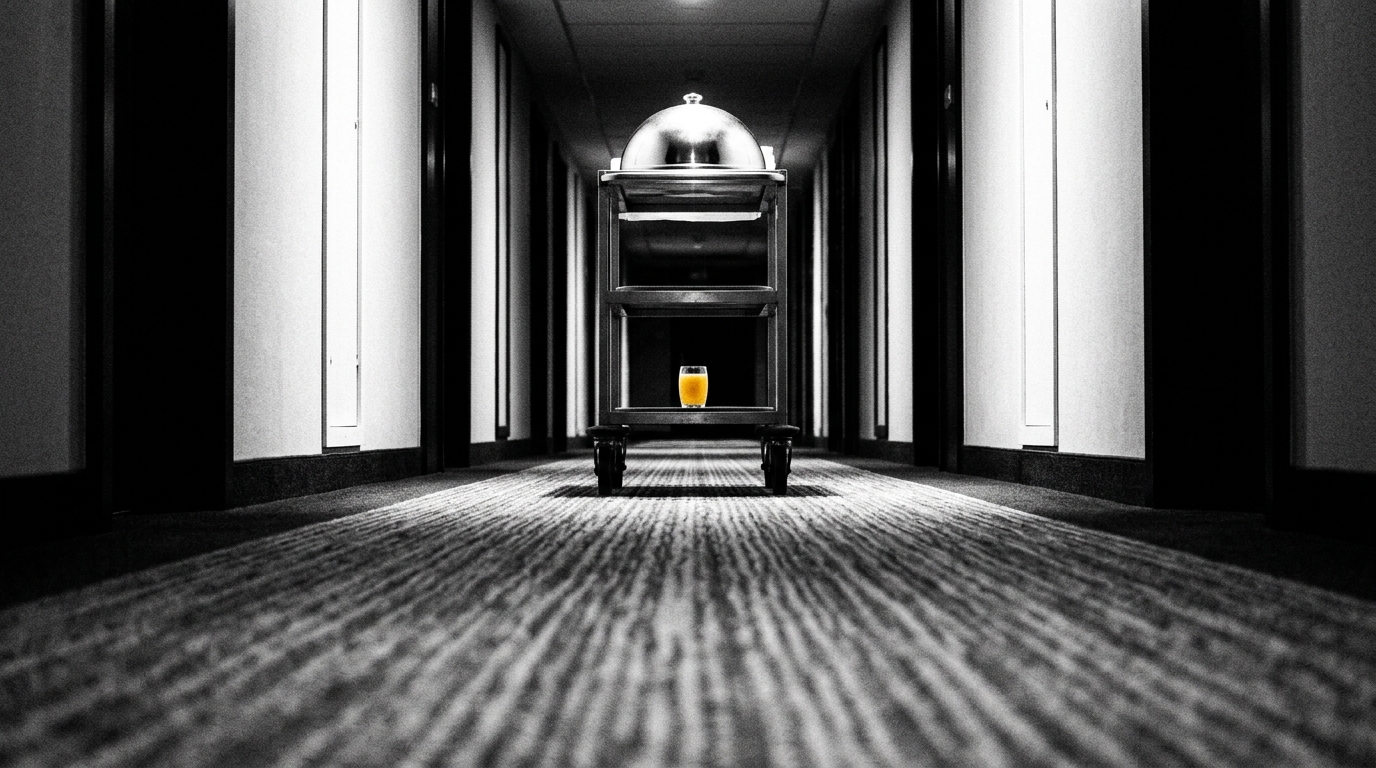
I watched a hotel owner once spend $180,000 renovating a breakfast area... new buffet stations, better lighting, upgraded equipment, the works. Beautiful job. Then six months later he pulled the fresh-squeezed orange juice because it was costing him $0.47 per guest and replaced it with concentrate. Guest scores on F&B dropped four points in a single quarter. Not because of the juice. Because the juice was the thing guests noticed, and noticing a downgrade is a completely different psychological event than noticing an upgrade. He spent $180K making the room better and lost the narrative over forty-seven cents.
That's what I thought about when I read that Disney has now officially eliminated five perks that used to come standard with a resort stay... the MagicBands, the take-home toiletries (replaced with wall-mounted dispensers), package delivery to your room, room service, and the Magical Express airport shuttle. Gone. All of them. And here's the part that matters to us: Disney's parks division posted $10 billion in operating income last year. Revenue up 6%. Operating income up 13% in Q4 alone. They're in the middle of a $60 billion investment cycle in their Experiences division. Guests are still booking. The rates haven't softened. They ripped out five amenities that people used to associate with the "magic" of staying on property... and the machine didn't even hiccup.
Now look. Disney is Disney. They have pricing power that you and I will never have. They operate in a universe where the brand itself is the product and the hotel room is just the container. I get that. But the principle underneath this story is universal, and it's something most hotel operators get exactly backwards. We assume that adding amenities builds loyalty and removing them kills it. Disney just proved (again) that what matters isn't the list of what you offer... it's whether the guest feels the total experience was worth the price. They kept Early Theme Park Entry. They kept Extended Evening Hours for deluxe guests. They kept the earlier booking windows for Lightning Lane and dining. The stuff that actually affects the guest's day in the parks... that stayed. The stuff that was nice-to-have but didn't define the core experience... that's what got cut. And the $60 billion they're pouring into new attractions and lands is the reinvestment story that makes the cuts feel like reallocation, not reduction.
There's a real lesson here for anyone running a hotel that isn't a theme park. Most of us are carrying amenities and services on our P&L that we added five or ten years ago because someone at a brand conference said it would differentiate us, or because a competitor down the road was doing it, or because a vocal guest on TripAdvisor complained once and we overreacted. And we've never gone back and asked the hard question: does this specific thing actually drive rate, drive loyalty, or drive satisfaction... or is it just something we do now because we've always done it? Disney had the guts (and the data) to answer that question honestly. The MagicBands cost them real money to produce and distribute. The airport shuttle was a massive logistics operation. Room service in a resort that size requires dedicated staff, equipment, and food safety infrastructure. They looked at each one and asked: is the guest paying for this, or are we just subsidizing it? And when the answer was "subsidizing," they stopped.
The part that should keep you up tonight isn't what Disney cut. It's the methodology. They identified which perks were load-bearing (the ones that actually drove the decision to stay on-property versus off-property) and which ones were decorative (nice, expected, but not decision-drivers). Then they invested harder in the load-bearing stuff and eliminated the rest. Every operator I know has at least three line items on their P&L right now that are decorative. Things guests like but wouldn't miss enough to change their booking behavior. And every dollar you're spending on decorative amenities is a dollar you're not spending on the thing that actually makes someone choose your hotel over the one across the street. Disney figured that out at a $10 billion scale. You can figure it out at yours.
Here's what I want you to do this week. Pull your guest satisfaction data for the last 12 months and sort comments by what guests actually praise versus what they just expect. There's a difference between "I loved the rooftop bar" and "the toiletries were nice." One drives rebooking. The other is furniture. Then pull the cost of every amenity and service you offer that isn't required by your brand standard. Map each one against whether it appears in positive reviews, drives rate premium, or influences booking decisions. If you can't tie it to revenue or loyalty with a straight face, put it on a list. You don't have to cut everything tomorrow... but you need to know which of your amenities are load-bearing and which ones are decorative. Because the next time you need to find $40K on your P&L (and that time is coming), you want to already know which walls you can take out without the building falling down.