Hotels Lost 80,000 Workers in Two Months. Demand Didn't Flinch. That's the Problem.
Leisure and hospitality shed 40,000 more jobs in July while summer travel kept humming along. The gap between the guests showing up and the people available to serve them is becoming the most expensive line item nobody budgeted for.
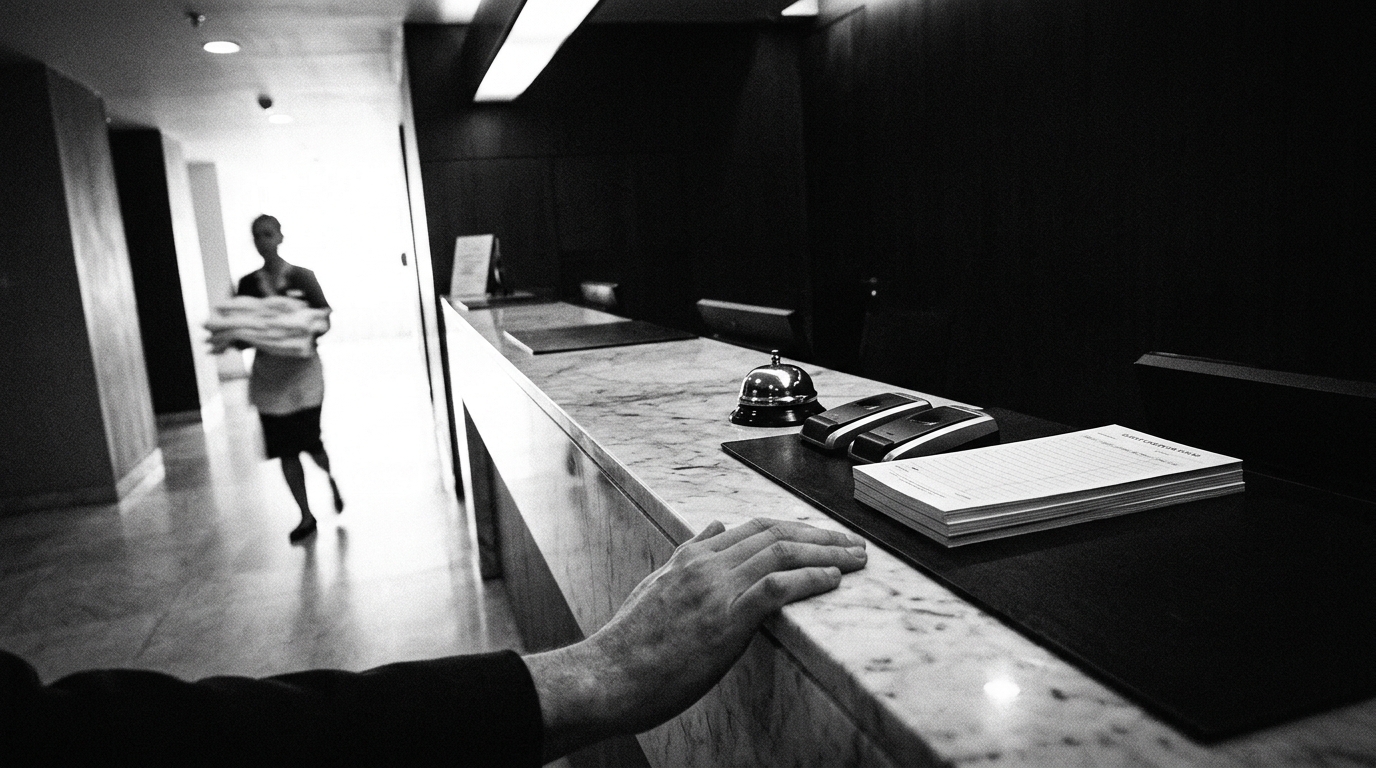
I worked with a GM once... sharp operator, mid-size convention hotel in a secondary market... who used to say staffing was like a dam. You can lose a little water over the top and nobody notices. You lose enough, and one day the whole thing just goes. Not slowly. All at once. Reviews tank. OT explodes. Your best remaining people start updating their resumes because they're tired of carrying everyone else's weight. He called it the "quiet collapse."
That's what I'm looking at this morning. Eighty thousand jobs gone from leisure and hospitality in June and July combined. And here's the part that should genuinely worry you... this didn't happen because people stopped traveling. Travel demand is still there. The summer season is running. Guests are showing up. They're just showing up to properties that have fewer and fewer people to take care of them.
This is not cyclical. This is structural. The labor force participation rate dropped to 61.4% in July, lowest since early 2021. People aren't between jobs. They're gone. And the ones who are still in the pool? Real wages for accommodation and food service workers actually declined over the past year... compensation up 2.4% against 3.3% inflation. We're asking people to work harder, for less, in an industry with 70-80% annual turnover. Then we act surprised when they leave. The AHLA says more than half its members are still understaffed. That's not a temporary condition anymore. That's the new baseline.
Here's where it gets really uncomfortable. Consumer confidence just dropped to 90.8. People are telling surveyors they think jobs are harder to find (which is true outside our industry... the broader economy lost 23,000 nonfarm jobs in July). So you've got a fall season potentially coming where leisure demand softens, business travel stays cautious, and your labor costs don't come down because the people simply aren't there. Labor CPOR was already up 1.8% year-over-year in Q1 to $46.79. That number is going higher. Not because you're paying people more (you're barely keeping up with inflation). Because you're paying overtime. Because you're paying agency premiums. Because you're eating the cost of service failures that show up in your review scores three weeks later and in your ADR ceiling three months after that. This is what I call the Invisible P&L... the costs that never appear on a line item but destroy more margin than the ones that do. The agency staffing premium, the OT, the comp'd night for the guest who waited 40 minutes for a check-in because you had two people at the desk... none of that shows up where your owner is looking. But it's real. And it's compounding.
The people who will get hurt worst are select-service operators with no labor redundancy. You're running a 120-key property with a skeleton crew already. One more person leaves and you don't have a staffing problem... you have a math problem. But full-service isn't safe either. You're charging $289 a night and the guest is wondering why the restaurant closed early and nobody answered the phone at the spa. The gap between what the rate promises and what the staffing delivers is where your brand equity goes to die.
If you're a GM at a select-service or limited-service property, pull your July labor actuals today. Not tomorrow. Today. Look at your agency spend, your overtime as a percentage of total labor, and your open positions by department. Then model what happens if you lose one more housekeeper and one more front desk agent in August... because that's probably what's coming. Build that scenario before your next owner call, not after. For those of you in full-service or resort, audit your guest-facing service levels against your published rate. If you're charging a premium and delivering a skeleton crew experience, you are training your market to expect less and they will eventually stop paying more. That's the quiet part of this crisis. The loud part is the P&L. The quiet part is the rate ceiling you're building for yourself without realizing it.