Today · May 23, 2026
A 78-Year-Old Veteran Died in a Hotel Elevator. The Property Won't Hand Over the Tape.

A 78-Year-Old Veteran Died in a Hotel Elevator. The Property Won't Hand Over the Tape.

The family of a guest who fell exiting an elevator at Aquarius Casino Resort and later died is suing because the property stonewalled them on incident reports and surveillance footage. Meanwhile, the resort's parent company is in the middle of going private... and that timing should make every operator think about what happens to liability when ownership changes hands.

Available Analysis

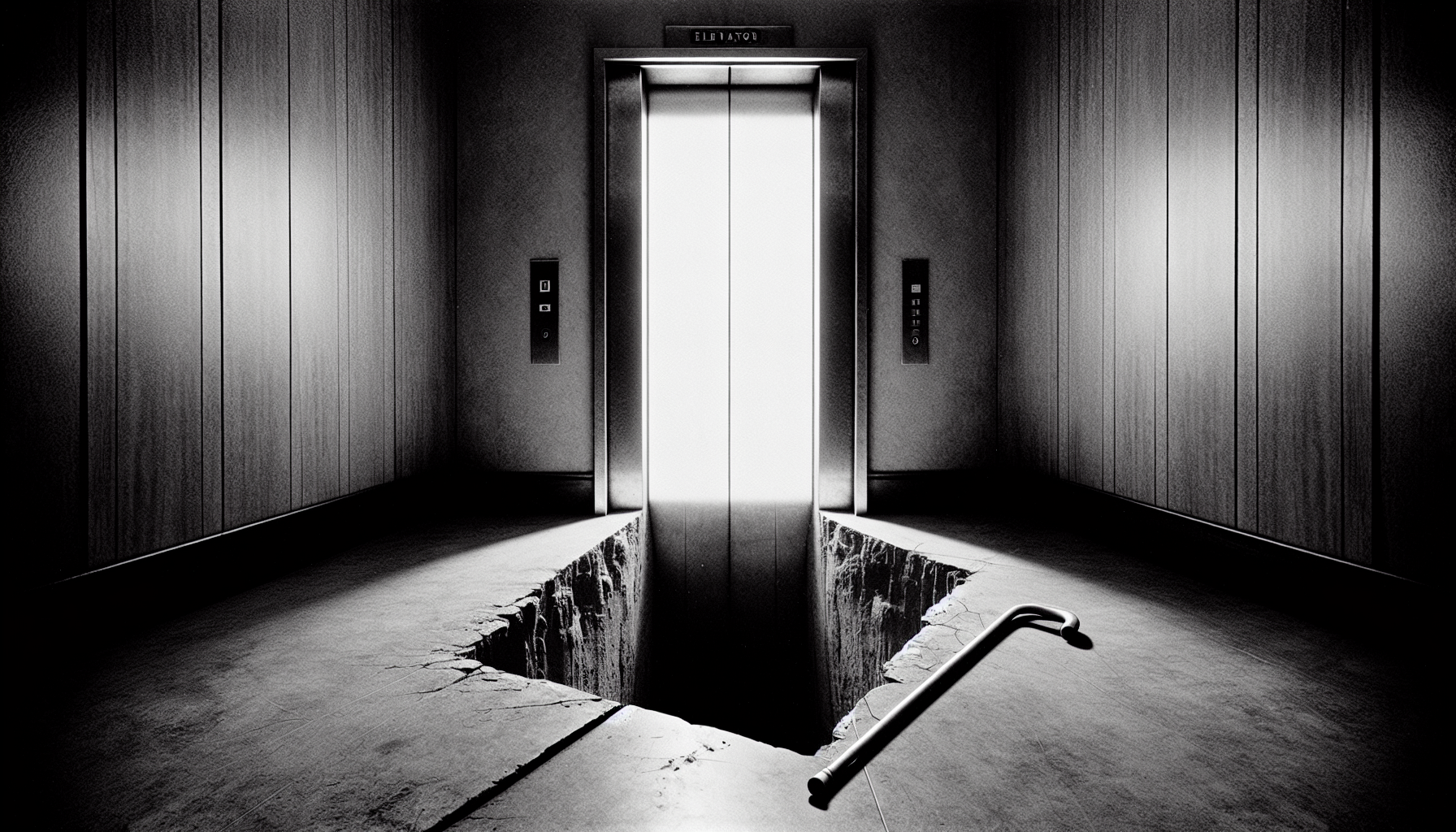
A man walks into an elevator at a casino resort in Laughlin, Nevada. He's 78. Army veteran. Staying with his wife. On October 13th, something goes wrong as he exits. He falls. The injuries are catastrophic... quadriplegia. Three weeks later, he's dead.

That's the part that should stop you cold. Not the lawsuit (there was always going to be a lawsuit). Not the $2.5 million in damages the family is seeking. The part that matters is what happened between the fall and the filing. The family says they asked for the incident report. They asked for the surveillance footage. They asked for basic information about what happened to their husband, their father, their grandfather in that elevator. And the property, according to the complaint, gave them nothing. Six months of silence until the family's attorney filed in Clark County District Court on April 8th.

Here's where it gets layered. Golden Entertainment, which owns and operates the Aquarius, is in the middle of going private. Shareholders approved the deal on March 31st. The Nevada Gaming Control Board signed off on April 8th... the same day this lawsuit was filed. The full transaction, which includes VICI Properties buying seven casino real estate assets in a sale-leaseback, is expected to close in Q2 2026 pending one more approval on April 23rd. I'm not suggesting the timing is coordinated. I am suggesting that when a company is mid-transaction, the lawyers are running the show. And lawyers in a deal environment have one directive: minimize exposure. That's not conspiracy. That's how it works. I've been through ownership transitions where the legal team locked down everything... maintenance logs, incident files, guest complaint records... until the ink dried. The instinct to protect the asset during a sale is powerful. Sometimes it overrides the instinct to do the right thing for a grieving family.

The lawsuit invokes res ipsa loquitur, which is a legal term that essentially means "this doesn't happen unless somebody screwed up." People don't become quadriplegic exiting elevators in properly maintained buildings. The complaint names both the resort and an unspecified elevator company, and it alleges systemic failure in elevator maintenance. That phrase... "systemic failure"... is doing a lot of work. It's saying this wasn't a freak accident. It's saying there's a pattern, and the property either knew or should have known. Whether that's provable is for the courts. But I can tell you this: if there's a maintenance log for that elevator showing deferred repairs or missed inspections, this case gets very expensive very fast. And if that log has gaps in it, it gets worse.

I worked at a property years ago where we had an escalator incident... guest tripped, minor injury, no lasting harm. The GM's first call wasn't to legal. It was to engineering. "Pull every inspection record for every vertical transport in this building. I want them on my desk in an hour." Not because he was preparing for a lawsuit. Because he wanted to know if there was a problem he didn't know about. That's the difference between an operator who runs the building and an operator who manages the liability. The first one protects people. The second one protects the file. The family in this case is alleging they encountered the second kind, and whether or not that allegation holds up in court, the perception alone is damaging. When your response to a guest death is silence, you've already lost the story. You might win the case. You'll never win the narrative.

Operator's Take

If you're a GM or director of operations at any property with elevators, escalators, or any vertical transport... pull your inspection records this week. Not next month. This week. Know the maintenance history, know the vendor contract terms, know when the last state inspection was, know if there are any outstanding repair orders. If there are gaps, close them now and document that you closed them. Second thing: review your incident response protocol. When a guest is seriously injured on your property, the family is going to ask for information. Your legal team may tell you to say nothing. I understand why. But there is a difference between "we can't share details of an ongoing investigation" and radio silence for six months. The first one is defensible. The second one guarantees a lawsuit and a news cycle. Have a protocol that respects both the legal reality and the human being on the other end of that phone call. This is what I call the Invisible P&L... the costs that never show up on your financial statements but can destroy you overnight. One deferred elevator repair, one missed inspection, one family that gets stonewalled, and you're not managing a hotel anymore. You're managing a headline.
Read full analysis → ← Show less
Source: Google News: Casino Resorts
Disney's Been Renovating the Grand Floridian for Six Years. And They're Still Not Done.

Disney's Been Renovating the Grand Floridian for Six Years. And They're Still Not Done.

Disney's flagship resort has been under near-continuous construction since before COVID, with the latest closure hitting the Grand Floridian Cafe from July through October. If you think your renovation timeline is painful, imagine explaining perpetual construction noise to guests paying $800 a night.

I worked with a GM once who had a renovation that was supposed to last four months. It lasted eleven. By month six, the front desk had a laminated card with pre-written apologies for the noise, the dust, and the "temporary" walkway through the parking lot. He told me the card was the most-used item in the hotel... more than the key cards.

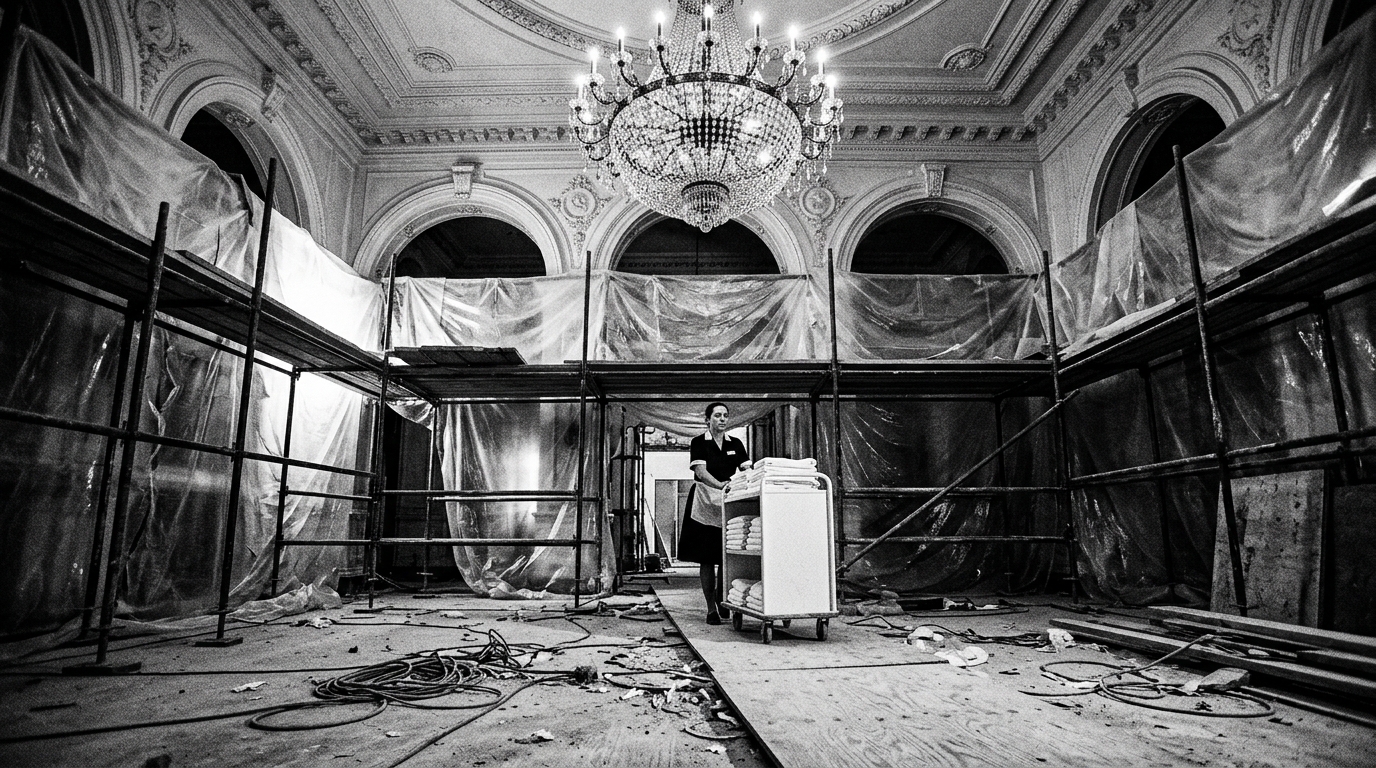
That's what I think about when I see Disney's Grand Floridian, which has essentially been under some form of renovation since before the pandemic. They've refreshed the guest rooms. Redone the lobby (added a bar called The Perch... because apparently what a Victorian-themed luxury resort needed was a trendy lobby bar). Overhauled multiple restaurants. Reopened a lounge that had been dark for six years. And now the cafe is closing mid-July through October for what they're calling a "refresh." The whole thing isn't scheduled to wrap until early 2027.

Let me be direct. Disney can get away with this because they're Disney. They have a captive audience, a pricing model that defies normal hospitality gravity, and an Experiences segment that just posted over $10 billion in quarterly revenue. When you're printing money like that, you can renovate in rolling phases for half a decade and guests will still book because the alternative is explaining to a seven-year-old why they can't stay at the princess hotel. That's not a comp set most of us compete in. But the APPROACH... the rolling renovation strategy... that's worth studying whether you're running 90 keys or 900.

Here's what Disney understands that a lot of operators don't: renovation is not an event. It's a condition. The Grand Floridian isn't being renovated. It's being maintained at the level its rate demands, continuously, because the moment a $800-a-night resort starts looking tired, the gap between price and promise becomes the story guests tell. They're not shutting down the whole hotel for 18 months and hoping for a grand reopening. They're closing one restaurant, relocating its popular brunch to another venue on-property, keeping everything else running, and managing the disruption in pieces. That's not accidental. That's a deliberate strategy to never let the asset fall below the line where guests start questioning the rate. I call this the Renovation Reality Multiplier... you plan for the real disruption timeline, not the one in the proposal. Disney is planning for a timeline measured in years because that's what a property of this caliber actually requires.

The part most operators miss is the revenue protection during construction. Disney's telling guests upfront that construction may be visible, that walking paths might change, that noise happens during the day. That transparency isn't generosity... it's liability management and expectation setting. They're relocating the brunch service instead of just killing it for four months. They're keeping every other outlet open. The revenue never stops. The experience gets managed around the disruption rather than interrupted by it. Most of us don't have Disney's budget or their ability to absorb construction periods. But the principle scales down. If you're facing any kind of renovation, the question isn't just "what does the finished product look like?" It's "what does every single day of the project look like for the guest who's paying full rate while the drywall dust is settling?"

Operator's Take

If you've got a renovation coming up (or one you've been putting off because you can't figure out the logistics), take a page from the Disney playbook. Phase it. Don't shut down your F&B outlet without relocating the service somewhere else on property... even if "somewhere else" is a banquet room with folding tables. Brief your front desk team with specific language about what guests will see, hear, and experience during construction... not vague apologies, but real information. And for the love of your TripAdvisor scores, get ahead of the online narrative. Update your OTA listings, your website, your booking confirmations. Every guest who shows up surprised by construction is a one-star review waiting to happen. The renovation itself builds long-term value. The way you manage the disruption protects the revenue you need to pay for it.

Read full analysis → ← Show less
Source: Google News: Resort Hotels
A Pool Cleaner Won at CES. Your Maintenance Budget Doesn't Care.

A Pool Cleaner Won at CES. Your Maintenance Budget Doesn't Care.

Fairland Group's iGarden M1 Pro Max won a CES 2026 Innovation Award as the "world's first bionic dual-vision pool cleaner." Unless you're running a resort with significant pool infrastructure, this is noise — not news.

Here's the thing nobody's telling you: CES awards get thrown around like Halloween candy. Every January, hundreds of gadgets win "Innovation Awards" in categories so narrow they're practically manufactured for the product itself. This year it's a pool cleaner with dual cameras and AI that supposedly cleans better than existing robotics.

I've been through enough pool equipment cycles to know what matters. Does it reduce labor hours? Does it cut chemical costs? Does it prevent that 2pm guest complaint about debris when your maintenance guy is at the other property? Those are the questions. A press release correction about pricing doesn't answer any of them.

The real story here is how far pool automation has come in the past five years. If you're running a select-service property with a basic 20x40 pool, you're probably fine with your current $800-1,200 robotic cleaner that you replace every 3-4 years. But if you're operating a resort with multiple pools, splash pads, and lazy rivers — the kind where pool maintenance is a 2-3 FTE operation — then yes, better robotics matter. They matter at budget time, they matter during labor shortages, and they matter when TripAdvisor reviews mention "dirty pool" and your occupancy drops 4 points.

But a CES award? That tells me nothing about warranty claims, parts availability, or whether this thing actually works in a commercial environment with 200 guests a day putting sunscreen, drinks, and God knows what else in your water. I need to see 12-18 months of real-world deployment data before I'm telling any GM to budget for bleeding-edge pool tech.

Operator's Take

If you're already shopping for new pool equipment, put this on your list to evaluate — but wait for independent third-party testing, not awards and press releases. If your current robotics are working fine, spend that capital budget on something that actually impacts RevPAR. A clean pool matters. An award-winning pool cleaner? Prove it to me with lower labor costs first.

Read full analysis → ← Show less
Source: PR Newswire: Travel & Hospitality
End of Stories