Today · Jun 15, 2026
A Treehouse With a Composting Toilet Is Outperforming Your Hotel on Airbnb. Let That Land.

A Treehouse With a Composting Toilet Is Outperforming Your Hotel on Airbnb. Let That Land.

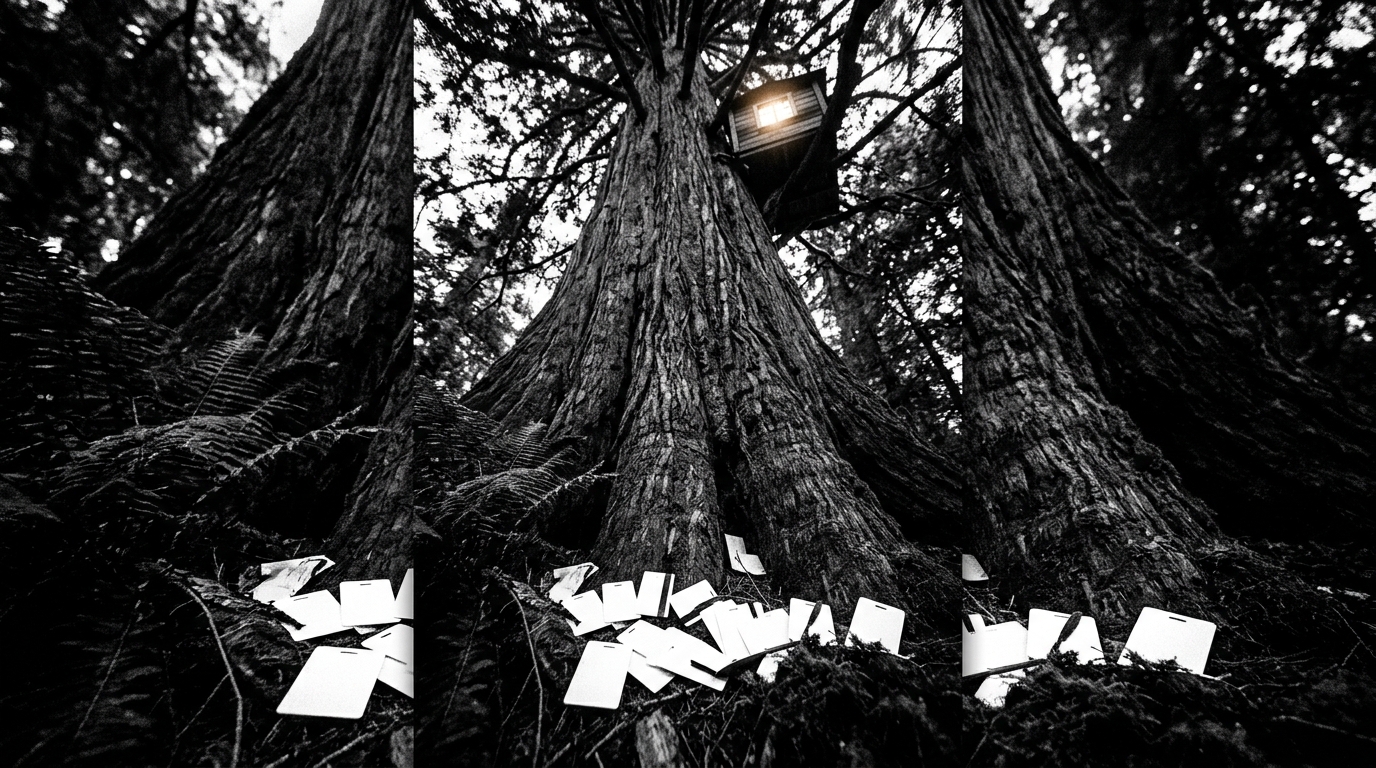
Washington's most wishlisted Airbnb is a one-bedroom cedar treehouse with no real WiFi and a composting toilet, and it's commanding rates that would make a select-service GM weep. The question isn't whether alternative stays are stealing your guests... it's whether your property gives anyone a reason to wishlist it at all.

So here's what we're working with. A treehouse. One bedroom. Two guests max. Composting toilet. A pump sink. WiFi that the listing itself admits is unreliable. And it just topped every hotel, every resort, every boutique property in Washington state as the most wishlisted Airbnb listing in the state.

Let that land for a second. Not a renovated boutique in Capitol Hill. Not a waterfront suite in the San Juans. A treehouse in North Bend with a ladder to the bed and a camp shower outside. Comparable treehouses in that region are pulling $325 to $625 a night. For one room. With a composting toilet. Meanwhile, Washington state's average Airbnb ADR is sitting at $386, and Seattle's active listings grew 120% year-over-year. That's the supply picture. The demand picture is the part that should make traditional operators uncomfortable... over half of travelers now say a unique or unusual property is enough to make them choose a destination they wouldn't have otherwise considered. The accommodation IS the trip. Not the location. Not the amenities. The story.

Look, I've spent years evaluating technology that promises to "enhance the guest experience." Revenue management systems. Dynamic pricing engines. Guest messaging platforms. All of it designed to optimize what is fundamentally a commodity... a room, a bed, a bathroom. And here's a guy who built a treehouse with help from a TV show carpenter's former crew, listed it on Airbnb, and created something that no amount of PMS optimization or brand standard compliance can replicate. He didn't need a $200K renovation. He didn't need a brand flag. He needed a concept that people wanted to photograph and talk about. That's the product. The shareable moment.

This isn't a "hotels are dying" story. Hotels aren't dying. But the definition of what constitutes a competitive set is changing in ways that STR doesn't capture and most operators aren't tracking. When I talk to hotel groups about technology strategy, the conversation always starts with "how do we compete with other hotels." It almost never starts with "how do we compete with a treehouse." But if you're running a 120-key property in a secondary Pacific Northwest market and your occupancy is soft on weekdays... you're not losing those guests to the Marriott down the road. You're losing them to a cedar platform 40 feet up in an old-growth forest. And the treehouse doesn't have a revenue management system. It doesn't need one. It has a 100-inch projector and a soaking tub and a story that markets itself.

The technology question here isn't about the treehouse. It's about what the treehouse reveals. Airbnb's wishlisting feature is, at its core, a demand signal generator... it tells hosts what people want before they book it. Hotels have access to similar data (forward-looking demand, search patterns, wishlist equivalents through brand apps) and most of them don't use it to inform the product. They use it to adjust the price. That's the gap. Price optimization is table stakes. Product differentiation is the game, and a guy with a composting toilet is winning it.

Operator's Take

Here's what I want you to think about this weekend. Not about treehouses... about what makes your property worth talking about. If a guest stayed at your hotel last week, did they tell anyone? Not leave a review. TELL someone. "You have to stay at this place." If the answer is no, you've got a product problem that no RMS or brand flag is going to fix. Walk your property Monday morning with one question: what's the moment a guest would photograph and send to a friend? If you can't find one, that's your project for Q2. It doesn't have to cost $200K. A treehouse with a camp shower just beat every hotel in Washington state. Sometimes the most competitive thing you can do isn't optimize your rate... it's give someone a reason to remember you exist.

— Mike Storm, Founder & Editor
Read full analysis → ← Show less
Source: Google News: Airbnb
A 400-Square-Foot Dice House Is Outcharging Your Hotel. Here's Why That Should Bother You.

A 400-Square-Foot Dice House Is Outcharging Your Hotel. Here's Why That Should Bother You.

An Airbnb tiny house shaped like stacked dice with 100 board games is pulling rates up to $900/night in Greenville, SC... a market where the average hotel ADR is fighting to hold $158. The technology lesson here has nothing to do with tiny houses.

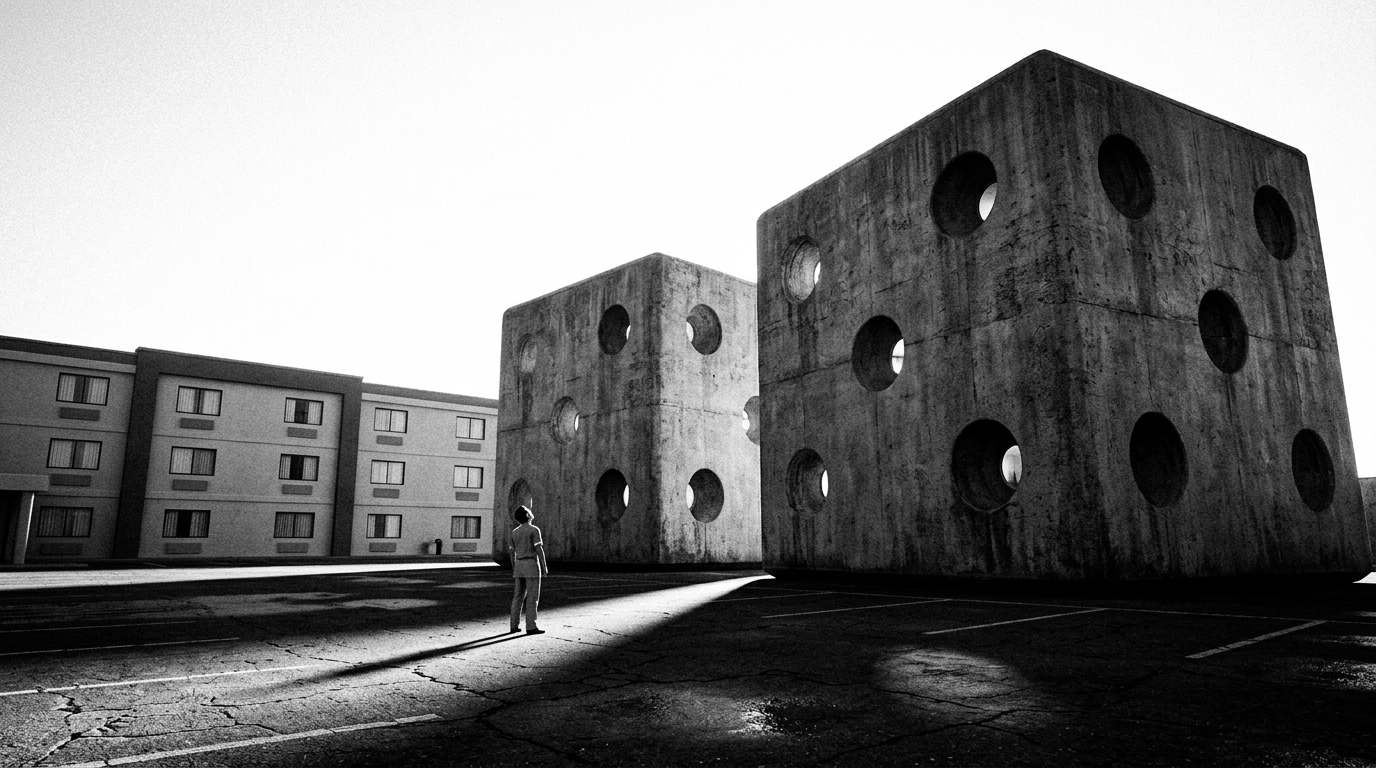
So here's a 400-square-foot structure shaped like two stacked dice, with 28 round windows, a claw machine, and over 100 board games. It sleeps four people across two loft bedrooms. It won Airbnb's "OMG! Fund" contest, which is basically a grant program for properties weird enough to go viral. And comparable unique stays in the Greenville market are listing between $362 and $900+ per night.

Let that sit for a second. Not because the property is revolutionary... it's a themed tiny house with good execution. But because the technology platform underneath it is doing something most hotel tech stacks still can't do well: it's turning a single property with a hyper-specific concept into a distribution machine. Airbnb's algorithm doesn't care that this is 400 square feet. It cares that this listing generates engagement, gets saved to wishlists, converts at a high rate, and produces five-star reviews. The "unique stays" category saw a 123% increase in listings between 2020 and 2024, and searches for game-room properties more than doubled recently. The platform is actively surfacing these properties. The distribution is the product.

Here's what actually bothers me about this as a technologist. Greenville now has 507 active Airbnb listings... a 171% year-over-year increase. That's not a trickle. That's a parallel inventory system growing in your comp set that most hotel revenue management platforms barely account for. I talked to a revenue manager last month who told me her RMS doesn't even ingest short-term rental supply data for her market. She's pricing against the Holiday Inn Express across the highway while a dice-shaped house is capturing the leisure demand she never knew she was losing. Her system literally cannot see the competition.

Look, the Tiny Dice House isn't your competition in the traditional sense. Nobody's choosing between it and your 150-key select-service for a Tuesday business trip. But for weekend leisure, for the "experience" traveler, for the couple planning a birthday getaway... this is exactly where your rate ceiling gets pressure. And the technology gap is real. Airbnb's recommendation engine, its category taxonomy (they literally have a "Play" segment now), its visual-first search... these are distribution innovations that most hotel booking engines haven't even attempted. Your brand.com is still showing a carousel of room photos and a rate calendar. This listing is selling an experience before the guest even clicks "book." The guest data, the engagement metrics, the algorithmic boost for high-performing listings... it's a feedback loop that rewards operators who understand the platform's architecture. The hosts here are Superhosts, which means they've cracked the rating and response-time signals that push visibility. That's not hospitality instinct. That's platform engineering applied to a 400-square-foot building.

The real question for hotel operators isn't whether tiny houses are a threat. They're not... not at scale. The question is whether your technology stack can even see what's happening in the alternative accommodation layer of your market, and whether your distribution strategy accounts for a world where a dice-shaped shack with a claw machine can outprice you on rate because it understood the platform better than you did.

Operator's Take

Here's what I'd tell any GM or independent owner in a leisure-heavy market right now. Go to AirDNA or AllTheRooms and actually pull the short-term rental data for your three-mile radius. How many active listings? What's their average rate? What's the growth trend? If your RMS doesn't ingest this data... and most don't... you're pricing in the dark on weekends. Talk to your revenue management vendor and ask specifically whether their system accounts for alternative accommodation supply. If the answer is "not yet" or "we're working on it," that's a vendor failing the basic test of seeing your actual competitive landscape. And if you're an independent with a unique physical asset or location advantage, stop selling rooms and start selling the experience. Your booking engine should be telling a story, not just displaying a rate grid. The dice house isn't winning because it's better than your hotel. It's winning because it understood the platform.

— Mike Storm, Founder & Editor
Read full analysis → ← Show less
Source: Google News: Airbnb
A Guy Paid £30 to Sleep in a Garage. That's Your Competition Now.

A Guy Paid £30 to Sleep in a Garage. That's Your Competition Now.

A viral TikTok of a British traveler's £30-per-night Airbnb garage stay just hit 2.8 million views, and the guy loved it. If you're running a budget hotel and think your product sells itself, this is the wake-up call about what "good enough" actually looks like in 2026.

So a guy books a converted garage in northern England for £30 a night. Not a guest house. Not a flat. A garage. With a bed, a shower, a microwave, complimentary snacks, and a radiator. He posts a video. 2.8 million people watch it. His review? "Pleasantly surprised."

Let's talk about what this actually does to the conversation.

Look, I'm not here to tell you Airbnb is eating your lunch... you already know that. Airbnb had 133 million nights booked in Q1 2024 alone, with active listings growing 17% year-over-year. Their "Rooms" category, which launched in 2023 specifically for private rooms and weird little spaces like this, averages $67 a night globally, and nearly 80% of those listings come in under $100. That's not a niche anymore. That's a distribution channel for literally anyone with a spare room, a garage, or a garden shed and $200 worth of IKEA furniture. The barrier to entry for competing with your 90-key select-service just dropped to "owns a power drill and has WiFi."

Here's what actually bothers me about this story. It's not the garage. It's the 2.8 million views. That's not a booking... that's marketing. Free, viral, authentic marketing that no hotel brand could buy. When was the last time someone posted a TikTok of their Hampton Inn stay and 2.8 million people watched it? (I'll wait.) The guest experience at this garage was so unexpectedly good relative to expectations that it became content. That's the formula: low price plus exceeded expectations equals organic reach that no PMS, no RMS, no "AI-powered guest engagement platform" can replicate. This guy's host spent maybe £2,000 converting a garage and is now getting global visibility for free. I consulted with a hotel group last year that spent $45,000 on a social media campaign and got 12,000 impressions. Twelve thousand. The garage got 2.8 million because it told a better story.

The technology angle here is simple and uncomfortable. The platforms that enable this... Airbnb's listing tools, their review system, their search algorithm that surfaces novelty... are getting better at matching weird supply with willing demand. Every year the tools get easier, the hosts get smarter, and the definition of "acceptable accommodation" expands. You can't out-technology this. You can't out-platform it. The only thing a hotel can do that a garage can't is deliver consistency, professional service, and operational reliability at scale. That's it. That's your moat. And if your front desk software crashes at midnight, if your WiFi drops on the second floor because the building's wired with 1978 electrical (trust me, I know this problem intimately), if your "complimentary breakfast" runs out of eggs by 9:15... your moat just drained.

The Dale Test applies here, weirdly. When this garage host's radiator breaks at 2 AM, he walks downstairs and fixes it. When your HVAC fails at 2 AM, what's the recovery path? If the answer involves a service ticket, a 48-hour response window, and a guest who posts a one-star review before breakfast... a guy sleeping in a garage is delivering a more reliable guest experience than your branded hotel. That should keep someone up at night.

Operator's Take

Here's what I'd tell every GM at a limited-service or economy property right now. Stop competing on price with Airbnb. You will lose. A garage with a £30 rate and zero labor costs has margins you cannot touch. What you CAN compete on is the thing they can't fake... reliability, consistency, and a human being who solves problems in real time. So audit your own guest experience this week with fresh eyes. Walk in like a stranger. Book on your own website. Check in at 10 PM. Try the WiFi in every corner of the building. Eat the breakfast. If any part of that experience is worse than a well-converted garage, you've got work to do before your next brand review. The question isn't whether garages are real competition. The question is whether your property delivers enough above "garage with snacks" to justify three times the rate. If you can't answer that in one sentence, that's your Monday morning problem.

— Mike Storm, Founder & Editor
Read full analysis → ← Show less
Source: Google News: Airbnb
Airbnb Isn't Competing With Your Hotel. It's Competing With Your Guest's Imagination.

Airbnb Isn't Competing With Your Hotel. It's Competing With Your Guest's Imagination.

Disney and Airbnb are giving away free stays in the Hannah Montana house, and the tech behind these "Icons" listings matters more than the nostalgia. The distribution strategy underneath the stunt is what independent operators should actually be paying attention to.

So Airbnb and Disney just collaborated on a free promotional stay at the Malibu beach house used for exterior shots in Hannah Montana. Ten one-night stays, four guests each, between April 6 and April 16. Free. Zero revenue. And it's going to generate more media impressions than most hotel brands spend eight figures trying to buy in a year. Let's talk about what this actually does.

This is part of Airbnb's "Icons" category, which launched in May 2024 and features properties tied to pop culture, celebrity, and entertainment IP. The Barbie DreamHouse. The Up house. The X-Men mansion. Now Hannah Montana. Most of these stays are free or under $100. They're not revenue plays... they're distribution plays. Airbnb is using entertainment IP as a customer acquisition funnel. Every person who doesn't win one of these ten slots still downloaded the app, created an account, browsed listings, and entered Airbnb's remarketing pipeline. That's the mechanism. The Hannah Montana house is the hook. The lifetime customer value extraction happens afterward. This is sophisticated platform engineering dressed up as a nostalgia trip, and it's working... Airbnb posted $2.78 billion in Q4 2025 revenue and is guiding 14-16% year-over-year growth for Q1 2026.

Look, I get it. A free stay in a TV house from 2006 doesn't seem like it has anything to do with your 150-key select-service in Memphis. But here's the thing... it does, and the connection is architectural, not emotional. Airbnb isn't building a hotel company. They're building an attention engine with accommodation attached. Every "Icons" listing trains a new cohort of travelers to start their trip planning on Airbnb instead of on a hotel brand's website or an OTA. The booking might not happen at the Hannah Montana house. It happens three weeks later when that same user searches for a weekend getaway and Airbnb serves them a listing in your market, in your comp set's price range, with better photography and a "unique stay" badge that your king standard can't compete with. The demand capture happens upstream, and by the time you're looking at your booking pace wondering why Tuesday looks soft, the battle was already lost on someone's Instagram feed two weeks ago.

What actually concerns me here is the technology gap this exposes. Airbnb's "Icons" category isn't just a marketing stunt... it's a real-time demand generation system that integrates content, booking, remarketing, and platform engagement into a single funnel. Most hotel PMS and CRM systems can't even send a pre-arrival email that doesn't look like it was designed in 2014. I consulted with a hotel group last year that was spending $4,200 a month across three different platforms trying to build what Airbnb does natively with one listing page and a push notification. The issue isn't that hotels can't create experiences. The issue is that the technology stack most properties are running on wasn't designed for experience-based demand capture. It was designed for room inventory management. Those are fundamentally different architectures solving fundamentally different problems, and bolting a "lifestyle experience" page onto your existing booking engine doesn't close the gap.

The Dale Test question here is straightforward... when this kind of attention-driven demand shift happens and your occupancy dips 2-3 points in leisure segments, what does your current tech stack actually let you DO about it? Can your revenue management system identify that the lost demand went to alternative accommodations? Can your CRM retarget a guest who browsed your property but booked an Airbnb instead? For most independents and even a lot of branded select-service properties, the answer is no. Not because the technology doesn't exist, but because the integration between your PMS, your RMS, your CRM, and your digital marketing platform is held together with duct tape and good intentions. Airbnb just showed you what a unified platform looks like when it's built from scratch for demand capture. The question isn't whether you should panic. The question is whether your technology vendor roadmap has any answer at all for what just happened.

Operator's Take

Here's what I want you to hear. This isn't about Hannah Montana. This is about where your future guests are forming their booking habits, and right now Airbnb is training them before you ever get a chance to make your pitch. If you're a GM at an independent or a select-service property with any leisure mix at all, pull your channel data for the last 12 months and look at your direct booking trend line. If it's flat or declining while your OTA contribution is climbing, you're already in this fight and losing it quietly. Call your PMS and CRM vendors this week and ask one simple question... "What's your answer for experience-based demand capture?" If you get silence or a pitch for a website redesign, that tells you everything about whether your tech partners understand the competitive landscape. The properties that figure out how to create and distribute a compelling stay narrative... not a room type, a narrative... are going to hold their leisure share. The ones running the same booking engine from 2017 are going to watch it leak, 2-3 points at a time, to platforms that know how to sell imagination.

— Mike Storm, Founder & Editor
Read full analysis → ← Show less
Source: Google News: Airbnb
End of Stories