Hotels Are Selling Longevity Now. The Margin Is Real. The Science Is Optional.
Hyperbaric chambers, IV drips, and CBD gummies are showing up in hotel lobbies and minibars faster than the clinical trials can keep up. The question isn't whether guests will pay for longevity theater... it's what happens to your liability exposure when they do.
I worked with a spa director once who had a genius idea. She wanted to put a salt therapy room in a renovated conference space at a 280-key full-service property. The buildout was $95K. She had the vendor quotes, the Instagram mockups, the whole pitch. Beautiful presentation. I asked her one question: "Who's going to staff it, and what happens when somebody has a medical episode in there at 9 PM on a Wednesday?" She stared at me for about ten seconds and said "I hadn't gotten to that part yet." That's the wellness industry in one conversation. The revenue model is always gorgeous. The operational plan is always next week.
So here we are. Hotels are installing hyperbaric oxygen chambers, stocking CBD gummies in the minibar, offering in-room IV therapy, and marketing the whole thing under the banner of "longevity." And look... I'm not going to pretend the money isn't real. Wellness-oriented properties are pulling a 4-6% GOPPAR premium over conventional hotels right now. Properties with serious wellness programs are generating $561 in total revenue per occupied room versus $335 at properties with token offerings. That's a 67% premium. Guests who engage with wellness programming spend $78 on dining compared to $42 for everyone else. The economics are loud and clear. If you can attract the wellness traveler, they spend more on everything... not just the treatment, but the restaurant, the bar, the room upgrade. Every major chain is racing to get in. Marriott just announced a joint venture with Italy's Lefay for a dedicated luxury wellness brand. Fairmont launched a global wellness campaign. This isn't a fad. There's too much money moving.
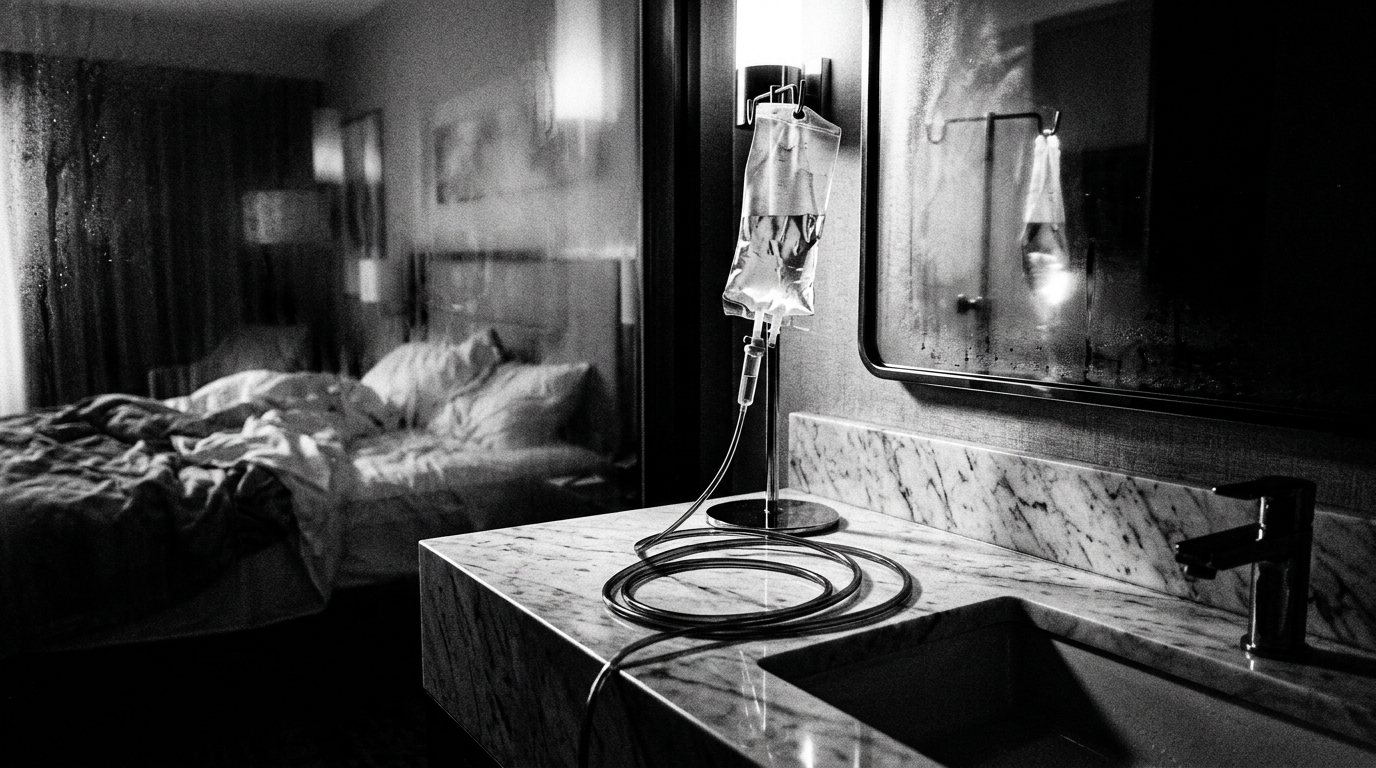
But here's where my 40 years of watching hotels chase revenue categories starts flashing warning lights. The "longevity" label is doing a LOT of heavy lifting right now, and some of what's underneath it is solid and some of it is... let's be generous and say "aspirational." Hyperbaric oxygen therapy has some legitimate emerging research behind it. A 2020 study showed measurable reversal of certain cellular aging markers. That's real science. IV therapy for specific deficiencies is established medicine. But the leap from "this has medical applications under clinical supervision" to "we'll drip NAD+ into your arm in a hotel room while you watch Netflix" is a leap that skips over a few important things. Like medical oversight. Like liability. Like the fact that a University of Bath study found consumer CBD products showed no evidence of reducing chronic pain and flagged concerns about labeling accuracy and harmful contaminants. Hotels are stocking this stuff in minibars. Eighty-one rooms at a London property, CBD gummies in every single one. Nobody's asking what happens when a guest has a reaction at 2 AM and your night auditor is the only person in the building.
This is what I call the Brand Reality Gap... what gets sold in the marketing suite and what has to be delivered shift by shift on the ground floor. The brand sells "longevity laboratory." The property delivers a $200 IV drip administered by... whom? A registered nurse on contract? A "wellness associate" with a weekend certification? What's your professional liability coverage look like when you're essentially offering quasi-medical services in a hospitality setting? I've watched this pattern before with different packaging. Hotels added juice bars (had to staff them). Hotels added fitness programming (had to hire trainers). Hotels added "sleep science" rooms (had to buy mattresses). Each wave had a revenue premium attached, and each wave had an operational reality that was messier than the vendor pitch. This wave is messier than all of them because you're not selling comfort or convenience. You're selling health outcomes. That's a fundamentally different promise, and the liability profile is fundamentally different too.
None of this means you should ignore the trend. The money is real. The guest demand is real. But the operators who are going to win here are the ones who figure out which wellness investments actually drive revenue at their specific property, with their specific staffing model, in their specific market... and which ones are just expensive theater that looks great on the website and creates a liability time bomb at the front desk. A yoga program with a contract instructor three mornings a week? That works at almost any full-service property. A hyperbaric oxygen chamber requiring medical supervision in a market where you can't reliably staff a front desk? That's a press release, not a business plan. Know the difference.
If you're a GM or owner looking at wellness as a revenue play (and you should be), here's what to do this month. First, call your insurance broker before you call any wellness vendor. Ask specifically about professional liability coverage for services that involve ingestion, injection, or medical-adjacent equipment. Get the answer in writing. Second, run the Deliverable Test on any wellness concept you're considering: can your current team execute it safely on a Tuesday night with minimum staffing? If the answer involves hiring a specialist you don't have budget for, shelf it until the math works. Third, start with what actually moves the needle without the liability exposure... upgraded fitness amenities, sleep-focused room packages, wellness-oriented F&B with real margin. The properties generating that 67% revenue premium aren't all running oxygen chambers. Most of them just stopped treating wellness like a spa line item and started treating it like a revenue strategy. That's the move. The hyperbaric chamber can wait until you've figured out who's standing next to it when something goes wrong.
