Today · Apr 1, 2026
Xenia's $1M Renovation Hit Looks Small. The Real Number Is the One They're Not Disclosing.

Xenia's $1M Renovation Hit Looks Small. The Real Number Is the One They're Not Disclosing.

Xenia Hotels says renovation disruptions will cost $1 million in adjusted EBITDA this year against $70-80 million in capital spending. That ratio tells a story about guidance construction that every REIT investor should decompose before taking it at face value.

Available Analysis

$1 million. That's what Xenia Hotels says its 2026 renovation program will cost in adjusted EBITDAre disruption. The company is spending $70-80 million in capital this year, launching guest room overhauls at two luxury properties and partial renovations at a third, plus infrastructure work across ten more hotels. And the total disruption impact they're guiding to is $1 million.

Let's decompose this. Xenia owns 30 properties totaling 8,868 rooms. The $70-80 million CapEx midpoint is $75 million, or roughly $8,460 per key across the portfolio. The $1 million EBITDA disruption against $260 million in guided adjusted EBITDAre is 38 basis points. For context, the company's same-property RevPAR guidance range is 1.5%-4.5%... a 300 basis point spread. The renovation disruption they're disclosing fits inside the rounding error of their own revenue forecast. Either Xenia has perfected the art of renovating luxury hotels without displacing revenue (possible but unlikely at properties like a Ritz-Carlton), or the $1 million figure reflects a very specific definition of "disruption" that excludes costs most operators would consider real.

The number I'd want to see is displacement revenue. When you take rooms offline at a Ritz-Carlton or an Andaz during renovation, you lose the room revenue, the F&B attached to those occupied rooms, and the ancillary spend. Xenia's F&B mix runs 44% of total revenue... highest among lodging REIT peers. That means every displaced room at these properties carries a heavier revenue shadow than the industry average. A portfolio where food and beverage is nearly half the top line doesn't lose $1 million when it starts gutting guest rooms at two luxury flagships. It loses $1 million in whatever narrow category they chose to disclose.

The smarter read here isn't the renovation disruption. It's the expense line. Xenia guided 4.5% operating expense growth against that 1.5%-4.5% RevPAR range. At the midpoint (3% RevPAR growth vs. 4.5% expense growth), that's margin compression. The renovation disruption gets the headline, but the structural cost creep is the finding. Analysts have a consensus "Hold" at $14. A director sold 151,909 shares in February at $15.73. The people closest to the numbers are not behaving like the $1 million figure tells the whole story.

I'll note the precedent. Xenia's Grand Hyatt renovation delivered a 60% RevPAR increase and an expected $8 million EBITDA uplift. The math on that one worked. But one successful renovation doesn't mean every renovation pencils the same way. The Fairmont they sold for $111 million last year... they sold specifically to avoid $80 million in CapEx. That's a company that knows some renovations don't pencil. The question for 2026 is whether the $70-80 million they're spending ends up looking like the Grand Hyatt or like the Fairmont they walked away from. The $1 million disruption figure is the number they want you to focus on. The expense growth rate is the number that will determine whether owners see actual returns.

Operator's Take

Here's the thing about renovation disruption guidance from REITs... it's always the smallest defensible number. I've seen this movie before. If you're an asset manager or owner with properties going through capital programs this year, don't build your projections off someone else's optimistic disclosure. Build them off your actual displacement schedule, room by room, week by week. Take your F&B revenue per occupied room and multiply it by every night you're taking offline. That's your real disruption number. And while you're at it, stress-test your expense growth against the low end of your RevPAR forecast, not the midpoint. This is what I call the Renovation Reality Multiplier... the promised disruption timeline and the real one are rarely the same document. Plan for the real one.

— Mike Storm, Founder & Editor
Read full analysis → ← Show less
Source: Google News: Xenia Hotels
14,000 Cladding Fixes on a Brand-New Hotel. That's Not a Punch List. That's a Warning.

14,000 Cladding Fixes on a Brand-New Hotel. That's Not a Punch List. That's a Warning.

A 189-key Hilton in the UK needs 14,000 exterior panel fixes barely a year after opening, and the contractor is eating the cost. If you think this is just a British construction story, you haven't looked at your own building envelope lately.

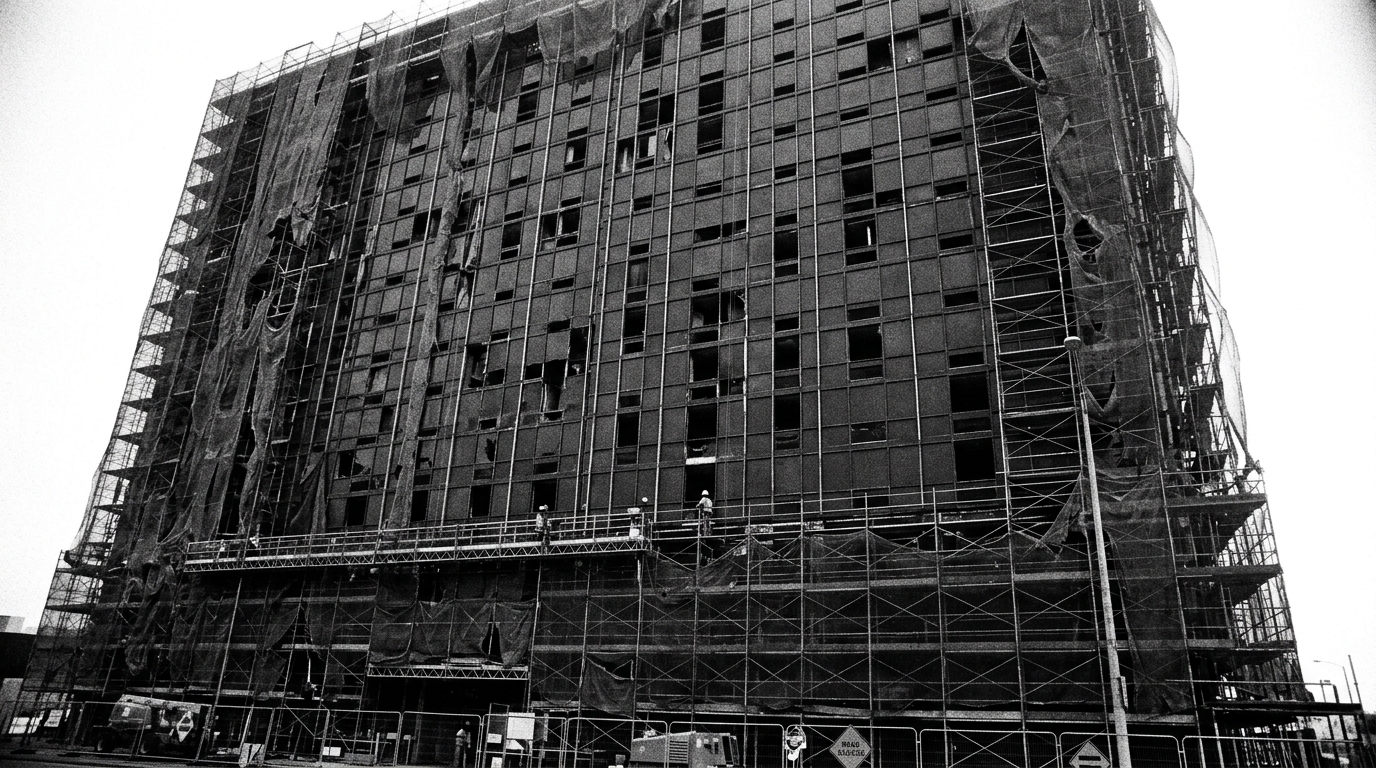
A 23-story, 189-key Hilton opened in late 2024 as the crown jewel of a £540 million mixed-use development in Woking, England. Panels started falling off the building in 2021... three years before the hotel even opened. Let that sit for a second. The cladding was failing during construction, and they opened anyway. A temporary fix last spring addressed about 2,000 of the roughly 4,000 exterior panels. Now the permanent solution requires installing over 14,000 revised fixings across the entire facade. Six months of work. Road closures. And the main contractor, Sir Robert McAlpine, is footing the bill under their design-and-build contract.

Here's where this gets interesting for anyone who operates or owns a hotel built in the last decade. The UK has been dealing with building envelope failures since the Grenfell Tower tragedy in 2017, and the regulatory response has been massive... combustible cladding bans on buildings over 18 meters, extended specifically to hotels in December 2022. Remediation costs across the UK run £1,318 to £2,656 per square meter. The government has committed £5.1 billion, but the estimated total bill is £16.6 billion. Those numbers tell you the scope of the problem. And while this specific failure isn't about combustibility (it's about panels physically detaching from the building), the underlying lesson is the same: building envelope failures on newer properties are not theoretical risks. They're happening. Regularly.

I've seen this pattern play out stateside more times than I'd like. A property opens with fanfare, the punch list supposedly gets cleared, and eighteen months later you've got water intrusion behind the curtain wall or facade panels that weren't rated for the actual wind load at elevation. The contractor points at the architect. The architect points at the specs. The owner's lawyer points at everyone. Meanwhile, the GM is dealing with road closures, scaffolding that makes the entrance look like a construction site, and guests asking if the building is safe. The revenue impact of six months of scaffolding on a 189-key property isn't theoretical... it's real money walking across the street to a competitor that doesn't look like it's under renovation.

What makes the Woking situation instructive is the ownership structure. The local borough council owns the hotel through a holding company. Hilton operates it under a management agreement and collects a fee. The council doesn't receive hotel income directly... it flows through the holding entity, which pays Hilton. So when the cladding fails, the management company keeps collecting its fee (their contract doesn't care about your facade), the contractor absorbs the remediation cost (for now... these things have a way of ending up in court), and the owner... the council, backed by taxpayers... holds the risk on any revenue disruption during six months of construction. That's the alignment gap in three sentences. The entity absorbing the pain isn't the entity that built the building or the entity operating it.

If you own or manage a property built in the last 15 years, especially anything above four stories with a modern rainscreen or curtain wall system, this is your wake-up call. Not to panic. To inspect. Building envelope warranties have specific timelines and specific exclusion language. If you haven't had an independent facade inspection (not from the original contractor... independent), you're trusting the people who built it to tell you whether they built it right. I've been around long enough to know how that usually works out.

Operator's Take

If you're a GM or asset manager at a property built after 2010 with any kind of panel facade system, pull your original construction warranty this week. Check what's covered, what's excluded, and when it expires. Then schedule an independent building envelope inspection... not through your contractor, through a third-party facade consultant. The cost is negligible compared to the alternative. If you're at a managed property, bring this to your owner proactively with the inspection scope and cost already figured out. This is what I call the CapEx Cliff... deferred envelope maintenance doesn't announce itself gradually. It announces itself when panels start hitting the sidewalk. The owner who gets ahead of this looks like they're running the building. The one who waits for the phone call from risk management looks like they weren't paying attention.

Read full analysis → ← Show less
Source: Google News: Hilton
$100 Million on a Fake Beach in Texas. Let's Talk About What That Actually Buys.

$100 Million on a Fake Beach in Texas. Let's Talk About What That Actually Buys.

Woodbine just finished pouring nine figures into a Hill Country resort that now has a 2.2-acre lagoon, new villas, and 35 golf bays. The question every resort owner in America should be asking isn't whether it looks amazing... it's whether the math works at $191K per key.

I've seen a lot of renovation announcements in 40 years. Most of them follow the same script. Beautiful renderings. Excited quotes from the GM. A number big enough to make the press release feel important. And then... silence. Nobody ever goes back two years later to check whether the $100 million actually showed up on the top line.

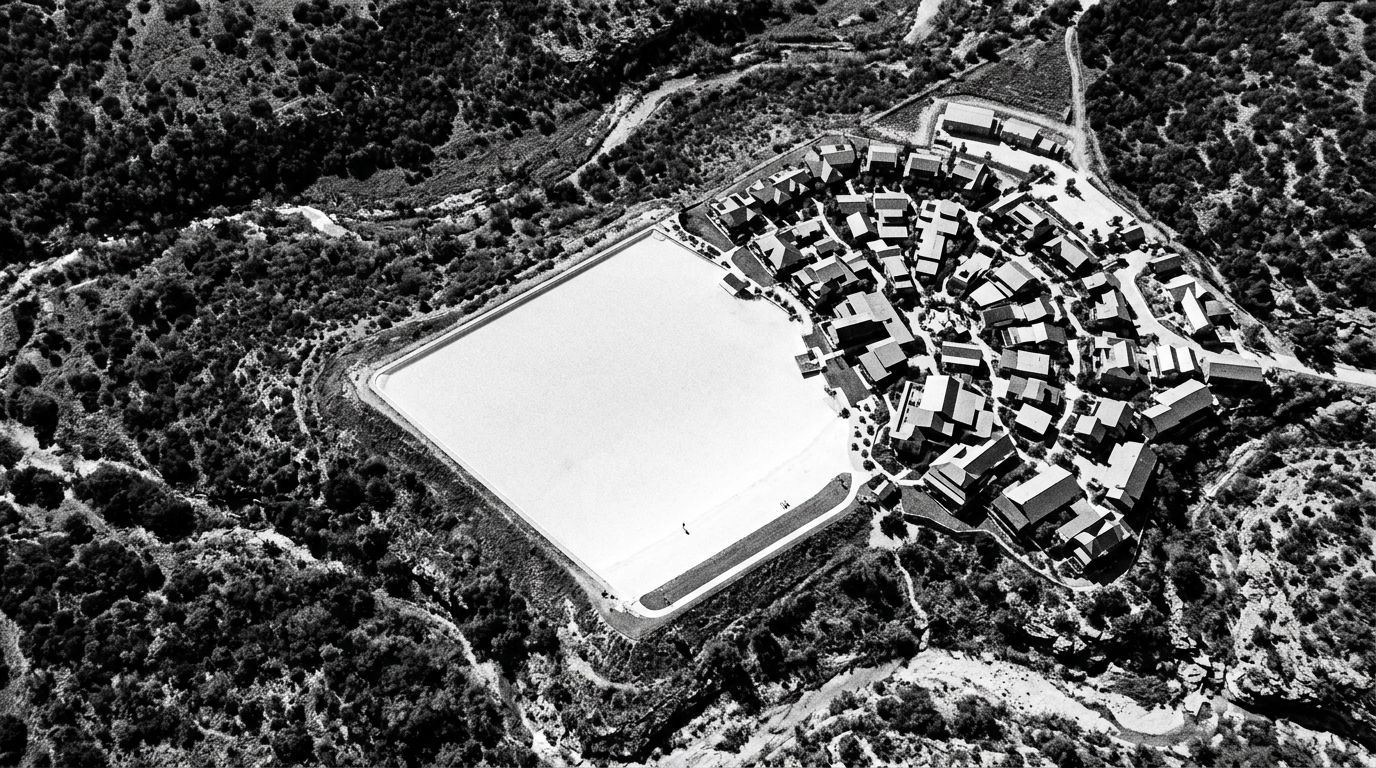
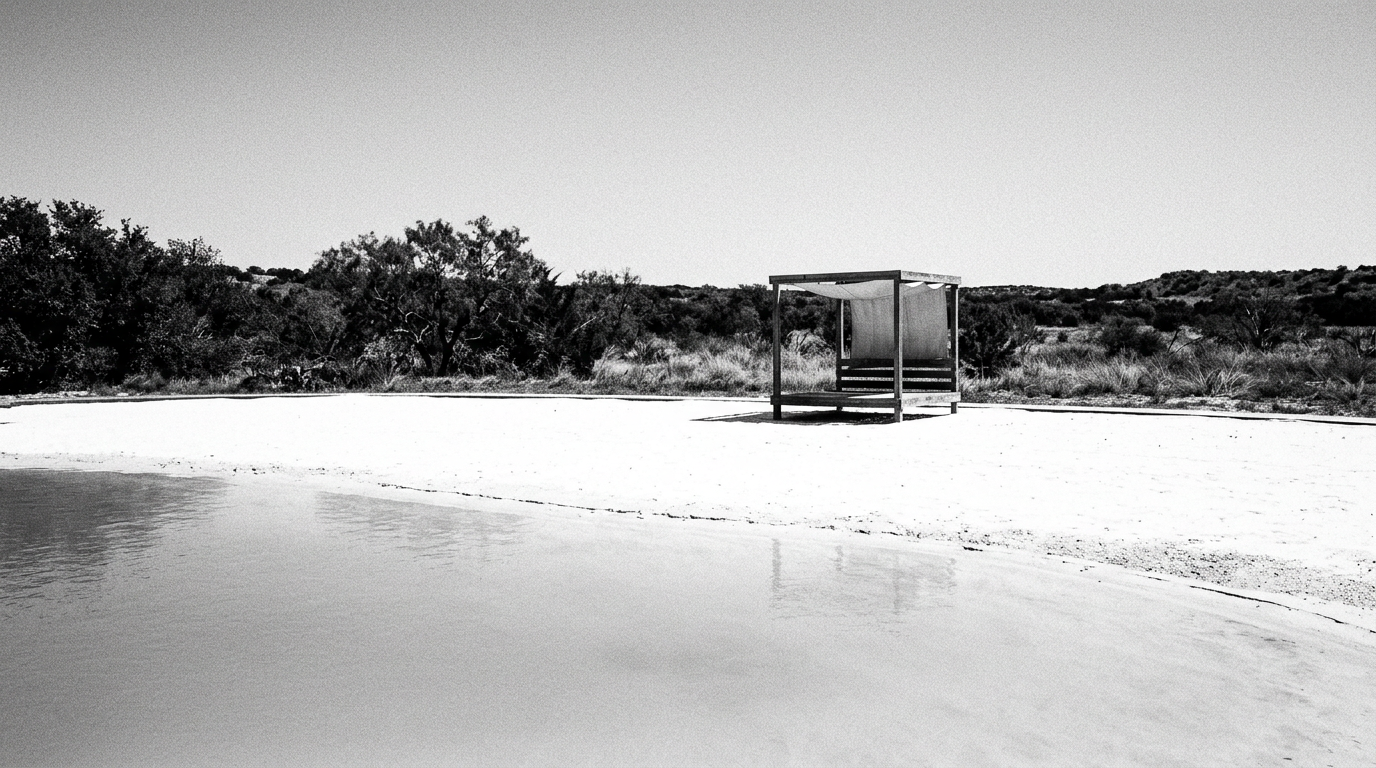
So let's do what nobody else is going to do with this one. Hyatt Regency Hill Country... 522 rooms on 300 acres outside San Antonio... just wrapped a three-year, $100-million-plus renovation. That's roughly $191,000 per key. For context, you can build a new select-service hotel for less than that per key in most secondary markets. Now, this is a full-service resort with a spa, a golf club, and event space, so the comparison isn't apples to apples. But the number tells you something about the bet Woodbine is making. They're not refreshing this property. They're repositioning it. The centerpiece is a 2.2-acre manufactured lagoon (Crystal Lagoons technology, for those keeping score), five standalone villas, a new waterfront event venue, and 35 Toptracer golf bays. They finished the guestrooms back in 2023. The spa got done in 2025. The lagoon and the rest just wrapped this month. Three years of construction at an operating resort. If you've never lived through that as a GM, let me paint the picture for you... it's managing guest expectations while jackhammers run 50 yards from your pool deck. Every single day. For three years.

Here's where my brain goes. That lagoon is the play. Everything else... the villas, the golf bays, the event space... those are nice. They're incremental. But the lagoon is the thing that's supposed to change the revenue story. A beach experience in central Texas. First of its kind in the middle of the country. That's genuinely differentiated. I'll give them that. The question is what it costs to operate. I worked with a resort years ago that built an elaborate water feature as the centerpiece of a $30 million renovation. Looked spectacular on the website. Cost them $400,000 a year in maintenance, chemicals, staffing, and insurance they didn't budget for. The feature paid for itself in rate premium during peak season and bled money from November through February. Nobody modeled the off-season maintenance costs because the feasibility study was done by the people selling the feature. I'm not saying that's what's happening here. I'm saying that's the question you should be asking. What does a 2.2-acre lagoon cost to maintain in a Texas climate where summer temps hit 105 and winter can dip below freezing? What's the staffing model for cabana service, water sports, and beach maintenance? What happens to utilization in January? The press release doesn't mention any of this. They never do.

The other thing nobody's talking about is Hyatt's position in this deal. They don't own the dirt. Woodbine does. Woodbine built this resort in 1993 and just spent $100 million updating it. Hyatt manages it and collects fees. This is the "asset-light" model that Wall Street loves... Hyatt gets the upside of a stunning resort in their portfolio without $100 million of their own capital at risk. Good for Hyatt. Good for their 6-7% net rooms growth guidance. But the owner is the one who has to earn that money back through rate premium, occupancy gains, and group business. At $191K per key, you need meaningful RevPAR improvement to generate an acceptable return. The San Antonio luxury market is getting more competitive (there's new supply coming), and group business is rate-sensitive even at the high end. If Woodbine can push ADR $40-50 and hold occupancy, the math probably works. If the lagoon turns out to be a seasonal attraction that doesn't move the needle from October through March... that's a lot of capital sitting in chlorinated water.

Look... I'm not here to trash this project. It might be brilliant. The resort needed updating (the rooms were renovated first, which tells you they were overdue). The lagoon is genuinely unique. The villas add a high-margin product type. The Toptracer bays are smart because they turn a cost center (golf operations) into an entertainment revenue stream. There's a real strategy here. But $100 million is $100 million, and every resort owner in America is going to see this headline and start dreaming about their own lagoon, their own signature amenity, their own "experiential transformation." Before you call your architect, do the math. Not the revenue projection the vendor gives you. The REAL math. The maintenance costs, the staffing model, the off-season utilization, the insurance premium, and the incremental revenue you can actually prove with comp set data. Then decide. The lagoon looks beautiful. But beautiful doesn't pay debt service.

Operator's Take

If you're a resort owner looking at a major amenity investment, do me a favor. Before you greenlight anything, get your chief engineer and your director of finance in the same room and make them build the maintenance and operating cost model together. Not the vendor's model. YOUR model. Include staffing, insurance, seasonal utilization assumptions, and a realistic ramp-up period. If the project still pencils with 30% lower revenue assumptions than the feasibility study... you might have something. If it only works in the best case... you're buying a very expensive Instagram backdrop.

Read full analysis → ← Show less
Source: Google News: Hyatt
Park Hotels' 2026 EBITDA Guide Tells You Exactly What Ownership Is Betting On

Park Hotels' 2026 EBITDA Guide Tells You Exactly What Ownership Is Betting On

Park Hotels is guiding $580-$610M in Adjusted EBITDA for 2026 after posting $609M in 2025, which itself was a 6.6% decline from 2024's $652M. The headline says "modest growth." The math says something more complicated.

Available Analysis

Park Hotels & Resorts posted $609M in Adjusted EBITDA for 2025, down from $652M in 2024. Their 2026 guide is $580-$610M. The midpoint of that range is $595M... which is a decline from 2025, not growth. The only scenario where 2026 shows improvement over 2025 is if they hit the top of the range exactly. That's a very specific definition of "modest growth."

Let's decompose what's actually happening. Comparable RevPAR fell 2% in 2025. They took $318M in impairment charges on non-core hotels. They spent nearly $300M in capital expenditures, including $110M in Q4 alone. They sold five properties for $198M. And in January 2026, they closed on a 193-room property in downtown Los Angeles for roughly $13M... which is $67K per key for an urban full-service asset. That per-key number tells you everything about what the buyer thought of the asset's income potential (and what Park thought about its future in their portfolio).

The strategic thesis is straightforward: sell the bottom, renovate the middle, concentrate on the top. Since spinning off from their parent company in 2017, Park has disposed of 51 hotels for over $3B. The remaining 34-property portfolio (roughly 23,000 rooms) leans upper-upscale and luxury, with 21 "Core" hotels generating approximately 90% of Hotel Adjusted EBITDA. The $100M renovation on their South Beach asset is the flagship bet... management expects it to double that property's EBITDA to nearly $28M once stabilized, implying a 15-20% return on invested capital. That's a strong projected return. I'd want to see the stabilized number before I celebrated it (projected ROI on renovations has a way of compressing once you account for the ramp period and displacement revenue loss that somehow never makes it into the investor presentation).

The part that should concern REIT investors: the 2026 CapEx plan is another $230-$260M. Combined with 2025's $300M, that's over half a billion dollars in two years of capital deployed into the portfolio. The FFO guide of $1.73-$1.89 per share sits against a stock trading around $13. That's a 13-14.5% FFO yield, which looks generous until you factor the leverage profile and the consensus "Reduce" rating from 13 analysts. When the majority of the Street says reduce and the FFO yield is that high, the market is pricing in risk that the company's own guidance doesn't fully articulate.

The 2025 net loss of $(277M) is mostly noise... $318M in impairment charges will do that. But impairment charges aren't nothing. They're management's admission that the carrying value of certain assets exceeded their recoverable amount. Translation: some of these hotels are worth less than what the books said. The dispositions confirm it. When you sell a property at 17x trailing EBITDA and the buyer is getting it for $67K per key, the seller isn't extracting premium. The seller is exiting.

Operator's Take

Look... if you're an asset manager or an owner watching Park's playbook, there's a lesson here that goes beyond one REIT's earnings call. They're spending half a billion dollars in two years on renovations while simultaneously selling assets at what I'd call "thank you for taking this off our hands" pricing. That tells you the spread between premium assets and commodity assets is widening. If you own upper-upscale or luxury in a gateway market, this is your moment to invest in your product and capture rate. If you own a 20-year-old select-service in a secondary market with a PIP coming due, Park just showed you what the institutional money thinks your asset class is worth. Have that conversation with your lender now, not later.

— Mike Storm, Founder & Editor
Read full analysis → ← Show less
Source: Google News: Park Hotels & Resorts
A Pool Cleaner Won at CES. Your Maintenance Budget Doesn't Care.

A Pool Cleaner Won at CES. Your Maintenance Budget Doesn't Care.

Fairland Group's iGarden M1 Pro Max won a CES 2026 Innovation Award as the "world's first bionic dual-vision pool cleaner." Unless you're running a resort with significant pool infrastructure, this is noise — not news.

Here's the thing nobody's telling you: CES awards get thrown around like Halloween candy. Every January, hundreds of gadgets win "Innovation Awards" in categories so narrow they're practically manufactured for the product itself. This year it's a pool cleaner with dual cameras and AI that supposedly cleans better than existing robotics.

I've been through enough pool equipment cycles to know what matters. Does it reduce labor hours? Does it cut chemical costs? Does it prevent that 2pm guest complaint about debris when your maintenance guy is at the other property? Those are the questions. A press release correction about pricing doesn't answer any of them.

The real story here is how far pool automation has come in the past five years. If you're running a select-service property with a basic 20x40 pool, you're probably fine with your current $800-1,200 robotic cleaner that you replace every 3-4 years. But if you're operating a resort with multiple pools, splash pads, and lazy rivers — the kind where pool maintenance is a 2-3 FTE operation — then yes, better robotics matter. They matter at budget time, they matter during labor shortages, and they matter when TripAdvisor reviews mention "dirty pool" and your occupancy drops 4 points.

But a CES award? That tells me nothing about warranty claims, parts availability, or whether this thing actually works in a commercial environment with 200 guests a day putting sunscreen, drinks, and God knows what else in your water. I need to see 12-18 months of real-world deployment data before I'm telling any GM to budget for bleeding-edge pool tech.

Operator's Take

If you're already shopping for new pool equipment, put this on your list to evaluate — but wait for independent third-party testing, not awards and press releases. If your current robotics are working fine, spend that capital budget on something that actually impacts RevPAR. A clean pool matters. An award-winning pool cleaner? Prove it to me with lower labor costs first.

Read full analysis → ← Show less
Source: PR Newswire: Travel & Hospitality
End of Stories