80% of Host City Hotels Are Tracking Below World Cup Forecasts. Summer Just Got Complicated.
Hotel owners in 11 FIFA World Cup host cities were told to expect a once-in-a-generation demand surge. The AHLA's new survey says 80% of them are watching bookings come in below forecast, and the international visitors everyone was counting on aren't coming.
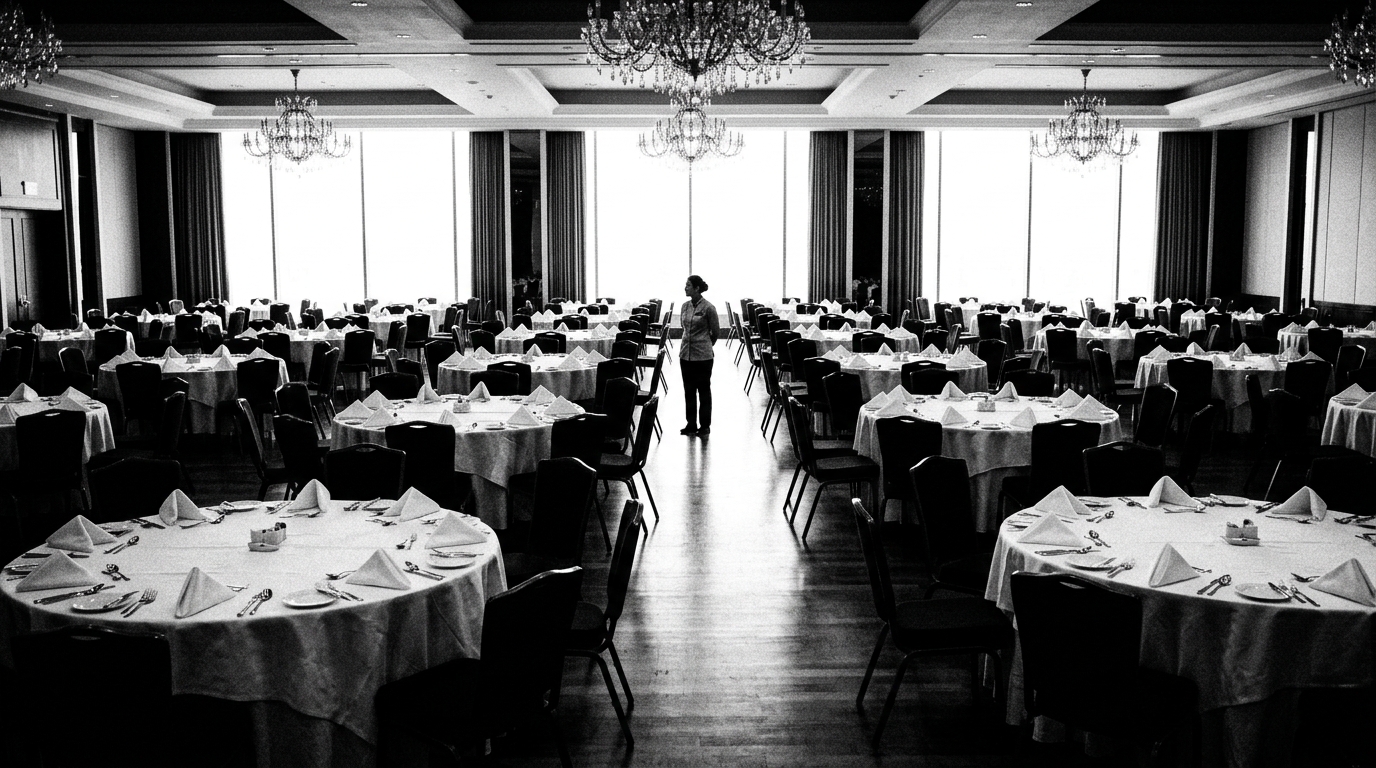
I knew a GM in a secondary market once who spent $180,000 renovating his bar and lobby lounge because the city landed a major sporting event. New furniture, new lighting, new cocktail menu, the works. He was going to capture all that international walk-in traffic. The event came and went. His regulars loved the new bar. The international wave never showed up. He spent two years paying off furniture for a party that happened somewhere else in town.
That story keeps replaying in my head this week.
The AHLA just dropped survey results from hoteliers across all 11 U.S. host cities for the 2026 FIFA World Cup, and the numbers are ugly. Eighty percent of respondents say bookings are tracking below initial forecasts. Between 65% and 70% cite visa barriers and geopolitical concerns as the primary reasons international demand hasn't materialized. And here's the detail that should make every revenue manager in a host city sit up straight... roughly half of surveyed hoteliers report that FIFA has released material room blocks it had previously committed to. Those blocks created an early demand signal that looked real. It wasn't. It was a placeholder that evaporated.
Let's talk about what this means at property level, because the national story misses the texture. Kansas City is getting crushed... 85% to 90% of hoteliers there say bookings are below expectations. Boston, Philly, San Francisco, Seattle... nearly 80% are calling the tournament a "non-event" for their hotels. Even the stronger markets (Dallas, Houston, LA, New York) are running 60% to 70% below World Cup projections, though in some cases that puts them roughly in line with normal summer demand. Which means the World Cup premium they priced into their rate strategy? It's not there. Meanwhile, rates in host cities are up 55% year-over-year on World Cup dates, but occupancy for those same dates is still in single digits. Read that again. Rates are up 55%. Occupancy is in single digits. That is a rate correction waiting to happen, and every day you wait to adjust is a day you're losing pickup to the hotel down the street that already did.
The deeper problem isn't FIFA or even the visa situation (though both are real factors). The deeper problem is that the original economic projections were fantasy math from the start. FIFA's own president projected $30.5 billion in U.S. economic output and anticipated a roughly even split between domestic and international visitors. The Congressional Research Service reported in early May that international tourism to the U.S. declined 5.5% in 2025, and non-citizen air arrivals in January 2026 were still running nearly 13% below January 2019 levels. Nobody who was paying attention to the inbound travel data should be surprised that the international demand wave isn't showing up. The data has been telling this story for months. The projections just chose to ignore it. This is what I call the National Number Trap... someone in a boardroom builds a model based on aggregate projections, and the hotel three miles from the stadium is supposed to build a business plan around it. Your comp set is the forecast that matters. The FIFA economic impact number never was.
Here's what I think happens next. The properties that priced aggressively for World Cup dates and haven't seen the pickup are going to face a brutal choice in the next 30 to 45 days. Drop rate and try to capture what domestic demand exists, or hold rate and watch the rooms go empty. If you drop, you risk repricing your market for the rest of the summer. If you hold, you eat the vacancy. Neither option is great. But one of them is recoverable and the other one leaves money on the table permanently. I know which one I'd choose. And I know which one most revenue managers are going to be pressured into by ownership groups that were already counting on World Cup revenue in their 2026 budgets.
If you're a GM or revenue manager in a host city, this is a right-now conversation. Pull your World Cup date pickup reports today. Compare where you are against your budget and against the same dates last year. If you're holding rate at a 55% premium with single-digit occupancy on those dates, you need to have an honest conversation about where the floor is... because the demand composition has shifted from international to domestic, and domestic travelers are more rate-sensitive and book closer in. Adjust your rate strategy now while there's still time to capture pickup, and build a 30-day tactical plan that doesn't depend on international walk-ins who aren't coming. If you already spent CapEx or marketing dollars based on World Cup projections, document the variance between what was projected and what materialized... that paper trail matters when your owner asks what happened. Be the one who brings this to your ownership with a plan already attached. Not the one who waits to be asked why June came in short.