Today · Sep 21, 2026
When Your Hotel's SEO Gets So Bad It Thinks You Moved to Australia

When Your Hotel's SEO Gets So Bad It Thinks You Moved to Australia

The Dunhill Hotel in Charlotte, NC is getting hammered in search results with bizarre geographic confusion. It's a cautionary tale about what happens when you treat SEO like a 'set it and forget it' amenity.

There's a Google News listing right now that says The Dunhill Hotel in Charlotte is in Australia.

Not metaphorically. Not as a joke. The actual search result — the thing potential guests see when they're looking for boutique hotels — lists this historic North Carolina property as being in Charlotte, Australia.

Except there is no Charlotte, Australia.

This is what digital abandonment looks like in 2025. And if you think it's just a harmless glitch, you're missing the point entirely.

The Dunhill is a 60-room boutique in Charlotte's South Park neighborhood. Historic property. Prime location. The kind of hotel that should own the "boutique hotel Charlotte NC" search real estate. Instead, it's showing up in mangled Tripadvisor aggregations that make it look like the property management gave up sometime in 2019.

Here's the thing nobody talks about: Google doesn't just misunderstand your hotel overnight. This is the digital equivalent of peeling paint and a burned-out marquee bulb. It happens slowly, then all at once, because someone decided SEO was IT's problem, or the brand's problem, or next quarter's problem.

I've watched this movie before. When I was at the Millennium properties, we had a Nashville hotel that kept showing up in searches for a completely different Millennium in New York. Took six weeks to untangle because three different vendors were managing three different listing platforms, none of them talking to each other. Cost us eighteen confirmed bookings we could trace. God knows how many we never saw.

The "holy shit" moment? According to recent hospitality marketing data, 73% of travelers won't book a hotel if they encounter incorrect information in the first three search results. Not "might not book." Won't book. They're gone.

And here's what makes this particularly brutal for boutique properties: You don't have the brand recognition safety net. A confused Marriott listing still says "Marriott." A confused boutique listing looks like a scam.

So how does The Dunhill — or any hotel — end up in Australia when it's firmly planted in North Carolina?

Usually it's a cascade of small failures:

**First**, someone updated the Google Business Profile without checking how it federated to Tripadvisor, Bing, and Apple Maps. Or maybe nobody's claimed the Tripadvisor listing in years, so it's pulling ancient data from some third-party scraper.

**Second**, the property's structured data markup (the code that tells search engines what information means) is either missing, outdated, or conflicting across platforms. Maybe the website says one thing, the booking engine says another, and Google just shrugs and picks the weirdest option.

**Third** — and this is the killer — there's no single person whose job it is to notice. The GM thinks marketing handles it. Marketing thinks IT handles it. IT thinks it's the brand's responsibility. Meanwhile, your hotel is touring the Southern Hemisphere.

The fix isn't complicated, but it is tedious:

— Claim and verify every single listing on every platform. Yes, even the obscure ones. Especially the obscure ones, because those are what Google's algorithm scrapes when it's confused.

— Implement consistent structured data across your entire web presence. Schema.org markup for hotels exists for exactly this reason.

— Set up Google Search Console alerts so you know immediately when something breaks.

— Assign ownership. One person. One throat to choke. "Digital presence manager" or whatever you want to call it, but someone who wakes up thinking about this.

The depressing part? The Dunhill probably has no idea this is happening. They're busy running an actual hotel — managing staff, fixing HVAC, dealing with the seventy fires that break out before lunch. By the time someone notices the search results are cooked, you've already lost weeks or months of potential bookings to competitors whose biggest operational advantage is that they googled themselves recently.

Operator's Take

For independent and boutique operators: Google your property right now. Not on your computer — on your phone, in incognito mode, from a different city if you can. See what guests actually see. If you find anything that makes you say 'what the hell,' you've got 48 hours to fix it before it costs you the next booking. This isn't marketing theater. It's revenue protection, and it belongs in your weekly ops checklist right between labor reports and maintenance logs.


Read full analysis → ← Show less
Source: Google News: Boutique Hotels
Quiet Luxury Is Just Premium Service Without the Instagram Moment

Quiet Luxury Is Just Premium Service Without the Instagram Moment

Avantgarde Refined Bodrum is betting guests will pay top dollar for what the industry used to call 'good hospitality.' They're probably right—and that should terrify you.

The first time a guest asked me to remove the property logo from their bathrobes before packing them, I thought it was weird. This was 2019, pre-pandemic, at a luxury property where our logo was our whole brand. The guest—hedge fund guy, three-night stay, $8K total—explained it simply: "I don't advertise for anyone."

That moment just became a business model.

Avantgarde Refined Bodrum is the latest entry in what the industry is calling "quiet luxury"—hospitality stripped of logos, Instagram walls, and anything designed to be shared. No signature cocktails with dry ice. No lobbies that look like art galleries. Just exceptional service delivered so seamlessly that guests forget it's happening.

Here's the thing nobody's saying out loud: this isn't innovation. This is literally what luxury hospitality was before we decided every moment needed to be Instagrammable. We took classic service standards, removed them to cut costs, then realized we could charge a premium to add them back with a new name.

The property features what they're calling "understated elegance"—which in practice means high thread counts, neutral palettes, and staff trained to anticipate needs without being noticed. The kind of hospitality that used to be called "five-star" before five-star became synonymous with ostentatious.

But here's your holy shit moment: it's working. Bodrum's luxury market is exploding with guests who've realized that photos of their vacation create more anxiety than memories. They're actively seeking properties that won't end up in their social feed. Properties where other guests aren't performing for content.

The cynical read? We gutted our service standards, replaced them with selfie walls and "experiences," then realized actual rich people will pay more for what we used to do anyway.

The realistic read? A significant segment of luxury travelers is exhausted by the performance of luxury. They want hotels that feel like exceptionally well-run private homes, not sets designed for content creation. They want your staff to remember their coffee order, not their Instagram handle.

What makes this particularly interesting for coastal Turkey is the competition. Bodrum's hotel scene has been racing toward bigger, louder, more Instagrammable for a decade. Infinity pools that photograph well but are too cold to swim in. Beach clubs that are actually nightclubs. Restaurants designed for photos, not dining.

Avantgarde is zagging hard against that trend. No kids under 16. No music by the pool. No signature anything. Their restaurant doesn't even have a separate name—it's just "the restaurant."

This should make every operator with a "social media strategy" deeply uncomfortable. Because if quiet luxury becomes the actual luxury, what are you left with? A bunch of neon signs and photo ops that appeal to... who exactly? The mid-market traveler who can't afford you anyway?

The dirty secret of hospitality is that we spent twenty years training guests to expect less while paying more. We removed turndown service and called it eco-friendly. We understaffed front desks and called it "self-service." We replaced concierges with QR codes and acted like it was innovation.

Now properties like Avantgarde are simply offering what used to be standard—attentive service, quality materials, staff empowered to solve problems—and charging a premium because everywhere else forgot how.

The question isn't whether quiet luxury is a trend. The question is whether your property can actually deliver it. Because it's not about removing your logo from the bathrobes. It's about having staff who notice when a guest needs something before they ask. It's about quality so consistent it becomes invisible. It's about systems so refined that luxury feels effortless.

Most properties can't do this. Not because of budget—though that's the excuse they'll use. But because it requires the one thing Instagram-era hospitality abandoned: genuine operational excellence. The kind that doesn't photograph well but guests remember for years.

Turkey's coastal luxury market is about to stratify hard. Properties that can deliver seamless service will capture the actual luxury traveler. Everyone else will be left fighting over the mid-market guest with a ring light.

Operator's Take

For boutique coastal properties: If your entire brand identity lives on Instagram, you don't have a brand—you have a photo studio that happens to rent rooms. Quiet luxury isn't about removing logos; it's about building service standards so strong that guests brag about your staff, not your aesthetic. Start by asking: if we lost our social media tomorrow, what would we be known for? If the answer is nothing, you've already lost the luxury traveler. They've moved on to properties that remember what hospitality actually means.

Read full analysis → ← Show less
Source: Google News: Boutique Hotels
Allianz Buys 400K Shares of RLJ — Here's What Institutional Money Sees

Allianz Buys 400K Shares of RLJ — Here's What Institutional Money Sees

When a European institutional investor drops millions into a struggling U.S. hotel REIT, they're not being charitable. Allianz Asset Management just took a 401,189-share position in RLJ Lodging Trust, and the timing tells you everything.

Let me be direct: institutional money doesn't chase momentum in hotel REITs. They wait for blood in the streets, then they back up the truck. Allianz just bought into RLJ while the stock's been getting hammered — down nearly 30% over the past year while better-positioned lodging REITs are holding steady or climbing.

I've seen this movie before. Back in 2009-2010, when I was running a 280-room full-service in Chicago during the financial crisis, the smart money wasn't buying when things looked good. They were circling properties and portfolios that had solid bones but were getting crushed by market sentiment. RLJ's portfolio — focused on upscale select-service and extended-stay in secondary markets — is exactly the kind of thing European institutional investors love when they think the discount's deep enough.

Here's what nobody's telling you: Allianz manages over $600 billion. They don't make accidental bets. When they take a position like this, they've already modeled out what happens when leisure demand normalizes, when business transient comes back to those extended-stay properties, and when cap rates compress as interest rates stabilize. They're not buying the present — they're buying 2027-2028.

The math on RLJ's portfolio has always been decent. Mostly franchised, mostly select-service, mostly markets where land and construction costs make new supply difficult. The problem's been capital allocation and timing. But if you're Allianz and you can buy the whole portfolio at a 20-30% discount to replacement cost? That's not speculation. That's arbitrage.

Your owners are watching this. If they're sophisticated, they're asking why institutional money is getting comfortable with upscale select-service in secondary markets while everyone's still chasing the coastal trophy assets. The answer: because the boring middle-market stuff actually produces cash flow when you're not overpaying for it.

Operator's Take

If you're running select-service or extended-stay properties in RLJ's footprint (think Richmond, Nashville suburbs, Phoenix secondary markets), pay attention to your comp set's transaction activity over the next 90 days. When institutional money moves in, portfolio acquisitions follow. That means new ownership at properties you compete with — which means either fresh capital that makes them tougher competitors, or distressed sales that create opportunities. Update your market intelligence now, not after the ownership changes start hitting your STR reports.

Read full analysis → ← Show less
Source: Google News: RLJ Lodging Trust
Four Seasons Bets Big on "Authentic Mexico" — Here's What That Actually Means

Four Seasons Bets Big on "Authentic Mexico" — Here's What That Actually Means

United and Four Seasons are pushing luxury travelers away from all-inclusive buffet lines toward regional experiences. If you're running resort product in Mexico, this shift is already eating your occupancy.

Here's the thing nobody's telling you: the all-inclusive model that printed money for two decades is facing its first real threat from luxury operators who figured out guests will pay 40% more for what they're calling "authentic local experiences." Four Seasons and a handful of other ultra-luxury brands are building — or repositioning — Mexican resort properties around chef-driven regional cuisine, local art partnerships, and experiences you can't get at the Cancún Hard Rock.

United Airlines is connecting the dots too. They're adding direct service to secondary Mexican markets specifically to feed these properties. That's not an accident. When an airline starts routing metal based on where luxury independents and high-end brands are planting flags, you're watching market segmentation happen in real time.

Let me be direct: if you're a GM running a 300-key all-inclusive in a primary market, you need to look at your guest mix right now. The couples who used to book your ocean-view suites three years ago? They're spending that same money at 120-room properties in Oaxaca or San Miguel de Allende where the chef sources from farms you can visit and the art on the walls isn't generic resort filler.

But here's what makes this interesting operationally. "Authentic" costs money to execute well. You can't fake it with a themed buffet night and mariachi bands. Four Seasons is staffing these properties with culinary teams that have real regional expertise. They're paying for legitimate local partnerships. They're training FOH staff who can actually talk about what guests are experiencing. That's a labor model that adds 8-12 points to your cost structure.

The contrarian take? This creates an opportunity for independent operators in secondary markets who've been doing authentic regional hospitality all along. You don't need Four Seasons money to compete here. You need a GM who understands the local culture, relationships with actual local artisans and producers, and the discipline to say no to becoming a watered-down version of what your guests can get anywhere. The operators who win in this shift are the ones who were never playing the all-inclusive commodity game to begin with.

Operator's Take

If you're running an independent in a secondary Mexican market, stop trying to copy all-inclusive features and start documenting every genuine local connection you have. Your chef's relationship with that third-generation mezcal producer? That's your competitive advantage against Four Seasons, not your pool size. But if you're operating a mid-market all-inclusive, you need to pick a lane fast — either move downmarket on price or invest real money in differentiation, because the middle is disappearing.

Read full analysis → ← Show less
Source: Google News: Four Seasons
Adaptive Reuse Looks Sexy Until You See the Pro Forma

Adaptive Reuse Looks Sexy Until You See the Pro Forma

Two historic prisons — one in Nara, one in Istanbul — are becoming luxury hotels. The headlines write themselves, but the operating economics tell a different story.

Every few years we get breathless coverage of some adaptive reuse project turning an old jail or factory or schoolhouse into a boutique hotel. Great architecture porn. Fantastic Instagram content. And usually, a fucking nightmare to operate profitably.

I'm not saying these projects don't work. I've seen brilliant adaptive reuse — the Liberty Hotel in Boston (former jail), the Jaffa in Tel Aviv (former hospital complex). But for every one that pencils out, I've watched three others bleed cash because nobody properly underwrote the operational realities before the ribbon cutting.

Here's what the travel magazines won't tell you about these Nara and Istanbul projects: Historic buildings come with historic problems. Your HVAC has to work around preservation requirements. Your room layouts are dictated by century-old cell configurations. Your labor costs run 20-30% higher because nothing is standardized — every room is different, housekeeping takes longer, maintenance is custom work every single time.

When I was doing a renovation on a historic property in Chicago — not a prison, but a 1920s building with landmark status — we had to get approval for everything down to the goddamn thermostat covers. It added eight months and $400K to a project budgeted at $2.3M. Owners loved the PR. Hated the returns.

The projects that work? They've got patient capital, they're targeting 70% ADR premiums over comp set, and they've built 18-24 month ramp periods into their models. If you're thinking about adaptive reuse in your market, make sure your ownership group understands they're buying a trophy asset, not a cash cow. Those are two very different investment theses.

Operator's Take

If you're managing or developing an adaptive reuse project: Triple your contingency budget, add six months to your timeline, and make damn sure your sales team can articulate why guests will pay that ADR premium beyond "it used to be a prison." Unique architecture gets you press. Exceptional service and a compelling guest experience gets you repeat bookings. Don't confuse the two.

Read full analysis → ← Show less
Source: Google News: Luxury Hotels
Tech Won't Save Your Hotel in 2026 — Operations Will

Tech Won't Save Your Hotel in 2026 — Operations Will

Another year, another wave of headlines promising that technology will transform hospitality. I've heard this story for two decades, and the properties that win still get the fundamentals right first.

Let me be direct: technology is a tool, not a strategy. And if your operation isn't tight — if your rooms aren't clean, your staff isn't trained, and your guest experience is inconsistent — no app or AI chatbot is going to save you.

I'm seeing this play out right now. Properties are dumping money into guest-facing tech while their housekeeping departments are understaffed and their front desk can't answer basic questions. That's backwards. When I owned restaurants in Chicago, I watched competitors install fancy POS systems while their kitchen operations were a disaster. They went out of business with really sophisticated technology.

Here's what nobody's telling you: the best tech investments for 2026 aren't sexy. They're labor scheduling systems that actually reduce overtime. They're energy management platforms that cut your utility costs by 15-20%. They're maintenance tracking tools that prevent the $30,000 HVAC failure in July. That's where ROI lives.

The properties I see winning are the ones that use technology to make their operations more efficient, not to replace operations entirely. Self-check-in kiosks? Great — if you've got a human nearby for the 40% of guests who still need help. Mobile key? Perfect — as long as your door locks actually work and you've got someone who can troubleshoot when they don't.

Your ownership group is going to see these headlines and ask why you're not "being more innovative." Here's what you tell them: we're investing in technology that improves our labor productivity and reduces our operating costs, not technology that looks good in a press release. Show them the numbers. They'll get it.

Operator's Take

If you're planning your 2026 capex budget, start with operational pain points, not vendor pitches. What's costing you the most money or time? Fix that first. And for God's sake, stop implementing new systems until you've trained your team properly on the ones you already have. I've watched properties waste six figures on platforms that nobody uses because they skipped the training.

Read full analysis → ← Show less
Source: Google News: Hospitality Technology
Luxury Ski Resorts Are Printing Money — And Your Mountain Property Isn't

Luxury Ski Resorts Are Printing Money — And Your Mountain Property Isn't

The Independent just published another fawning listicle about luxury ski hotels. Here's what they won't tell you: the gap between top-tier mountain resorts and everybody else is getting wider, and if you're running a 60-150 room property within 20 miles of a major ski area, you're getting squeezed.

I've seen this movie before. Every winter, travel media publishes these luxury ski resort roundups — Stein Eriksen, The Little Nell, The Sebastian in Vail. Beautiful properties. $800-1,200 ADRs in peak season. Michelin-level F&B. Ski valets who remember your boot size.

Here's the thing nobody's telling you: these properties aren't just winning on amenities. They're winning on distribution, on direct bookings, on guest data they've been collecting for 15-20 years. When a family drops $15K on a ski week, they're booking direct or through a relationship with a luxury travel advisor. They're not shopping Expedia. That means these flagships keep 94-96% of rate. Your 80-room independent near Steamboat? You're paying 18-22% in OTA commissions because that's where your discovery happens.

The operational reality gets worse. These luxury properties run 65-75% occupancy in shoulder season because they've built year-round programming — mountain biking, fly fishing, culinary weekends. They've got the capital and the marketing budgets to drive summer business. Most mountain independents and even branded select-service properties are running 35-40% occupancy from April to November, barely covering fixed costs.

And the labor situation? Forget about it. When The Little Nell can pay housekeepers $24-27/hour plus ski passes and housing assistance, and you're trying to staff at $17-18/hour with no benefits, you're competing for the same seasonal workforce. I'm watching mid-tier mountain properties cut daily housekeeping, reduce F&B hours, and close wings in winter — not by choice, but because they can't staff them.

The consolidation play is already happening. Private equity and REITs figured out five years ago that owning the top two properties in 8-10 ski markets beats trying to make 40 marginal mountain hotels work. If you're an owner of a B-level ski property right now, your exit window is closing. If you're a GM, your job is about to get harder every single season.

Operator's Take

If you're running a mountain property that isn't top-tier, stop trying to compete on amenities and start competing on value and predictability. Build packages that lock in direct bookings 90-120 days out. Partner with regional ski clubs and corporate group buyers who prioritize location and rate over luxury. And for God's sake, invest in summer programming now — you cannot survive on 16 weeks of winter revenue anymore.

Read full analysis → ← Show less
Source: Google News: Resort Hotels
Caesars' Tech Rebuild Won't Save Your Guest Experience — But Here's What Will

Caesars' Tech Rebuild Won't Save Your Guest Experience — But Here's What Will

The casino giant is pouring money into technology infrastructure. Before you follow their playbook, understand why casino tech priorities are exactly backwards for hoteliers.

Caesars Entertainment is reportedly making a major push to modernize its tech stack — think property management systems, loyalty platforms, mobile integration, the whole nine yards. And I'm watching hotel operators look at this and think "we should be doing that too."

Here's the thing nobody's telling you: Casino operators and hotel operators have fundamentally different tech priorities, and copying their playbook will burn your capital budget for nothing.

Caesars makes 70-80% of its revenue from gaming. Their hotel rooms are loss leaders designed to keep you on property feeding slot machines. When they invest in tech, they're building systems to track player behavior, optimize comp algorithms, and keep high-rollers gambling longer. Their PMS integration priorities are about knowing which guest just dropped $50K at the tables so they can upgrade them instantly. That's not your business model.

If you're running a 200-key select-service property or even a 400-key full-service hotel, your tech priority isn't fancy integration — it's basic operational efficiency. I've seen too many GMs get sold on "enterprise-level platforms" that require three vendor integrations and a dedicated IT person you don't have on staff. Meanwhile, your front desk is still manually blocking rooms for maintenance and your housekeeping staff is using paper checklists.

The real lesson from Caesars isn't "spend more on tech." It's "spend on tech that directly supports your revenue model." For them, that's gaming analytics. For you, it's reservation conversion, labor scheduling, and revenue management. Different games entirely.

What actually moves the needle? A PMS that your team can operate without calling support. A booking engine that loads in under three seconds on mobile. A housekeeping app that tracks room status in real-time and integrates with your PMS on day one, not after six months of troubleshooting. Boring stuff. Stuff that works.

Operator's Take

Don't let brand case studies from casino operators — or anyone else with a different business model — dictate your tech roadmap. Ask one question about every system: "Will this directly increase revenue or cut labor hours within 90 days?" If the answer is no, you're buying someone else's solution to someone else's problem. Spend on operations, not on integration projects.

Read full analysis → ← Show less
Source: Google News: Caesars Entertainment
Wrong Newsletter: Pharma Deal Has Nothing To Do With Your Hotel

Wrong Newsletter: Pharma Deal Has Nothing To Do With Your Hotel

A biotech partnership announcement landed in hospitality news feeds this morning. It shouldn't have. But let's talk about what actually matters when vendor news hits your inbox.

This Innovent-Lilly pharmaceutical collaboration — cancer drugs, immunology research, the whole deal — has zero operational relevance to hotels. It's a distribution error. Someone's PR feed got crossed with hospitality channels, and here we are.

But here's what this does remind me: we're drowning in irrelevant vendor announcements and "strategic partnerships" that mean nothing to property operations. Every week I see GMs spending 20 minutes reading press releases about technology integrations, brand partnerships, or supplier deals that won't change a single thing on their floor for 18-24 months. If ever.

I've watched operators waste hours in webinars about "transformative collaborations" that turned out to be a logo swap and a co-marketing budget. Meanwhile, their labor costs are running 8 points higher than budget and their direct booking ratio is dropping. That's the stuff that needs your attention.

The discipline isn't just knowing what to read. It's knowing what to ignore. If a story doesn't connect to occupancy, labor, revenue, guest experience, or regulatory compliance within the next 90 days, it's noise. Delete it and get back to the P&L.

Operator's Take

Build yourself a filter: if a "strategic announcement" doesn't include specific launch dates, pricing, or property rollout timelines, it's not news you can use. Save your reading time for stories that affect your next three months — market reports, regulatory changes, competitive moves in your ADR range. Everything else is just noise between you and your actual job.

Read full analysis → ← Show less
Source: PR Newswire: Travel & Hospitality
Historical Tours Are Revenue You're Leaving on the Table at Legacy Properties

Historical Tours Are Revenue You're Leaving on the Table at Legacy Properties

The Hotel Jerome in Aspen is partnering with the local historical society to run property tours. Before you dismiss this as boutique fluff, consider what you're missing if your property has any story worth telling.

Here's the thing nobody's telling you: if you're operating a property with 75+ years of history, you're sitting on untapped revenue and you don't even know it. The Hotel Jerome — a 140-year-old landmark in Aspen — just formalized tours with the Aspen Historical Society. Smart move. They're monetizing their story.

I've watched operators at historic properties treat their past like wallpaper. Nice to have, mentioned in marketing copy, maybe a few photos in the lobby. But they never ask the next question: who will pay to experience this? The answer is local historical societies, architecture groups, hospitality students, even competing properties doing comp shopping with context. The Jerome figured this out.

Let me be direct about the economics. A 60-minute tour priced at $25-35 per person with groups of 15-20 runs you maybe 90 minutes of staff time when you factor setup. That's $375-700 in revenue for labor cost under $50. Your marginal cost is almost nothing — you're already paying to light and climate-control those spaces. Run two tours a week and you're adding $40K-75K annually. Not transformational, but it's pure margin and it fills shoulder periods.

But the real value isn't the tour ticket. It's relationship-building with your community and creating another reason for locals to engage with your property who aren't staying overnight. Those historical society members? They have out-of-town guests. They plan events. They're retirement-age with disposable income. You're building your database and your local reputation while someone else (the historical society) does half the marketing.

The contrarian take: most "historic" hotel tours I've seen are terrible. Docent rambles about furniture for 45 minutes, skips the mechanical systems, never mentions the economics of restoration. If you're doing this, make it actually interesting. Talk about the renovation budget. Show the back-of-house. Explain why you kept the original windows or why you didn't. Give people the real story, not the sanitized brochure version.

Operator's Take

If you're running an independent with 50+ years of history in a drive-to or resort market, reach out to your local historical society this month. Propose a quarterly tour program where they handle registration and you provide the access. Price it at $30-40, split the revenue 70/30 in your favor, and make sure your F&B team has a post-tour package ready. This isn't just incremental revenue — it's community relations that actually pays.

Read full analysis → ← Show less
Source: Google News: Resort Hotels
What 50 Years Running Charleston Hotels Teaches You About Local Permanence

What 50 Years Running Charleston Hotels Teaches You About Local Permanence

Michael Bennett just hit 50 years in Charleston hospitality — same market, same relationships, same city. Here's why that model still works when everyone else is chasing management contracts across multiple markets.

I've seen this movie before. Operator puts down roots in one market. Builds actual relationships — not LinkedIn connections, but the kind where the fire marshal knows your cell and the convention bureau considers you family. Stays through three recessions, four brand transitions, and God knows how many "hospitality revolutions." That's Bennett's story in Charleston, and it matters because we're losing this approach fast.

Here's the thing nobody's telling you: the big management companies rotating GMs every 18-24 months are leaving money on the table in markets like Charleston. When you've been in a destination market for five decades, you know which corporate groups book 18 months out versus 6 months out. You know when the medical district is expanding before it hits the planning commission. You know the difference between a tourism trend and actual sustained demand shift. That institutional knowledge doesn't transfer in a transition binder.

Charleston's a specific case — leisure-driven, historic preservation constraints, limited new supply because of development restrictions. But the principle scales. I've watched operators in Savannah, Santa Fe, and Asheville build the same kind of deep-market expertise. They're not chasing VP titles at corporate. They're running 150-200 key properties at 75-80% occupancy year after year because they understand their specific 3-mile radius better than any revenue management algorithm.

The contrarian take? This model is actually becoming MORE valuable, not less. When your booking window is shrinking and OTA dependency is eating your margins, local market intelligence matters more than brand loyalty. Bennett's been through brand conversions — the relationships with the customer stayed constant even when the flag changed. That's the part the brand salespeople don't mention in their pitch decks.

Operator's Take

If you're planning to stay in your market for more than five years, stop acting like a hired gun. Join the tourism board. Know every event planner by name. Understand your city's capital improvement plans. The operators who own their markets — even without owning the building — are the ones still employed when the next recession hits and owners start asking who actually drives local business.

Read full analysis → ← Show less
Source: Google News: Hotel Industry
Casino Hotels Are Booking Name Acts Again — Here's Your Playbook

Casino Hotels Are Booking Name Acts Again — Here's Your Playbook

Soboba Casino Resort is bringing in Los Lonely Boys for a May show. That's not just entertainment news — it's a signal that casino properties are going aggressive on live entertainment again, and traditional hotel operators need to pay attention.

Here's what's happening: Soboba, a 200-room property in San Jacinto, California, is booking Grammy-winning acts for their venue. This isn't Vegas. This isn't Atlantic City. This is a tribal casino resort in the Inland Empire competing for the same drive-in leisure guest you're chasing.

Let me be direct — casino hotels have an entertainment advantage that most traditional properties can't match, and they're using it. They've got the venue infrastructure, the F&B capacity to handle pre- and post-show traffic, and most importantly, they've got gaming revenue to subsidize talent costs. A band that costs $50K-75K for a night? They'll make that back in slot revenue from the crowd before the encore.

I've seen this movie before. In 2015-2019, regional casino properties went hard on live entertainment and pulled leisure guests away from traditional resort hotels within a 60-90 minute drive radius. COVID shut that down. Now it's roaring back, and if you're running a 150-250 room independent or select-service property in a secondary market near a casino resort, you're about to feel it in your weekend occupancy.

But here's the thing nobody's telling you: you can't compete on entertainment scale, but you can compete on the guest experience around it. Casino hotels have shows. You have better sleep, better service, and guests who don't have to walk through a gaming floor at 11 PM smelling like cigarette smoke to get to their room. Market that. Hard.

Operator's Take

If you're within 90 minutes of a casino property ramping up entertainment, build packages around their shows right now. Partner with local restaurants, create "Concert Night Getaway" rates, and position yourself as the better place to stay before or after the show. You won't win on the gaming floor, but you'll win on the pillow.

Read full analysis → ← Show less
Source: Google News: Casino Resorts
A Lutheran Investment Firm Buying Caesars Stock Says Nothing About Your Hotel

A Lutheran Investment Firm Buying Caesars Stock Says Nothing About Your Hotel

Thrivent Financial bumped up their Caesars holdings, and the casino-hotel coverage machine is treating it like news. It isn't — and here's why this kind of noise doesn't belong in your decision-making.

Let me be direct: institutional investors shuffling their portfolios is not operational intelligence. It's financial market background noise that gaming companies push through PR channels to keep their stock ticker moving.

Thrivent Financial for Lutherans — yes, that's their actual name — increased their position in Caesars Entertainment. Could be a 2% bump, could be 20%. The source material doesn't even tell us. What we know is that a faith-based investment firm managing retirement accounts decided Caesars looked slightly more attractive this quarter than last. That's it.

Here's the thing nobody's telling you: Caesars operates in a completely different universe than the rest of hospitality. Their revenue model mixes gaming floors with hotel rooms as loss leaders. Their labor costs run 40-50% higher than pure-play hotels because of casino staffing. Their RevPAR means nothing when a whale loses $200K at the tables and gets comped five nights in a suite. You cannot benchmark against them. You cannot learn from their numbers. And you definitely shouldn't care what a Lutheran investment committee thinks about their stock price.

I've seen this movie before — casino operators get lumped into "hospitality coverage" because they have beds and restaurants. But if you're running a 180-key select-service property in a secondary market, or even a 400-room full-service convention hotel, Caesars' business model has zero overlap with yours. Their guests aren't your guests. Their pricing strategy isn't your pricing strategy. Their capital allocation priorities — more slots, bigger poker rooms, celebrity chef restaurants as traffic drivers — don't translate.

The only time casino-hotel news matters to traditional operators is when they're expanding into your competitive set with actual hotel inventory targeting group or leisure travel. That's not what this is. This is one investment firm's portfolio manager hitting "buy" in their trading system.

Operator's Take

If you're spending time analyzing casino company stock movements, you're not spending time on things that actually move your performance. Focus on your immediate competitive set, your local demand generators, and your distribution costs. Leave the Wall Street noise to people who get paid to care about it.

Read full analysis → ← Show less
Source: Google News: Caesars Entertainment
A Pool Cleaner Won at CES. Your Maintenance Budget Doesn't Care.

A Pool Cleaner Won at CES. Your Maintenance Budget Doesn't Care.

Fairland Group's iGarden M1 Pro Max won a CES 2026 Innovation Award as the "world's first bionic dual-vision pool cleaner." Unless you're running a resort with significant pool infrastructure, this is noise — not news.

Here's the thing nobody's telling you: CES awards get thrown around like Halloween candy. Every January, hundreds of gadgets win "Innovation Awards" in categories so narrow they're practically manufactured for the product itself. This year it's a pool cleaner with dual cameras and AI that supposedly cleans better than existing robotics.

I've been through enough pool equipment cycles to know what matters. Does it reduce labor hours? Does it cut chemical costs? Does it prevent that 2pm guest complaint about debris when your maintenance guy is at the other property? Those are the questions. A press release correction about pricing doesn't answer any of them.

The real story here is how far pool automation has come in the past five years. If you're running a select-service property with a basic 20x40 pool, you're probably fine with your current $800-1,200 robotic cleaner that you replace every 3-4 years. But if you're operating a resort with multiple pools, splash pads, and lazy rivers — the kind where pool maintenance is a 2-3 FTE operation — then yes, better robotics matter. They matter at budget time, they matter during labor shortages, and they matter when TripAdvisor reviews mention "dirty pool" and your occupancy drops 4 points.

But a CES award? That tells me nothing about warranty claims, parts availability, or whether this thing actually works in a commercial environment with 200 guests a day putting sunscreen, drinks, and God knows what else in your water. I need to see 12-18 months of real-world deployment data before I'm telling any GM to budget for bleeding-edge pool tech.

Operator's Take

If you're already shopping for new pool equipment, put this on your list to evaluate — but wait for independent third-party testing, not awards and press releases. If your current robotics are working fine, spend that capital budget on something that actually impacts RevPAR. A clean pool matters. An award-winning pool cleaner? Prove it to me with lower labor costs first.

Read full analysis → ← Show less
Source: PR Newswire: Travel & Hospitality
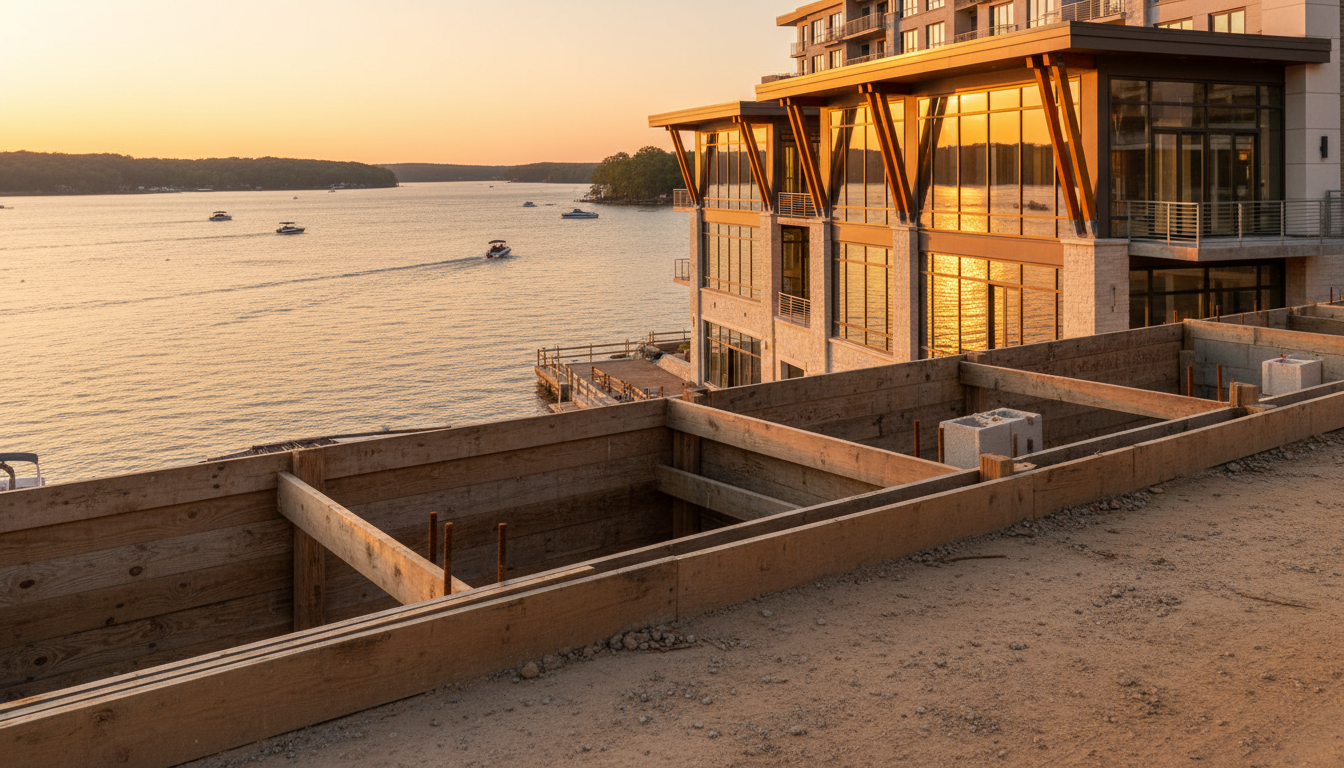
Lake Lanier Luxury Play Shows Why Waterfront Hotels Still Print Money

Lake Lanier Luxury Play Shows Why Waterfront Hotels Still Print Money

A proposed luxury resort on Lake Lanier just got planning staff blessing. Here's why waterfront hospitality remains one of the safest bets in development — and what it means for operators fighting for leisure share.

Lake Lanier's getting another luxury hotel and resort property after city planning staff recommended conditional approval. We're talking about one of the Southeast's most trafficked recreational lakes — 12 million visitors annually — getting more high-end room inventory. The market can absorb it.

Here's the thing nobody's telling you: waterfront resort development never stopped, even when everyone was wringing their hands about urban hotel supply in 2024-2025. I've seen this movie before. Developers know what lenders know — lakefront, beachfront, and river properties maintain ADR premiums of 40-60% over their landlocked competitors in the same market. That math works even when you're paying triple for land acquisition and dealing with environmental permitting nightmares.

The conditional approval piece matters. Planning staff are likely requiring setbacks, environmental controls, maybe marina access limitations. Every one of those conditions adds cost and timeline risk. But if you're building luxury on Lanier, you're banking on Atlanta metro wealth — and that's Buckhead money driving 45 minutes north for weekend getaways. The demographics support premium positioning.

What this really signals: leisure resort development is decoupling from urban hotel cycles. While city-center properties are still working through post-pandemic occupancy optimization, waterfront resorts are back to pre-COVID ADR levels plus 15-20 points. Families with disposable income want experiences. They want pools, watersports, fire pits. They'll pay $400-600 per night for a lake view and won't blink.

If you're operating a competing property within 30 miles of Lanier, you've got 18-24 months before this opens. That's your window to differentiate or get crushed on rate. New luxury inventory doesn't raise all boats — it redefines what counts as competitive in your market.

Operator's Take

If you're running an independent resort or dated branded property near Lake Lanier, start planning your response now. New luxury supply means you either renovate to compete or pivot to value-driven programming that the luxury property won't touch — think fishing tournaments, RV-friendly packages, mid-week corporate retreats. Sitting still means losing 12-18 points of occupancy when they open.

Read full analysis → ← Show less
Source: Google News: Resort Hotels
Radisson's Cape Canaveral Expansion Shows What Environmental Compliance Really Costs Now

Radisson's Cape Canaveral Expansion Shows What Environmental Compliance Really Costs Now

A beachfront Radisson is spending serious money on stormwater infrastructure just to add rooms. If you're planning any coastal expansion, your environmental compliance budget just tripled.

The Radisson at the Port in Cape Canaveral is expanding — but the headline isn't the new rooms. It's the major stormwater management overhaul they're installing to protect the Banana River as part of the deal. This is the new reality for any operator thinking about adding inventory near water in Florida or anywhere coastal.

Here's what nobody's telling you: environmental compliance isn't a line item anymore. It's becoming the project. I've seen this movie before with renovations, but expansion projects near sensitive waterways are hitting a different level entirely. Between state agencies, environmental reviews, and infrastructure requirements, you're looking at 18-24 months of approval processes and costs that can run 25-30% of your total project budget before you pour a single foundation.

For the Radisson, this means engineered stormwater systems, retention capacity, filtration — all the hardware required to keep runoff out of the Banana River. Smart move by ownership, honestly. Because the alternative is getting halfway through construction and having a regulatory agency shut you down. I've watched that happen to a 200-key independent in the Carolinas. Turned a $12 million project into a $19 million disaster.

But here's the contrarian take: if you can afford it and navigate it, this is actually your competitive advantage. Environmental requirements are pricing out the small operators and the speculators. The independents with shallow pockets can't play this game anymore. If you're a branded select-service or full-service with access to capital and you can absorb these compliance costs, you're going to see less competition for coastal expansion sites over the next 36 months.

The Radisson is in Cape Canaveral — cruise market, space tourism, convention overflow from Orlando. That's a smart place to add keys if you can handle the infrastructure investment. Space launches are ramping up, cruise traffic is recovering strong, and room demand in that corridor runs 15-20 points higher than pre-pandemic during peak months. Worth the environmental investment? Absolutely. But only if you budget for reality, not what your pro forma said in 2019.

Operator's Take

If you're planning any expansion within a mile of coastline or protected waterways, triple your environmental compliance budget right now. Hire the engineers before you talk to architects. And if you're running an independent with limited capital access, be honest — coastal expansion might not be your play anymore. Look inland where the regulatory burden is manageable.

Read full analysis → ← Show less
Source: Google News: Resort Hotels

Expedia's BNPL and Activity Play Is Coming For Your Direct Revenue

Expedia just added Buy Now Pay Later through Affirm and activities booking via Tiqets. While Wall Street analysts debate moats, here's what this means on the floor: the OTAs are building a complete trip ecosystem that makes your direct booking engine look like a relic.

Let me be direct — Expedia's integration of Affirm's Buy Now Pay Later and the Tiqets activities platform isn't just another tech partnership press release. This is a calculated move to own the entire guest wallet, and most of you are still thinking this is just about room nights.

Here's the thing nobody's telling you: when a guest books your property through Expedia and can finance it interest-free over four payments, then immediately add dinner reservations, theater tickets, and a food tour all in the same cart, you've lost control of the guest relationship before they ever check in. Your front desk upsell opportunities? Your concierge revenue? Your lobby restaurant capture rate? All of it gets squeezed when the guest has already planned and paid for their entire trip through the OTA.

I've seen this movie before. It started with flight bundles, then rental cars, now it's activities and flexible payment. The commission you're paying Expedia isn't 15-18% anymore when you factor in the total guest spend they're capturing. They're becoming the travel bank, the concierge, and the payment plan provider all at once. And with BNPL, they're removing the last friction point for booking — the guest who was going to wait two weeks until payday and maybe book direct? Expedia just gave them four clicks to book everything right now.

The operators who think "well, at least I'm getting the room night" are missing the point entirely. You're getting the room night at the highest commission rate in the channel mix, losing the guest data, and watching someone else monetize every other dollar that guest spends in your market. If you're running a 150-key property in a leisure destination and you're sitting at 40% OTA mix, you need to do the math on what Expedia capturing activities and offering payment plans is actually costing you in total revenue per booking.

Operator's Take

If you're over 30% Expedia mix right now, this should be your wake-up call. You need a loyalty program with real benefits, a booking engine that doesn't look like it's from 2019, and preferably your own partnership with a local activities provider. Start tracking not just ADR and RevPAR, but total guest spend capture. Because Expedia sure as hell is.

Read full analysis → ← Show less
Source: Google News: Expedia Group

Delhi's AI Summit Price Surge Shows Why You Need Event-Based Revenue Strategy Now

Five-star hotels in Delhi are gouging rates for a 2026 AI conference — and if you're not doing the same thing in your market when demand spikes, you're leaving serious money on the table.

Here's what's happening: Delhi luxury properties are jacking up rates — we're talking 3x to 4x normal pricing — because the India AI Impact Summit is bringing thousands of tech executives and government officials to town. The Taj, ITC, and Oberoi properties are all playing the same game. Standard rooms that normally run $200-250 are suddenly $600-800. Suites are going for north of $1,500.

And you know what? They're absolutely right to do it.

I've seen this movie before. CES in Vegas. Dreamforce in San Francisco. Any major medical conference in a secondary market. The operators who win are the ones who saw it coming six months out, adjusted their rate strategy, put blackout dates on corporate contracts, and went hard on minimum length of stay requirements.

But here's the thing nobody's telling you: most independent and midscale operators don't have the systems or the guts to do this properly. They're still honoring their Expedia merchant rates while the Marriott down the street closed all OTA inventory 90 days out and is selling direct at 250% ADR. They're letting their corporate accounts book at contracted rates because "we have a relationship" while leaving $30,000 in RevPAR on the table.

The Delhi situation isn't about AI technology — it's about revenue management discipline. These properties identified a compression event, forecasted demand correctly, and priced accordingly. Every GM reading this should be asking: what events are coming to my market in the next 12 months that I can exploit the same way?

Operator's Take

If you're running anything larger than a 100-key property, you need to map out every major event in your market for the next year right now. Pull chamber of commerce calendars, convention center schedules, sports tournaments, everything. Then build rate strategies around each one — close OTA channels 60-90 days out, implement 2-3 night minimums, and don't be afraid to go 2-3x your normal rate when real compression hits. The revenue you're not capturing during these 10-15 nights per year is the difference between a good year and a great one.

Read full analysis → ← Show less
Source: Google News: Hotel AI Technology

Chinese Robotics Company Puts on a Show. Hotels Still Can't Staff a Breakfast Buffet.

AGIBOT just streamed an hour-long gala with humanoid robots performing cultural entertainment. Meanwhile, you're still trying to figure out if robots can actually clear tables and fold towels at scale.

AGIBOT — a Shanghai-based robotics firm — just hosted a 60-minute livestreamed show where humanoid robots handled the entire production. Call it a tech demo wrapped in entertainment. They're showing what their embodied intelligence platform can do when you script everything and control the environment.

Here's the thing nobody's telling you: there's a massive difference between a robot performing choreographed tasks in a controlled gala setting and that same robot working a Thursday breakfast rush when three tour buses show up unannounced. I've watched hotel tech vendors demo systems in pristine conditions for 40 years. Then you put them on the floor during a sold-out weekend and everything falls apart.

But let's not dismiss this entirely. The fact that AGIBOT can coordinate multiple humanoid robots through a live 60-minute show without catastrophic failure? That's meaningful. It shows their control systems and AI can handle real-time adaptation in semi-structured environments. That's the bridge between "robot delivers room service in a straight hallway" and "robot actually helps your housekeeping team turn 18 rooms before 2 PM."

The timeline question is what matters for operators. We're probably 18-24 months away from seeing these Chinese robotics platforms make serious pushes into U.S. hospitality — if trade restrictions don't kill the deals first. Companies like AGIBOT are moving faster than the U.S. players, and they're doing it at price points that'll make your controller pay attention. A full-stack humanoid robot that can handle multiple task types for under $50K? That changes your labor math real fast when you're paying $18/hour plus benefits for entry-level positions.

Operator's Take

If you're running a 200+ room full-service property, put "humanoid robotics pilot program" on your 2027 capital planning radar right now. Not for your entire operation — for specific, repeatable tasks where labor shortages hurt most. Room service delivery. Linen transport. Lobby assistance during check-in surges. Start the conversation with your ownership group today so you're not scrambling when these platforms hit the U.S. market in volume.

Read full analysis → ← Show less
Source: PR Newswire: Travel & Hospitality

Super Bowl Week Cultural Events Are Hotel Revenue — If You Actually Show Up

Kwanza Jones's Culture In Motion tour is bringing Apollo Theater programming and community events to Bay Area neighborhoods during Super Bowl week. Most GMs will ignore this completely, and that's leaving money on the table.

Here's the thing nobody's telling you: mega-events like the Super Bowl aren't just about game-day rooms at $800 ADR. The real revenue opportunity is the week of programming that surrounds it — cultural events, community activations, after-parties — and most operators treat this stuff like background noise instead of booking opportunities.

Culture In Motion is rolling through Northern California this week with the SUPERCHARGED platform and Apollo Theater backing. That means venues, performances, community gatherings. Which means people traveling to attend. Which means hotel rooms, F&B, and ground transportation.

But here's where most properties miss it: you're waiting for these attendees to find you on OTA search instead of going directly to event organizers. If you're running a select-service or boutique property within 20 minutes of any Culture In Motion venue, you should have contacted the tour organizers three weeks ago with a group rate proposal. These cultural events draw audiences that book late, travel in small groups of 2-4, and they'll pay your BAR if you're convenient and they know you exist.

I've seen this movie before with Art Basel, SXSW, and regional music festivals. The properties that win aren't always closest to the venue — they're the ones who actually engaged with event producers early, offered shuttle service or F&B packages, and got listed as "preferred lodging" in event communications. That's 15-30 rooms you just pulled out of thin air during a week when you thought you were already at compression.

The broader point: Super Bowl week generates dozens of satellite events across multiple cities. Cultural programming, corporate hospitality, influencer gatherings. If your sales team is only tracking the NFL host committee official events, you're working half the puzzle.

Operator's Take

If you're in the Bay Area right now, get your sales director to pull a list of every Culture In Motion venue and event this week, then cold-call offering last-minute group rates with shuttle service. For the rest of you: when mega-events hit your market, track the cultural and community programming that orbits around them — that's where your unsold shoulder nights go.

Read full analysis → ← Show less
Source: PR Newswire: Travel & Hospitality
End of Stories