Your Hotel's Food Drive Does More Work Than You Think. If You Let It.
Days Inns Canada just marked four years of feeding kids through Food Banks Canada, and the easy take is "nice PR." The harder question is whether your property's community work is actually building something... or just filling a photo album nobody opens.
I worked with a GM years ago who ran a 120-key property in a mid-sized Canadian market. Nothing fancy. Tight margins, skeleton crew, the usual. Every Thanksgiving, she organized a food drive in the lobby. Guests contributed. Staff contributed. The local paper ran a photo. And every year, her regional VP would ask the same question during the budget review: "What's the ROI on that?"
She never had a good answer for him. Not in the way he wanted it... not in dollars per occupied room or incremental bookings. But here's what she did have: the lowest turnover in the region. Not by a little. By a lot. Her housekeeping team stayed. Her front desk stayed. They stayed because they felt like they worked somewhere that gave a damn about something beyond the rate fence. That's not on any P&L line I've ever seen. But it's real. And it compounds.
So when I see Days Inns Canada marking four years of partnership with Food Banks Canada... 220,000 food packs going to kids in 235 communities this summer... my instinct isn't to be cynical about it. The cynical take is easy. "It's a press release. It's brand theater. Where's the dollar figure?" And look, they're not disclosing the donation amount, which tells you it's probably modest relative to the scale of the problem. Canada's food banks are expecting 2.2 million visits this month alone. One in three of those visits is a child. One hotel brand's donation isn't solving that. Nobody's pretending it does.
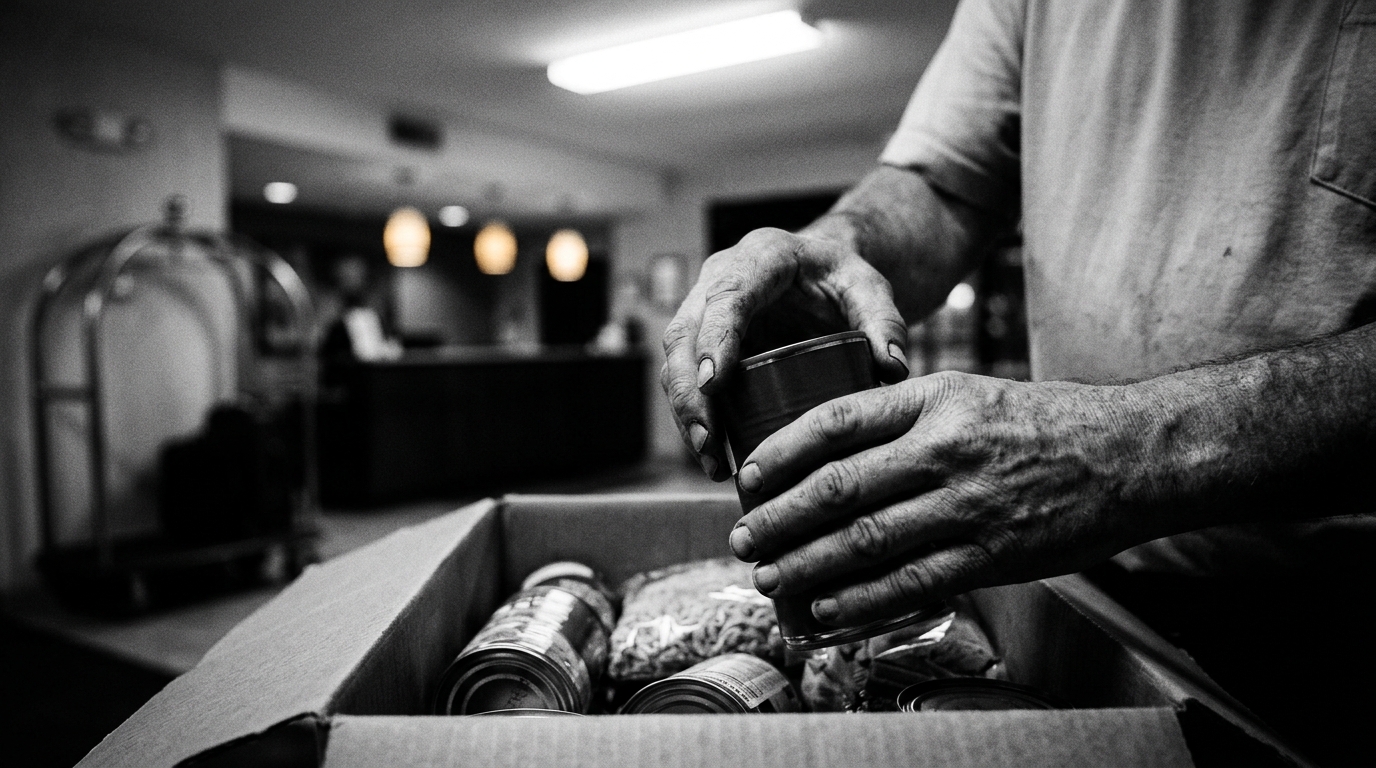
But here's what I've learned in 40 years of running hotels: community engagement isn't a marketing strategy. It's a culture strategy. When your team packs food boxes together (which the Days Inns Canada team did on May 27), something shifts. People who fold towels for a living start feeling like they're part of something bigger than room 214's late checkout. That's not soft thinking. That's retention. That's morale. That's the front desk agent who stays an extra year instead of jumping to the property across the street for fifty cents more an hour. And in a labor market where hospitality turnover is still hovering above 70%, an extra year from a good employee is worth more than most technology investments I've evaluated.
The part most operators miss is this: the program has to be real. Not performative. Not a one-day photo op that disappears until next year's press cycle. Days Inns Canada has done this four years running. They've built it into their "#FeedSummer" campaigns where individual properties and guests participate. That's the difference between culture and content. Your staff knows the difference. Trust me... they always know the difference.
If you're a GM at an independently owned branded property, here's your move. Pick one local cause. Not three. One. Something your team can actually touch... a food bank, a shelter, a school lunch program. Build it into your calendar quarterly, not annually. Get your staff involved physically, not just with a donation jar at the front desk. Then document it... not for Instagram, but for your owner. Frame it in terms they understand: retention savings, local press value, guest comment card mentions. I've seen GMs reduce annualized turnover by 8-12 points with a community program that costs less than one month's agency staffing fees. The math is there if you track it. Most people just never bother to track it.