117 Keys on the Adriatic. 61 of Them Are Condos. That Tells You Everything.
Nammos Hotels & Resorts just announced a "landmark lifestyle destination" in Montenegro with 117 total keys, but more than half are branded residences and villas designed to be sold, not operated. The real question isn't whether the brand promise is beautiful... it's who's actually holding the bag when the residence buyers expect five-star service and the hotel has 47 suites funding the operation.
I've been to enough brand launches to recognize the choreography. The coastal rendering with the infinity pool that bleeds into the ocean. The words "curated," "signature," and "wellness" deployed in careful rotation. The champagne. The signing ceremony with local officials who say things like "transformative for the region." Nammos Hotels & Resorts just staged exactly this production in Montenegro, unveiling plans for a resort at Smokva Bay on the Budva Riviera, and honestly... the renderings are gorgeous. The location sounds extraordinary. And the math underneath it is the part that nobody in that signing ceremony wanted to talk about.
Here's what we're looking at: 117 total keys. Of those, 47 are hotel suites. The remaining 70... 61 branded residences and 9 branded villas... are real estate plays. That means 60% of this "resort" is product designed to be sold to individual buyers, not rooms managed for nightly revenue. This is not a hotel development with a residential component. This is a residential development wearing a hotel brand like an accessory. And there's nothing inherently wrong with that (branded residences are a proven model and the economics can work beautifully for developers), but let's stop calling it a "landmark lifestyle destination" and start calling it what it is: a real estate project where the brand's primary job is to make condos worth more per square meter. Nammos gets licensing fees and management revenue. The developer, Smokva Bay, gets premium pricing on 70 units because they carry the Nammos name. Everyone wins... right up until someone has to reconcile what the residence owners were promised with what 47 hotel suites can actually subsidize in terms of staffing, dining, spa operations, and the full "Nammos lifestyle" on a random Wednesday in November.
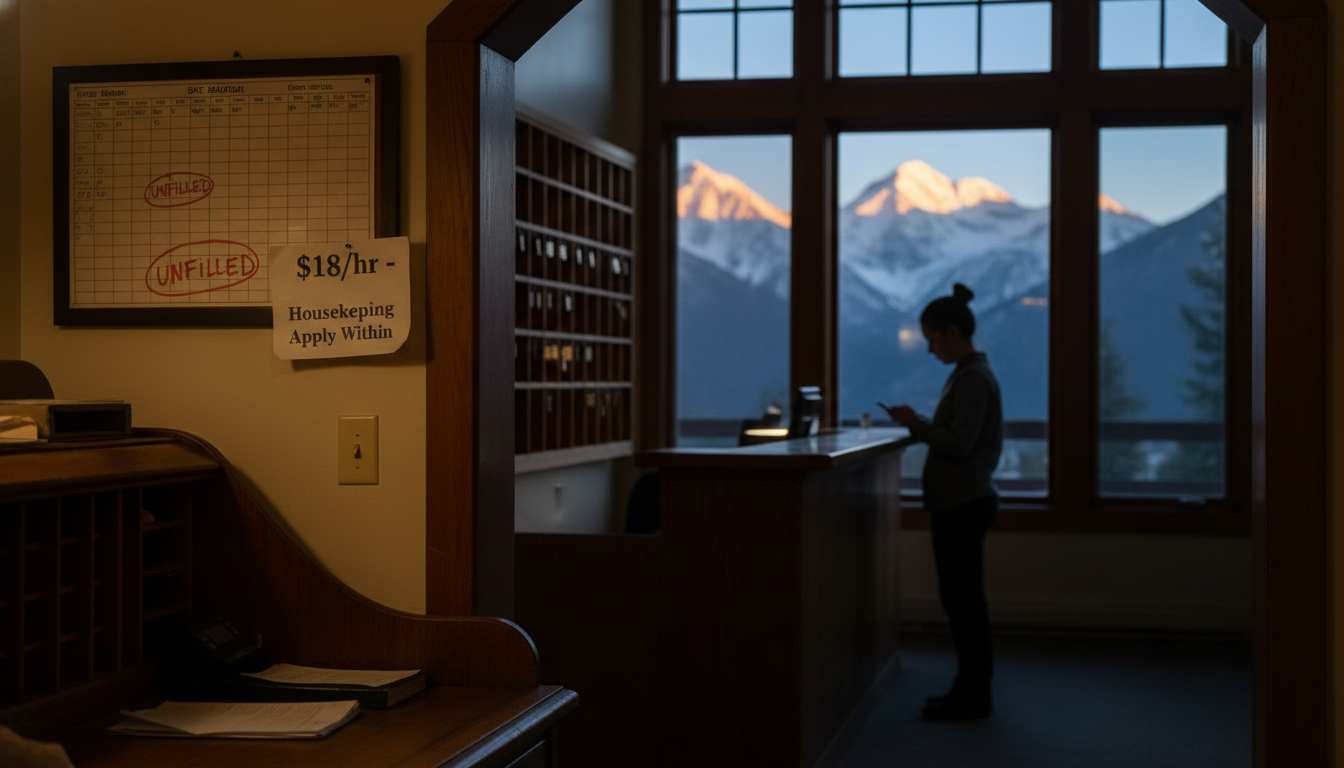
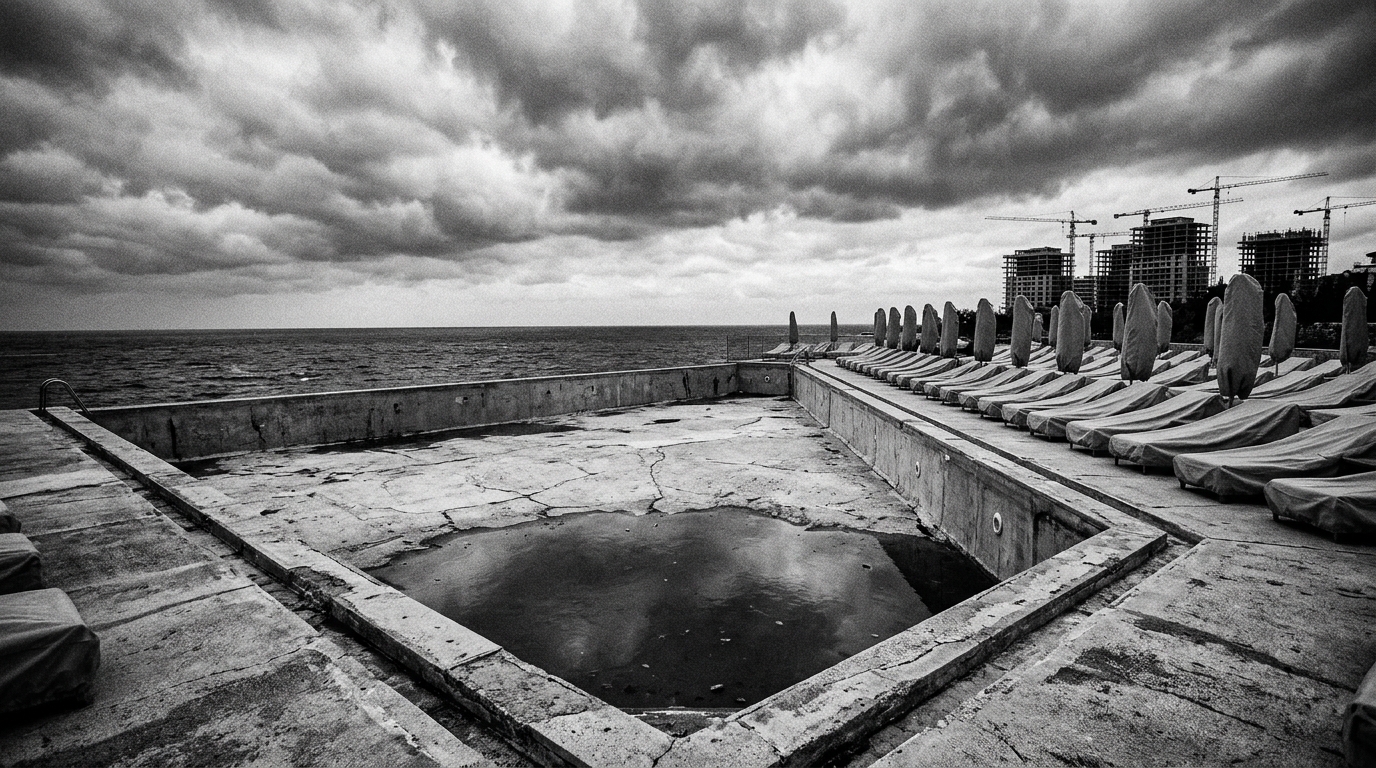
The year-round positioning is the part that should make anyone paying attention lean forward. Montenegro recorded nearly 2.73 million tourist arrivals in 2025 and has been climbing European satisfaction rankings (scored 9.22 out of 10 for visitor reputation in April 2026), but Budva Riviera is fundamentally a summer destination. Building a resort that promises four restaurants, a wellness club, a marina village, retail, pools, private dining, hiking, and mountain biking... and then staffing all of that to "year-round" standards on 47 hotel keys during an Adriatic winter? I've watched that exact movie play out on the Mediterranean. A brand VP once told me with absolute confidence that their resort would "redefine seasonality in the market." Six months later, three of their four F&B outlets were closed from October through April and the residence owners were livid because they'd bought into a lifestyle that apparently hibernated. The Nammos pop-up restaurant running this summer at Sveti Stefan is smart brand-building (get people tasting the experience before the resort opens in 2029), but a pop-up during peak season is easy. Delivering the Nammos experience when there are nine guests in house and a storm rolling in off the Adriatic... that's where the Deliverable Test gets interesting.
What makes this particularly worth watching is the backing. ADMO Lifestyle Holding, a joint venture between Abu Dhabi's Alpha Dhabi Holding and Monterock International, brings serious capital. Nammos is simultaneously opening or developing in Sardinia, London, Saudi Arabia, and expanding from its Mykonos base. That's an aggressive multi-market expansion for a brand that opened its first hotel in 2023. Three years from first hotel to five simultaneous global projects. The fastest way to kill a luxury brand is to scale before you've proven your operational DNA is transferable. Mykonos is one context. Montenegro is another. London is another planet entirely. The question isn't whether the Nammos aesthetic translates (it photographs beautifully everywhere). The question is whether the service culture, the operational standards, the thing that makes a guest feel something rather than just see something... whether THAT can be replicated across five markets simultaneously by a brand that's been operating hotels for roughly 36 months.
I genuinely hope this works. Montenegro deserves world-class hospitality development, and Petros Stathis (who reportedly brought Aman to Sveti Stefan back in 2008) clearly has vision for the market. But vision and delivery are two different documents. I've read enough FDDs and enough development pitch decks to know that the gap between the signing ceremony and opening night is where the beautiful renderings meet plumbing permits, staffing shortages, and residence buyers who want to know why the rooftop pool bar closes at 6 PM because you can't find a bartender. A 2029 opening gives them time. Whether they use that time to build something real or something that just looks real from the infinity pool... that's the story I'll be watching.
Here's what this story is actually about, and it's not Montenegro. It's the branded residence model spreading into every luxury development on the planet and what that means for operators who end up running these things. If you're a GM or management company being approached to operate a resort where more than half the keys are sold residences, get the HOA-style governance structure in writing before you sign anything. Who controls service levels? Who pays when the residence owners demand amenities that 47 hotel keys can't fund? I've seen this movie three times now... developer sells the dream, operator inherits the operational gap between what was promised and what the revenue supports. Run your own staffing model on the hotel-only key count. If the F&B, spa, and amenity operations don't pencil on 47 keys at realistic occupancy (and in a seasonal market, realistic means 40-50% annual), then those costs are going to land somewhere. Make sure you know where before you're the one explaining it to angry villa owners in February.