Hilton's Ski-and-Spa Push Is Loyalty Theater... And Your Owners Will Love It Anyway
Hilton rolls out the red carpet for its highest spenders with a new Diamond Reserve tier and cold-weather marketing blitz. The real question isn't whether it looks good in the press release... it's whether the GM at a 180-key mountain property can actually deliver what corporate just promised.
I watched a brand VP give a presentation once about "experiential travel moments" at a ski resort. Beautiful slides. Roaring fireplaces, perfectly styled après-ski scenes, guests wrapped in $200 robes holding craft cocktails. The GM sitting next to me leaned over and whispered, "We can't even keep the hot tub at temperature when it's below zero. Who's going to deliver the robes?" That's the gap we're talking about here.
Hilton's new Diamond Reserve tier... 80 nights and $18,000 in annual spend to qualify... is a smart move at the corporate level. No question. You're tagging your whales, giving them confirmable suite upgrades at Waldorf Astoria and Conrad properties, guaranteeing 4 PM late checkout, and wrapping the whole thing in aspirational ski-and-spa imagery. The loyalty math works for Hilton. They reported $3.7 billion in adjusted EBITDA for 2025, they're projecting north of $4 billion for 2026, and they're opening luxury and lifestyle properties at a pace of roughly three per week. The machine is humming. But here's what nobody at corporate has to deal with... the machine hums in PowerPoint. At property level, it sputters.
Let's talk about what "confirmable suite upgrades for stays up to seven nights" actually means if you're running a resort in a ski market during peak season. Your suites are your highest-revenue rooms. They're booked. They're probably booked months out. Now you've got Diamond Reserve members showing up expecting a confirmed upgrade because the app told them they'd get one, and you're staring at a sold-out board trying to figure out where to put them. The brand lowered Gold qualification to 25 nights (down from 40) and Diamond to 50 nights (down from 60). That's more elite members hitting your front desk with expectations your allocation can't support. The press release calls it "making elite status more accessible." Your front desk team is going to call it Tuesday.
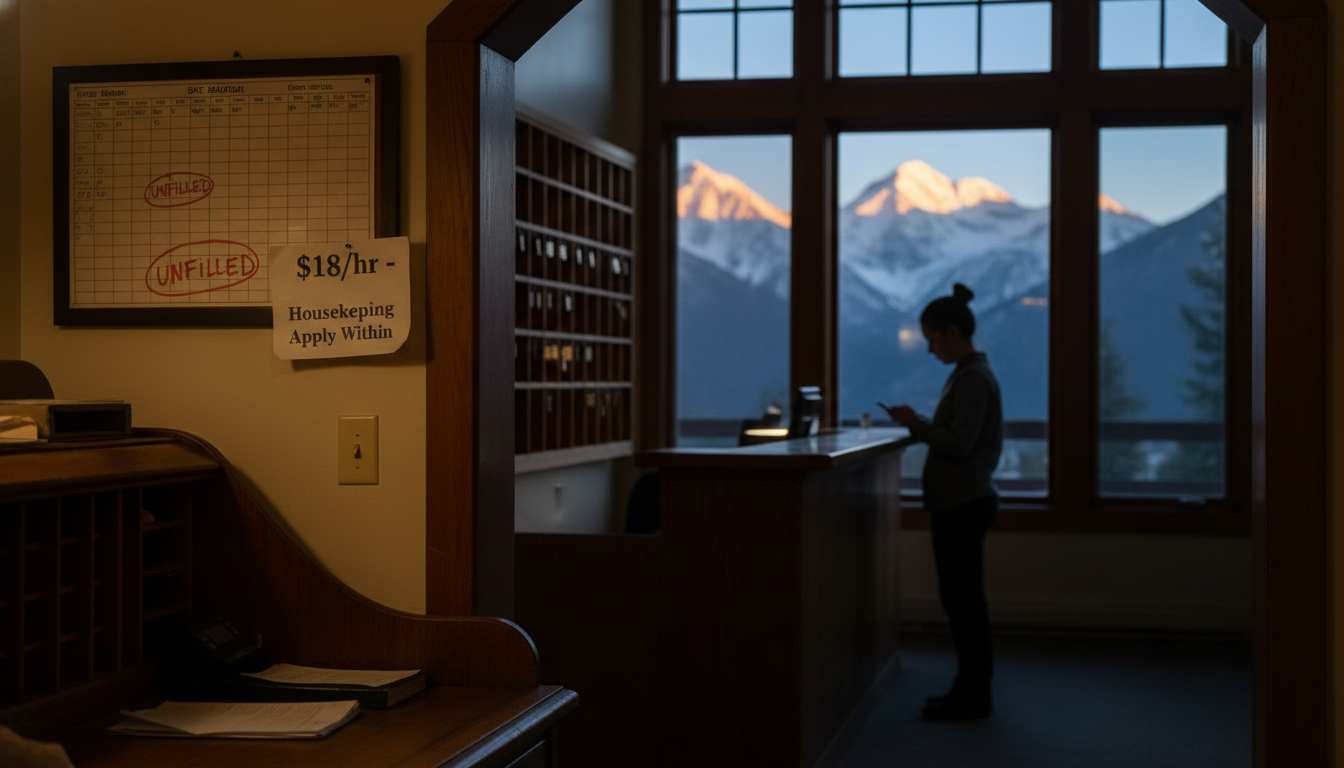
And the spa angle... look, ski-market lodging is performing right now. Summit County data shows ADR up 2.3% to $521. Occupancy is climbing. Remote work is extending stays. This is genuine demand, and Hilton is smart to market into it. But "spa all night" requires staffing a spa. At night. In a labor market where you're already struggling to keep housekeeping fully staffed at $18-22 an hour depending on your market. The promise is beautiful. The execution requires bodies. Bodies cost money. And the loyalty program doesn't send you bodies... it sends you guests who expect what the marketing promised.
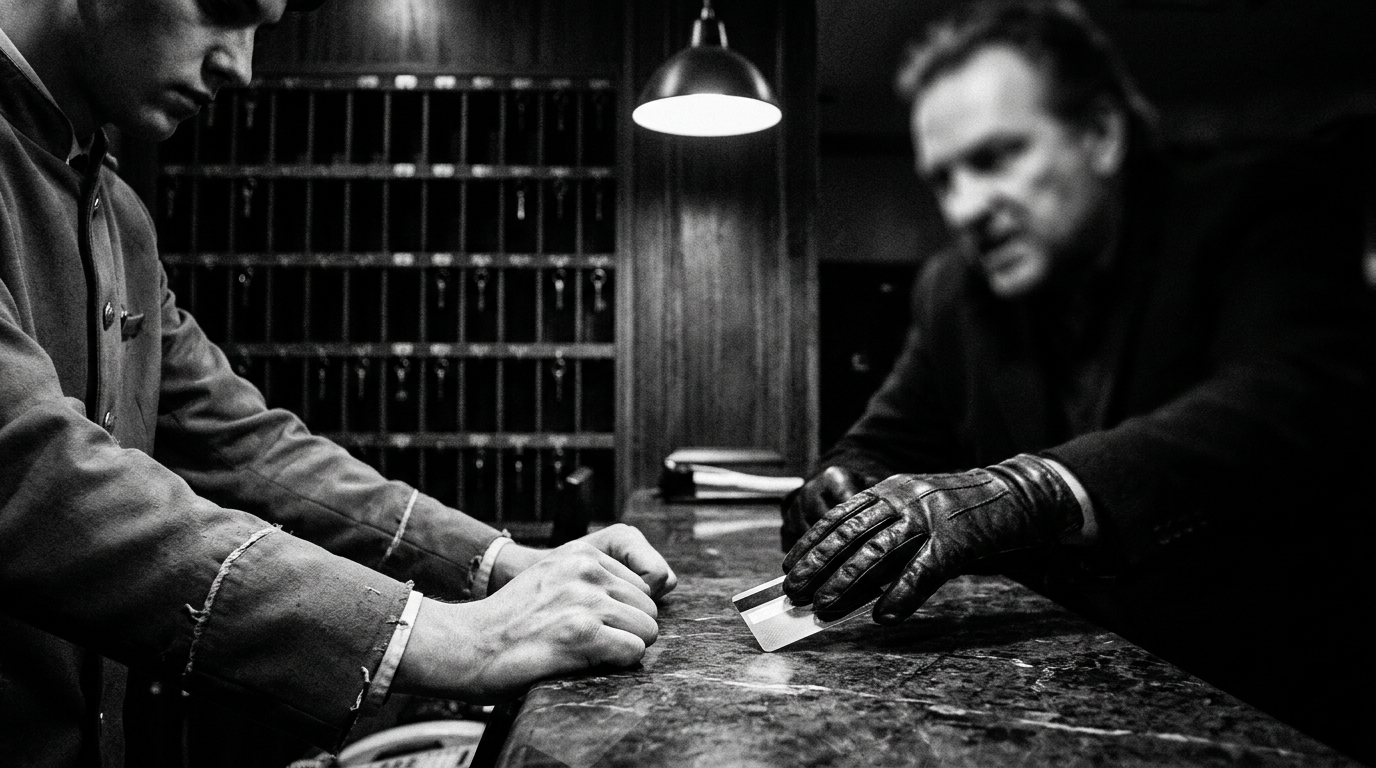
Here's the thing I keep coming back to after 40 years of watching brand promises land at the front desk. Hilton isn't wrong to do this. Loyalty tiers drive repeat bookings. High-spend guests are worth fighting for. The ski and spa positioning differentiates their luxury portfolio in a real way. But the distance between "Hilton announces enhanced perks" and "a 23-year-old front desk agent at a mountain resort explains to an $18,000-a-year loyalty member why the suite upgrade isn't available during Presidents' Day weekend"... that distance is where brands either earn their fees or don't. And right now, the brand is writing checks at the marketing level that properties are going to have to cash at the operational level. If you're a GM at one of these resorts, nobody from corporate is going to be standing next to you when that Diamond Reserve member walks up to the desk. You already know that. Just make sure your team does too.
If you're a GM at a Hilton-flagged resort or mountain property, pull your suite allocation data for peak weekends right now and figure out your actual upgrade capacity before these Diamond Reserve confirmations start hitting. Don't wait for the first angry guest to find out your inventory can't support what the loyalty program promised. Build a fallback script for your front desk team... and get your regional brand contact on the phone this week to clarify exactly how confirmable upgrade conflicts get resolved at the property level. The brand made the promise. You're going to deliver it or explain why you can't. Better to have the plan before you need it.