What 50 Years Running Charleston Hotels Teaches You About Local Permanence
Michael Bennett just hit 50 years in Charleston hospitality — same market, same relationships, same city. Here's why that model still works when everyone else is chasing management contracts across multiple markets.
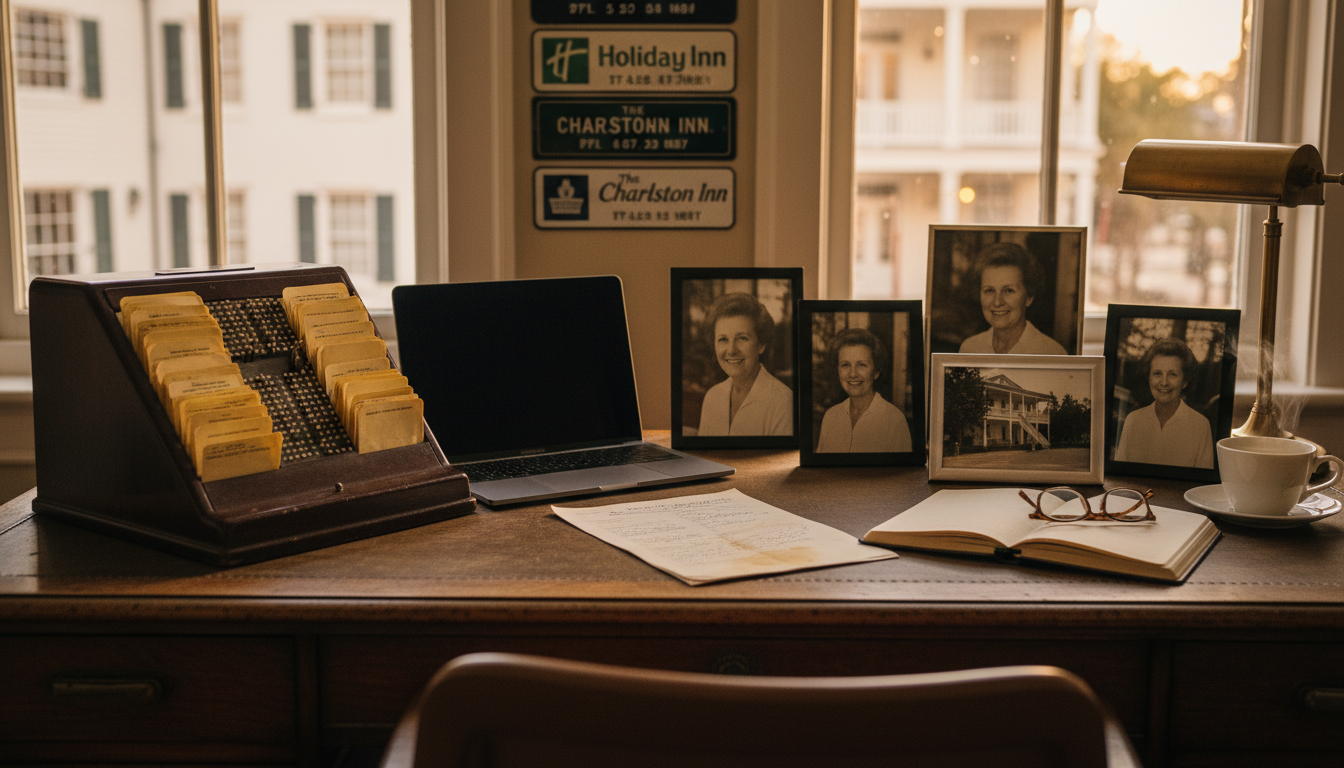
I've seen this movie before. Operator puts down roots in one market. Builds actual relationships — not LinkedIn connections, but the kind where the fire marshal knows your cell and the convention bureau considers you family. Stays through three recessions, four brand transitions, and God knows how many "hospitality revolutions." That's Bennett's story in Charleston, and it matters because we're losing this approach fast.
Here's the thing nobody's telling you: the big management companies rotating GMs every 18-24 months are leaving money on the table in markets like Charleston. When you've been in a destination market for five decades, you know which corporate groups book 18 months out versus 6 months out. You know when the medical district is expanding before it hits the planning commission. You know the difference between a tourism trend and actual sustained demand shift. That institutional knowledge doesn't transfer in a transition binder.
Charleston's a specific case — leisure-driven, historic preservation constraints, limited new supply because of development restrictions. But the principle scales. I've watched operators in Savannah, Santa Fe, and Asheville build the same kind of deep-market expertise. They're not chasing VP titles at corporate. They're running 150-200 key properties at 75-80% occupancy year after year because they understand their specific 3-mile radius better than any revenue management algorithm.
The contrarian take? This model is actually becoming MORE valuable, not less. When your booking window is shrinking and OTA dependency is eating your margins, local market intelligence matters more than brand loyalty. Bennett's been through brand conversions — the relationships with the customer stayed constant even when the flag changed. That's the part the brand salespeople don't mention in their pitch decks.
If you're planning to stay in your market for more than five years, stop acting like a hired gun. Join the tourism board. Know every event planner by name. Understand your city's capital improvement plans. The operators who own their markets — even without owning the building — are the ones still employed when the next recession hits and owners start asking who actually drives local business.