Today · Jul 30, 2026
Airbnb's Anti-Party Tech Flagged 20,000 Bookings Last July 4th. Three People Still Got Shot in Louisville.

Airbnb's Anti-Party Tech Flagged 20,000 Bookings Last July 4th. Three People Still Got Shot in Louisville.

A shooting at a Louisville Airbnb exposes the gap between platform-level safety algorithms and what actually happens at 1 AM in a residential neighborhood. The technology question nobody's asking isn't whether the filter works... it's what "works" means when the failure mode is a gunshot wound.

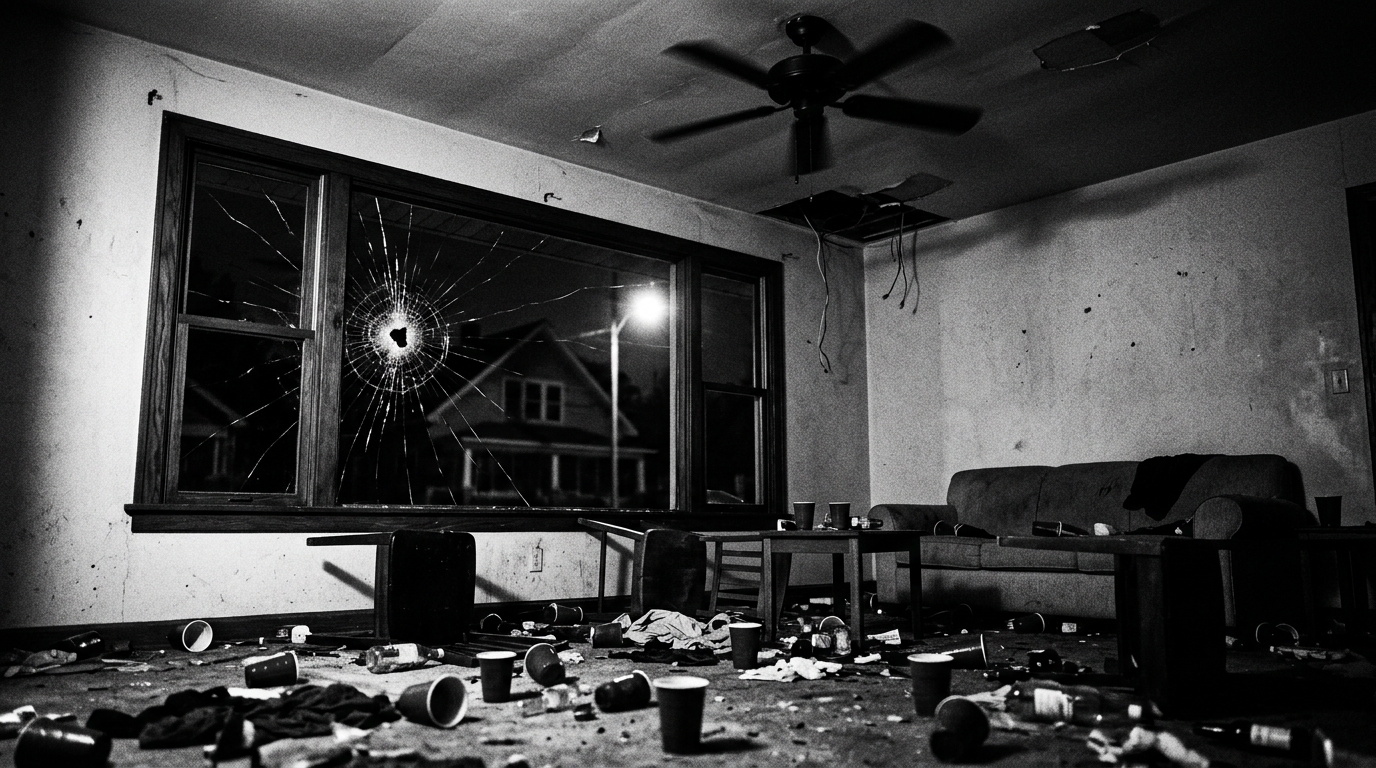
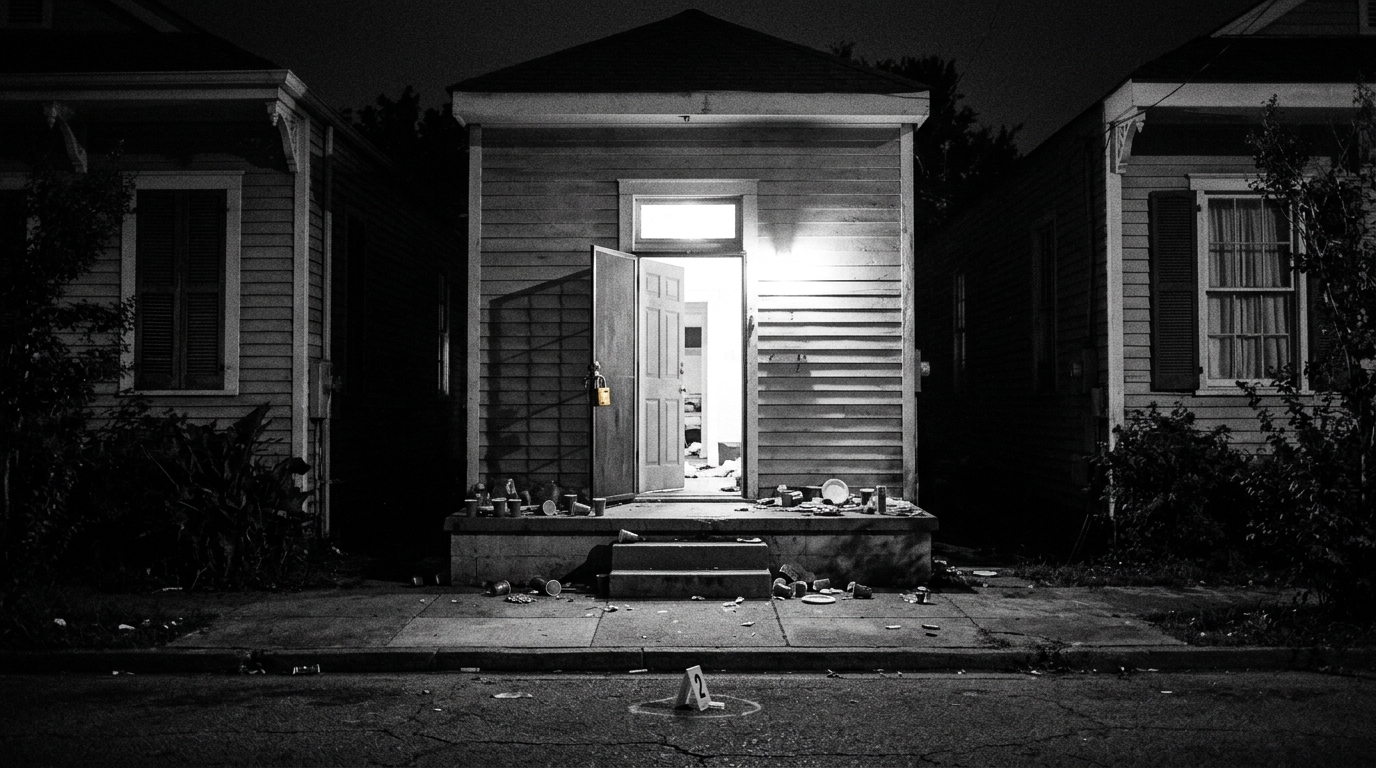
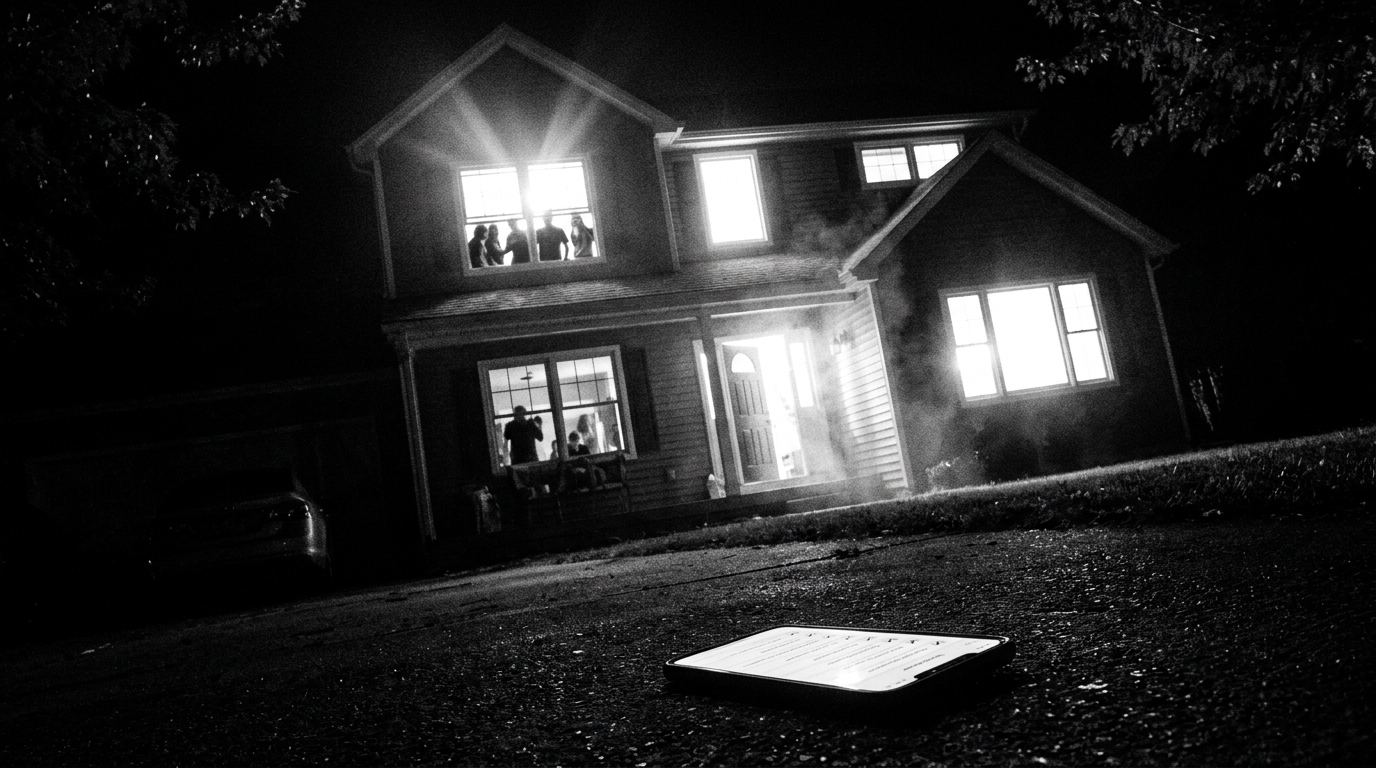
So Airbnb has this anti-party system. It scans for risk signals... last-minute bookings, entire-home reservations, guests who live close to the listing, short stays. It flags them, redirects them, sometimes blocks them outright. The company says it stopped over 20,000 people from booking entire-home listings over July 4th weekend last year. They're activating it again this week for the fifth consecutive year. And on June 22nd, three people got shot at a house party in Louisville's Butchertown neighborhood at an Airbnb that was booked fraudulently by an adult using someone else's identity. The system didn't catch it. Because the system wasn't designed to catch it.

Look, I've built risk-detection systems. Not for parties... for rate integrity, for booking fraud, for distribution anomalies. And here's what I know about algorithmic filters: they catch the patterns they're trained on. Last-minute booking from a local address? Sure, flag it. But a booking made weeks in advance, by an adult with a valid ID and a real credit card, for a property that allows it? That sails right through. The owners themselves said the reservation was placed in May by someone named "Mary" whose credentials traced back to a parent of one of the kids at the party. That's not a system failure in the traditional sense. That's a human exploiting the gap between what the algorithm measures and what actually matters. Every system I've ever built has had that gap. The question is what happens when the gap has real-world consequences, and in this case the consequences were three gunshot victims at 1 AM on a Monday.

The owners are responding with operational controls... banning one-night stays, blocking bookings from guests within a 20-mile radius. Those are the Dale Test answers. Not algorithmic. Not scalable. Just practical rules that a human can enforce and verify. Louisville's Councilman Ken Herndon is pushing for a mandatory two-night minimum citywide, which is basically the same idea codified into law. And honestly? These blunt-instrument policies will probably do more to prevent the next party than any machine learning model, because they eliminate the booking pattern entirely rather than trying to score its risk probability. The technology industry loves sophistication. Operations loves things that work at 2 AM when nobody's monitoring a dashboard.

Here's what this actually is for hotel operators, though. Every time one of these incidents makes local news (and a shooting at a short-term rental absolutely makes local news), it reshapes the regulatory conversation in that market. Louisville already tightened its STR ordinance in late 2023... registration fees went from $100 to $250, non-owner-occupied rentals in residential zones now require a Conditional Use Permit that takes 4-6 months and costs $1,260 to file. A shooting accelerates that trajectory. More restrictions mean fewer STR units operating legally, which means less supply competing with traditional hotels in that market. If you're running a hotel in Louisville or any mid-size city dealing with similar STR friction, the competitive math just shifted slightly in your favor. Not because of anything you did. Because the platform's safety infrastructure has a gap it can't close with code.

The uncomfortable truth about Airbnb's anti-party technology is the same uncomfortable truth about every predictive system I've ever evaluated: it optimizes for the detectable pattern, not the actual risk. A 73% reduction in party-related incidents (Airbnb's claimed UK number) sounds great until you realize the remaining 27% includes the incidents where someone got creative enough to beat the filter. And "got creative" in this case means a parent handed their ID to a teenager. That's not sophisticated fraud. That's a Tuesday. The technology is real, the effort is genuine, but the gap between "reduced" and "solved" is exactly where people get hurt.

Operator's Take

If you're running a hotel in a market where STR regulation is tightening... and that's most mid-size cities right now... get in front of your local council conversations. Not to lobby against Airbnb (that ship has sailed). But to make sure your property is positioned as the safe, regulated, insured alternative when the next incident hits local news. Pull your STR comp set data from AirDNA or whatever tool you're using and track the active listing count in your three-mile radius quarter over quarter. When permits get harder to get and minimum-stay requirements go up, some of those listings disappear. That displaced demand goes somewhere. Make sure it finds you. Update your direct booking messaging to emphasize 24/7 staffing, security, and professional management. You'd be surprised how many leisure travelers booking STRs have never thought about what happens when something goes wrong at 1 AM. Now they're thinking about it.

— Mike Storm, Founder & Editor
Read full analysis → ← Show less
Source: Google News: Airbnb
A Shooting at a Licensed, Compliant Airbnb. That's the Part That Should Worry You.

A Shooting at a Licensed, Compliant Airbnb. That's the Part That Should Worry You.

Louisville's latest push for a two-night minimum on short-term rentals came after three people were shot at a property with zero violations on record. When "fully compliant" still means "nobody checked what was actually happening inside," the regulatory framework isn't a framework at all.

Available Analysis

So here's the detail that matters most in this story, and it's the one that's going to get buried under the policy debate: the Airbnb where three people got shot in Louisville's Butchertown neighborhood on June 22 was licensed. It was registered. It had no active violations. It was, by every measurable regulatory standard, a compliant short-term rental. And somebody still got shot there at 1 AM.

That should stop every STR regulator in the country for about ten seconds. Because the entire regulatory model for short-term rentals... the registration fees, the conditional use permits, the 600-foot separation requirements, the occupancy caps... is built on the assumption that compliance equals safety. Louisville charges $250 a year for registration. They have escalating fines ($125, $250, $500, $1,000) for violations. They amended the ordinance in 2023. They require six months of residency before you can even apply. And none of it prevented what happened on E. Washington Street. The system worked exactly as designed. The outcome was three people in a hospital.

Now Councilman Ken Herndon is pushing a two-night minimum stay requirement, specifically targeting one-night party rentals. Look, I understand the logic. Airbnb's own anti-party technology flags one-to-two-night stays as high risk, especially around holidays and weekends. A two-night minimum raises the cost of using an STR as a party venue and theoretically filters out the worst actors. But here's what actually happens when you implement minimum stay requirements (and I've talked to operators in markets that already have them): the party just books two nights instead of one. The behavior doesn't change. The booking duration does. You haven't solved a safety problem... you've solved a data problem. The city can point to fewer one-night bookings and call it progress. The neighbors still hear the music at midnight.

The real issue... and this is where it gets uncomfortable for everyone, including the hotel industry... is that the entire STR regulatory apparatus is designed to measure inputs, not outcomes. Did they register? Did they pay the fee? Is there a permit? Check, check, check. But nobody's asking what's actually happening inside the unit on a Saturday night. There's no noise monitoring requirement. No real-time occupancy verification. No mechanism for neighbors to trigger an immediate response that has teeth. Louisville has roughly 1,200 to 1,300 registered units. Who's checking them? The codes department confirmed this property was compliant... which tells you everything about what "compliant" actually measures.

And here's the technology angle that nobody in the regulatory conversation seems to be having: the tools exist to actually monitor this stuff in something close to real time. Noise sensors (not microphones... decibel-level sensors that don't record conversations) are a solved problem. Occupancy estimation through WiFi device counting is a solved problem. Automated alerts to property managers when thresholds get crossed... solved. But Louisville isn't requiring any of it. They're requiring a $250 annual fee and a paper application. That's like putting a smoke detector in the lobby and calling the building fire-safe. The detection has to be where the risk is, and the risk is inside the unit at 1 AM when nobody from the city is watching. Kentucky's state legislature tried to preempt local STR regulation entirely with Senate Bill 9 back in April... it failed, which means cities like Louisville still have the authority to get this right. The question is whether "right" means another layer of permitting paperwork or actual technology-enabled enforcement that matches the scale of the problem.

Operator's Take

Here's what this means if you're a hotel operator competing against STRs in your market. Don't celebrate when your city council passes tighter STR rules. Dig into what those rules actually enforce. A two-night minimum doesn't remove supply from your comp set... it just shifts booking patterns. What DOES help you is when municipalities require active monitoring, insurance minimums, and real penalties that make non-compliance more expensive than compliance. If your city is talking about STR regulation right now, get in the room. Bring the safety data. Bring the tax equity argument. But most importantly, bring specific technology requirements... noise monitoring, occupancy caps with verification, automated violation reporting... because paper permits don't protect neighborhoods, and they don't level the playing field. A registration fee is a revenue line for the city. Enforcement with teeth is what actually changes the competitive dynamic.

— Mike Storm, Founder & Editor
Read full analysis → ← Show less
Source: Google News: Airbnb
Airbnb's Anti-Party AI Blocked 580 Houston Bookings Last July 4th. Hotels Got That Demand for Free.

Airbnb's Anti-Party AI Blocked 580 Houston Bookings Last July 4th. Hotels Got That Demand for Free.

Airbnb is deploying its machine learning party-detection system in Houston for the fifth straight Fourth of July, redirecting thousands of bookings away from entire-home rentals. If you're running a hotel near a residential STR cluster, you're about to get overflow demand you didn't earn... and probably aren't pricing for.

So here's something most hotel tech people aren't talking about: Airbnb has quietly built one of the more sophisticated reservation screening systems in the travel industry, and every Fourth of July, they turn it up to full volume. The system uses machine learning to flag bookings based on proximity to listing, length of stay, whether it's a last-minute reservation, and property type. Last year it redirected over 20,000 people nationally away from entire-home listings during the holiday weekend. In Houston specifically, 580 people got blocked or rerouted. Where do you think those 580 people went?

Let's talk about what this actually does. The system doesn't just reject a booking and leave the guest hanging... it redirects them to alternative accommodations. Private rooms. Hotels. The language Airbnb uses is "redirected to alternative accommodations," which is corporate-speak for "we pushed demand toward your competitors." And look, from a technology standpoint, I respect the engineering. Analyzing booking patterns, guest history, property characteristics, timing signals... that's a legitimate ML application, not one of those "AI-powered" labels slapped on a rules engine. They're actually using behavioral modeling to predict which reservations are likely to result in a party. The fact that party reports dropped over 50% since their global ban in 2020 suggests the system is doing what it's supposed to do. Less than 0.06% of U.S. reservations resulted in a party report in 2024. That's a real number with a real methodology behind it.

But here's the part that interests me as someone who thinks about hotel technology: this is demand reallocation happening through an algorithm that hotels have zero visibility into. You can't see it. You can't predict it. You just notice that your walk-in traffic or last-minute OTA bookings spike on holiday weekends and you assume it's organic demand. It's not entirely organic... some percentage of it is Airbnb's screening system literally pushing people toward traditional accommodations. And with Houston's new STR regulations requiring $275 annual registration fees and prohibiting properties from advertising as event spaces (enforcement started this year), the squeeze on short-term rental supply is coming from two directions at once. Airbnb's own technology AND local regulation. That's a meaningful supply constraint in a market that's about to host FIFA World Cup matches... an event Airbnb themselves project will be their largest booking event in company history. They're simultaneously recruiting new hosts with $750 incentives and blocking the ones most likely to cause problems. That's a company managing both sides of a marketplace, and the technology is the lever.

The Dale Test question here is straightforward: what happens when this system fails? What happens when a legitimate family reunion gets flagged because it's a last-minute booking by a local guest for an entire home over a holiday weekend? A host I talked to recently raised exactly this concern... she said new guests with thin review histories are the most likely to get caught in the filter, which means the system penalizes exactly the people it can't evaluate. That's the classic false-positive problem in any ML screening system, and it tells you something about the confidence threshold Airbnb is using. They'd rather lose a legitimate booking than allow a party. That's a business decision encoded in technology. Hotels don't have to make that tradeoff. You take the walk-in. You take the last-minute booking. Your screening system is a person at the front desk who can read the situation in real time.

Here's what this means if you're running hotel technology strategy: Airbnb is investing heavily in trust-and-safety infrastructure because their business model requires it. Their reputation risk is existential in a way that hotels' isn't. A shooting at a party house makes national news and triggers regulatory crackdowns. A noise complaint at a Hilton Garden Inn gets resolved by the MOD and nobody writes a law about it. The technology gap here isn't that Airbnb has better systems... it's that they NEED better systems because their operating model creates risks that hotels solved decades ago with something called a front desk. Sometimes the oldest technology is still the best technology. An old night auditor I worked with years ago would have appreciated that.

Operator's Take

If you're running a hotel in Houston (or any major market with active STR regulation), here's what to do before July 4th: check your pricing for the holiday weekend against actual demand, not last year's demand. You're getting an artificial boost from Airbnb's screening system and from new city regulations squeezing STR supply... price accordingly. Pull your last three years of walk-in and same-day OTA booking data for holiday weekends and look at the trend line. If it's climbing, that's not just pent-up demand... that's redirected demand, and it's likely to continue as long as Airbnb keeps tightening and cities keep regulating. Don't leave it on the table. And for those of you in World Cup host cities... this is a dress rehearsal. The real demand surge is coming, and the operators who understand where that demand is being pushed FROM will price it better than the ones who just see rooms filling up.

— Mike Storm, Founder & Editor
Read full analysis → ← Show less
Source: Google News: Airbnb
Chicago Just Sued Airbnb for $3,000 a Day. Every Unregulated Market Should Be Watching.

Chicago Just Sued Airbnb for $3,000 a Day. Every Unregulated Market Should Be Watching.

Chicago's lawsuit against Airbnb isn't just about one platform or one rogue operator running 167 units on a single hotel license. It's the clearest signal yet that cities are done asking nicely, and the compliance infrastructure most short-term rental operators are ignoring is about to become very, very expensive.

So here's what actually happened. Chicago didn't just file a complaint. They went after Airbnb directly... not the host, not the property manager, but the platform itself... for processing bookings on units the city had already flagged as unregistered. Nearly 200 citations against a single operator called Slumber Stay. Over 500 unregistered units generating more than $1 million a month in bookings across March and April alone. And one guy allegedly running 167 units scattered across the city under a single hotel license number that wasn't even transferable. That's not a side hustle. That's a shadow hotel company operating without the regulatory burden that every legitimate hotel in Chicago carries every single day.

Look, I've been on the technology side of compliance for a while now, and what strikes me about this case isn't the scale of the violations (though 740 apartment units under one owner is... a lot). It's that the city says it spent over a year meeting with Airbnb, asking them to use a data portal that would verify whether listed addresses were actually registered. And Airbnb allegedly refused. That's the part that should make every hotel technology vendor in the country uncomfortable. Because we're not talking about a technical limitation here. We're talking about a platform that had the capability to cross-reference registration data and chose not to build the integration. I've evaluated dozens of platforms that claim they can't do something when what they mean is the compliance check would reduce bookings. The architecture exists. The will doesn't.

The Dale Test question here is straightforward: what happens when a city builds an enforcement portal and the platform won't connect to it? The answer is lawsuits. The city is asking for $3,000 and $10,000 per day per violation against both Airbnb and the operator. If you're running a 200-key hotel in Chicago, you're paying franchise fees, loyalty assessments, occupancy taxes, licensing fees, fire inspections, ADA compliance costs, union wages in some cases... and the property three blocks away is listing 40 apartments on Airbnb without registering a single one. That's not competition. That's arbitrage built on noncompliance.

What's actually interesting from a technology standpoint is how solvable this is. Chicago's Shared Housing Ordinance has been on the books since 2016. The registration database exists. The API integration to verify a listing address against registered units is not complex engineering (I've built harder things before breakfast). The fact that it took a lawsuit to force the question tells you everything about where platform incentives sit relative to municipal compliance. Airbnb's public response was essentially "most of our hosts have one listing to help cover living costs." That may be true nationally. It is clearly not the story in Chicago, where a single operator was running hundreds of unregistered units through the platform. The technology to prevent that exists. It's a webhook and a database lookup. The reason it doesn't exist on the platform is economic, not technical.

For independent hotel operators and branded properties in markets with active short-term rental regulation, this is the case to bookmark. Not because it's going to shut Airbnb down (it won't). But because the enforcement model Chicago is building... fines per day, disgorgement of profits, injunctive relief, and direct platform liability... is going to spread. New York already went hard on registration requirements. Chicago is now testing whether you can hold the platform liable for facilitating unregistered listings. If that theory holds up in court, every major market with a short-term rental ordinance just got a new enforcement tool. And every hotel operator competing against unregulated inventory just got slightly closer to an actual level playing field. Slightly.

Operator's Take

Here's what to do with this. If you're a GM or owner in any city with short-term rental registration laws, pull your comp set data and identify how many Airbnb listings within your three-mile radius are actually registered. Most cities have public databases now... it takes an hour, maybe two. Build a one-page summary showing the gap between registered and active listings. Then bring that to your local hotel association or your city council contact. Chicago didn't file this lawsuit because they woke up one morning feeling ambitious. They filed it because they had data showing the scale of noncompliance. Your market probably has the same gap. Be the operator who shows up with the numbers before someone else does. That's how you move from complaining about unfair competition to actually changing the regulatory environment you operate in.

— Mike Storm, Founder & Editor
Read full analysis → ← Show less
Source: Google News: Airbnb
Belgium Just Showed Every Hotel Operator What Regulation Actually Looks Like When It Has Teeth

Belgium Just Showed Every Hotel Operator What Regulation Actually Looks Like When It Has Teeth

An ING study estimates nearly 5,000 homes in Brussels, Antwerp, and Ghent have been pulled from long-term housing by short-term rentals, and Belgian authorities are responding with registration mandates, €7 million in potential fines, and an EU-wide data sharing framework that could reshape how Airbnb operates across the continent.

Available Analysis

So here's something that should matter to every hotel operator who's been watching the short-term rental regulation debate play out in slow motion for the last decade: Belgium just stopped talking about it and started doing something.

An ING bank study published this month estimates that roughly 5,000 homes across Brussels, Antwerp, and Ghent have been effectively removed from the long-term rental market because they're being operated as short-term rentals... primarily through Airbnb. Brussels alone accounts for about 3,000 of those. And here's where it gets interesting: the Brussels tax authorities are now preparing a massive regularization campaign targeting approximately 5,000 Airbnb properties for the years 2023-2025, with theoretical fines approaching €7 million and an estimated €6 million in unpaid tourist accommodation taxes. Meanwhile, the Flemish government has introduced mandatory registration numbers for all tourist accommodations advertised on platforms... effective now. No registration number, no listing. And backing all of this up is the EU Short-Term Rental Data Regulation (that's Regulation 2024/1028 for the compliance nerds), which went live on May 20, 2026, requiring platforms to share booking data with local authorities monthly.

Look, I've been watching cities try to regulate Airbnb for years. Most of them pass rules and then have zero mechanism to enforce them. What's different here is the technology layer. The EU regulation doesn't just say "hosts must register." It requires platforms... Airbnb, Vrbo, all of them... to actually verify registration numbers and share granular booking data with municipal authorities every month. That's not a suggestion. That's an API mandate. And as someone who's spent a lot of time thinking about how data flows between platforms and the people who need it, I can tell you: once the data pipeline exists, enforcement becomes automated. You go from "we hope hosts comply" to "we know exactly which ones don't." That's a fundamentally different enforcement architecture. Brussels has already acknowledged that over 90% of Airbnb listings in the city are technically illegal due to non-registration. When you combine that stat with a system that actually surfaces non-compliant listings to tax authorities in real time... the math changes fast.

Now, before the hotel industry takes a victory lap: ING economist Alissa Lefebre makes a point worth hearing. Short-term rentals are not the primary driver of housing shortages in these cities. Insufficient supply, rising construction costs, changing demographics... those are the structural problems. The 5,000 homes represent roughly 0.8% of total rental housing stock. That's real, but it's not the whole story. What IS significant for hotel operators is the pricing dynamic. European hotel RevPAR grew 4.7% year-over-year in mid-2025, with regulated cities showing particular strength. When non-compliant supply gets pulled or taxed into parity, the competitive landscape shifts. Not dramatically overnight, but structurally over time. And Airbnb's stock already reflected this... ABNB dropped 3.4% when the EU rules went live in May. Investors are pricing in a world where the regulatory arbitrage that made short-term rentals so profitable starts to narrow.

The piece of this that most people are missing is the data sharing requirement. I've consulted with hotel groups that have spent years trying to understand their actual competitive set when it includes hundreds of untracked short-term rental units. Has anyone actually built internal tools to ingest this municipal data once it becomes available? Because it will become available. The EU regulation requires it. And the hotel operator who figures out how to use that data... actual booking volumes, occupancy patterns, seasonal shifts in short-term rental supply... to inform their own revenue strategy is going to have an advantage that didn't exist six months ago. This isn't theoretical. The data pipeline is being built right now. The question is whether hotel technology vendors are building the tools to use it, or whether they're going to show up 18 months late with a "proprietary AI-powered competitive intelligence platform" that's really just a dashboard on top of a public dataset. (I have my suspicions about which one it'll be.)

Operator's Take

Here's the actionable part, and it's not about celebrating regulation. If you're running a hotel in any European market... or frankly, any market where short-term rental regulation is tightening... do two things this week. First, find out what registration and data-sharing requirements exist or are coming in your municipality. Not the national headline. Your city. Your zip code. The rules vary wildly and the ones that matter are local. Second, start asking your revenue management vendor whether they can ingest municipal short-term rental data as it becomes available under these new frameworks. If they look at you blankly, that tells you something about how seriously they're taking this shift. The competitive set you've been guessing at for years is about to become visible. The operators who are ready to use that data will reprice smarter. The ones who aren't will keep competing against supply they can't see. That's been the game for a decade. It's about to change. Be ready before it does.

— Mike Storm, Founder & Editor
Read full analysis → ← Show less
Source: Google News: Airbnb
Airbnb Is Giving Away World Cup Tickets. Your Hotel Isn't. That's the Problem.

Airbnb Is Giving Away World Cup Tickets. Your Hotel Isn't. That's the Problem.

Airbnb is bundling complimentary FIFA World Cup tickets with Miami stays averaging $385 a night while hotels in the same market are cutting rates because demand never showed up. The short-term rental platform just turned a mega-event into a distribution weapon, and the playbook should worry every hotel operator in a host city.

Available Analysis

So here's what's happening. Airbnb just started bundling free World Cup match tickets with select Miami listings. You book a stay, you get tickets for every registered guest, up to occupancy. Average nightly rate: $385. First wave dropped June 10 for group stage and Round of 32 matches. More batches roll out through July 16 for quarterfinals and later rounds. Over 1,300 tickets spread across all 16 host cities, with "hundreds" allocated to Miami alone.

Now let's put this next to the other number nobody wants to talk about. Hotels in South Florida are cutting rates. FIFA returned 70% of its block-booked hotel rooms because demand didn't materialize. The Hotel Association of New York City slashed its World Cup revenue forecast by 60%... down to $60 million. Opening day matches aren't selling out. And here's Airbnb, an official FIFA partner since 2024, projecting $384 million in economic impact for Miami alone, estimating 2.7 million guest nights across North America, and telling hosts they'll average $5,000 in earnings during the tournament. Whether those projections land or not, the positioning is brilliant. They're not competing on room quality or amenities or loyalty points. They're competing on access. That's a completely different game, and most hotels aren't even on the field.

Look, I want to be fair here. 1,300 tickets across 16 cities is not a massive allocation. Against the estimated 380,000 Airbnb guests expected during the tournament, that's roughly 0.34% who actually get tickets. This is a marketing play, not a distribution overhaul. But here's the thing... it doesn't matter. The PERCEPTION is what moves bookings. "Book an Airbnb in Miami, maybe get World Cup tickets" is a story that travels. It generates headlines (you're reading one). It creates social media moments. It gives Airbnb something hotels fundamentally cannot offer right now: a reason to book that has nothing to do with the room itself. Hotels are competing on thread count and breakfast buffets while Airbnb is competing on experiences that make people pull out their phones and tell their friends.

The technology angle here is what actually keeps me up. This isn't just a marketing stunt... it's infrastructure. Airbnb built this on top of its FIFA partnership, its Experiences platform, and its booking engine. They can dynamically allocate tickets to listings, roll out availability in waves, target specific match dates, and track conversion from ticket-eligible listings versus standard ones. That's a data feedback loop that gets smarter with every booking. A hotel PMS can barely handle a rate change at midnight without someone babysitting it (trust me, I've built systems that failed at exactly that moment). Airbnb is layering experiential bundling on top of real-time inventory management on top of event-driven demand generation. The tech stack gap between what Airbnb can do as a platform and what an individual hotel can do with its existing systems... that gap just got wider. And it's not closing anytime soon, because most hotel tech vendors are still trying to get basic integrations working while Airbnb is building entirely new product categories.

What really bothers me is the missed opportunity. FIFA's official ticket prices ranged from $60 to nearly $11,000. They introduced a $60 "Supporter Entry Tier" after backlash. There was room... actual room... for hotels to partner with local ticket brokers, fan experience companies, or even FIFA directly to create bundled packages. Some independent operators in Miami did exactly that. But the brands? The big flags? They sat on their block bookings and waited for demand that never came at the prices they wanted. Meanwhile, Airbnb signed the FIFA partnership, recruited new hosts with $750 bonuses, and is now using complimentary tickets as a booking conversion tool at $385 a night. That's not disruption. That's just someone paying attention while the other side assumed the demand would show up because it always has before.

Operator's Take

Here's what I'd tell any operator in a World Cup host city right now. Stop waiting for the wave. It's not coming the way you planned it. If you're sitting on unsold inventory for match dates, build a package today... partner with a local tour operator, a watch party venue, a fan zone, anything that adds experiential value beyond the room. You don't need FIFA tickets to compete. You need a reason for someone to book YOU instead of an apartment with a kitchen and a maybe-chance at free tickets. This is what I call the Price-to-Promise Moment... every guest is deciding whether your rate is worth it based on what they GET, not what you charge. If all you're offering is a bed and a lobby, you've already lost to a platform that's offering a story. For the next mega-event in your market (and there will be one), get ahead of the partnership conversation 18 months out. The time to negotiate experiential bundles is before the tickets go on sale, not after they're being given away by your competition.

— Mike Storm, Founder & Editor
Read full analysis → ← Show less
Source: Google News: Airbnb
Barcelona Is Killing 10,101 Short-Term Rentals by 2028. Your Comp Set Just Changed.

Barcelona Is Killing 10,101 Short-Term Rentals by 2028. Your Comp Set Just Changed.

Barcelona's phaseout of every licensed tourist apartment by November 2028 isn't just a housing story. It's the clearest signal yet that entire cities are redesigning the competitive landscape between hotels and short-term rentals, and the technology implications for operators everywhere are bigger than the headlines suggest.

So here's what actually happened. Barcelona's city council decided to let all 10,101 licensed short-term rental apartments expire by November 2028. No renewals. No compensation. Four years to wind down. Spain's Constitutional Court upheld it in March 2025. The mayor met with Airbnb's Spain CEO in May and basically said: your business in this city is over.

That's not a regulatory tweak. That's a city ripping 10,000 units out of the accommodation supply and telling an entire platform to pack up. And the tech angle here is the one nobody's talking about. Every revenue management system, every rate-shopping tool, every demand forecasting model that Barcelona hoteliers use right now is calibrated against a competitive landscape that includes those 10,000 units. By 2028, that landscape doesn't exist anymore. If your RMS is pulling Airbnb comp data to inform pricing in Barcelona... that data source is going away. The algorithm doesn't know the difference between "supply decreased because of a ban" and "supply decreased because of low demand." Those are fundamentally different signals, and most rate-shopping tools will misread the first as the second unless someone manually recalibrates. I talked to a revenue manager at a European hotel group last month who told me their pricing tool still weights short-term rental supply data equally with hotel supply. "We haven't changed the model since 2019," she said. That's a problem everywhere. In Barcelona by 2028, it's a crisis.

Look, the bigger picture here is what this means for hotel technology infrastructure globally. Barcelona isn't the only city moving this direction. New York's Local Law 18 gutted Airbnb inventory in 2023. Florence, Amsterdam, Lisbon... all tightening. The pattern is clear. And every single one of these regulatory shifts creates a data disruption for the tools hotels rely on. Your demand forecast model was trained on a world where short-term rentals existed as competition. When that competition disappears by government order rather than market forces, the model breaks. It's the same problem I've seen with PMS migrations... systems built for one reality being asked to operate in a fundamentally different one without anyone updating the assumptions.

The distribution technology angle is interesting too. Barcelona doubled its tourist tax (up to €12/night for hotels, €9.50 for holiday rentals, increasing annually through 2029). That tax differential creates a pricing architecture that favors hotels... but only if your booking engine and channel manager are set up to communicate the value proposition correctly. Guests who used to book a €120/night apartment are now looking at hotels. They're arriving through different channels, with different booking patterns, different length-of-stay profiles. Your CRS needs to be ready for a demand mix shift, not just a demand increase. If your tech stack treats all bookings the same regardless of source channel and guest type, you're leaving rate optimization on the table during the most favorable competitive shift Barcelona hotels have seen in a decade.

Here's the Dale Test question for all of this. When the short-term rental supply drops and your occupancy spikes, does your night auditor know why the numbers look different? Does your front desk team understand that the guest who used to book an apartment has different expectations than your typical hotel guest (they want kitchenettes, they want longer stays, they want space)? The technology can tell you demand is up. It can't tell you that the composition of that demand has fundamentally changed unless someone configures it to track that. And in most hotels I've consulted with... nobody has.

Operator's Take

If you're running a hotel in any European market with active short-term rental regulation, here's what to do this week. Pull your RMS vendor into a call and ask one question: how does your model account for regulatory supply removal versus market-driven supply reduction? If they can't answer that clearly, you're flying blind on pricing as these bans roll out. Second... and this is for GMs at select-service and extended-stay properties specifically... start tracking what percentage of your new bookings are coming from guests who previously would have booked an apartment. Different guest, different expectation, different service model. Your tech won't segment this automatically. You need to build that into your intake process now, before the demand shift hits. The cities banning short-term rentals are handing you market share. Don't waste it by running the same playbook you ran when those 10,000 units were still competing with you.

— Mike Storm, Founder & Editor
Read full analysis → ← Show less
Source: Google News: Airbnb
Philly Killed the Hotel Tax Hike. Here's Why That Almost Didn't Happen.

Philly Killed the Hotel Tax Hike. Here's Why That Almost Didn't Happen.

Philadelphia's City Council just rejected a proposed hotel tax increase that would have pushed the city's total hospitality tax burden to 17.5%, the highest on the East Coast. The fact that it got as far as it did should worry every operator in a major metro.

Available Analysis

So let me walk you through what almost happened in Philadelphia. The mayor proposed bumping the hotel tax by 2 full percentage points... from 15.5% to 17.5%... to fund homelessness services and school district gaps. When the industry pushed back (hard), the number got revised down to a 0.6% increase. And then City Council killed even that.

Good news, right? Sure. For now.

But here's what actually matters about this story. The School District of Philadelphia has a $300 million structural deficit. The federal COVID relief money is gone. The city needs $48 million a year just to keep school-based positions from getting cut. And the mayor's instinct... her first instinct... was to look at hotels, rideshare, and short-term rentals as the ATM. A $1-per-ride tax on Uber and Lyft. A 6% bump on Airbnb-style rentals. And the hotel tax hike. The combined short-term rental and hotel increases were supposed to generate $75 million over five years. That's not a one-time ask. That's a revenue structure designed to be permanent.

Look, I get why City Council rejected it. They cited cost of living concerns, the impact on businesses, and the fact that the hotel tax change would have needed state enabling legislation that wasn't going to happen in Harrisburg anyway. But the political instinct is the thing I'm watching. When a city has a budget hole, hospitality is always the first pocket they reach into because tourists don't vote. The industry groups... the hotel association, the convention bureau, the restaurant and lodging association... had to mobilize hard to stop this. Uber said over 90,000 letters were submitted opposing the rideshare tax alone. That's a massive defensive effort just to maintain the status quo.

And here's the part that should keep you up at night if you operate in any major city. Council approved a one-time $48 million allocation from existing funds for the school district. One-time. The deficit is structural. Which means next budget cycle, or the one after that, someone's going to propose this again. Maybe not in Philly. Maybe in your city. The playbook is identical everywhere... municipality has a funding gap, hotels and short-term rentals are "luxury" services that can absorb a tax increase, and the political cost of taxing visitors is zero compared to taxing residents. I talked to an owner last year who operates in three different metros and told me he now budgets a line item for "tax defense"... not the taxes themselves, but the lobbying cost to prevent new ones from passing. That's where we are.

The FIFA World Cup and MLB All-Star Game are coming to Philly. At 17.5%, the city would have been pricing itself above New York, Boston, DC, Baltimore, and Atlanta on total hotel tax burden. Council understood that. But the pressure to find revenue somewhere isn't going away just because they said no this time. If you're running hotels in any top-25 metro, the question isn't whether your city will try this. It's when.

Operator's Take

Here's what I'd be doing right now if I operated in any major metro market. First... know your total tax burden as a percentage of room revenue, not just the rate. Your guests don't see "city tax" and "state tax" and "tourism assessment" separately. They see the total on the folio. If you're already north of 15%, you're in the zone where every additional point starts showing up in booking hesitation and OTA comparison shopping. Second... get involved with your local hotel association's government affairs committee before the next budget cycle, not during it. The Philadelphia industry won because they were organized. Not every market has that infrastructure. If yours doesn't, build it now. And third... watch what happens with that $300 million school deficit. One-time money doesn't fix structural problems. This fight is coming back, in Philly and in a city near you. The operators who see it coming are the ones who won't be scrambling when the next proposal drops.

— Mike Storm, Founder & Editor
Read full analysis → ← Show less
Source: Google News: Airbnb
Chesky Just Sold $128M in Airbnb Stock. His Remaining Stake Still Controls the Board.

Chesky Just Sold $128M in Airbnb Stock. His Remaining Stake Still Controls the Board.

Airbnb's CEO dumped nearly a million shares over nine days while simultaneously announcing an AI lab and new service verticals. The sale is pre-planned and legal, but the number underneath it tells you exactly how the company's leadership is pricing its own growth story.

$128.5 million in Class A share dispositions across nine trading days, May 27 through June 4. Approximately 961,510 shares at a weighted-average price between $132 and $138. Chesky still holds north of 10.85 million shares directly, plus indirect stakes through trusts. The filing says Rule 10b5-1 plan, adopted February 26, 2026. Pre-arranged. Automatic. Nothing to see here.

Let's decompose this. Chesky sold roughly 8.9% of his direct holdings in a single week. The 10b5-1 plan was adopted three months before these sales executed, which means in late February, someone (or someone's wealth advisor) looked at Airbnb's trajectory and decided that $132-$138 per share was an acceptable exit price for nearly a billion-dollar chunk of personal net worth. That's not a panic sale. It's a price target. And it was set while the stock was trading within 10% of its 52-week high of $147.25. The CFO sold the same week... 7,433 shares under her own 10b5-1 plan adopted a full year earlier. Two C-suite insiders, two separate plans, same execution window.

The timing is worth noting not because of the plan (plans are plans), but because of what Airbnb announced around the same dates. Q1 revenue came in at $2.68 billion, beating consensus by $60 million. EPS missed at $0.26 versus $0.31 expected. Then came the Summer Release on May 20... car rentals, grocery delivery, boutique hotels, the full platform expansion playbook. Then the AI lab announcement on June 4. Revenue beat, earnings miss, aggressive diversification, and the CEO is selling. The read isn't complicated: top-line growth is real, bottom-line conversion is getting harder, and the people closest to the numbers are taking chips off the table at current valuations.

For hotel investors and asset managers watching Airbnb's competitive positioning, the product expansion matters more than the stock sale. Boutique hotels on the Airbnb platform is a direct channel play against independent properties that currently rely on OTA distribution. Car rentals and grocery delivery are stickiness features... they keep the traveler inside the Airbnb ecosystem for the full trip, not just the accommodation. Every dollar Airbnb captures in adjacent services is a dollar that doesn't flow through your lobby, your F&B outlet, or your concierge recommendations. The AI lab is the infrastructure bet underneath all of it... better matching, better pricing, better host tools, all of which compress the quality gap between a well-run Airbnb and a mediocre hotel.

ABNB dropped 2.6% to $134.26 after the filings hit. Analyst consensus remains "Moderate Buy" with price targets from $162 to $168. That's a 20-25% implied upside from current levels, which means Wall Street is pricing in the platform expansion thesis even while insiders are selling at today's price. One of those positions will be wrong. If you own or operate hotels competing against Airbnb supply in leisure markets, the safer assumption is that the analysts are right and the platform gets stronger... because the downside of being wrong about that assumption is a lot more expensive than the upside.

Operator's Take

Here's what this actually means if you're running an independent or soft-branded property in a leisure market. Airbnb isn't just your competitor for the overnight stay anymore... they're building a full-trip platform. Car rentals, groceries, experiences, all inside one app. Every service they add is one more reason a guest books there instead of with you. If your direct booking strategy still starts and ends with a "Book Direct" button on your website, you're losing ground. Call your revenue manager this week and audit what percentage of your comp set's demand is going to short-term rental platforms. Then look at your ancillary revenue per guest... F&B, parking, experiences... and ask whether you're capturing enough wallet share to justify your rate premium over an Airbnb down the street. That's where the real fight is now. Not room night versus room night. Dollar versus dollar across the full trip.

— Mike Storm, Founder & Editor
Read full analysis → ← Show less
Source: Google News: Airbnb
Airbnb Lost 83% of Its NYC Listings. Now It Wants Them Back Before the World Cup.

Airbnb Lost 83% of Its NYC Listings. Now It Wants Them Back Before the World Cup.

CICC just slapped an Outperform rating on Airbnb with a $165 target, and Airbnb is pushing hard to loosen New York City's short-term rental crackdown before the 2026 World Cup floods the market with demand. The question for hotel operators isn't whether Airbnb succeeds... it's what happens to your rates either way.

Available Analysis

So here's the setup. New York City passed Local Law 18 in 2023, requiring hosts to register, be physically present during stays under 30 days, and cap guests at two per booking. Active short-term Airbnb listings in the city dropped from 21,900 to 3,700 in a single year. That's an 83% decline. Hotels filled the gap. Room rates climbed roughly 6% in 2024. For traditional operators in Manhattan, Brooklyn, and Queens, the regulatory crackdown was the best demand driver nobody had to pay for.

Now Airbnb wants that supply back. And the timing isn't accidental... the 2026 FIFA World Cup hits the US this summer, and Airbnb's argument basically writes itself: "You're going to need every bed in the five boroughs, and we can deliver 20,000 of them if you let us." Two bills are sitting in the NYC Council right now that would loosen restrictions for one- and two-family homes, potentially allowing host-absent rentals and more guests. Meanwhile, incoming Mayor Zohran Mamdani has publicly opposed easing the rules. So we've got a regulatory tug-of-war playing out against a hard deadline of a global sporting event. That's the tension.

Look, I've watched this exact pattern before in markets where STR regulation gets loosened after a crackdown. What actually happens is messy. Supply doesn't come back gradually... it floods. Hosts who converted to 30-plus-day rentals switch back overnight. New hosts enter because the friction is lower. And the rate premium hotels enjoyed during the restricted period? It compresses. Fast. Not because hotels did anything wrong, but because the supply dynamics that were propping up ADR just... shifted underneath them. If you're an operator in New York running pro formas based on 2024-2025 rate levels, you need to stress-test against a scenario where 10,000 to 15,000 Airbnb listings reappear within six months of any regulatory change.

The CICC initiation is interesting context here. A $165 price target on Airbnb (roughly 20% upside from recent trading) with an Outperform rating tells you what the investment community is pricing in: they believe Airbnb's regulatory headwinds are temporary. The average analyst target sits around $161. That's a lot of smart money betting that cities like New York will eventually bend. Whether that's right or not, the signal matters for hotel operators because it means Airbnb has the capital, the investor backing, and the strategic incentive to keep pushing. This isn't a company that's going to quietly accept an 83% reduction in one of its most valuable markets.

Here's what actually matters for operators outside New York, though. Every city watching this fight is taking notes. The NYC playbook... registration requirements, host-present mandates, guest caps... has become the template for STR regulation everywhere. If Airbnb gets concessions in New York, even partial ones, it becomes the precedent that every other city council considers. And if Airbnb loses, the template hardens. Either way, the outcome in New York is going to ripple through every market where hotels and STRs compete for the same guest. I talked to an independent operator in a major East Coast city last month who told me he'd built his entire renovation ROI model on the assumption that local STR restrictions would hold. "If they loosen up," he said, "my payback period goes from seven years to never." That's not hyperbole. That's the math when your rate premium depends on a regulatory moat you don't control.

Operator's Take

If you're running a hotel in New York or any market with active STR restrictions, this is your wake-up call to stop treating regulation as a permanent competitive advantage. It's not. It's a window. Run your current ADR against a scenario where short-term rental supply in your comp set increases 30-50% within a year. If your margins only work at today's restricted-supply rates, you've got a structural problem, not a strategy. For GMs in World Cup host cities specifically... start having the rate integrity conversation with your revenue team now, before the event demand masks the supply shift happening underneath it. And bring this to your ownership group before they read about Airbnb's lobbying push in the Wall Street Journal and start asking questions you haven't thought through yet. The operators who built loyalty, direct booking channels, and genuine service differentiation during the STR crackdown will keep their guests. The ones who just rode the rate wave are about to find out what their hotel is actually worth to the market.

— Mike Storm, Founder & Editor
Read full analysis → ← Show less
Source: Google News: Airbnb
Airbnb's $187 ADR Is Higher Than Half the Hotels in America. And They're Coming for the Other Half.

Airbnb's $187 ADR Is Higher Than Half the Hotels in America. And They're Coming for the Other Half.

Airbnb missed earnings by a nickel and Wall Street shrugged because revenue jumped 18% and bookings hit 156 million nights. The part hotel operators should actually care about is buried three pages into the shareholder letter... and it's not about vacation rentals anymore.

Available Analysis

So let's talk about what Airbnb actually told us this week, because it wasn't "we missed earnings by five cents." That's the headline. The story is something else entirely.

Airbnb just reported a $187 average daily rate. Up 9% year over year. Let that sit for a second. I consult with independent hotel groups, and I can tell you... there are entire markets where a 90-key select-service property would celebrate hitting $187 ADR on its best compression night of the year. Airbnb is averaging it across 156 million nights booked in a single quarter. They're not competing with hotels on the margins anymore. They're competing on rate, on volume, and now... on product type. The boutique hotel push is real. They're actively onboarding traditional hotel inventory in markets where short-term rental regulations have tightened (Manhattan being the obvious one), and they're doing it while spending 33% more on sales and marketing than last year. That $751 million in marketing spend in one quarter is more than most hotel brands spend in a year. They're buying market share, and the buy-now-pay-later feature that now accounts for 20% of their gross booking value is removing the last friction point that kept budget-conscious travelers defaulting to hotels.

Here's what I actually care about from a technology perspective, though. Airbnb says 60% of their code is now AI-assisted and their AI customer service tool resolves over 40% of guest issues without a human. They're claiming roughly a 10% decrease in cost per booking from AI alone. I've evaluated a lot of "AI-powered" claims in this industry (most of them are garbage... a rules engine with a chatbot skin). But Airbnb has the engineering talent, the data volume, and the financial runway to actually build real machine learning infrastructure. When a platform processing 156 million quarterly bookings tells you their AI is reducing cost per transaction by 10%, that's not a vendor pitch deck. That's a structural cost advantage that compounds every quarter. Most hotel brands are still trying to get their PMS to talk to their CRM. Airbnb is automating the entire guest resolution workflow. The technology gap between Airbnb and the average hotel tech stack isn't closing. It's accelerating.

Look, the earnings miss itself is almost irrelevant to operators. It was a one-time $70 million tax adjustment related to the corporate alternative minimum tax. Wall Street figured that out in about 15 minutes, which is why the stock went up after hours despite the miss. The numbers that matter: 9% growth in nights booked, 19% growth in gross booking value, $1.7 billion in free cash flow with a 64% margin. And they raised full-year guidance to low-to-mid teens revenue growth with at least 35% EBITDA margin. That's a company generating cash at a rate that lets it spend aggressively on product, marketing, and expansion while buying back $1.1 billion in stock. They're simultaneously investing in growth AND returning capital. Most hotel companies have to choose one.

The first-time booker acceleration is the number that should keep hotel operators up at night. Airbnb reported its highest first-time booker growth since early 2022... 10% increase, driven by expansion markets like Brazil, Japan, and India. Every one of those first-time bookers enters Airbnb's ecosystem, gets the app (app bookings up 22%), gets the loyalty touchpoints, gets the buy-now-pay-later option. That's not a one-time transaction. That's a customer acquisition funnel that feeds on itself. I talked to a revenue manager at an independent hotel group last month who told me "we don't even track Airbnb as a competitor in our rate shops." That's like not tracking the weather because you work indoors. The weather still affects your business. You just don't see it until the parking lot is empty.

The FIFA World Cup 2026 angle is interesting, too. Airbnb is positioning it as their "biggest-ever event" and they've already started the demand capture. If you're an operator in a host city, your compression pricing strategy for those dates needs to account for the fact that Airbnb is going to flood those markets with temporary inventory from hosts who don't normally rent. That's supply that appears out of nowhere, captures the demand spike, and disappears. You can't comp-shop against inventory that didn't exist yesterday and won't exist next month. That's a fundamentally different competitive dynamic than another hotel opening down the street, and most revenue management systems aren't built to model it.

Operator's Take

Here's what I'd tell any GM or owner right now. Stop treating Airbnb as a separate category. If your ADR is anywhere near $187, you are directly competing with them for the same traveler, and they just spent $751 million in one quarter making sure that traveler sees their listings first. Pull your market's Airbnb supply data this week... not the national numbers, YOUR three-mile radius. Count active listings within a 10-minute drive of your property. If that number has grown more than 15% year over year, your rate ceiling just got lower whether your brand's revenue management system reflects it or not. For those of you in World Cup host cities, build your compression strategy NOW and stress-test it against a 30-40% surge in short-term rental supply during event windows. And if your tech stack can't model dynamic competitive supply, you're pricing blind in the one market where Airbnb has a structural advantage. This is what I call the Three-Mile Radius... your revenue ceiling isn't set by your room count or your brand's national average. It's set by what's available within three miles of your front door, and Airbnb just made sure there's a lot more available.

— Mike Storm, Founder & Editor
Read full analysis → ← Show less
Source: Google News: Airbnb
Airbnb's Hotel Business Is Growing Twice as Fast as Its Core. That's the Number That Should Keep You Up Tonight.

Airbnb's Hotel Business Is Growing Twice as Fast as Its Core. That's the Number That Should Keep You Up Tonight.

Wall Street just raised Airbnb's price target after Q1 revenue hit $2.68 billion, but the real signal for hotel operators isn't the stock price... it's that Airbnb's test-market hotel listings are expanding at double the rate of its home-sharing business, and the summer product launch might blow the doors open.

Available Analysis

So let's talk about what this actually does to your distribution strategy.

RBC bumped Airbnb's price target to $173. Goldman raised theirs. Wells Fargo raised theirs. Susquehanna raised theirs. That's four banks in one day telling institutional investors that Airbnb is undervalued. The Q1 numbers back it up... $2.68 billion in revenue, 17.8% year-over-year growth, 9% increase in nights booked. Fine. That's Airbnb's story. Here's yours: their test-market hotel business is growing at twice the rate of their core home-sharing product. Twice. And they're about to do a major product launch on May 20th that's expected to formally expand the platform into hotel inventory. If you're an independent operator who's been treating Airbnb as "that vacation rental thing that doesn't affect me"... that window just closed.

Look, I've evaluated distribution platforms for years. The pattern is always the same. A platform enters a new vertical quietly, tests in a handful of markets, figures out the unit economics, then scales fast. Airbnb has been doing exactly this with hotels. They've been running hotel listings in select markets, and the growth rate tells you everything about demand-side appetite... guests are already searching for hotels on Airbnb. The supply is what's been constrained. The May 20th "Summer Release" is almost certainly the moment they open the floodgates. And once that happens, you're looking at another OTA channel with 150+ million users and a booking interface that's already trained your future guests to expect flexible cancellation, rent-now-pay-later, and zero-friction checkout. The question isn't whether Airbnb becomes a hotel distribution channel. It's whether your property is ready for what that channel demands.

Here's what the press releases won't tell you about the technology implications. Airbnb's system architecture is fundamentally different from your existing OTA connections. Their API structure, their content requirements, their review ecosystem, their pricing display logic... none of it maps cleanly onto the channel manager setup you're currently running. I talked to a revenue manager last month at a 140-key independent who had been beta-testing Airbnb hotel listings for six months. His exact words: "The channel manager integration is held together with string. Rates sync maybe 80% of the time. The other 20% I'm catching manually." That's a beta problem, sure. But Airbnb's track record on hotel-side technology isn't exactly reassuring. They built their tech stack for individual hosts managing one or two properties through a phone app. Scaling that to support a 200-key hotel running yield management across eight channels is a completely different engineering problem, and I haven't seen evidence they've solved it yet.

The strategic play here is bigger than distribution. Airbnb committed $200-250 million to transform into what Brian Chesky keeps calling a "lifestyle platform"... a spend they announced for 2025 to launch and scale new businesses, and one that's now showing up in the product roadmap. Tours, experiences, car sharing, flexible living. They want weekly app engagement instead of the once-a-year vacation booking. That means they're not just adding hotel inventory... they're building an ecosystem (and yes, I hate that word, but it's actually accurate here) where the hotel stay is one node in a broader trip experience that Airbnb controls end-to-end. Delta miles on Airbnb experiences. FIFA World Cup inventory. They're embedding themselves into the travel lifecycle in ways that make traditional OTAs look like they're still selling rooms out of a catalog. For hotel operators, this means the competitive pressure isn't just on distribution cost. It's on the entire guest acquisition funnel. Airbnb is training travelers to start their trip planning inside the Airbnb app... and if your hotel shows up there, great, you pay their commission. If it doesn't, you're invisible to a growing segment of demand.

The occupancy math in the short-term rental space is also worth watching. U.S. supply is projected at 1.77 million listings in 2026, up from 1.69 million. Demand growth is slowing to 4.1%. ADR is barely moving... 1.5% increase. RevPAR growth of 0.6% in the STR sector means the easy growth is over for vacation rentals. So where does Airbnb go for its next leg of revenue growth? Hotels. That's not speculation. That's arithmetic. And the fact that their hotel vertical is already growing at double the core rate tells you the demand signal is there. The question for every independent and soft-branded property is simple: do you want to be on this platform on your terms, or do you want to figure it out reactively when your comp set is already there and taking share?

Operator's Take

Here's what I'd be doing this week if I were running an independent or a soft-branded property. First... find out if your channel manager actually supports Airbnb hotel listings. Call them. Don't email. Call. Ask specifically about rate parity enforcement, inventory sync reliability, and what happens when rates don't push correctly at 2 AM. If they can't answer that clearly, you've got a gap that needs fixing before May 20th. Second... run your current OTA commission costs as a percentage of revenue. All of them. Then model what adding another channel at a 15-18% take rate does to your net ADR. If you're already north of 30% OTA dependency, adding Airbnb without a direct booking offset strategy is just handing more of your margin to another platform. Third... watch the May 20th announcement like a hawk. The terms, the commission structure, the content requirements, the review integration... those details matter more than any analyst's price target. This is a distribution shift, not a stock story. Treat it like one.

— Mike Storm, Founder & Editor
Read full analysis → ← Show less
Source: Google News: Airbnb
Jamaica Just Slapped a 15% Tax on Airbnb Hosts. Every Caribbean Hotelier Should Be Watching.

Jamaica Just Slapped a 15% Tax on Airbnb Hosts. Every Caribbean Hotelier Should Be Watching.

Jamaica's parliament approved a 15% consumption tax on short-term rentals effective April 2027, and while traditional hoteliers are celebrating the "level playing field," the tech and compliance infrastructure to actually collect this tax doesn't exist yet.

So here's what actually happened. Jamaica's House of Representatives passed a 15% General Consumption Tax on Airbnb-style short-term rentals, effective April 1, 2027. On the surface, this looks like the regulation that traditional hotel operators across the Caribbean have been screaming for. Airbnb hosts who've been operating outside the tax framework are now... theoretically... going to pay the same rate as the guy running a 200-key resort with a full compliance department. The short-term rental market in Jamaica went from roughly 59,500 guests in 2017 to over 800,000 in 2024, generating J$32 billion for property owners. That kind of growth without taxation was always going to end somewhere.

But here's the question nobody seems to be asking: how exactly does Jamaica plan to collect this? I've spent enough time evaluating hotel technology infrastructure to know that "passing a tax" and "collecting a tax" are two very different engineering problems. Airbnb can build collection into its platform (they already do this in dozens of jurisdictions). But Jamaica's short-term rental market isn't just Airbnb. It's Vrbo, it's direct bookings through WhatsApp, it's the guy down the road renting his second property through a Facebook group. A previous attempt to make registration and licensing mandatory for STR operators got stalled because the industry pushed back. So now you've got a tax with no registration system underneath it. That's like installing a PMS with no property to manage... the software exists, but there's nothing feeding it data.

Look, I've consulted with hotel groups working through STR regulation in markets where the rules changed overnight. What actually happens is this: the platforms comply (because they have to... they're visible), the professional operators comply (because they're already in the system), and the informal operators... the ones who represent a massive chunk of the market... just keep doing what they've been doing. The tax creates a two-tier system where compliant operators get more expensive and non-compliant operators get more competitive. That's the opposite of leveling the playing field.

The other piece that's getting buried: this isn't just about STRs. Jamaica also raised the GCT on ALL tourism activities from 10% to 15%, effective the same date. The Jamaica Hotel and Tourist Association actually rejected this increase, arguing it makes the island less competitive against other Caribbean destinations. So traditional hoteliers got the STR regulation they wanted... and a 50% tax increase they didn't. The government's projecting J$11.4 billion annually from the broader increase, partly to recover from Hurricane Melissa. That math makes sense from a fiscal perspective. Whether it makes sense from a tourism competitiveness perspective is a completely different calculation.

For anyone building or evaluating technology for STR compliance, tax collection, or revenue management in the Caribbean... this is the beginning of a wave, not an isolated event. Every Caribbean destination watching Jamaica is going to learn from what works and what doesn't. The platforms will adapt (they always do... Airbnb has compliance infrastructure for this). The question is whether the regulatory technology catches up to the regulatory intent. In my experience, it rarely does on the first try. And the operators caught in the middle... the small hosts who can't afford a tax consultant, the boutique hoteliers absorbing a higher rate... they're the ones who feel the gap between policy and implementation.

Operator's Take

If you're running a hotel in the Caribbean... Jamaica or anywhere else in the region... here's the move. Don't celebrate this as the end of the STR competitive problem. It's one step. The operators who actually benefit are the ones who use this window to sharpen their direct booking strategy, because when STR prices go up 15%, some of those guests start comparison shopping against traditional hotels again. You've got 11 months before this takes effect. Use them. Audit your rate positioning against the STR comp set in your market right now. If you've been pricing defensively against Airbnb, this is your moment to test whether you have room to push rate. And if you're in a market where your government is watching Jamaica... get in front of the conversation. The worst version of STR regulation is the version that gets written without operator input. I've seen this movie before. Be in the room when the script gets written.

— Mike Storm, Founder & Editor
Read full analysis → ← Show less
Source: Google News: Airbnb
A Treehouse With a Composting Toilet Is Outperforming Your Hotel on Airbnb. Let That Land.

A Treehouse With a Composting Toilet Is Outperforming Your Hotel on Airbnb. Let That Land.

Washington's most wishlisted Airbnb is a one-bedroom cedar treehouse with no real WiFi and a composting toilet, and it's commanding rates that would make a select-service GM weep. The question isn't whether alternative stays are stealing your guests... it's whether your property gives anyone a reason to wishlist it at all.

So here's what we're working with. A treehouse. One bedroom. Two guests max. Composting toilet. A pump sink. WiFi that the listing itself admits is unreliable. And it just topped every hotel, every resort, every boutique property in Washington state as the most wishlisted Airbnb listing in the state.

Let that land for a second. Not a renovated boutique in Capitol Hill. Not a waterfront suite in the San Juans. A treehouse in North Bend with a ladder to the bed and a camp shower outside. Comparable treehouses in that region are pulling $325 to $625 a night. For one room. With a composting toilet. Meanwhile, Washington state's average Airbnb ADR is sitting at $386, and Seattle's active listings grew 120% year-over-year. That's the supply picture. The demand picture is the part that should make traditional operators uncomfortable... over half of travelers now say a unique or unusual property is enough to make them choose a destination they wouldn't have otherwise considered. The accommodation IS the trip. Not the location. Not the amenities. The story.

Look, I've spent years evaluating technology that promises to "enhance the guest experience." Revenue management systems. Dynamic pricing engines. Guest messaging platforms. All of it designed to optimize what is fundamentally a commodity... a room, a bed, a bathroom. And here's a guy who built a treehouse with help from a TV show carpenter's former crew, listed it on Airbnb, and created something that no amount of PMS optimization or brand standard compliance can replicate. He didn't need a $200K renovation. He didn't need a brand flag. He needed a concept that people wanted to photograph and talk about. That's the product. The shareable moment.

This isn't a "hotels are dying" story. Hotels aren't dying. But the definition of what constitutes a competitive set is changing in ways that STR doesn't capture and most operators aren't tracking. When I talk to hotel groups about technology strategy, the conversation always starts with "how do we compete with other hotels." It almost never starts with "how do we compete with a treehouse." But if you're running a 120-key property in a secondary Pacific Northwest market and your occupancy is soft on weekdays... you're not losing those guests to the Marriott down the road. You're losing them to a cedar platform 40 feet up in an old-growth forest. And the treehouse doesn't have a revenue management system. It doesn't need one. It has a 100-inch projector and a soaking tub and a story that markets itself.

The technology question here isn't about the treehouse. It's about what the treehouse reveals. Airbnb's wishlisting feature is, at its core, a demand signal generator... it tells hosts what people want before they book it. Hotels have access to similar data (forward-looking demand, search patterns, wishlist equivalents through brand apps) and most of them don't use it to inform the product. They use it to adjust the price. That's the gap. Price optimization is table stakes. Product differentiation is the game, and a guy with a composting toilet is winning it.

Operator's Take

Here's what I want you to think about this weekend. Not about treehouses... about what makes your property worth talking about. If a guest stayed at your hotel last week, did they tell anyone? Not leave a review. TELL someone. "You have to stay at this place." If the answer is no, you've got a product problem that no RMS or brand flag is going to fix. Walk your property Monday morning with one question: what's the moment a guest would photograph and send to a friend? If you can't find one, that's your project for Q2. It doesn't have to cost $200K. A treehouse with a camp shower just beat every hotel in Washington state. Sometimes the most competitive thing you can do isn't optimize your rate... it's give someone a reason to remember you exist.

— Mike Storm, Founder & Editor
Read full analysis → ← Show less
Source: Google News: Airbnb
Airbnb Just Offered to Prepay L.A.'s Hotel Taxes. Every Operator Should Be Furious.

Airbnb Just Offered to Prepay L.A.'s Hotel Taxes. Every Operator Should Be Furious.

Airbnb is dangling upfront tax cash and a temporary rollback of short-term rental restrictions to help Los Angeles close its budget gap before the 2028 Olympics. The city's largest TOT contributors... hotels... weren't even in the room when the deal was discussed.

Available Analysis

So let me get this straight. A city that collects $263 million a year in hotel tax revenue just cut a side deal with a platform that contributes $35 million... and didn't bother telling the people paying the other $263 million it was happening.

That's what's going on in Los Angeles right now. Airbnb walked into the mayor's budget process and offered two things: a prepayment on its Transient Occupancy Tax collections (basically a cash advance on money the city would've received anyway), and a temporary loosening of L.A.'s 2018 short-term rental law that restricted listings to primary residences. The second part is the one that matters. If approved, hosts could rent out second homes and investment properties through the end of 2028... conveniently timed to the Olympics. Airbnb's estimate? Over $100 million annually in new TOT revenue and tourist spending. The Hotel Association of Los Angeles says they learned about the prepayment plan by reading the proposed budget. Not from a phone call. Not from a stakeholder meeting. From a document. The people generating 88% of the city's lodging tax revenue were an afterthought.

Look, I understand the mechanics of what Airbnb is doing here because I've watched tech platforms negotiate with municipalities before. This is the playbook. You find a city under fiscal pressure (L.A.'s state budget addressed a $46.8 billion deficit last cycle). You offer something that looks like partnership... prepaid revenue, promises of compliance, data sharing. And buried in the "partnership" is the thing you actually want: regulatory expansion. Before L.A.'s 2018 law, there were nearly 29,000 active STR listings. Last year, fewer than 5,000 were officially registered. Another 7,500 were operating illegally. What Airbnb is actually buying here isn't goodwill... it's a reinstated market of 20,000-plus listings that were regulated out of existence. That's not a tax prepayment. That's a licensing fee disguised as civic generosity.

Here's what actually makes me angry about this. The 14% TOT rate in L.A. applies equally to hotels and STRs. Same tax, same percentage. But the compliance burden is wildly different. Hotels maintain fire suppression systems, ADA compliance, commercial insurance, staffing minimums, health department inspections, union contracts... the operational cost of being a legal lodging provider in Los Angeles is enormous. An investment property listed on Airbnb has none of that overhead. So when the city says "we're creating a level playing field because everyone pays 14%," that's like saying a food truck and a restaurant are on equal footing because they both charge sales tax. The tax isn't the issue. The regulatory asymmetry is the issue. And this proposal makes it worse, not better, by expanding the number of properties that get to compete with hotels while carrying a fraction of the cost structure.

The timing tells you everything you need to know. The City Planning Department recommended rejecting a permanent expansion of second-home rentals on April 2nd. Thirteen days later, on April 15th, they reversed course with a supplemental report saying a "temporary, Olympics-specific program" was worth considering. Thirteen days. From no to maybe. That's not a policy evolution... that's a phone call. And if you're an operator in L.A. running a 200-key property, investing in PIP compliance, training staff, maintaining brand standards, you just watched the city hand your competition a three-year hall pass because a tech company offered to prepay money it already owed. The union (UNITE HERE Local 11) is calling it a "ruse to build a larger short-term market." I'd call it something simpler: it's a company buying market access with the city's own money.

Operator's Take

If you're running a hotel in Los Angeles... flagged or independent... this is the kind of thing you bring to your ownership group before they read about it somewhere else. The immediate play: pull your STR comp data for your three-mile radius right now. Tools like AirDNA or Transparent will show you what's already listed and what the pricing looks like. If this passes, you're not competing against 5,000 registered listings anymore... you're looking at potentially 25,000 or more by 2028. That changes your rate ceiling, your occupancy assumptions, and your renovation ROI math. Second: if you're part of a hotel association or any local advocacy group, this is the moment to get loud. The Hotel Association of Los Angeles just told the world they weren't consulted. That's an opening. Use it. Third: for anyone in a market where the Olympics, World Cup, or any major event is driving regulatory conversations... L.A. is the template. What Airbnb is testing here will show up in your city next. Get ahead of it now.

— Mike Storm, Founder & Editor
Read full analysis → ← Show less
Source: Google News: Airbnb
Airbnb Just Offered LA $100 Million to Legalize 31,000 New Rental Units. Hotels Weren't Even Consulted.

Airbnb Just Offered LA $100 Million to Legalize 31,000 New Rental Units. Hotels Weren't Even Consulted.

Los Angeles is considering an Airbnb-backed proposal to temporarily lift short-term rental restrictions and add up to 31,000 units ahead of the World Cup and Olympics. The hotel industry's biggest competitor just wrote itself into the city budget, and the Hotel Association found out like everyone else.

Available Analysis

So here's what actually happened. Airbnb went to Los Angeles, said "we'll prepay our taxes and generate $100 million a year in new revenue for the city," and the mayor put it in the budget. Not a hearing. Not a task force. The budget. The city's Home-Sharing Ordinance has restricted short-term rentals to primary residences since 2019... and now, because the city is broke and the Olympics are coming, that restriction could evaporate through December 2028 for second homes and investment properties. Up to 31,000 new units flooding a market where hotels currently contribute $262.9 million in TOT versus $34.5 million from short-term rentals.

Let me translate that for anyone running a hotel in the LA market. Right now, hotels generate roughly 7.6 times more bed tax revenue than short-term rentals. Airbnb's pitch is that legalizing investment property rentals will change that ratio. But here's what the pitch doesn't address... those 31,000 units aren't generating NEW tourist demand. The World Cup and Olympics are bringing tourists regardless. What Airbnb is doing is making sure those tourists have somewhere to stay that isn't your hotel. The $100 million projection assumes incremental visitors. Better Neighbors LA calls that number "fanciful," and honestly, I've seen enough vendor projections in my career to know that a company spending $19 million on state-level lobbying and $360,000 at City Hall isn't guessing at the number they think the city wants to hear... they're engineering it.

The technology angle here matters and nobody's talking about it. Airbnb offering to prepay TOT isn't generosity... it's infrastructure. They're building a tax collection relationship directly with the city that makes them look like a responsible institutional partner rather than a platform enabling regulatory arbitrage. I consulted with a hotel group last year that was fighting a similar STR expansion proposal in another market. The city's response was essentially "Airbnb collects and remits taxes automatically... can your hotels say the same?" The platform IS the argument. By offering prepayment, Airbnb is creating a financial dependency that makes it politically harder to re-restrict later. A "temporary" program through 2028 with embedded tax infrastructure doesn't sunset cleanly. It just doesn't. Ask any city that's tried to roll back a revenue stream.

Look, Councilmember Monica Rodriguez asked exactly the right question... why would a corporation run to prepay its taxes? The answer is that Airbnb isn't buying tax compliance. They're buying legitimacy. And the Hotel Association of Los Angeles, which represents the properties generating $263 million in annual TOT, wasn't even consulted on the prepayment plan. That's not an oversight. That's a signal about where political gravity is shifting. The city Planning Department reversed its earlier skepticism in an April 15 report, suddenly finding a temporary STR expansion "worth considering." That reversal didn't happen in a vacuum.

What makes this different from every other STR fight is the mechanism. Airbnb isn't pushing back against regulation from the outside anymore. They wrote themselves INTO the city budget. That's a fundamentally different strategic posture, and the technology platform is what makes it possible... no individual landlord could offer to prepay taxes or guarantee collection at scale. The platform's ability to aggregate, collect, and remit is the leverage. If you're a hotel operator in LA watching this, the competitive threat isn't 31,000 new units (though that's bad enough). The competitive threat is that your biggest competitor just became a line item in the city's revenue projections. You try unwinding that after 2028.

Operator's Take

If you're running a hotel anywhere in greater LA, don't wait for your association to fight this. Pull your comp set data now and model what 31,000 additional STR units do to occupancy and rate in your specific submarket... not citywide, YOUR three-mile radius. The World Cup hits in summer 2026 and the Olympics in 2028, so yes, there will be demand. But the demand is temporary and those units won't disappear when the closing ceremonies end. Get in front of your owner with a two-page brief: here's the current STR inventory in our comp set, here's what this expansion means for our rate positioning during peak events AND in the shoulder periods after. This is what I call the Three-Mile Radius... your revenue ceiling isn't set by citywide tourism projections, it's set by the supply within driving distance of your front door. If your city council hasn't voted yet, now is when you make the call. Not your association. You. The GM who employs people in their district.

— Mike Storm, Founder & Editor
Read full analysis → ← Show less
Source: Google News: Airbnb
A $200 Treehouse Is Airbnb's Hottest NC Listing. Your Hotel Is Losing to a Fire Pit and Farm Animals.

A $200 Treehouse Is Airbnb's Hottest NC Listing. Your Hotel Is Losing to a Fire Pit and Farm Animals.

Airbnb's most wishlisted property in North Carolina isn't a luxury condo or a beach house... it's a treehouse on a 40-acre farm charging $200 a night, 25 miles from Charlotte. The uncomfortable question for every hotel operator in the market isn't whether this matters, but why you can't name what makes your property worth remembering.

So here's what's happening. Airbnb just flagged a "Romantic Treehouse Glamping on 40-Acre Farm" in Concord... about 25 miles northeast of uptown Charlotte... as its most in-demand property in all of North Carolina. Not most booked. Most wishlisted. Meaning more people saved this listing to their "I want to go there" list in 2025 than any other property in the state. A treehouse. With a fire pit, a pond, and farm animals. At $200 a night.

Look, I'm not going to pretend this is some existential threat to the Charlotte hotel market. It's not. Charlotte's hotel ADR was running around $126 through mid-2024, occupancy at 65.9%, RevPAR at $83. Those are real numbers driven by convention traffic, corporate travel, and Panthers games... not by people who want to pet goats. But here's what actually matters about this story, and it's the thing nobody in hotel tech or hotel operations wants to talk about honestly: Airbnb isn't winning the "unique stays" category because their technology is better. They're winning because their hosts understand something fundamental about what travelers actually want to buy. The hosts of this treehouse describe it as "more luxurious than camping but cooler than a hotel." That positioning... that single sentence... is sharper than most brand decks I've read in the last five years.

And this isn't a one-off. Last year, the most wishlisted NC property was a luxury dome in the mountains. The year before that, a sky-high treehouse in a small town about 33 miles from Charlotte, at $175 a night. The pattern isn't "people like treehouses." The pattern is that travelers are actively seeking experiences that feel distinct, and they're willing to drive 30 miles past your lobby to find one. Meanwhile, Charlotte's hotel market actually showed a monthly occupancy decline of about 13% year-over-year through October 2025, with RevPAR dropping 15% in the same snapshot. I'm not saying a treehouse caused that (it didn't). I'm saying the demand environment is softening while the supply of alternatives... short-term rentals in Charlotte, Raleigh, and Durham are all seeing significant growth... keeps expanding.

I talked to a hotel operator last month who was losing weekend leisure bookings to a renovated barn on a vineyard 20 minutes outside his market. He showed me the Airbnb listing on his phone and said, "I can't compete with that. I have a Keurig and a parking lot." And he was right... he can't compete with THAT. But he wasn't even trying to compete with anything. His property had zero personality. No story. No reason for a guest to take a photo, tell a friend, or come back. His website looked like it was generated by the brand's template engine in 2019 (because it was). The technology existed to let him tell a better story... dynamic content, local partnerships piped into the booking flow, experience packages... and none of it was deployed. Not because the tech wasn't available. Because nobody on his team, or at his management company, or at his brand, had asked the most basic question: what is the one thing a guest will remember about staying here?

That's the actual technology problem underneath this treehouse headline. It's not that hotels need to build fire pits (please don't). It's that the platforms guests use to discover and book travel are increasingly optimized for distinctiveness. Airbnb's algorithm rewards unique amenity lists, high-quality images, and detailed experience descriptions... hosts who list 35-plus amenities and tell a visual story outperform generic listings by a mile. Hotels have access to the same tools. Revenue management systems, CRM platforms, dynamic website builders, social integration... all of it exists. The question is whether anyone at the property level is actually using those tools to create something worth wishlisting. Or whether the PMS is just processing check-ins while a treehouse 25 miles away captures the imagination your lobby never bothered to compete for.

Operator's Take

Here's what I want you to do this week if you're running a hotel anywhere near a leisure-driven market. Pull up Airbnb and search your area. Sort by "most wishlisted" or highest-rated. Look at the top five listings. Read how they describe themselves. Look at their photos. Then go look at your own property's booking page. If your listing looks like it was written by a compliance department and photographed by someone who also shoots insurance claims... that's your problem. You don't need a treehouse. You need a story. One distinct, photographable, retellable thing about your property that gives a guest a reason to choose you over the 14 other options within three miles. This is what I call the Price-to-Promise Moment... every stay has one moment where the guest decides the rate was worth it. If you can't name yours, neither can your guest. Talk to your front desk team this week. Ask them: "What do guests say they love about us?" If the answer is "the location" or "it was clean," you've got work to do. And it doesn't cost $15,000. It costs attention.

— Mike Storm, Founder & Editor
Read full analysis → ← Show less
Source: Google News: Airbnb
A Viral Airbnb Trashfire Video. And Hotels Still Can't Figure Out How to Use This.

A Viral Airbnb Trashfire Video. And Hotels Still Can't Figure Out How to Use This.

A video of a destroyed Airbnb is doing numbers online, and the debate it sparked matters less than the operational gap it exposes. Hotels have a built-in advantage over short-term rentals on exactly this issue... and most of them are wasting it.

So a video went viral this week showing an Airbnb left looking like the aftermath of a frat party nobody wanted to claim. Half-eaten food, empty cans everywhere, dirt on every surface, broken charger plugs ground into the carpet. The internet did what the internet does... half the comments blame the guests, the other half blame the host for not screening better, and everyone has an opinion about cleaning fees. The average Airbnb cleaning fee in the U.S. is $161 per stay. Let that number sit for a second. That's supposed to cover turnover for an entire unit... laundry, sanitizing, vacuuming, restocking. A professional cleaner charges $25-60 an hour. So that $161 buys you, what, three hours of work on a good day? Now imagine what the host in this video is dealing with. That $161 didn't even cover the trash bags.

Look, this isn't a story about one bad guest. Bad guests exist everywhere... hotels, rentals, campgrounds, probably space stations eventually. This is a story about a structural gap in the short-term rental model that hotels have been staring at for a decade and still haven't figured out how to use as a competitive weapon. Airbnb's cleaning is decentralized by design. Individual hosts hire their own cleaners (or do it themselves), set their own standards, and hope for the best. There's no QA layer. There's no housekeeping supervisor doing spot checks. There's no brand standard that says "this is what clean means, and here's the 47-point checklist to prove it." Airbnb knows this is a problem... they've been talking about "perfecting our core service" and removing underperforming listings. But you can't centralize quality control on a platform built specifically to avoid centralization. That's not a bug they can patch. That's the architecture.

Here's what bugs me about the hotel industry's response to these moments. Every time a video like this goes viral, the reaction from hotel operators is basically "ha, told you so." And then... nothing. No campaign. No messaging. No aggressive retargeting of the travelers who just watched that video and thought "maybe I should book a hotel next time." I consulted with a hotel group last year that was losing 15-20% of their leisure weekend bookings to Airbnb in their market. They had better cleanliness scores, better location, consistent quality... and zero marketing that said any of that to the people actively comparing options. They were winning on product and losing on storytelling. That's a technology and marketing problem, not an operations problem.

The tech angle here is actually interesting if you dig past the outrage cycle. Airbnb is sending proactive messages to guests in certain markets about local etiquette... trash disposal, noise levels, house rules. That's a behavioral nudge system, and it's smart, but it's also an admission that the platform can't control the experience at the property level. Hotels can. Your PMS knows who's checking in. Your CRM knows their history. Your housekeeping system (if you actually use it properly, which... let's be honest, maybe 40% of properties do) tracks room condition in real time. The infrastructure to guarantee a consistent, clean experience already exists in most hotels. The question is whether anyone's actually connecting those systems to a guest-facing message that says "this is what you get when you book with us, and it's the same every single time." Because right now, most hotels are sitting on operational advantages they never bother to articulate.

What this video really exposes is something I think about a lot... the difference between a platform and a product. Airbnb is a platform. It connects supply and demand. But it doesn't control the product. Hotels ARE the product. Every room, every shift, every turnover is a controlled environment with trained staff and accountable management. That's not a small thing. That's the whole thing. And if you're an independent operator competing against short-term rentals in your market, you should be screaming this from every digital rooftop you can find. Not "Airbnb is dirty" (that's petty and also not universally true). But "here's what consistency actually looks like, and here's why it matters when you're traveling with your family." The technology to deliver that message... targeted, data-driven, across every booking channel... exists right now. Most operators just aren't using it.

Operator's Take

Here's what I'd actually do with this if I were running a property competing against short-term rentals. First... if you don't have a cleanliness guarantee visible on your website and your OTA listings, fix that this week. Not buried in the FAQ. Front and center. "Inspected, cleaned, guaranteed. Every room. Every stay." Second... talk to your digital marketing team (or your management company's marketing team) about retargeting leisure travelers in your market. These viral moments create a 48-72 hour window where travelers are actively reconsidering their booking habits. That window is open right now. Third... and this is the one that actually moves the needle... audit your housekeeping QA process. If your rooms supervisor isn't spot-checking at least 20% of turnovers daily, your "consistency" advantage is theoretical, not real. You can't sell what you can't deliver. The hotels that win against STRs aren't the ones with the fanciest lobbies. They're the ones that can prove, every single day, that the product is exactly what they promised. That's not glamorous. It's the whole game.

— Mike Storm, Founder & Editor
Read full analysis → ← Show less
Source: Google News: Airbnb
Airbnb's Quality Problem Is Your Competitive Advantage. If You Actually Use It.

Airbnb's Quality Problem Is Your Competitive Advantage. If You Actually Use It.

A viral Airbnb horror story is making the rounds again, and hotel operators keep treating these moments like free entertainment instead of what they actually are: a marketing brief writing itself in real time.

Available Analysis

So another tourist books an Airbnb, shows up, and the whole thing falls apart. The listing looked great. The reality didn't. The customer service experience was... well, let's just say there wasn't a night auditor pulling up a chair to fix things at midnight.

Look, I'm not here to dunk on Airbnb. They moved 121.9 million nights in Q4 2025 alone. That's not a company you dismiss. But here's what's actually interesting about this story, and it's not the British guy having a bad holiday. It's the structural problem underneath. Airbnb has over 5 million hosts, and their quality control strategy since 2023 has been to remove listings that fail standards... over 400,000 so far. That sounds aggressive until you do the math. That's 8% of listings. Which means 92% passed. And yet their own complaint data (from a study of 125,000 Twitter complaints) showed 72% of issues were related to poor customer service and 22% to scams. You don't fix a customer service problem by removing bad listings. Those are two different problems. Airbnb knows this... they're rolling AI into customer service, and they've seen a 15% reduction in customers needing to talk to a human. But reducing the need to talk to a human isn't the same as solving the problem that made them want to talk to a human. Those are also two different things.

Here's where this gets relevant for hotel operators. Every time one of these stories goes viral (and they go viral every few weeks now), there's a window. Not a permanent shift in consumer behavior... let's be honest, most travelers will still book Airbnbs. But a moment where a certain segment of traveler... the one who was already on the fence, the one who's been burned before, the one planning a trip where reliability matters more than novelty... is actively reconsidering. That segment is reachable. And most hotels I've seen aren't doing much to reach them. I talked to a GM last month who told me his property's social media strategy was "post a photo of the lobby on Tuesdays." That's not a strategy. That's a screensaver. Meanwhile, the conversation about short-term rental reliability is happening in real time, on Reddit, on Twitter, in comment sections... and hotels aren't in that conversation at all.

The technology angle here matters too. Airbnb is integrating AI into host communications, sometimes without guests knowing they're talking to a bot. They've confirmed that hosts can use third-party AI tools for messaging. So now you've got a guest with a problem, at midnight, in a foreign country, texting what they think is their host... and it's a language model trained on FAQs. Compare that to a front desk agent who can see your face, read the situation, and get you sorted in minutes. That's not just a service difference. That's a fundamentally different product. But you have to tell that story. You have to make it visible. The advantage doesn't market itself.

The properties that win here aren't the ones celebrating Airbnb's bad press. They're the ones who've built a recovery experience so good that a guest who had a problem tells a better story than a guest who didn't have one. That's the competitive moat. Not the absence of problems... every hotel has problems. The speed and humanity of the response. An AI chatbot can't do that. A person can. And if you're an independent or a select-service property competing for that fence-sitting traveler, the fact that you HAVE that person, on-site, at 2 AM... that's your product. Actually sell it.

Operator's Take

Here's what I'd do this week if I ran a 150-key select-service or independent. Pull your last 30 days of guest reviews and find every one where staff solved a problem in real time. Screenshot them. Put them in a folder. That folder is your next month of social content. Not "look at our beautiful pool." Real stories, real recoveries, real humans doing what an algorithm can't. If you're running paid search or meta ads, test a line that speaks directly to the Airbnb-hesitant traveler... something like "Real front desk. Real people. Really here at 2 AM." The traveler who just read a horror story about a short-term rental is already primed to care about that message. And train your front desk team on this: every problem they solve well is worth more than every perfect stay that generates no story at all. The guest who had an issue and got taken care of is your most powerful marketing channel. Treat it that way.

— Mike Storm, Founder & Editor
Read full analysis → ← Show less
Source: Google News: Airbnb
An Airbnb Guest Said "We Paid Cleaning Fees" and Trashed the Place. Hotels Win This Argument Every Time.

An Airbnb Guest Said "We Paid Cleaning Fees" and Trashed the Place. Hotels Win This Argument Every Time.

An Airbnb host in India went viral after guests destroyed her property and justified it by saying they'd paid the cleaning charge. The incident exposes a structural flaw in short-term rentals that hotels solved decades ago... and most hotel operators aren't using it as the selling point it actually is.

Available Analysis

So here's what happened. An Airbnb host in India posted video of her rental property after guests checked out. Half-eaten food on the floor. Spills on the walls. A smell so bad that two cleaning staff flat-out refused to touch it. When the host confronted the guests, their response was basically: "We paid the cleaning fee. What's the problem?"

Two cleaning staff members walked away from the job. Let that sit for a second. The people whose literal job it is to clean... looked at the aftermath and said no. And the guests felt completely justified because they'd paid what averages out to about $160 per stay in the U.S. (up 27% since 2020, by the way). That's the fundamental misunderstanding baked into the short-term rental model. The cleaning fee was never designed to cover "we turned your apartment into a frat house." It's supposed to handle standard turnover... linens, vacuuming, restocking. But there's no mechanism to enforce that distinction. No staff on-site to manage the stay in real time. No accountability loop until the damage is already done. The host herself said something that should be on a billboard for every hotel sales team in America: "I feel like I'm running a hotel, not an Airbnb." Yeah. Exactly. And she's saying it like it's a bad thing... but for anyone in this industry, that sentence is the entire competitive advantage articulated in one frustrated quote.

Look, I've consulted with independent hotel groups that obsess over their tech stack, their distribution strategy, their OTA rankings... and completely ignore the fact that they have something Airbnb structurally cannot offer: real-time quality control. A housekeeper inspects every room before a guest walks in. A front desk agent is there at 2 AM if something goes wrong. A maintenance tech can respond to a broken AC unit in 20 minutes, not 48 hours after an app notification. That's not a legacy model... that's an operational architecture that prevents exactly what happened in this video. Nearly 30% of Airbnb complaints revolve around cleanliness or cleaning fees. That's not a bug. That's a design flaw in a platform that outsources quality assurance to strangers.

The technology angle here is what interests me most, because it's actually where Airbnb is weakest and where hotels keep underselling themselves. Airbnb's "quality control" is a review system... retroactive, gameable, and completely useless for the guest who just walked into a filthy unit. Hotels have real-time inspection workflows, housekeeping management systems, and (if they're using them properly) IoT sensors that flag maintenance issues before a guest even notices. The problem? Most properties treat these systems as back-office tools instead of marketing differentiators. I talked to a revenue manager last month who told me their property's cleanliness scores were consistently 15-20% higher than comparable Airbnbs in their comp set... and none of that data appeared anywhere in their booking funnel. Fifteen to twenty percent. That's not a marginal edge. That's a structural advantage being left on the table.

Here's what this incident actually is: free ammunition. Every time one of these videos goes viral (and they go viral roughly every few months now... there was a nearly identical incident in Goa in late 2024), it reinforces a narrative that benefits hotels. But only if hotels actually claim the narrative. The cleaning fee debate, the inconsistent quality, the zero accountability during the stay... these aren't Airbnb problems that will get fixed with better algorithms. They're architectural limitations of a model that puts a platform between the guest and the experience with no operational layer in between. Hotels ARE the operational layer. That's the product. Start selling it like one.

Operator's Take

Here's what to do with this, and I'm talking specifically to GMs and directors of sales at properties competing with Airbnb in your market. Pull your cleanliness and maintenance scores from the last 90 days. Compare them to the Airbnb listings in your three-mile radius (check the reviews... the data is public). If you're winning that comparison... and you probably are... that needs to be in your direct booking messaging this week. Not buried in a FAQ. Front and center. "Professionally cleaned. Inspected before every arrival. Staff on-site 24/7." That's not a feature list. That's a direct response to the anxiety every traveler who's seen one of these viral videos now carries. The cleaning fee transparency issue alone is a gift... your rate is your rate. No hidden $160 surprise at checkout. Use it.

— Mike Storm, Founder & Editor
Read full analysis → ← Show less
Source: Google News: Airbnb
End of Stories