Today · Aug 3, 2026
Airbnb's Anti-Party Tech Blocks 20,000 Bookings. Someone Still Got Shot at a Rental Party.

Airbnb's Anti-Party Tech Blocks 20,000 Bookings. Someone Still Got Shot at a Rental Party.

Airbnb just activated its fifth annual July 4th anti-party crackdown days before gunfire erupted at a New Orleans rental party, injuring one person. The technology that's supposed to prevent exactly this keeps getting better on paper... and keeps failing the only test that matters.

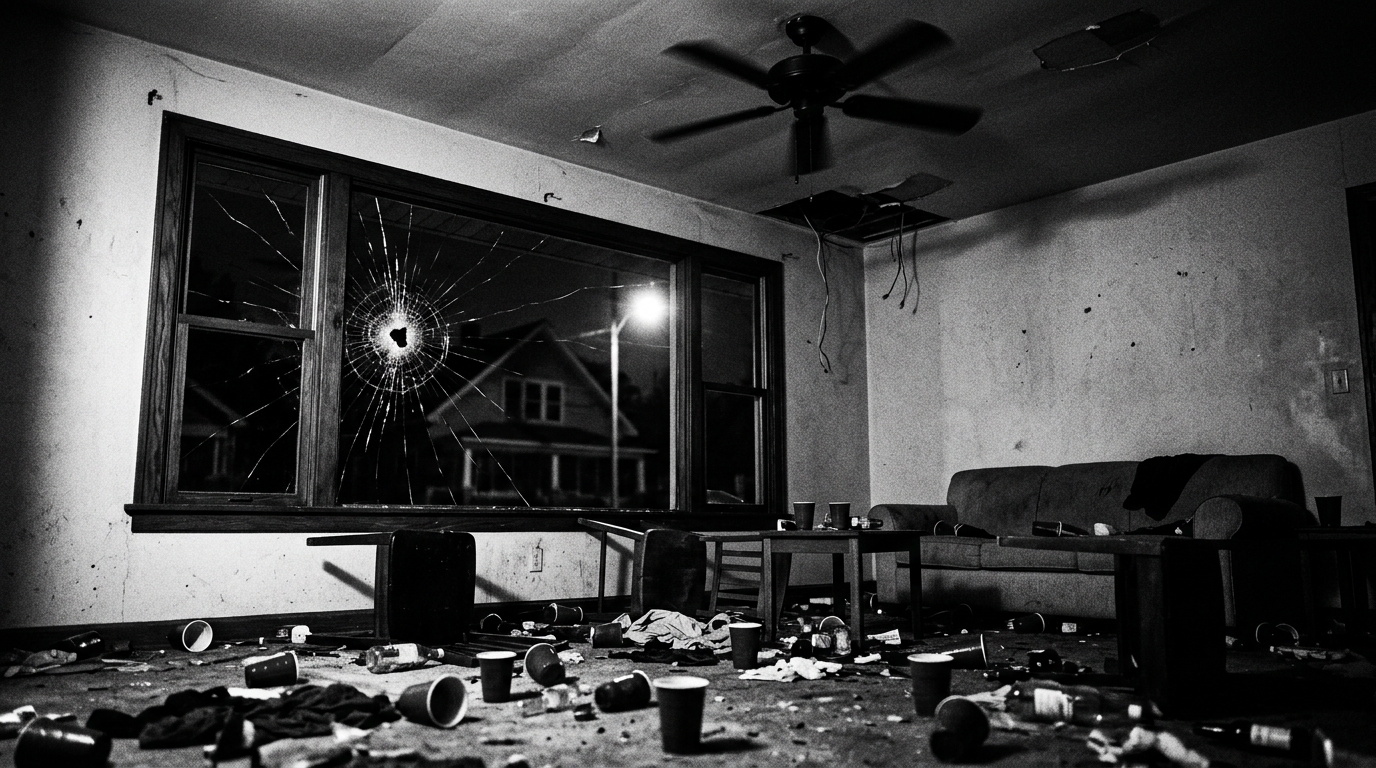
So here's the timeline. On June 24th, Airbnb announced it was activating its anti-party screening technology across the US for the fifth consecutive year heading into July 4th weekend. They blocked over 20,000 bookings last year during the same period. Machine learning. Predictive analytics. Risk assessment on reservation patterns. Four days later, roughly 20 people were at a party in a short-term rental on Louisiana Avenue in New Orleans when shots were fired at 2:57 AM. One man went to the hospital. The shooter fled.

Let's talk about what this actually does. Airbnb's anti-party system is a booking-level filter. It analyzes reservation characteristics... proximity of the guest to the listing, length of stay, last-minute booking patterns, property type... and blocks or redirects bookings that score high-risk. That's a pre-booking intervention. It does nothing once the guest is inside the property. Nothing at 2:57 AM when 20 people are in a house and someone pulls a gun near a side alley. The technology addresses reservation fraud patterns. It does not address what happens inside a building with no security staff, no surveillance infrastructure, and no on-site management. Those are two fundamentally different problems, and Airbnb's system solves exactly one of them.

And this is where it gets interesting for anyone running a hotel in a market like New Orleans. The city already has some of the strictest STR regulations in the country. Platforms have been required to verify valid city permits before allowing bookings since June 2025. Over 1,000 unlicensed properties got pulled from the platform last year. Fines run $1,000 per day for illegal listings. Residential neighborhoods cap STRs at one per block via lottery. New Orleans is doing more than almost any city to regulate short-term rentals... and a party still happened, and someone still got shot. Regulation creates compliance frameworks. It doesn't create operational control. There's no permit requirement that puts a trained person on-site at 3 AM.

Look, I'm not here to dunk on Airbnb's technology. The booking-level screening is real engineering and it demonstrably reduces unauthorized party bookings at scale. But there's a gap between "we blocked 20,000 reservations" and "nobody got hurt at a rental property this weekend," and that gap is the entire operational infrastructure that hotels provide and STRs structurally cannot. Professional security. Staffed front desks. CCTV. Noise monitoring that triggers an actual human response. A night auditor who can call the police and manage the situation instead of... nobody. The Dale Test question here is brutal: when this system fails, what's the recovery path for the person on the smallest shift? At an STR, there is no smallest shift. There's no shift at all. There's an app notification and a hope that the neighbor calls 911.

Research shows guests who mention safety concerns in reviews are 60% less likely to book on Airbnb again. That's a number, but it's also a positioning opportunity that most hotel operators completely ignore in their own marketing. You have 24/7 staffing. You have security protocols. You have someone whose literal job is to be in the building when things go wrong at 3 AM. That's not a feature you should be shy about... especially in markets where STR incidents make the local news the week before a holiday weekend.

Operator's Take

Here's what I'd do if I'm running a hotel in any market with significant STR inventory, and especially in New Orleans heading into July 4th. Pull the local news coverage of this shooting and share it with your sales and marketing team Monday morning. Not to be ghoulish... to be strategic. Your property has something no short-term rental can offer: someone is always there. A trained human being at 3 AM who can respond, intervene, call authorities, and manage the situation. That's not a line item on your P&L... it's the single biggest operational differentiator you have against the STR next door. If your website doesn't mention 24/7 staffing and on-site security in the first scroll, fix that this week. If your OTA listings don't emphasize safety infrastructure, update them. You're already paying for the staff. Make sure the guest knows they're there before they book the rental down the street instead.
— Mike Storm, Founder & Editor
Read full analysis → ← Show less
Source: Google News: Airbnb
A Shooting at a New Orleans Vacation Rental. 20 People at a Party. And Nobody Knows if It Was Even Licensed.

A Shooting at a New Orleans Vacation Rental. 20 People at a Party. And Nobody Knows if It Was Even Licensed.

A man was shot outside a short-term rental hosting a 20-person party in New Orleans' Central City neighborhood early Sunday morning, and the city still can't confirm whether the property had a permit. When over 7,500 STRs are estimated to be noncompliant, incidents like this aren't anomalies... they're the system working exactly as broken as it is.

Available Analysis

I managed a hotel once in a market where the vacation rental next door threw a party every single weekend. Different guests, same chaos. Noise complaints from our guests, trash in the shared parking lot, and one night a fight that spilled into our lobby. I called the owner of the rental. He didn't live in the state. He had no idea what was happening at his property. He just cashed the Airbnb deposits and hoped for the best.

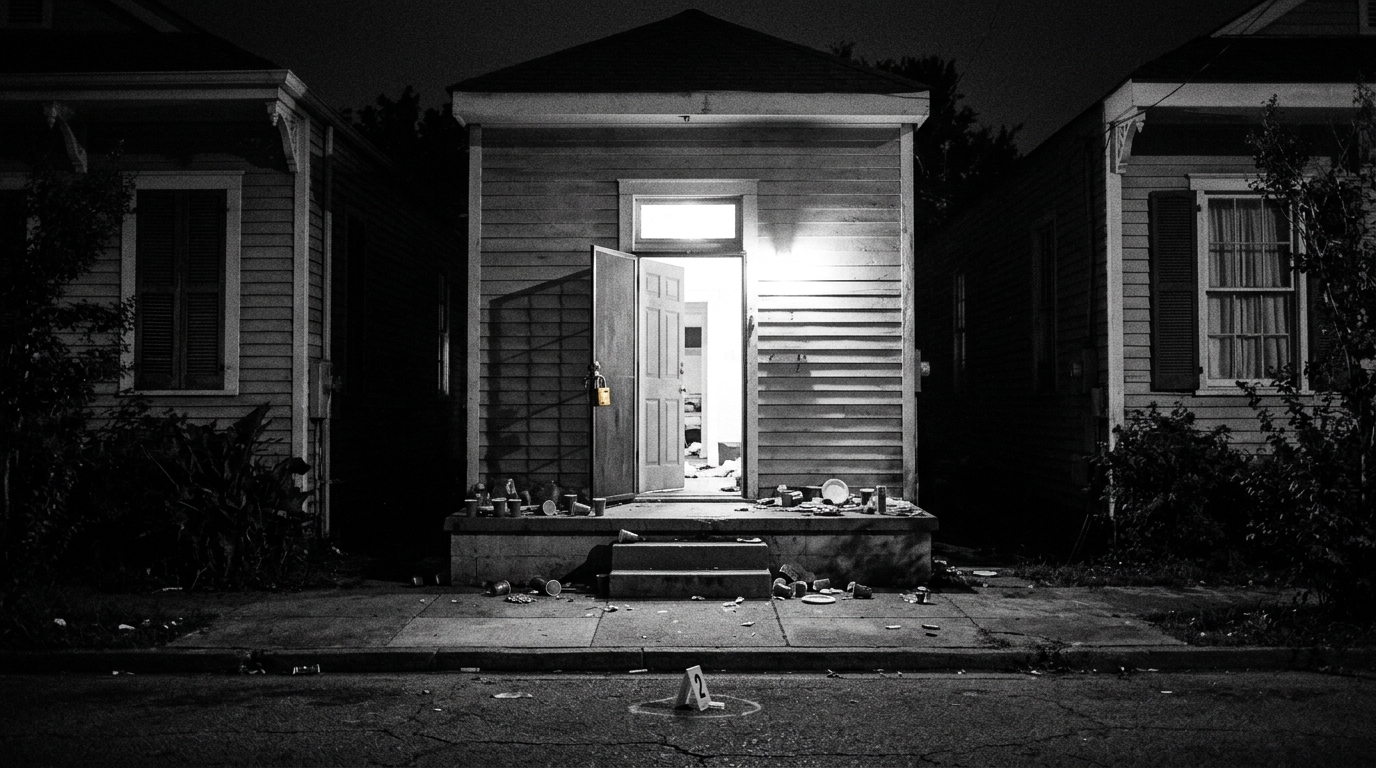
That's the short-term rental enforcement problem in a single story. And New Orleans just got another brutal reminder of what "hoped for the best" actually looks like. Early Sunday morning, someone opened fire outside a vacation rental on Louisiana Avenue in Central City. A man was wounded. Twenty people were at a party inside. The shooter fled. And as of right now, nobody's confirmed whether this property even had a valid permit to operate.

Here's the context that makes this more than a crime blotter item. New Orleans has been fighting this war harder than almost any city in the country. They pulled over 1,000 unlicensed Airbnb listings last August... wiped about 20% of the city's STR inventory in one enforcement sweep. They're paying Granicus over a million dollars to monitor compliance. They have a one-per-block density limit, a lottery system for permits, fines up to $1,000 a day for violations. On paper, it's one of the strictest regulatory frameworks in the country. And yet... as of March 2025, an estimated 7,500-plus STRs were still operating out of compliance. Seven thousand five hundred. The regulations exist. The enforcement can't keep up with the math.

This is the part that should matter to every hotel operator in a market with significant STR competition. Your property has a fire marshal inspection, ADA compliance, life safety systems, security cameras, staffing at the front desk, liability insurance, and an operating license that can be pulled if you don't meet standards. The vacation rental next door has... a listing and a lockbox. When something goes wrong at your hotel, there's a person on site, a protocol, and a paper trail. When something goes wrong at an unregulated STR, there's a crime scene and a property owner who lives in another zip code. That's the competitive landscape, and it's not a level playing field. It never has been. New Orleans hotels reported increased booking inquiries after last year's enforcement crackdown, which tells you exactly what happens when the illegal supply gets cleaned up... the demand was always there, it was just being siphoned.

And here's the thing nobody wants to say out loud. Incidents like this one actually move the needle. Not because anyone wants violence (obviously). But because city councils respond to headlines. Neighborhood groups respond to headlines. Voters respond to headlines. The slow grind of regulatory enforcement gets a lot faster when a shooting makes the evening news. Every hotel GM in New Orleans should be watching how the city responds to this one... because the response will tell you whether the regulatory momentum is real or whether it's just theater.

Operator's Take

If you're running a hotel in a market with heavy STR penetration... and that's most of you at this point... this story is ammunition, and I mean that constructively. Get involved with your local hotel association's STR advocacy efforts if you aren't already. Know how many unlicensed rentals are operating within three miles of your property (your convention and visitors bureau probably has the data, or a service like Granicus can provide it). When your city council holds hearings on STR regulation, show up or send a letter. You're not asking for special treatment. You're asking for the same rules. Your property operates under fire codes, ADA requirements, occupancy taxes, liability standards, and staffing mandates. The vacation rental down the street hosting 20 people at a party at midnight operates under... nothing. Frame it that way. And if you're in New Orleans specifically, the enforcement momentum is real but fragile. The city just extended its Granicus contract for another year at significant cost. That means they're invested. Make sure your voice is part of the conversation about what happens next.

Read full analysis → ← Show less
Source: Google News: Airbnb
New Orleans Extended-Stay Battle: Marriott Just Raised the Stakes

New Orleans Extended-Stay Battle: Marriott Just Raised the Stakes

Marriott's 216-room Element property in the CBD signals extended-stay is no longer just about corporate housing. The brands are coming for your monthly business.

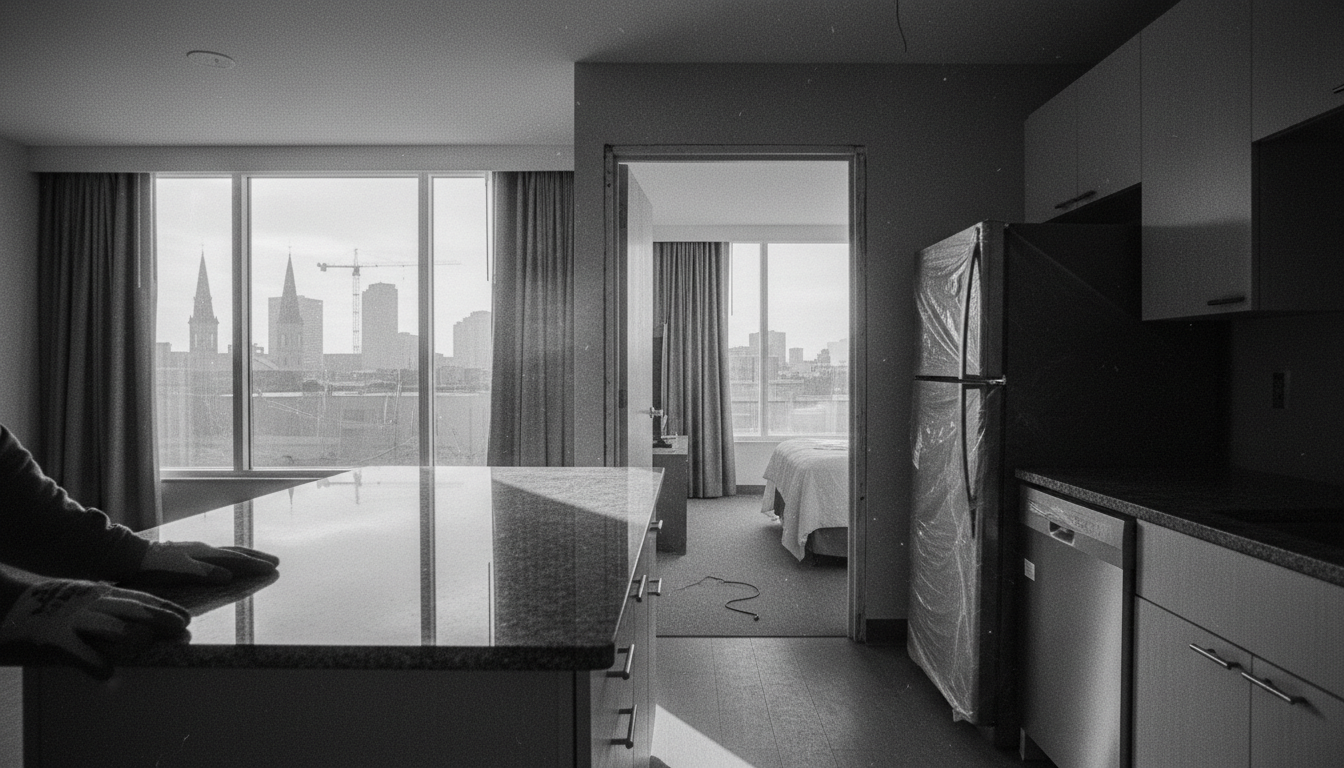
Let me be direct: when Marriott opens a 216-room extended-stay property in downtown New Orleans — not in some suburban office park — they're betting big that extended-stay demand has fundamentally shifted. This isn't your grandfather's Residence Inn tucked away near an airport. This is prime CBD real estate competing directly with traditional hotels for both transient and extended business.

Here's the thing nobody's telling you about Element specifically. They've cracked the code on dual-market appeal. Full kitchens and separate living areas pull extended-stay guests. But throw in those Westin Heavenly beds and daily hot breakfast, and suddenly you're competing for regular business travelers who want more space. I've seen this movie before with Homewood Suites — they started stealing 60-70% of their business from traditional hotels, not other extended-stay brands.

The New Orleans market makes this even more interesting. You've got oil and gas workers doing 2-3 week rotations, film production crews, disaster recovery teams, plus your standard corporate relocations. But now you're also pulling leisure travelers who want to cook their own meals and spread out. A family of four spending five nights? They're looking at $400-500 savings versus separate hotel rooms plus restaurant meals.

If you're running a traditional hotel in any major market, Element's kitchen advantage just became your problem. And if you're operating an older extended-stay property without the wellness positioning and modern finishes, Marriott's loyalty program and brand recognition just made your life harder.

Operator's Take

If you're running a traditional hotel competing for extended-stay business, start partnering with local apartment-style services for kitchen access or consider a limited renovation adding kitchenettes to select floors. If you're operating older extended-stay inventory, your ADR advantage is about to disappear — focus on superior local market knowledge and personalized service the big brands can't match.

Read full analysis → ← Show less
Source: Lodging Magazine
End of Stories