Airbnb's Anti-Party Tech Blocks 20,000 Bookings. Someone Still Got Shot at a Rental Party.
Airbnb just activated its fifth annual July 4th anti-party crackdown days before gunfire erupted at a New Orleans rental party, injuring one person. The technology that's supposed to prevent exactly this keeps getting better on paper... and keeps failing the only test that matters.
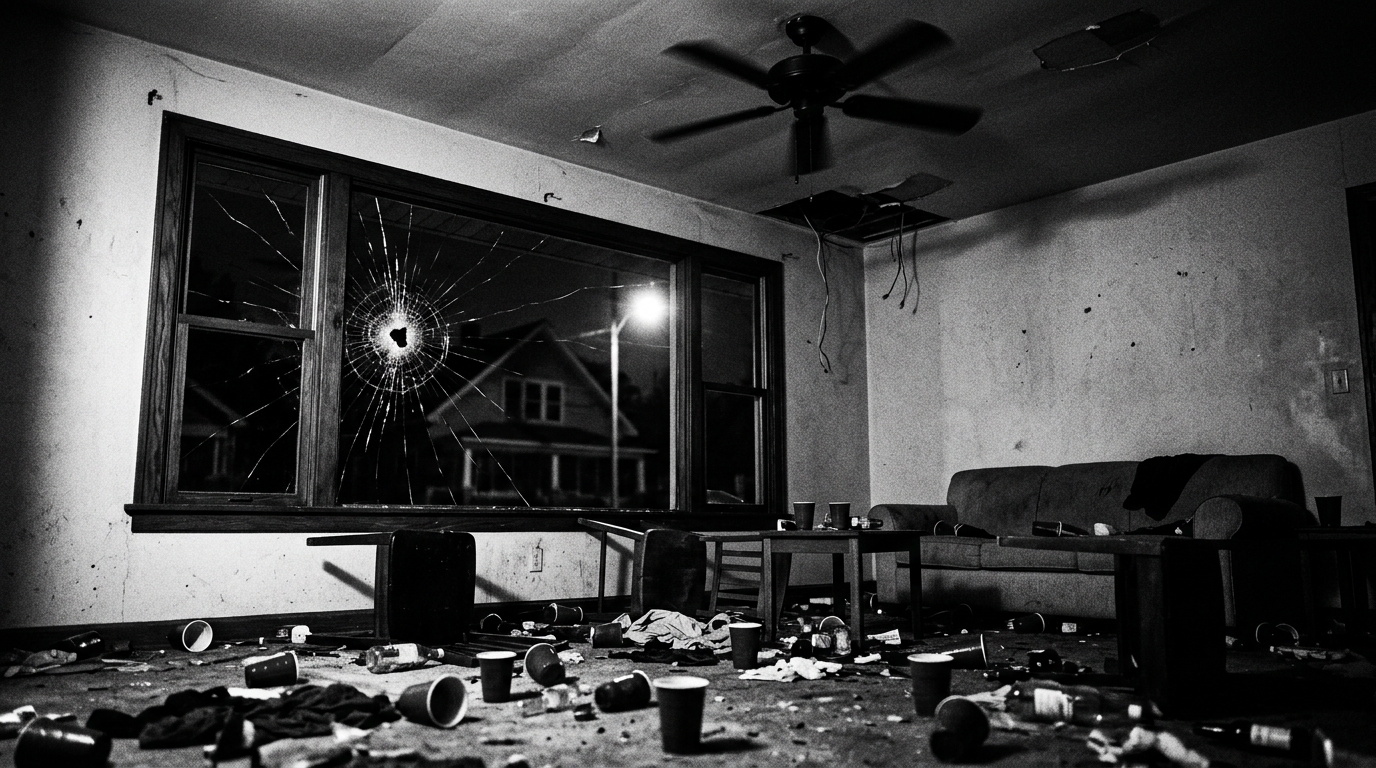
So here's the timeline. On June 24th, Airbnb announced it was activating its anti-party screening technology across the US for the fifth consecutive year heading into July 4th weekend. They blocked over 20,000 bookings last year during the same period. Machine learning. Predictive analytics. Risk assessment on reservation patterns. Four days later, roughly 20 people were at a party in a short-term rental on Louisiana Avenue in New Orleans when shots were fired at 2:57 AM. One man went to the hospital. The shooter fled.
Let's talk about what this actually does. Airbnb's anti-party system is a booking-level filter. It analyzes reservation characteristics... proximity of the guest to the listing, length of stay, last-minute booking patterns, property type... and blocks or redirects bookings that score high-risk. That's a pre-booking intervention. It does nothing once the guest is inside the property. Nothing at 2:57 AM when 20 people are in a house and someone pulls a gun near a side alley. The technology addresses reservation fraud patterns. It does not address what happens inside a building with no security staff, no surveillance infrastructure, and no on-site management. Those are two fundamentally different problems, and Airbnb's system solves exactly one of them.
And this is where it gets interesting for anyone running a hotel in a market like New Orleans. The city already has some of the strictest STR regulations in the country. Platforms have been required to verify valid city permits before allowing bookings since June 2025. Over 1,000 unlicensed properties got pulled from the platform last year. Fines run $1,000 per day for illegal listings. Residential neighborhoods cap STRs at one per block via lottery. New Orleans is doing more than almost any city to regulate short-term rentals... and a party still happened, and someone still got shot. Regulation creates compliance frameworks. It doesn't create operational control. There's no permit requirement that puts a trained person on-site at 3 AM.
Look, I'm not here to dunk on Airbnb's technology. The booking-level screening is real engineering and it demonstrably reduces unauthorized party bookings at scale. But there's a gap between "we blocked 20,000 reservations" and "nobody got hurt at a rental property this weekend," and that gap is the entire operational infrastructure that hotels provide and STRs structurally cannot. Professional security. Staffed front desks. CCTV. Noise monitoring that triggers an actual human response. A night auditor who can call the police and manage the situation instead of... nobody. The Dale Test question here is brutal: when this system fails, what's the recovery path for the person on the smallest shift? At an STR, there is no smallest shift. There's no shift at all. There's an app notification and a hope that the neighbor calls 911.
Research shows guests who mention safety concerns in reviews are 60% less likely to book on Airbnb again. That's a number, but it's also a positioning opportunity that most hotel operators completely ignore in their own marketing. You have 24/7 staffing. You have security protocols. You have someone whose literal job is to be in the building when things go wrong at 3 AM. That's not a feature you should be shy about... especially in markets where STR incidents make the local news the week before a holiday weekend.
Here's what I'd do if I'm running a hotel in any market with significant STR inventory, and especially in New Orleans heading into July 4th. Pull the local news coverage of this shooting and share it with your sales and marketing team Monday morning. Not to be ghoulish... to be strategic. Your property has something no short-term rental can offer: someone is always there. A trained human being at 3 AM who can respond, intervene, call authorities, and manage the situation. That's not a line item on your P&L... it's the single biggest operational differentiator you have against the STR next door. If your website doesn't mention 24/7 staffing and on-site security in the first scroll, fix that this week. If your OTA listings don't emphasize safety infrastructure, update them. You're already paying for the staff. Make sure the guest knows they're there before they book the rental down the street instead.