Today · Mar 31, 2026
A Pound of Cocaine in a Portland Airbnb. And Nobody Checked Who Was Staying There.

A Pound of Cocaine in a Portland Airbnb. And Nobody Checked Who Was Staying There.

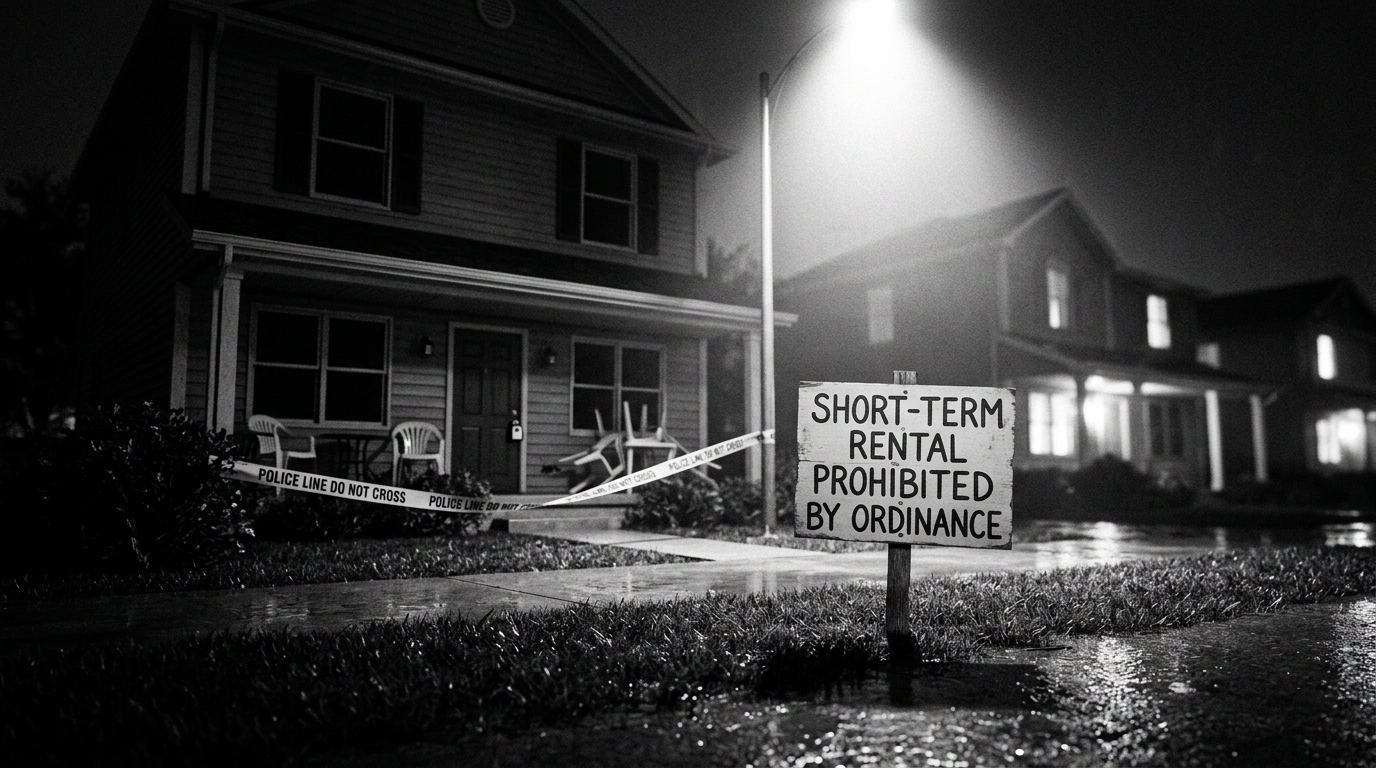
A New York man turned a Portland short-term rental into a drug distribution hub, and the platform's "safety systems" didn't catch a thing. If you're a hotel operator competing against Airbnb on price, maybe it's time to start competing on what you actually provide... accountability.

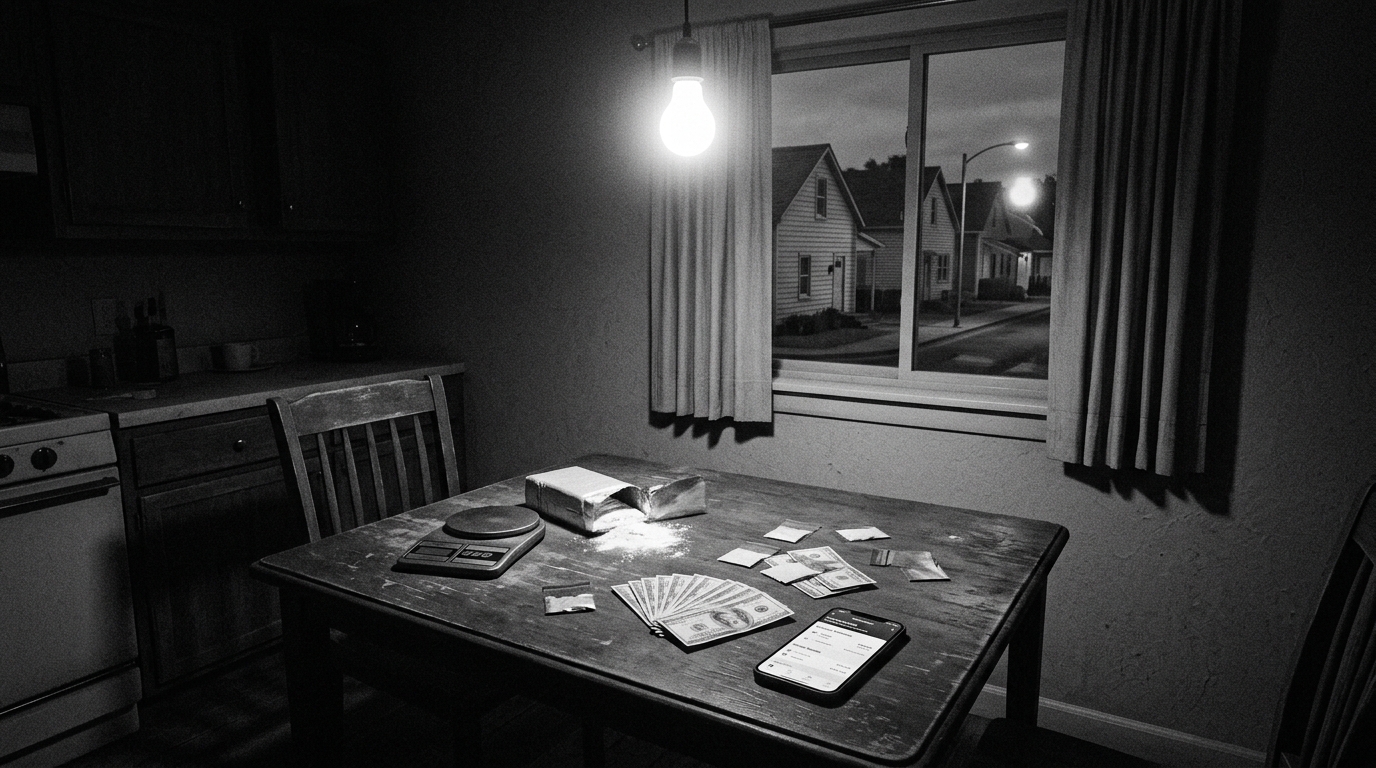
So let me get this straight. A guy from the Bronx books an Airbnb in Portland, Maine, sets up shop with over a pound of cocaine, 13 grams of crack, and $38,000 in cash... and the platform's vaunted trust-and-safety infrastructure catches exactly none of it. Maine drug agents had to do the actual work. The "global Law Enforcement Operations team" Airbnb loves to mention in press statements? Nowhere in this story.

Look, I'm not here to pile on Airbnb for the sake of it. I use the platform. I've recommended it to friends traveling with families who need kitchen space. But this is a technology and accountability story, and it's one the hotel industry should be paying very close attention to. Airbnb's entire safety model is reactive. Their policy says they "take appropriate action when they become aware" of illegal activity. When they become aware. That's the whole game right there. There is no proactive monitoring. There's no night auditor walking the halls. There's no front desk agent noticing that the guest in 204 has had 15 visitors in two hours. There's an algorithm that processes reviews after checkout and a support team that responds to complaints. That's not a safety system. That's a suggestion box.

Hotels have something short-term rentals structurally cannot replicate... humans on-site, 24/7, with eyes on the building. I talked to an independent operator last month who told me his night auditor flagged a noise complaint that turned out to be an illegal poker operation in a suite. Caught it at 1 AM. Called the cops by 1:15. Property was clear by 2. That's not technology. That's a person doing their job in a building with actual oversight. No app does that. No "AI-powered trust system" does that. A person does that.

Here's the technology angle nobody's discussing. Airbnb has the data infrastructure to do more. They have booking pattern analysis. They have payment velocity data. They have the ability to flag anomalous behavior... single-night bookings from out-of-state guests in residential neighborhoods, repeated short stays at the same property, payment patterns that don't match leisure travel. The technology exists. They choose not to deploy it aggressively because aggressive screening creates friction, and friction reduces bookings, and reduced bookings reduce revenue. That's a business decision disguised as a technology limitation. I've built booking systems. I know what you can detect if you actually want to.

The real question for our industry isn't "how do we use this to bash Airbnb?" It's "how do we use this to articulate the value proposition we already have?" Every hotel in America already provides what that Portland Airbnb didn't... accountability, on-site staff, security infrastructure, and a legal entity that answers the phone when something goes wrong. We've been so busy trying to compete with short-term rentals on flexibility and price that we forgot to sell what we actually do better. This story is a reminder. Not every competitive advantage shows up on a rate comparison.

Operator's Take

Here's what I'd do if I were running an independent or select-service property in any market where Airbnb has meaningful share. Take this story and use it... not as a cheap shot, but as a conversation with your local convention bureau, your tourism board, your city council. The argument for short-term rental regulation just got a lot easier to make. If you're in a market where STR regulation is being debated, print this article and bring it to the next public comment session. And for your own property... train your front desk and night audit teams on what suspicious activity looks like. Document your security protocols. Make them visible. When a guest sees a staffed lobby and a security walk at midnight, they're seeing something no Airbnb can offer. That's worth selling. Put it on your website. Put it in your booking confirmation emails. "Staffed 24/7 for your safety" isn't just a line. After a story like this, it's a differentiator.

— Mike Storm, Founder & Editor
Read full analysis → ← Show less
Source: Google News: Airbnb
An Airbnb Booked for 7 Drew 800. Your Neighbor's Rental Is Your Security Problem.

An Airbnb Booked for 7 Drew 800. Your Neighbor's Rental Is Your Security Problem.

A luxury Airbnb in Texas was rented for seven guests. Up to 800 showed up, police fielded shots-fired calls, and the $7.6M property was trashed. Airbnb's "permanent party ban" and anti-party technology didn't stop any of it... which should tell hotel operators something important about the platform's enforcement gap.

Available Analysis

So let me get this straight. Airbnb has a permanent global party ban. They have anti-party reservation prevention technology. They have a 24-hour safety line, a Neighborhood Support Line, mandatory identity verification for 100% of guests, and a partnership with Vrbo to share repeat offender data. And a booking for seven people at a luxury property in Celina, Texas turned into somewhere between 500 and 800 teens and young adults, 911 calls about shots fired, ten armed men at the front gate threatening to kill someone, and a multi-million dollar home left full of broken granite, shattered glass, and garbage.

Let's talk about what this actually tells us.

Airbnb reported a 44% drop in party incidents between 2020 and 2021, and they've been pointing to that stat ever since as proof the system works. But here's the thing about platform-level enforcement in short-term rentals... it's a detection problem, and the detection is fundamentally broken. The anti-party tools are screening for patterns (large group bookings, one-night stays near holidays, guests under a certain age). What they can't screen for is someone booking for seven people and then advertising the address on social media to hundreds of strangers. No algorithm catches that. No identity verification catches that. The property owner, Kishore Karlapudi, says the guests lied about the purpose and size of the booking. Of course they did. Lying to a platform is trivially easy when the platform's enforcement model is built on trusting what guests enter into a form field.

Look, I'm a technology guy. I've built systems that were supposed to prevent exactly this kind of thing... not parties specifically, but the general category of "bad actor circumvents rules because the system trusts declared inputs instead of verifying actual behavior." Every system I've ever seen that relies on self-reported data as its primary control fails the moment someone decides to lie. It's not a technology limitation you can patch. It's an architectural flaw. Airbnb's anti-party measures are sophisticated marketing wrapped around a fundamentally weak enforcement mechanism. They work against careless violators. They do nothing against intentional ones.

For hotel operators, the angle here isn't schadenfreude (though I understand the temptation). It's this: short-term rental platforms are going to keep having these incidents because their enforcement architecture can't prevent them. And every time it happens, two things follow. First, local regulators get louder about short-term rental restrictions... and in markets where those restrictions actually get teeth, hotel pricing power improves measurably. Second, the safety and security gap between hotels and STRs gets wider in the public consciousness. You have a front desk. You have security protocols. You have cameras in public areas (yes, Airbnb banned indoor cameras entirely as of April 2024... hosts can't even monitor their own property's interior). You have staff on-site 24/7. That's not just a service advantage. It's a safety advantage. And incidents like Celina make that advantage impossible to ignore.

The property owner here is dealing with tens of thousands in damage, a listing pulled offline for repairs, and a police report that reads like a small riot. The platform collected its service fee and sent a press statement about its party ban policies. That risk distribution... host absorbs 100% of the downside, platform absorbs 0%... is the structural reality of short-term rentals that doesn't change no matter how many safety features get announced at earnings calls.

Operator's Take

Here's what I'd actually do with this. If you're running a hotel in a market where STR competition is real (and that's most of you), print this story and put it in your next ownership meeting packet. Not to gloat... to make the case for your group sales pitch to event planners, wedding blocks, and corporate accounts. Your property has on-site security, liability coverage, and staff who can intervene before a situation escalates to shots fired. That's a selling point. Say it out loud. If you're in a market with active STR regulation debates, get involved. Show up at the city council meeting. Bring the data. Every incident like Celina is an argument for the level playing field you've been asking for. And if you have STR properties operating in your comp set without the same fire code, occupancy limits, and security requirements your hotel meets... that's not competition. That's a regulatory gap someone should be closing.

— Mike Storm, Founder & Editor
Read full analysis → ← Show less
Source: Google News: Airbnb
End of Stories