Today · Apr 17, 2026
Disney's Spending $60 Billion on Parks. Your 200-Key Down the Road Feels Every Dollar.

Disney's Spending $60 Billion on Parks. Your 200-Key Down the Road Feels Every Dollar.

Disney is gutting and renaming Pop Century Resort as part of a $60 billion parks investment blitz. If you're an independent or branded select-service within 30 miles of Orlando, the competitive pressure just changed shape... and not in the direction you were hoping.

I watched a GM in the Orlando market lose 11 points of occupancy over 18 months once. Not because he did anything wrong. Not because his product deteriorated. Because the 800-pound gorilla three exits up on I-4 decided to renovate, reprice, and reposition... and every family that used to book his 160-key property as a "close enough to Disney" value play suddenly had a shinier option at a price point that made his rate look like a compromise instead of a deal.

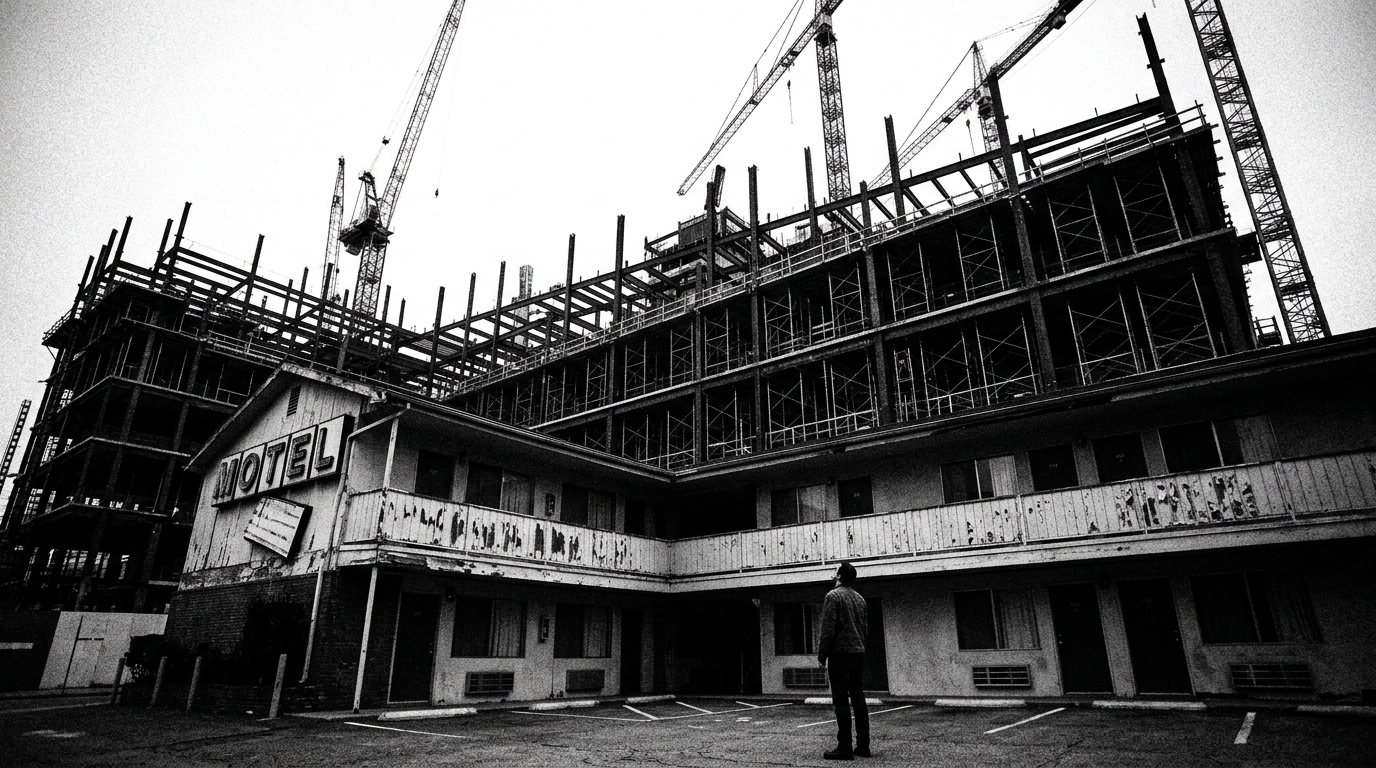
That's the story nobody's writing about Disney sanding down the paint on Pop Century's sign and handing it a new name. The headline is cute... iconic resort gets a facelift, maybe a rebrand, the nostalgia crowd weighs in on social media. Fine. But here's what I see when I read it: Disney is methodically refreshing its entire value and moderate tier at the same time. Pop Century. Contemporary. Animal Kingdom Villas. Polynesian. BoardWalk Inn. Wilderness Lodge. Fort Wilderness. That's not maintenance. That's a portfolio-wide repositioning, and it's happening against the backdrop of a company that has publicly committed $60 billion to Parks and Experiences over the next decade, with $17 billion earmarked specifically for Walt Disney World expansion. New theme park potential. New water parks. More hotel rooms. More commercial space. When Disney decides to get serious about capturing a larger share of the Orlando lodging wallet, they don't send a memo. They send a wrecking ball.

And here's the part that should make every non-Disney hotel operator in Central Florida sit up. Disney has been pushing pricing hard enough that analysts are publicly questioning whether they've gone too far... attendance softened, occupied room nights dipped. So what does Disney do? They don't cut rate (they never cut rate). They renovate the product to re-justify the rate. Fresh rooms, new lobbies, updated theming, possibly entirely new brand identities for properties like Pop Century. That's the playbook. You raise the price, some guests push back, so you raise the product to meet the price. Meanwhile, the independent down the road is still competing on "we're cheaper and closer to the parks." Except now "cheaper" means "dated" in the guest's mind because they just saw what a renovated Disney value resort looks like, and "closer" doesn't matter as much when Disney's transportation infrastructure makes their bubble self-contained.

The timing matters too. Universal's Epic Universe is about to open, and the Orlando market is already seeing promotional activity ramp up. Disney Springs hotels are running spring deals. There's a land grab happening for the Orlando leisure traveler, and it's being fought with capital, not just rate. Disney alone is prepared to deploy billions. Universal is spending billions of its own. If you're a 150-key property on International Drive running 3-star product with a 2019 soft goods package, you are not in the same fight as these people. You're in a different sport entirely. The question isn't whether you can compete with Disney. You can't. The question is whether you understand that the competitive set you've been measuring yourself against just became irrelevant because the entire market is being reshaped above you.

This is what I call the Three-Mile Radius... your revenue ceiling is set by the three miles around your property, not your room count. And when the properties within that radius (or the ones that dominate your demand generators) invest at this scale, your ceiling moves. It doesn't move up. It moves in a direction that compresses your rate power and forces you to re-answer a fundamental question: why does a guest choose you instead of the option that just got $200 million in renovations? If you don't have a crisp, honest answer to that question, you're about to have a very uncomfortable budget season.

Operator's Take

If you're running a non-Disney hotel anywhere in the Orlando-Kissimmee corridor, pull your STR data from the last two quarters and look at your rate premium (or discount) versus the Disney value tier. That gap is about to shift. Disney is renovating its cheapest product to look like what its moderate tier looked like five years ago. Your comp set analysis needs to reflect that reality, not last year's positioning. Talk to your revenue manager this week about what happens to your rate strategy when a freshly renovated Disney resort at $189 is competing with your $139 room that hasn't been touched since 2020. If you're an owner with an Orlando asset and you haven't budgeted a meaningful rooms refresh in the next 18 months, you're not saving money... you're watching your asset depreciate in real time against competitors spending billions. Get a realistic PIP or renovation scope on paper now, before you're negotiating from weakness.

Read full analysis → ← Show less
Source: Google News: Resort Hotels
Disney Just Told Every Hotel in Orlando What Their Rooms Are Really Worth

Disney Just Told Every Hotel in Orlando What Their Rooms Are Really Worth

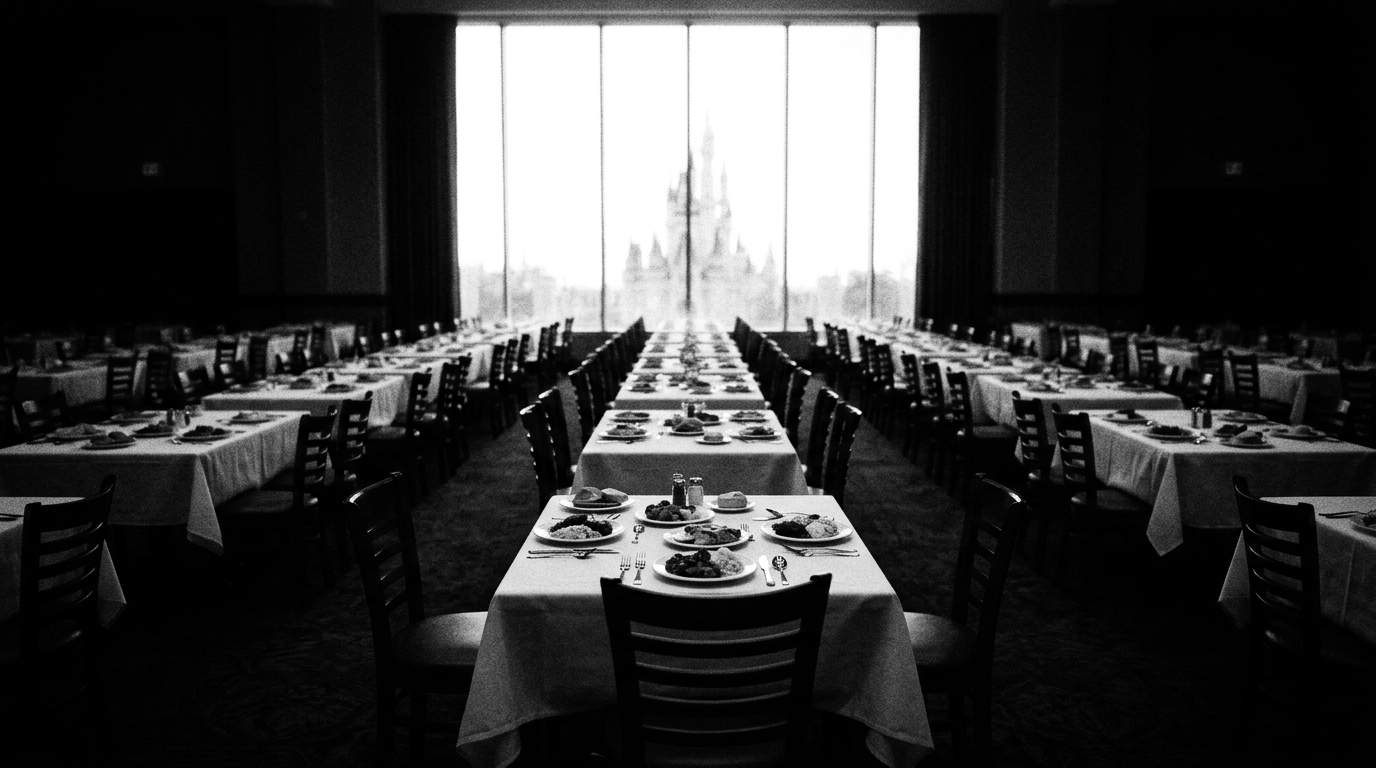
Disney is giving away free dining plans to fill resort rooms this summer and fall. If you're competing for the same tourist dollar within 50 miles of Kissimmee, that's not a promotion... it's a price signal you can't afford to ignore.

Available Analysis

I've seen this movie before. Every few years, the biggest player in a market decides to bundle something expensive into the room rate and call it "free." The press release says "value." The revenue management team at every competing hotel within driving distance says something less printable.

Disney World is offering free dining plans with resort packages for chunks of summer and fall 2026... late June through early October, a stretch in late October, and a couple weeks in December. The dates tell you everything you need to know. These aren't peak periods. These are the weeks when even Disney has trouble filling 30,000+ resort rooms. And the structure is classic Disney financial engineering... you have to book a minimum four-night package with Park Hopper tickets at full price, no discounts. They're not giving anything away. They're shifting the perceived value from one pocket to another. The dining plan has a menu cost to Disney that's a fraction of what the guest perceives it to be worth. Meanwhile, the room rate stays intact on paper, the length of stay gets locked in at four nights minimum, and the per-capita spend inside the parks goes up because guests with dining plans eat on property instead of driving to the Olive Garden on I-Drive.

Here's where it gets interesting for the rest of the Orlando market. Universal's Epic Universe opened last year with 2,000 new hotel rooms. Orlando added 75.3 million visitors in 2024, up less than 2% year-over-year. The pie is barely growing, but the number of forks just multiplied. Disney's response isn't to cut room rates (they never cut room rates... they'd rather burn the hotel down). Instead, they bundle. They add perceived value without touching ADR. And every independent, every Marriott, every Hilton in the I-Drive corridor has to figure out how to compete with "free food" when their F&B operation is a lobby Grab-and-Go and a breakfast buffet that runs out of eggs by 9:15.

I worked in a market once where the dominant resort ran a similar bundling play during shoulder season. Every competing hotel in the comp set watched their midweek occupancy drop 4-6 points within 60 days. The instinct was to cut rate. A few did. Took them 18 months to claw it back. The ones who survived were the ones who found a different value proposition entirely... something the big player couldn't or wouldn't offer. Smaller properties, local experiences, flexibility the mega-resort couldn't match. The lesson wasn't "compete on bundles." The lesson was "don't fight their war."

The broader signal here matters more than the promotion itself. Disney is spending $60 billion on parks over the next decade. They're projecting 8-10% annual revenue growth in their parks segment. They are not in retreat. When a company with that kind of capital decides to get aggressive on filling rooms during soft periods, it reshapes the competitive landscape for every operator in the market. This isn't a coupon. It's a statement about what they think Orlando demand looks like in 2026... and it's not as strong as the visitor numbers suggest.

Operator's Take

If you're running a hotel in the greater Orlando market, especially anything leisure-oriented within an hour of the parks, don't panic and don't cut rate. This is what I call the Rate Recovery Trap... you drop rate to chase occupancy today and spend the next year trying to convince the market you're worth what you were charging before. Instead, look at your shoulder-season packaging right now. What can you bundle that Disney can't? Airport transfers, late checkout with no blackout, pet-friendly policies, kitchen suites for families who actually want to cook half their meals. Find the guest Disney doesn't want (the one who won't spend four nights and buy Park Hoppers) and own that segment. Run your June-through-October pace reports this week against last year. If you're already soft, get your package strategy locked before May. Don't wait for the booking curve to confirm what Disney just told you.

Read full analysis → ← Show less
Source: Google News: Resort Hotels
Disney Just Put a Hotel Guy in Charge of Everything. Pay Attention.

Disney Just Put a Hotel Guy in Charge of Everything. Pay Attention.

When the most profitable division in entertainment promotes its boss to run the whole company, it tells you something about where the money is. And when they backfill him with a guy who ran luxury hotels and cruise ships, it tells you even more.

I've been in this business long enough to know that you can learn everything you need to know about a company's strategy by watching who they promote. Not what the press release says. Who gets the keys.

Josh D'Amaro spent 28 years in Disney's parks and resorts operation. Not streaming. Not content. Not Marvel. Hotels, theme parks, cruise ships... the business of putting heads in beds and bodies through turnstiles. And next week, he becomes CEO of the entire Walt Disney Company. That's not a leadership change. That's a declaration. Disney is telling Wall Street, telling its board, telling every competitor in the market: the Experiences division isn't a division anymore. It's the company. $36 billion in revenue. Over 70% of Disney's total operating income. When your parks and hotels are generating that kind of number, the parks and hotels guy doesn't report to the CEO... he becomes the CEO.

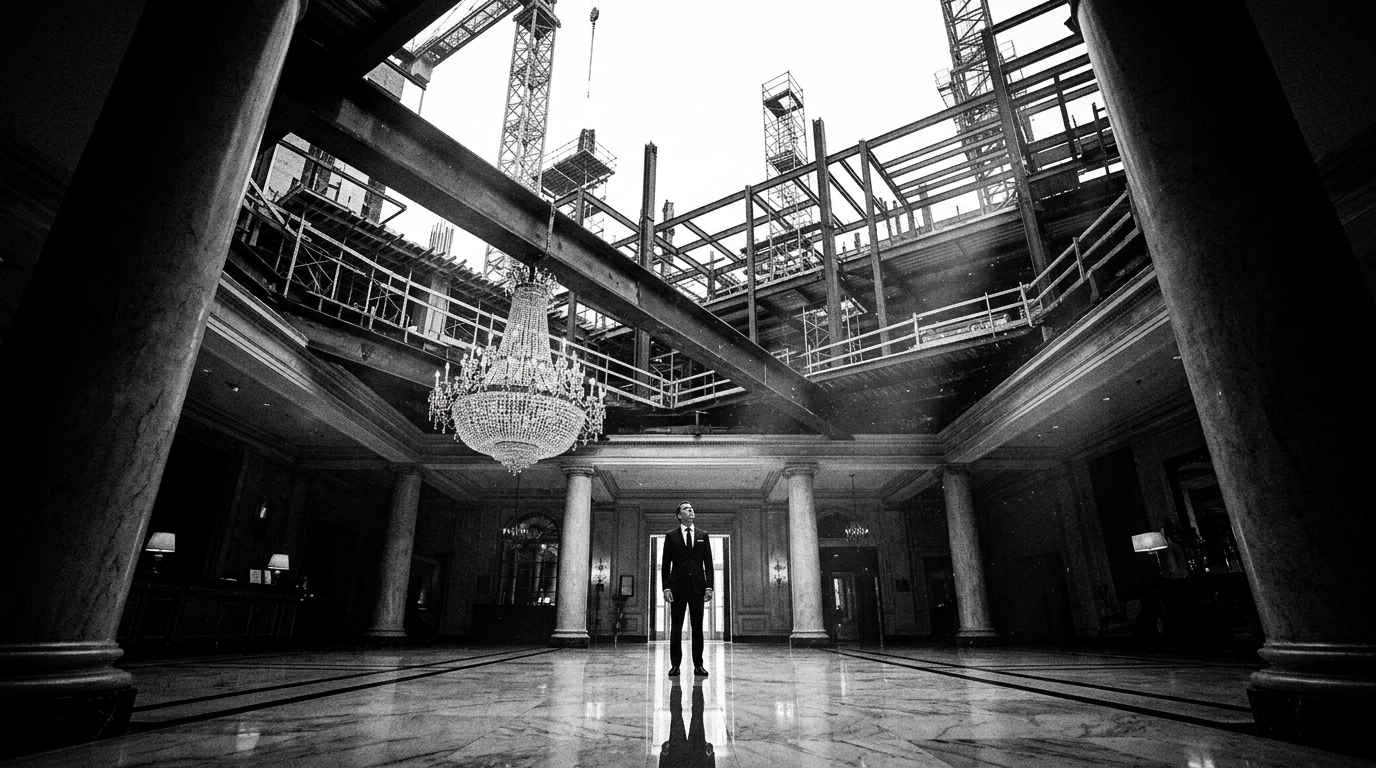
But here's what I want you to focus on. The guy replacing D'Amaro as chairman of Experiences is Thomas Mazloum. And his resume reads like someone I'd want running my hotel. European luxury hospitality background. COO of a cruise line. The guy who built Disney's long-term growth plan for their cruise operation. This isn't a finance person or a content person being dropped into an operational role (I've seen that movie... it ends badly). This is an operator being handed the keys to a $60 billion expansion. Five new cruise ships. Resort renovations across Walt Disney World that are so extensive they're calling 2026 the "Year of the Construction Wall." New themed lands opening through 2029. That's not a capital plan. That's a decade-long bet that physical experiences... rooms, restaurants, attractions, service... matter more than anything else Disney does.

Now here's what nobody's talking about. Disney is running an aggressive discounting strategy right now... two free room nights with vacation packages... specifically because they've got construction everywhere. They're buying market share with rate concessions during a period of disruption. I knew a GM once in a major resort market who watched a massive competitor open across the highway. His owner panicked, wanted to drop rate 30%. The GM said, "We drop rate now, we'll never get it back. Let's invest in the experience and hold our price." He was right. Two years later, the new competitor was chasing rate and he was running at a premium. Disney's doing the opposite right now... they're discounting INTO construction... and the question is whether they can push rate back up once the new capacity comes online in 2027-2029. Their CFO says the room booking pace is weighted toward the back half of 2026, which tells me guests are waiting to see what's on the other side of those construction walls before committing. Smart guests.

What does this mean for the rest of us? Two things. First, if you're operating anywhere in the Orlando market, the next 18 months are going to be chaotic. Disney discounting pulls rate down across the entire comp set. Universal opening Epic Universe adds supply pressure. Every hotel within a 30-mile radius of those parks needs to be war-gaming their pricing strategy right now... not next quarter, now. Second, and this is the bigger picture... Disney is making a $60 billion argument that physical hospitality experiences are the highest-return investment in entertainment. That's validation for every owner, every operator, every investor who believes that putting people in rooms and giving them something worth remembering is a business with a future. When the biggest entertainment company on the planet bets its entire leadership structure on the guy who ran the hotels and parks, that's not just their strategy. That's a signal about where the money is going across the entire industry.

Operator's Take

If you're running a hotel in Central Florida, stop what you're doing and look at your rate strategy for Q3 and Q4 2026. Disney is going to be discounting aggressively, and Universal's new park is going to pull demand. You need a plan for that... not a reactive one, a proactive one. Call your revenue management team this week and model a scenario where your comp set drops ADR 8-12%. Know your floor rate. Know your breakeven. And if you're outside the Orlando blast radius, take the broader lesson: the biggest company in entertainment just bet everything on physical experiences. That's your business. Invest in it like they are.

🗣️
From the Field
5 operator perspectives
Real perspectives from hotel operators and industry professionals who weighed in on this story.
Lou D'Angeli Marketing/Sales and Live Events Executive
The problem isn't the discount. It's getting the rate back once you've trained your market to expect it. Coming from entertainment and sports—specifically ticket revenue—I've seen this firsthand. Once buyers get used to a certain price, they expect it (or something close to it) going forward. Meanwhile, the seller is stuck because all the forecasts assume ticket revenue recovery, not sustained discounting. The idea that 'we'll discount now, expose new people to the product, and charge more next time' sounds good in theory. In reality? Not likely.
Jonathan C Baz, CFBE Executive Director Food & Beverage, Luxury Hospitality Operations
Promotions often reveal strategy more clearly than any press release. Disney elevating a leader from its Parks, Resorts, and Cruise division underscores where the company's real economic engine sits — experiential hospitality. With the Experiences segment driving the majority of operating income, the message is clear: physical destinations and immersive guest experiences are the future of the brand. The danger isn't the discount itself, it's training the market to expect lower rates and struggling to rebuild ADR later. The world's largest entertainment company is doubling down on leaders who know how to fill rooms, ships, and parks. That says a lot about where the long-term value in hospitality and entertainment is headed.
David Anthony Entertainment Executive
I was fortunate to work with Josh briefly when he was running Disneyland. While he's not reckless he's not totally risk averse. He reminds me quite a lot of Bob Iger. I can see why he got the job and I believe Disney will continue to thrive under his leadership.
David Anthony Entertainment Executive
I think Eisner set the tone when he said that the company should be led by the creative. Iger perfected that. Unfortunately I don't think Chapek fully understood that. I do believe that Josh is the natural progression from Bob. And that comes from some things I personally witnessed in my time there.
Mark D Hodgson Hospitality Floor Care Expert, National Coverage
I'm in the Orlando market, and it will be interesting to watch how properties respond over the next year. When ADR starts compressing, the instinct is often to compete with discounts. The smarter operators compete on experience quality. Cleanliness, condition, and maintenance quietly become competitive advantages during those periods. The properties that protect the guest experience under pressure usually win long term.
Join the conversation — follow Mike Storm on LinkedIn
Read full analysis → ← Show less
Source: Google News: Park Hotels & Resorts
End of Stories