Today · Aug 13, 2026
50 Rounds at a Short-Term Rental. And Your City Council Is Watching.

50 Rounds at a Short-Term Rental. And Your City Council Is Watching.

A party at a Cincinnati short-term rental turned into a 50-round shootout at midnight, and if you think this is just an Airbnb problem, you're not paying attention to what happens next at your zoning board.

Available Analysis

I managed a hotel once that sat three blocks from a residential neighborhood full of party houses. Not short-term rentals... just regular houses where college kids threw parties every weekend. Noise complaints, parking chaos, the occasional ambulance. You know what happened? The city cracked down. New noise ordinances, stricter parking enforcement, heavier police presence. All good things. Except the enforcement net didn't distinguish between the party houses and my hotel. We got swept up in the new rules too. Took us six months and a lawyer to get the city to understand that a licensed, staffed, insured commercial lodging property was not the same thing as a house full of 22-year-olds with a keg and a Bluetooth speaker.

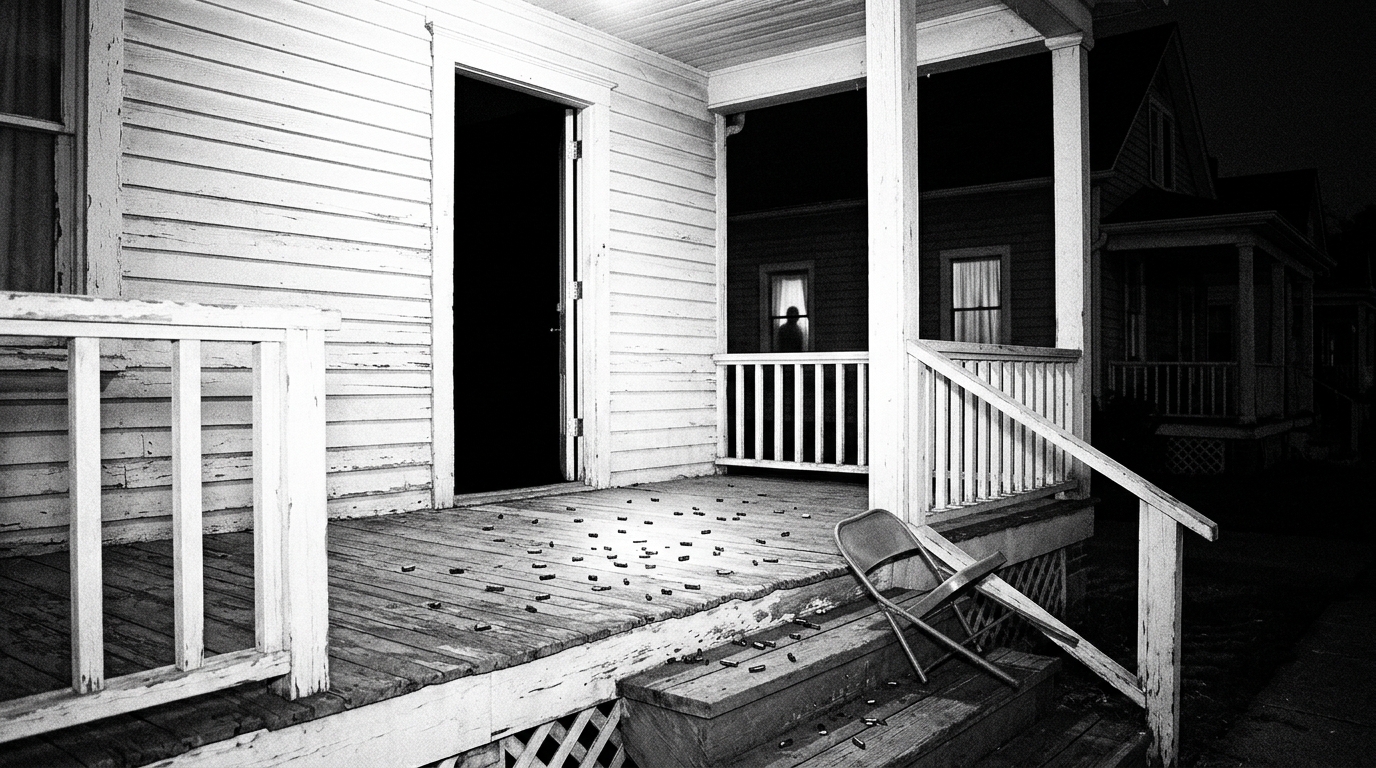
That's where this Corryville story goes. Somebody rented a short-term rental in a Cincinnati neighborhood near the VA hospital, threw a party, and around 12:30 AM on Tuesday, roughly 50 rounds were fired between the front porch and the inside of the house. One person shot in the shoulder. One person in custody. Shell casings everywhere. And every city council member in every mid-size American city just added "STR enforcement" to their next meeting agenda.

Here's what nobody in the hotel industry wants to say out loud... we benefit from these incidents. Every shooting, every party house, every neighborhood that gets wrecked by an unregulated rental pushes the regulatory pendulum toward stricter STR oversight. Hamilton County is already looking at extending its 6.5% hotel tax to cover roughly 1,300 short-term rentals, which would generate an estimated $400,000 annually. Cincinnati already requires a $250 registration fee and a 7% excise tax on STR revenue. Ohio has state bills in play (SB 104 and HB 109) that would actually limit how much cities can regulate STRs. An incident like this makes those bills harder to pass. That's just political reality.

But here's the part that should make hotel operators uncomfortable. The regulatory energy that incidents like this create doesn't always land where you want it to. I've seen cities respond to STR problems by tightening rules on ALL short-term lodging. Occupancy taxes go up across the board. Noise ordinances get written so broadly that your hotel's outdoor event space gets caught in the net. Fire inspections get more aggressive (which is fine if you're current, but if you've been deferring that alarm panel upgrade...). The political instinct is to regulate broadly because it's easier than regulating precisely. And once a council member has "public safety" as justification, the scope of what they'll regulate expands fast.

The deeper issue is the competitive asymmetry that still exists in most markets. Your hotel carries liability insurance, workers' comp, ADA compliance costs, fire suppression systems, 24-hour staffing, and commercial property taxes. The STR down the street carries a $250 registration fee and a host who may or may not answer the phone at midnight when shots are fired. That's not a level playing field. It never has been. And incidents like Corryville don't level it... they just make the conversation louder for a few weeks before everyone moves on to the next thing. Unless operators actually show up at the council meetings. Which most don't.

Operator's Take

If you're a GM or owner in a market where STR regulation is being debated... and right now, that's most markets... this is your window. Pull your city's STR registration data (it's usually public record) and count how many are operating within three miles of your property. Know the number before your next council meeting. Show up at that meeting. Not to trash Airbnb... that makes you look self-interested. Show up to talk about public safety, insurance requirements, and the cost differential between a licensed commercial property and an unregulated rental. Bring your certificate of occupancy, your insurance binder, your fire inspection report. Make the case that regulated lodging and unregulated lodging shouldn't compete under the same rules. And if your state has preemption legislation in play that would strip local STR authority, know about it. Because the operators who engage the political process shape the outcome. The ones who don't just live with whatever gets decided without them.
Read full analysis → ← Show less
Source: Google News: Airbnb
A Shooting at a New Orleans Vacation Rental. 20 People at a Party. And Nobody Knows if It Was Even Licensed.

A Shooting at a New Orleans Vacation Rental. 20 People at a Party. And Nobody Knows if It Was Even Licensed.

A man was shot outside a short-term rental hosting a 20-person party in New Orleans' Central City neighborhood early Sunday morning, and the city still can't confirm whether the property had a permit. When over 7,500 STRs are estimated to be noncompliant, incidents like this aren't anomalies... they're the system working exactly as broken as it is.

Available Analysis

I managed a hotel once in a market where the vacation rental next door threw a party every single weekend. Different guests, same chaos. Noise complaints from our guests, trash in the shared parking lot, and one night a fight that spilled into our lobby. I called the owner of the rental. He didn't live in the state. He had no idea what was happening at his property. He just cashed the Airbnb deposits and hoped for the best.

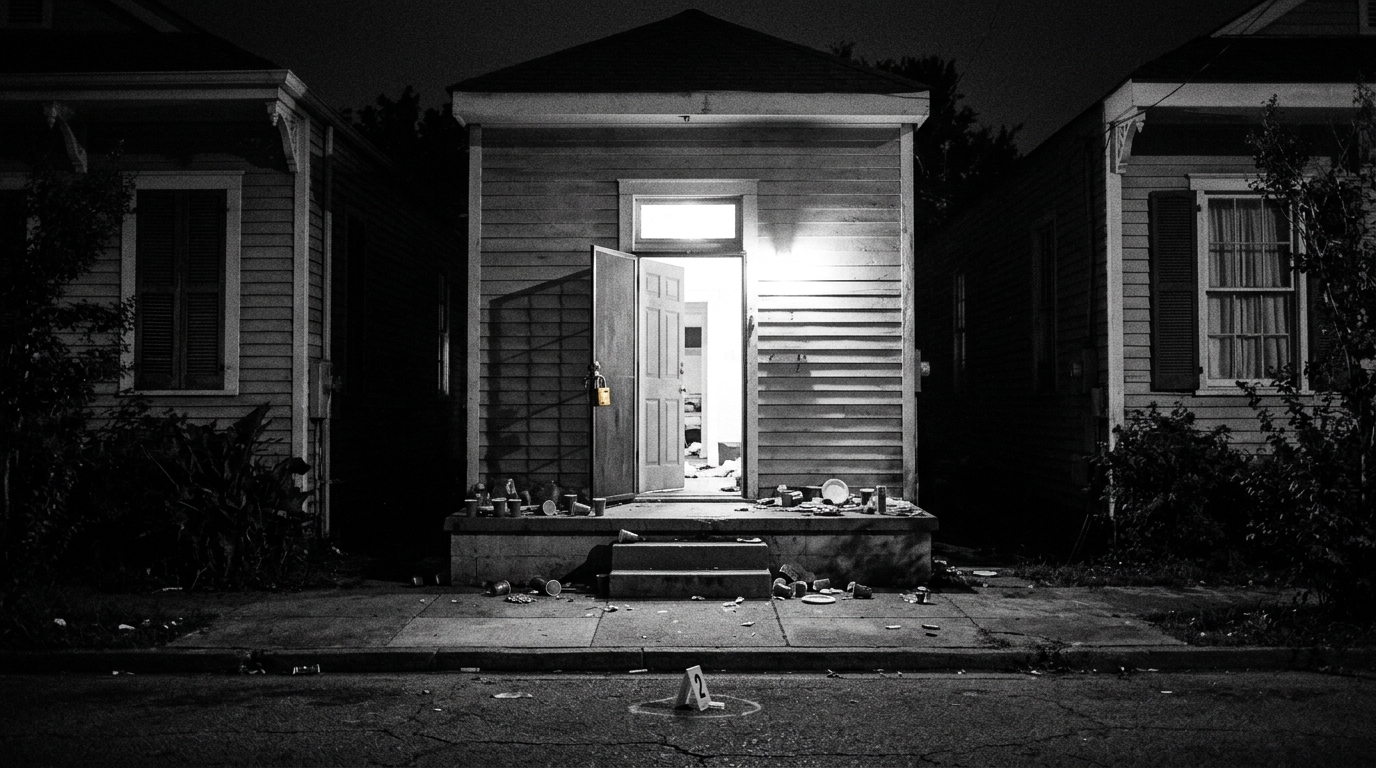
That's the short-term rental enforcement problem in a single story. And New Orleans just got another brutal reminder of what "hoped for the best" actually looks like. Early Sunday morning, someone opened fire outside a vacation rental on Louisiana Avenue in Central City. A man was wounded. Twenty people were at a party inside. The shooter fled. And as of right now, nobody's confirmed whether this property even had a valid permit to operate.

Here's the context that makes this more than a crime blotter item. New Orleans has been fighting this war harder than almost any city in the country. They pulled over 1,000 unlicensed Airbnb listings last August... wiped about 20% of the city's STR inventory in one enforcement sweep. They're paying Granicus over a million dollars to monitor compliance. They have a one-per-block density limit, a lottery system for permits, fines up to $1,000 a day for violations. On paper, it's one of the strictest regulatory frameworks in the country. And yet... as of March 2025, an estimated 7,500-plus STRs were still operating out of compliance. Seven thousand five hundred. The regulations exist. The enforcement can't keep up with the math.

This is the part that should matter to every hotel operator in a market with significant STR competition. Your property has a fire marshal inspection, ADA compliance, life safety systems, security cameras, staffing at the front desk, liability insurance, and an operating license that can be pulled if you don't meet standards. The vacation rental next door has... a listing and a lockbox. When something goes wrong at your hotel, there's a person on site, a protocol, and a paper trail. When something goes wrong at an unregulated STR, there's a crime scene and a property owner who lives in another zip code. That's the competitive landscape, and it's not a level playing field. It never has been. New Orleans hotels reported increased booking inquiries after last year's enforcement crackdown, which tells you exactly what happens when the illegal supply gets cleaned up... the demand was always there, it was just being siphoned.

And here's the thing nobody wants to say out loud. Incidents like this one actually move the needle. Not because anyone wants violence (obviously). But because city councils respond to headlines. Neighborhood groups respond to headlines. Voters respond to headlines. The slow grind of regulatory enforcement gets a lot faster when a shooting makes the evening news. Every hotel GM in New Orleans should be watching how the city responds to this one... because the response will tell you whether the regulatory momentum is real or whether it's just theater.

Operator's Take

If you're running a hotel in a market with heavy STR penetration... and that's most of you at this point... this story is ammunition, and I mean that constructively. Get involved with your local hotel association's STR advocacy efforts if you aren't already. Know how many unlicensed rentals are operating within three miles of your property (your convention and visitors bureau probably has the data, or a service like Granicus can provide it). When your city council holds hearings on STR regulation, show up or send a letter. You're not asking for special treatment. You're asking for the same rules. Your property operates under fire codes, ADA requirements, occupancy taxes, liability standards, and staffing mandates. The vacation rental down the street hosting 20 people at a party at midnight operates under... nothing. Frame it that way. And if you're in New Orleans specifically, the enforcement momentum is real but fragile. The city just extended its Granicus contract for another year at significant cost. That means they're invested. Make sure your voice is part of the conversation about what happens next.

Read full analysis → ← Show less
Source: Google News: Airbnb
End of Stories