Today · Jul 31, 2026
Boyd Gaming Built a $250M Casino in 2008. They Blew It Up 18 Years Later for Housing Lots.

Boyd Gaming Built a $250M Casino in 2008. They Blew It Up 18 Years Later for Housing Lots.

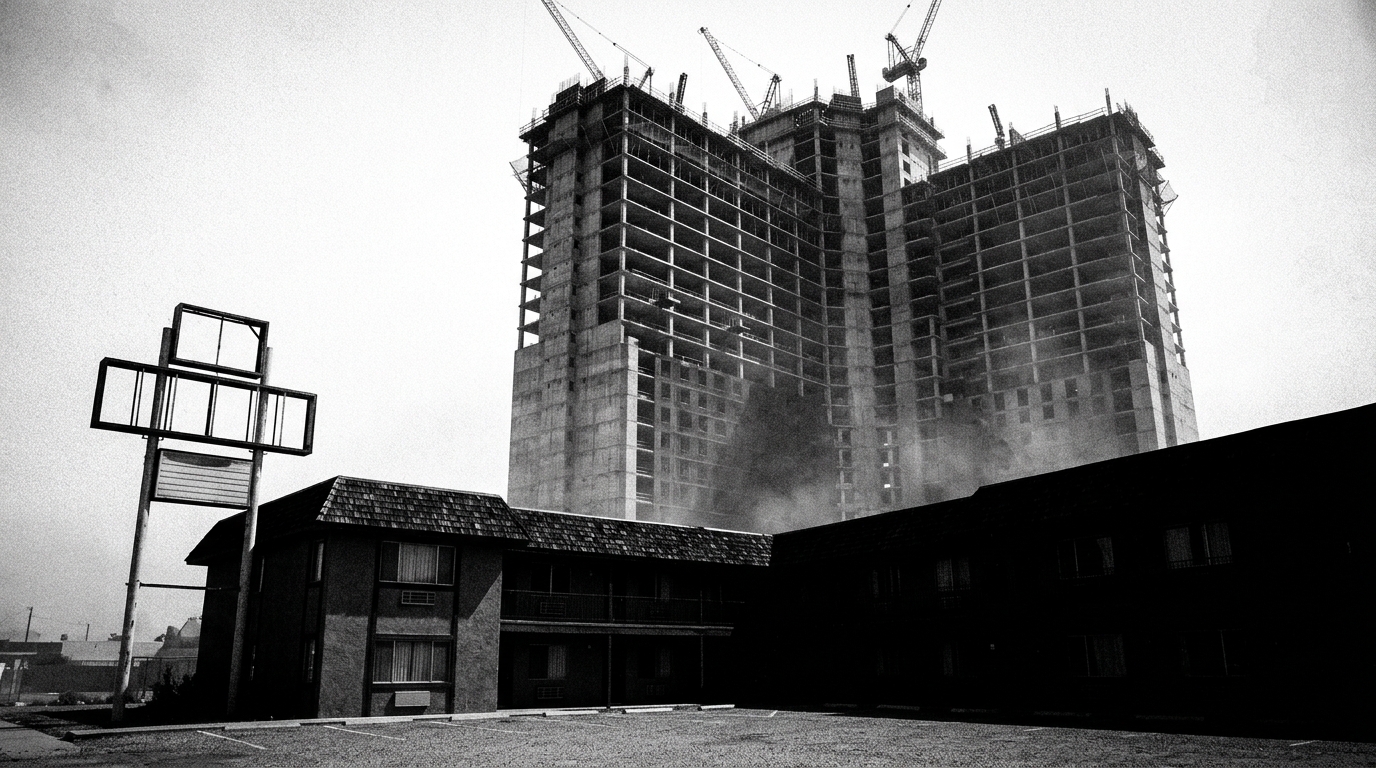
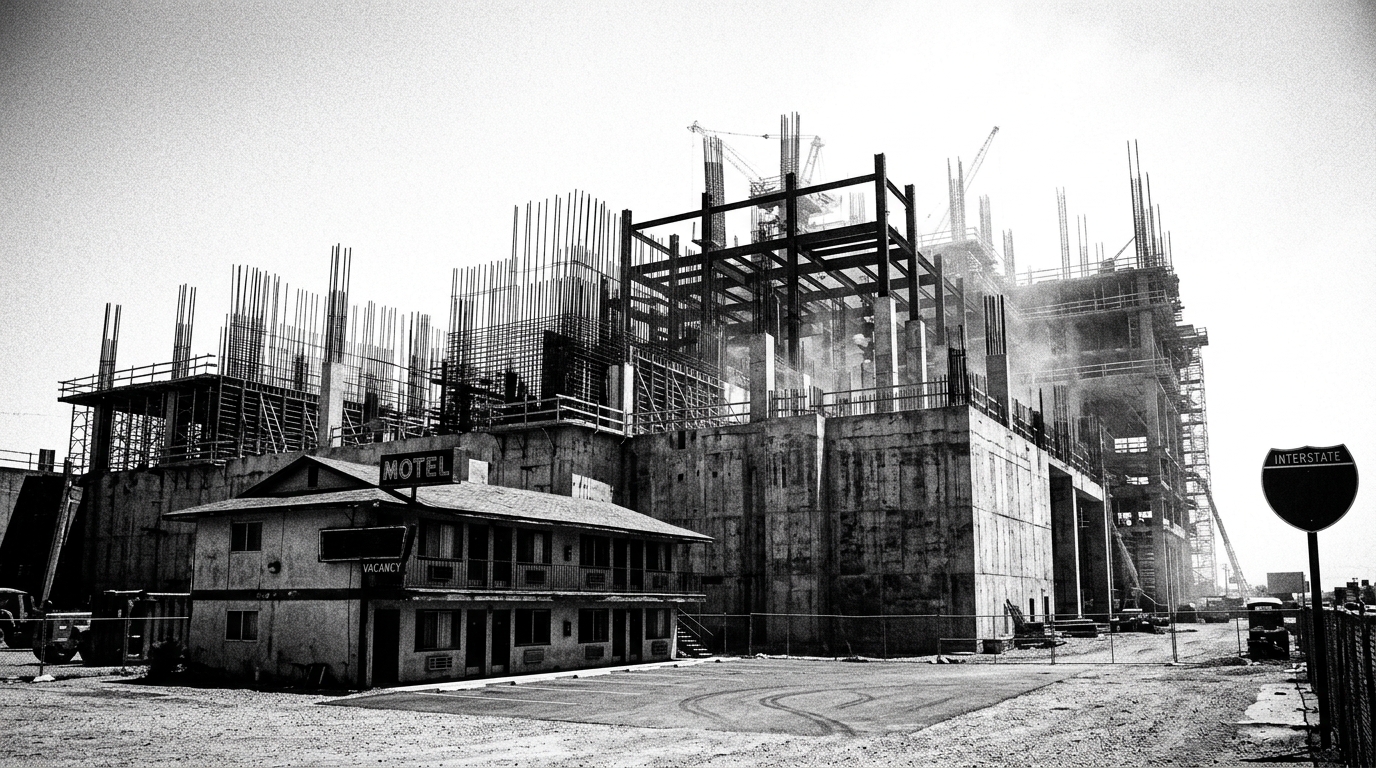
The Eastside Cannery wasn't some relic from the Rat Pack era... it was younger than most iPhones when they brought the demolition crew in. When a quarter-billion-dollar asset becomes more valuable as dirt, that's not a Vegas story. That's an ownership story every operator should understand.

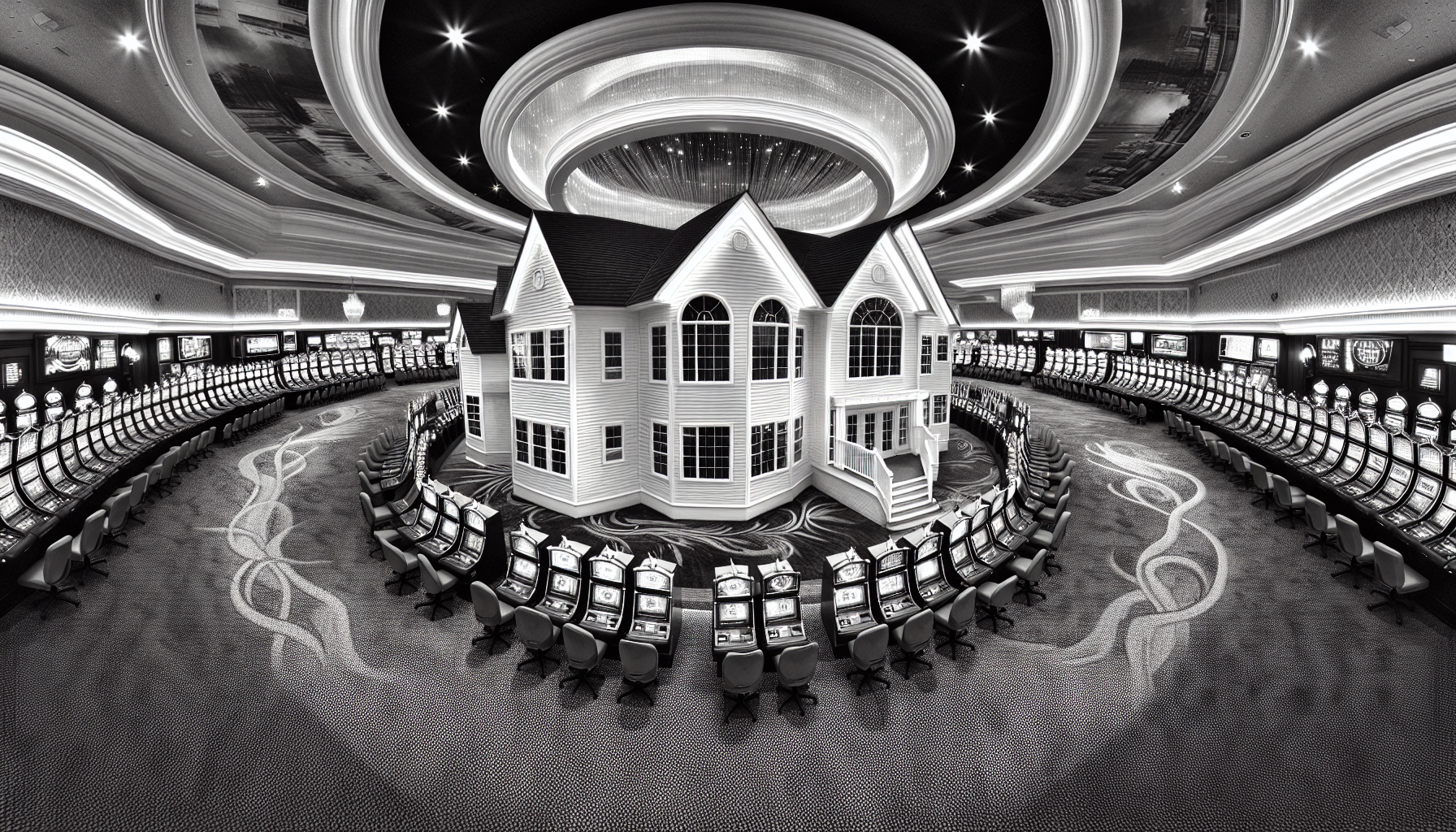
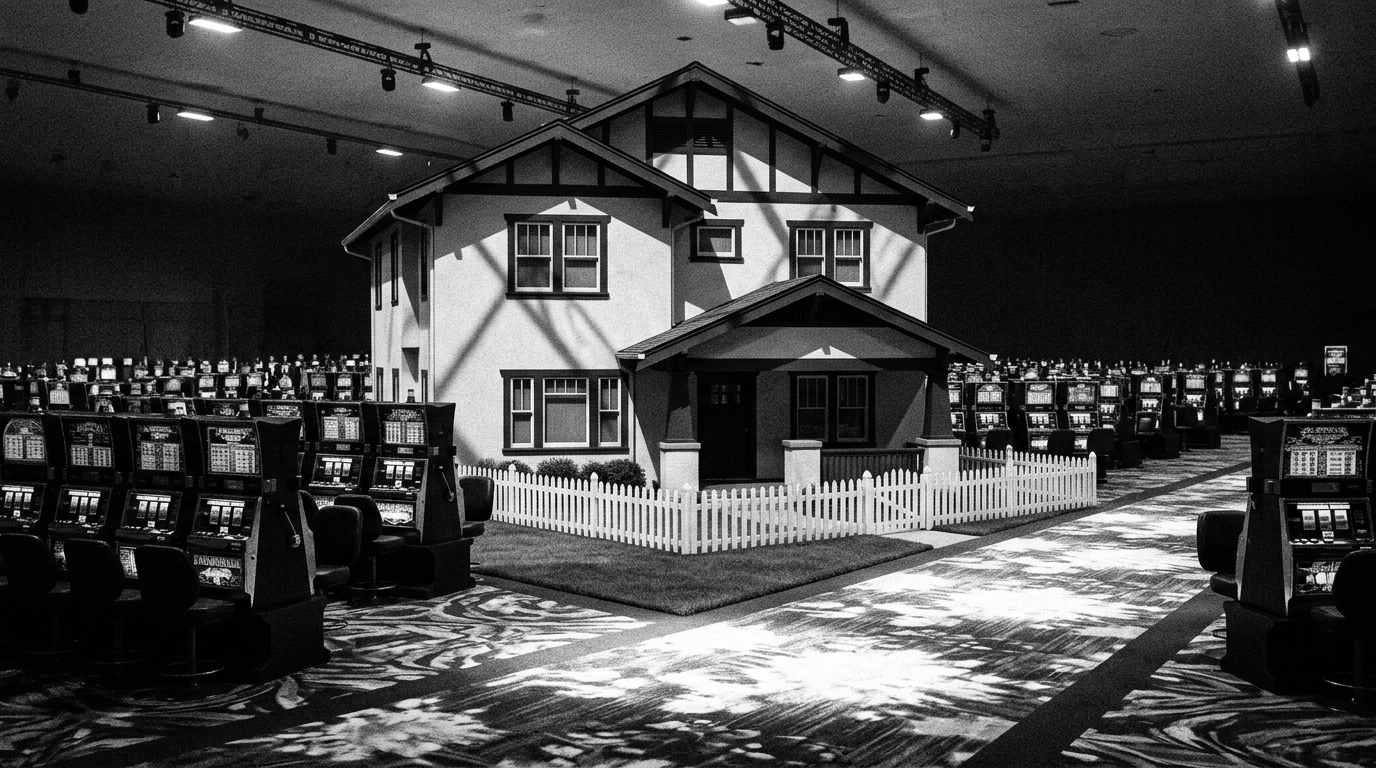
I watched a guy build a house once. Custom job. Took him two years, cost him everything he had, and he was so proud of it he threw a party the night they finished the landscaping. Eleven years later, the neighborhood had shifted, the schools had changed, the demographics weren't what the original pro forma assumed. He sold it to a developer who scraped it and put up townhomes. He told me, "The house was fine. The house was great, actually. The market just decided it didn't need my house anymore." He wasn't angry. He was tired. There's a difference.

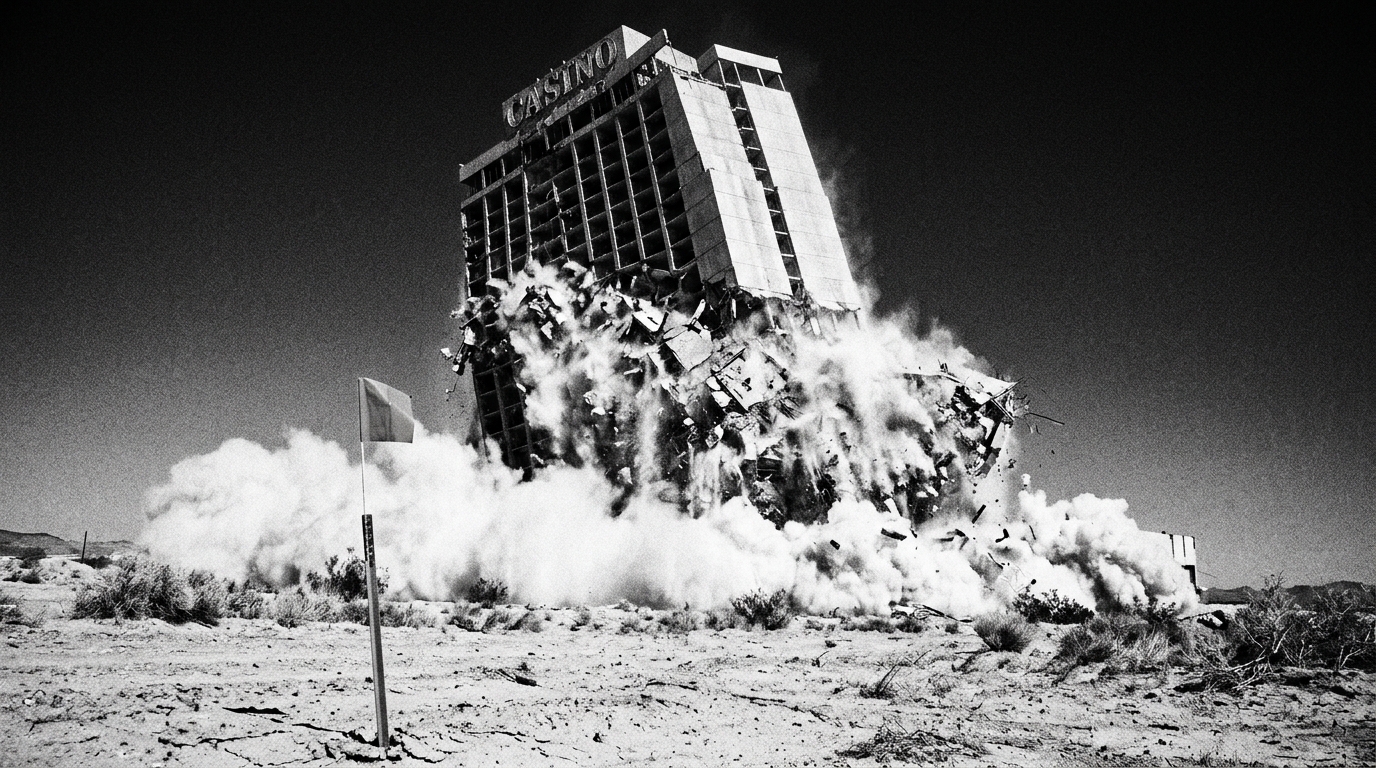
That's the Eastside Cannery. A $250 million casino-hotel that opened in the summer of 2008... which, if you remember your economic history, was roughly the worst possible moment to open anything that required discretionary spending from locals. Bill Wortman built it on Boulder Highway to serve the east side of town. Boyd Gaming picked it up in 2016 as part of their Cannery Casino Resorts acquisition. COVID shut it down in March 2020. And here's the part that should make every owner in America pause: Boyd never reopened it. Not in 2021 when Vegas was roaring back. Not in 2022. Not ever. Six years of just... sitting there. Dark. Until they imploded the tower on March 5th and announced they're selling the land for housing.

Eighteen years old. That's it. The Tropicana lasted 67 years before they brought the wrecking ball. The Dunes made it 38. The Eastside Cannery didn't even get old enough to rent a car. And the reason Boyd gave... "insufficient market demand"... is four words that carry about $250 million worth of pain. Because somewhere in a filing cabinet, there's an original feasibility study for that property that said the east side of Las Vegas needed another casino-hotel. That study was wrong. Or it was right for a moment and the moment passed. Either way, a quarter of a billion dollars in construction costs evaporated, and the highest and best use of the land turned out to be residential lots. Not a renovation. Not a rebrand. Not a repositioning. Housing.

Here's what I keep thinking about. Boyd is a sophisticated operator. They didn't make this decision emotionally. They looked at the cost to reopen (deferred maintenance on six years of vacancy alone would be staggering), the capital required to bring it back to competitive condition, the market demand on Boulder Highway versus the Strip versus their other locals properties... and the math said the building was worth more as rubble than as a going concern. That's what I call the CapEx Cliff in action. There's a point where deferred maintenance and market obsolescence cross a line, and the asset doesn't just decline in value... it becomes a liability. Boyd saw that line. Six years of darkness will do that to a building. The mechanicals alone, the HVAC, the plumbing, the electrical... sitting dormant for six years in the desert isn't preservation. It's decay in slow motion. By the time you factor in the PIP-equivalent investment to make it operational again, plus the revenue uncertainty in a locals market that apparently didn't miss it enough to matter, the math tips toward demolition. Every month that building sat dark, the cliff got steeper.

This isn't really a Las Vegas story. It's a story about what happens when market assumptions shift underneath a real estate investment and nobody can will them back. I've seen this in smaller scale at properties across the country... a select-service that opened into a market that grew differently than the demand study predicted, an independent that got squeezed when three branded competitors showed up within two miles. The scale here is dramatic because it's Vegas and it's $250 million. But the principle is universal. Your asset's value isn't set by what you spent building it. It's set by what the market around it decides it needs. And sometimes the market decides it doesn't need you at all.

Operator's Take

If you're an owner sitting on a property that's been underperforming since COVID and you keep telling yourself "the market will come back"... look at the Eastside Cannery and ask yourself the honest question. Not the hopeful question. The honest one. Run the real numbers on what it would cost to bring your asset back to competitive condition versus what the land or the exit is worth today. I'm not saying sell everything. I'm saying stop falling in love with sunk costs. Boyd spent $250 million building that property and they still had the discipline to say "this is worth more as dirt." If a publicly traded company with sophisticated asset management can walk away from a quarter-billion-dollar investment, you can at least run the scenario. Talk to your broker. Talk to your lender. Know your number. Because the worst position in hospitality isn't owning a bad asset... it's owning a bad asset and pretending it's a good one because you remember what it cost to build.

Read full analysis → ← Show less
Source: Google News: Casino Resorts
A $3 Slot Pull Worth $630K. The Marketing Machine Behind Every Jackpot Story.

A $3 Slot Pull Worth $630K. The Marketing Machine Behind Every Jackpot Story.

A guest at a San Diego tribal casino turned three bucks into $630,069 on a Wednesday night, and every local news station ran the story for free. That's not luck... that's the most cost-effective marketing engine in hospitality, and hotel operators attached to casino properties should understand exactly how it works.

I worked with a casino resort GM years ago who kept a running spreadsheet he called the "earned media tracker." Every time a jackpot hit above $100K, he'd calculate the equivalent advertising value of the news coverage it generated. Local TV. Social media shares. The little dopamine hit that ripples through every player in a 50-mile radius who sees the headline and thinks "that could've been me." His estimate? A single six-figure jackpot generated between $200K and $400K in equivalent media exposure. And the casino's actual cost was baked into the machine's programmed hold percentage. It was, in his words, "the only marketing budget that pays for itself."

That's what happened at Jamul Casino Resort on March 24th. Someone sat down at a Kong Skull Island progressive slot, wagered $3, and walked out with $630,069. Fox 5 ran it. Other outlets picked it up. Jamul didn't have to buy a single impression. And here's what makes the San Diego tribal casino market fascinating right now... this isn't an isolated event. Pechanga hit a million-dollar-plus jackpot on April 10th (their fourth seven-figure payout on the same Dragon Link game in under a year). Sycuan paid out nearly $600K in February. Viejas is running promotional giveaways that include a Mercedes. These properties are in an arms race for gaming floor traffic, and jackpot publicity is the ammunition.

If you're running a hotel attached to or near a casino property, you need to understand the economics here. The gaming floor isn't just an amenity... it's the demand generator for your rooms, your restaurants, your bars, your spa. When that progressive jackpot hits and the news cycle picks it up, your reservation line should ring. The US casino gambling market is projected to grow from roughly $76 billion to north of $126 billion by 2033, at nearly 6% annually. That growth isn't happening because people suddenly discovered blackjack. It's happening because casino operators have gotten extremely sophisticated at converting gaming excitement into total-property revenue. The jackpot story is the top of the funnel. Everything else... the room night, the dinner reservation, the bottle service, the spa booking... flows downstream from that moment.

What most hotel-side operators miss is the compounding effect. One jackpot story doesn't just drive traffic to the casino floor. It shifts perception of the entire property as a "lucky" destination (irrational? absolutely... but consumer behavior isn't a logic exercise). The properties that capitalize on this don't just let the news cycle do its thing and move on. They build packages around it. They retarget digitally within 48 hours of the story breaking. They train their front desk and reservations teams to mention it conversationally. "Did you hear someone hit $630K last week? On a $3 bet..." That's not a scripted upsell. That's storytelling. And storytelling fills rooms.

The bigger picture for 2026 is that tribal casinos in Southern California are investing aggressively in the resort experience precisely because they understand this flywheel. Gaming draws the guest. The resort experience extends the stay. The extended stay increases total spend. The jackpot story restarts the cycle. If you're competing for leisure demand anywhere within driving distance of these properties and you're not paying attention to their promotional calendar, you're bringing a pamphlet to a gunfight.

Operator's Take

If you're a hotel operator at or adjacent to a casino resort, treat every major jackpot hit like a marketing event with a 72-hour window. Coordinate with your casino marketing team (or your casino neighbor's PR team if you're nearby) to push room packages within 24 hours of the news breaking. Train your reservations team to reference the win naturally... it's a conversation starter, not a sales pitch. Track your booking pace for the 7 days following any jackpot that gets local news coverage. If you're not seeing a bump, you're leaving demand on the table that someone else is picking up. And if you're competing against these casino resorts for weekend leisure business without a gaming floor of your own, you'd better know their promotional calendar cold... because when they're giving away a Mercedes and paying out six-figure jackpots, your "15% off BAR" email isn't going to cut it.

Read full analysis → ← Show less
Source: Google News: Casino Resorts
A 78-Year-Old Veteran Died in a Hotel Elevator. The Property Won't Hand Over the Tape.

A 78-Year-Old Veteran Died in a Hotel Elevator. The Property Won't Hand Over the Tape.

The family of a guest who fell exiting an elevator at Aquarius Casino Resort and later died is suing because the property stonewalled them on incident reports and surveillance footage. Meanwhile, the resort's parent company is in the middle of going private... and that timing should make every operator think about what happens to liability when ownership changes hands.

Available Analysis

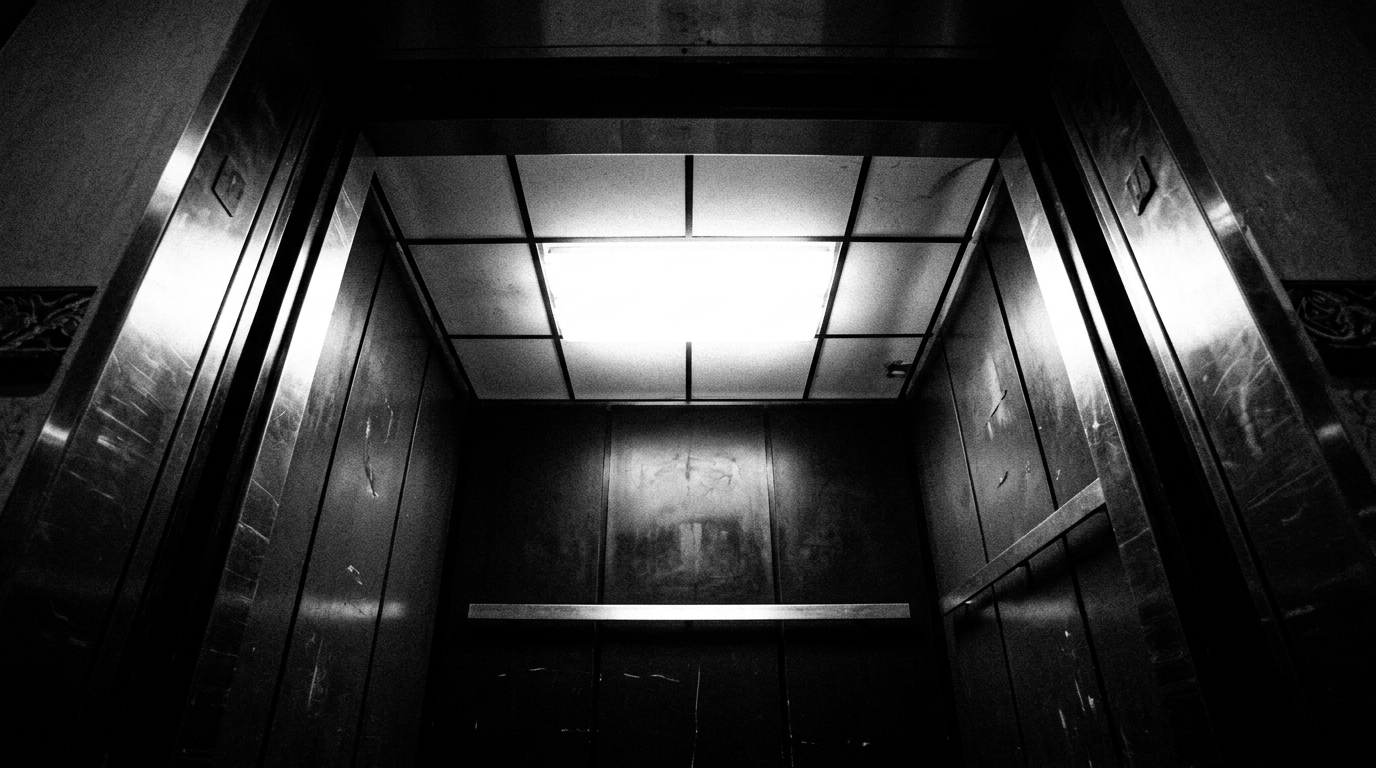
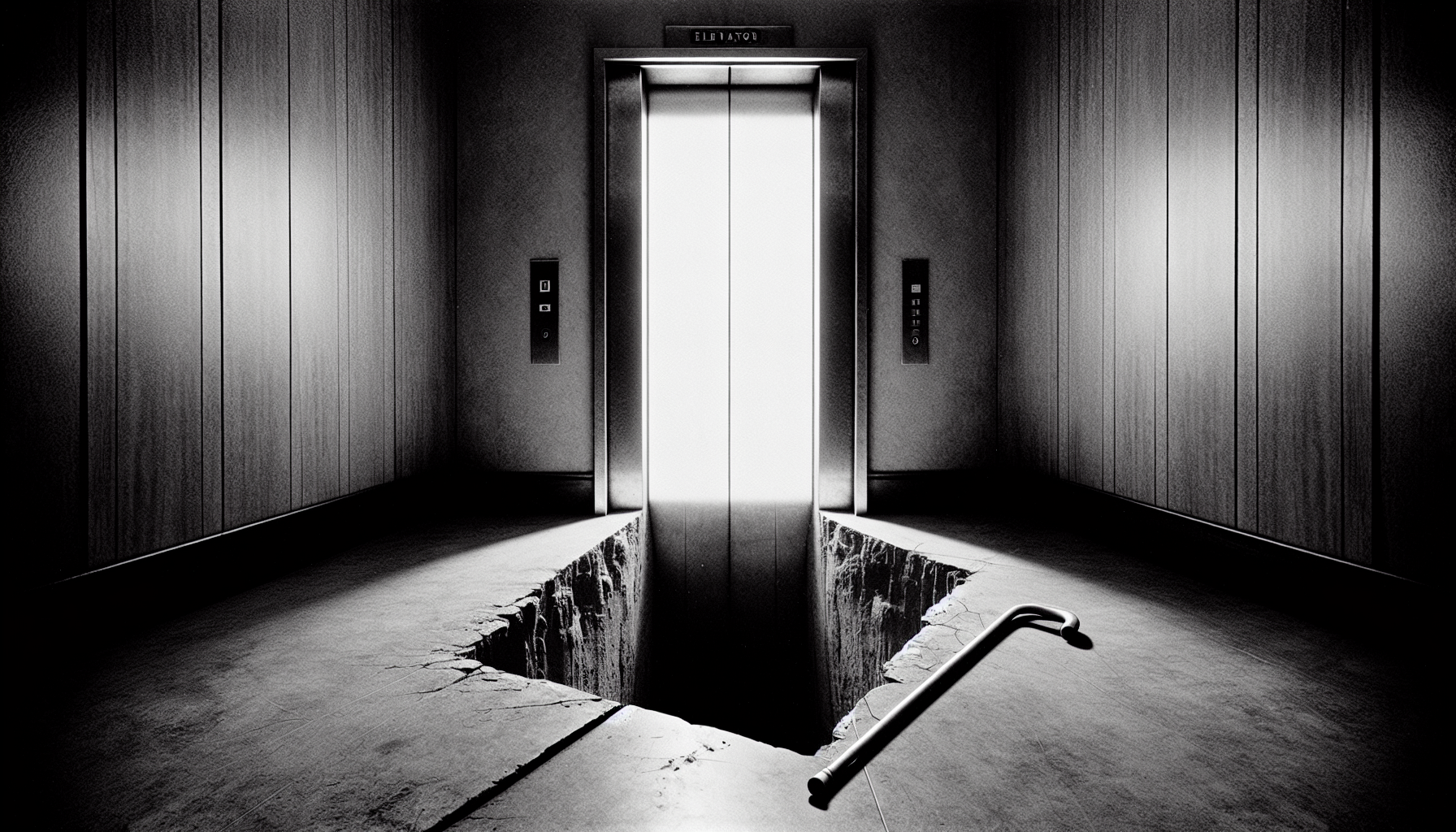
A man walks into an elevator at a casino resort in Laughlin, Nevada. He's 78. Army veteran. Staying with his wife. On October 13th, something goes wrong as he exits. He falls. The injuries are catastrophic... quadriplegia. Three weeks later, he's dead.

That's the part that should stop you cold. Not the lawsuit (there was always going to be a lawsuit). Not the $2.5 million in damages the family is seeking. The part that matters is what happened between the fall and the filing. The family says they asked for the incident report. They asked for the surveillance footage. They asked for basic information about what happened to their husband, their father, their grandfather in that elevator. And the property, according to the complaint, gave them nothing. Six months of silence until the family's attorney filed in Clark County District Court on April 8th.

Here's where it gets layered. Golden Entertainment, which owns and operates the Aquarius, is in the middle of going private. Shareholders approved the deal on March 31st. The Nevada Gaming Control Board signed off on April 8th... the same day this lawsuit was filed. The full transaction, which includes VICI Properties buying seven casino real estate assets in a sale-leaseback, is expected to close in Q2 2026 pending one more approval on April 23rd. I'm not suggesting the timing is coordinated. I am suggesting that when a company is mid-transaction, the lawyers are running the show. And lawyers in a deal environment have one directive: minimize exposure. That's not conspiracy. That's how it works. I've been through ownership transitions where the legal team locked down everything... maintenance logs, incident files, guest complaint records... until the ink dried. The instinct to protect the asset during a sale is powerful. Sometimes it overrides the instinct to do the right thing for a grieving family.

The lawsuit invokes res ipsa loquitur, which is a legal term that essentially means "this doesn't happen unless somebody screwed up." People don't become quadriplegic exiting elevators in properly maintained buildings. The complaint names both the resort and an unspecified elevator company, and it alleges systemic failure in elevator maintenance. That phrase... "systemic failure"... is doing a lot of work. It's saying this wasn't a freak accident. It's saying there's a pattern, and the property either knew or should have known. Whether that's provable is for the courts. But I can tell you this: if there's a maintenance log for that elevator showing deferred repairs or missed inspections, this case gets very expensive very fast. And if that log has gaps in it, it gets worse.

I worked at a property years ago where we had an escalator incident... guest tripped, minor injury, no lasting harm. The GM's first call wasn't to legal. It was to engineering. "Pull every inspection record for every vertical transport in this building. I want them on my desk in an hour." Not because he was preparing for a lawsuit. Because he wanted to know if there was a problem he didn't know about. That's the difference between an operator who runs the building and an operator who manages the liability. The first one protects people. The second one protects the file. The family in this case is alleging they encountered the second kind, and whether or not that allegation holds up in court, the perception alone is damaging. When your response to a guest death is silence, you've already lost the story. You might win the case. You'll never win the narrative.

Operator's Take

If you're a GM or director of operations at any property with elevators, escalators, or any vertical transport... pull your inspection records this week. Not next month. This week. Know the maintenance history, know the vendor contract terms, know when the last state inspection was, know if there are any outstanding repair orders. If there are gaps, close them now and document that you closed them. Second thing: review your incident response protocol. When a guest is seriously injured on your property, the family is going to ask for information. Your legal team may tell you to say nothing. I understand why. But there is a difference between "we can't share details of an ongoing investigation" and radio silence for six months. The first one is defensible. The second one guarantees a lawsuit and a news cycle. Have a protocol that respects both the legal reality and the human being on the other end of that phone call. This is what I call the Invisible P&L... the costs that never show up on your financial statements but can destroy you overnight. One deferred elevator repair, one missed inspection, one family that gets stonewalled, and you're not managing a hotel anymore. You're managing a headline.

Read full analysis → ← Show less
Source: Google News: Casino Resorts
Pechanga Is Giving Away a $2 Million House. That's Not Generosity. That's Customer Acquisition Math.

Pechanga Is Giving Away a $2 Million House. That's Not Generosity. That's Customer Acquisition Math.

A tribal casino resort is handing someone the keys to a four-bedroom home in Irvine as the centerpiece of a three-month promotional blitz. The real story isn't the house... it's what the promotion reveals about how casino resorts think about loyalty, and what commercial hotel operators keep getting wrong about the same problem.

I worked with a casino resort GM years ago who told me something I never forgot. We were looking at his player development budget... a number that would have made every commercial hotel GM in the room physically ill... and I asked him how he justified it. He didn't blink. "Every dollar I spend on a rated player, I can trace to a return. Can you say that about your loyalty program?" I couldn't. Most of us still can't.

Pechanga Resort Casino is running a promotion right now where someone's going to walk away with a fully furnished four-bedroom house in Orange County worth north of $2 million. A house. Not a gift card. Not a free night. A house. They're pulling in Ty Pennington as the spokesperson, they've got 20 finalists competing on a Saturday night in May, and the whole thing runs for three months. It's spectacle by design. And here's the part that matters... this is the second year they've done it. Which means last year's version worked well enough to run it back.

Let me put $2 million in context. Pechanga is a 1,090-room resort that did a $300 million expansion in 2018. They sponsor the Lakers, the Clippers, the Rams, and the Chargers. Their president has publicly described a 10-year reinvestment master plan. This is not a property throwing money at a gimmick because someone in marketing had a fun idea. This is a property that understands its customer acquisition cost at a granular level and decided that a house... an actual house... pencils out as a promotional investment. Think about that. They ran the numbers and a $2 million home made the cut.

Now think about how most commercial hotel operators approach the same fundamental problem. We're fighting over the same loyalty travelers with points programs we don't control, brand marketing funds we contribute to but can't direct, and promotional strategies that amount to "10% off BAR if you book direct." Casino resorts operate in a completely different universe when it comes to customer intelligence. Every swipe of that rewards card generates data... play patterns, spend levels, visit frequency, food and beverage habits. They know their customer's lifetime value to the penny. They're not guessing which promotions drive incremental revenue. They're measuring it in real time. And they're willing to make big, bold bets because they have the data to back them up. The charitable angle here is smart too... nearly $100,000 to Habitat for Humanity tied to the LA wildfire rebuilding. That's not an afterthought. That's the brand planting a flag in the community while running a promotion. Two birds, one very well-calculated stone.

The lesson for commercial hotel operators isn't "go give away a house." Obviously. The lesson is that there's an entire segment of the hospitality industry that treats customer data as a revenue weapon, builds promotions around measurable outcomes, and isn't afraid to spend real money on customer acquisition because they can prove the return. Meanwhile, most of us are still arguing about whether we should offer free breakfast to loyalty members. The gap between how casino resorts think about their customers and how traditional hotels think about theirs is widening every year. And it's not because they have more money. It's because they have better data... and the operational discipline to act on it.

Operator's Take

If you're running a commercial hotel with a loyalty program you didn't design and promotional tools limited to whatever the brand gives you, here's what you can actually do. Pull your own data this week. Look at your top 20 repeat guests over the last 12 months. Calculate what each one spent... rooms, F&B, incidentals, everything. Now ask yourself what it would cost to lose them and replace them with an OTA booking. That delta is your customer retention budget, and I guarantee most of you aren't spending a fraction of it. You don't need a $2 million house. You need a $50 bottle of wine delivered to a room with a handwritten note from the GM. The principle is the same... know your customer's value, invest proportionally to keep them, and measure the return. Casino operators figured this out 30 years ago. The rest of us are still catching up.

Read full analysis → ← Show less
Source: Google News: Casino Resorts
Four Jackpots Over $1M in 15 Months. Pechanga's Real Bet Is the $2.2M House.

Four Jackpots Over $1M in 15 Months. Pechanga's Real Bet Is the $2.2M House.

Pechanga has minted four slot millionaires since early 2025, but the $2.2 million home giveaway running through May tells you more about where regional casino resorts are actually spending to drive foot traffic and what that promotional math looks like per gaming position.

Four jackpots exceeding $1 million in roughly 15 months across 5,400 slot machines. That's the headline. The more interesting number is $2.2 million... the value of a fully furnished home in Irvine that Pechanga is giving away to close out a three-month promotion ending May 30.

The jackpots themselves aren't unusual for a floor that size. Aristocrat's Dragon Link progressive is designed to hit seven figures periodically... that's the product working as intended. What's worth decomposing is the promotional layer on top. A $2.2 million home giveaway plus the ~$100,000 charitable contribution to Habitat for Humanity puts the direct promotional outlay north of $2.3 million for a single campaign cycle. Spread across 5,400 gaming positions, that's roughly $426 per machine in incremental promotional cost for one quarter. The question is whether the foot traffic lift and incremental coin-in justify that spend... and research on jackpot-driven promotions suggests the ROI is a coin flip (profitable roughly 49% of the time, according to gaming behavior studies).

Pechanga's real strategy isn't about any single jackpot or any single giveaway. It's about building a perception of winning frequency that makes Southern California gamblers choose Temecula over a flight to Vegas. Four millionaires in 15 months is a narrative. Narratives drive consideration. Consideration drives visits. Visits drive coin-in across the other 5,396 machines that didn't hit a progressive. The $300 million expansion they completed, the 4.5-acre pool complex, the sports sponsorship portfolio across every major LA team... these are all layers of the same integrated resort thesis. Diversify the reasons to visit so the gaming floor benefits from traffic that came for something else.

The tension here is generational. Regional casinos are spending aggressively on non-gaming amenities and high-profile promotions because the data is clear: younger consumers are less interested in traditional gambling. Pechanga's president has talked publicly about a 10-year reinvestment master plan, including planned penthouse suites. That's a bet that the integrated resort model, which has worked in Las Vegas for two decades, translates to a tribal property 90 miles southeast. The per-key economics of that reinvestment matter enormously. With approximately 1,100 rooms, every dollar of resort-level capital improvement needs to generate returns across both the hotel P&L and the gaming floor... a dual-revenue justification that most hotel-only assets don't carry.

The global casino market is projected to grow from $163.6 billion to $224.1 billion by 2030. Pechanga is positioning itself to capture a share of that growth by becoming a destination rather than a casino with a hotel attached. Whether the promotional math on a $2.2 million house works out is almost beside the point. The real investment is in the narrative that this is a place where big things happen. Narratives are expensive. They're also the only thing that competes with Las Vegas from 90 miles away.

Operator's Take

Look... if you're running a resort property within 100 miles of a tribal casino doing this kind of promotional spend, you need to understand what you're competing against. These operations don't report public financials. They don't answer to public-market analysts. They can run promotional campaigns at a scale and a loss threshold that would get a publicly-traded operator fired. Your weekend leisure guest is seeing a $2.2 million home giveaway promoted across every LA sports broadcast. You're not going to outspend that. What you CAN do is know your guest. Pull your weekend booking data for the last 90 days. If you're seeing softness in the drive-to leisure segment, particularly from the Inland Empire and San Bernardino corridors, this is probably part of the reason. Compete on what they can't replicate... flexibility, personalized service, the stuff that doesn't require a 200,000-square-foot gaming floor to deliver.

— Mike Storm, Founder & Editor
Read full analysis → ← Show less
Source: Google News: Casino Resorts
A 78-Year-Old Man Fell in a Casino Elevator. He Died Three Weeks Later. The Lawsuit Says It Wasn't an Accident.

A 78-Year-Old Man Fell in a Casino Elevator. He Died Three Weeks Later. The Lawsuit Says It Wasn't an Accident.

A wrongful death suit against the Aquarius Casino Resort in Laughlin alleges "systemic failure" in elevator maintenance after a guest became quadriplegic from a fall and died weeks later. If you're an operator who hasn't pulled your vertical transport inspection records this quarter, this is the story that should change that.

Available Analysis

I worked with a chief engineer once who kept a binder... thick, beat-up, coffee-stained... on his desk labeled "Things That Can Kill Someone." Not safety manuals. Not OSHA checklists. His own list, organized by building system, with dates of last inspection and notes in red pen when something was overdue. Elevators were on page one. He told me once, "Mike, everything else in this building is an inconvenience when it breaks. These are the things that end careers and end lives." He wasn't being dramatic. He was being precise.

Theodore Webber was 78 years old. He was exiting an elevator at the Aquarius Casino Resort in Laughlin, Nevada on October 13, 2025. Something went wrong. He fell. He became quadriplegic. He died on November 3rd, three weeks later. His family filed a wrongful death lawsuit on April 8th, naming both the casino and an unspecified elevator maintenance company as defendants. They're seeking more than $2.5 million in medical and funeral costs, plus compensatory and punitive damages. The legal filing uses the phrase "systemic failure." The family says the property has been uncooperative in turning over incident reports and surveillance footage.

Here's what hits me about this. The Aquarius isn't some forgotten property on the edge of nowhere. It's owned by Golden Entertainment, a publicly traded company (at least for now... shareholders just approved a go-private deal with the CEO and a sale-leaseback of seven casino properties to VICI Properties, including this one, expected to close mid-2026). Golden reported Q4 2025 revenue of $155.6 million, down from $164.2 million the year before, with a net loss of $8.5 million for the quarter. So you've got a property in a portfolio that's under financial pressure, in the middle of a massive ownership transition, and now a lawsuit alleging that basic life-safety maintenance wasn't handled. I'm not drawing conclusions about causation. I am saying I've seen this pattern before... when ownership is in flux and the P&L is tight, maintenance budgets are exactly where corners get cut. And vertical transport (elevators, escalators) is the most dangerous place to cut them.

The lawsuit invokes "res ipsa loquitur," which is a legal way of saying "this kind of thing doesn't happen unless somebody was negligent." And look... I'm not a lawyer. But I've been the guy sitting in the conference room when the insurance adjuster shows up after an incident, and I can tell you this: the first thing they ask for is the maintenance log. The second thing they ask for is the inspection history. The third thing they ask for is the vendor contract. If any of those three things has a gap... a missed inspection, an expired service agreement, a deferred repair that was flagged and not addressed... you are done. The conversation shifts from "was there negligence" to "how much is this going to cost." Every time.

This is what I call the CapEx Cliff. Deferred maintenance crosses from savings to asset destruction before the owner sees it. Except in this case, it didn't destroy an asset. A man is dead. His wife is a widow. And every operator reading this needs to understand something: your elevator maintenance contract, your inspection cadence, your documentation... that's not a line item to be optimized. That's the thing standing between you and this exact headline with your property's name in it. The going-private deal, the VICI sale-leaseback, the quarterly losses... none of that matters to the family that lost a husband and a father. And none of it will matter to a jury.

Operator's Take

If you're a GM or a chief engineer at any property with elevators or escalators, pull your vertical transport maintenance records tomorrow morning. Not next week. Tomorrow. Confirm your service contract is current, confirm your last state inspection is documented and on file, and confirm every open work order related to vertical transport has a resolution date. If your vendor is behind on scheduled maintenance, put it in writing that you've escalated it... email, not a phone call, because phone calls don't exist in discovery. If your ownership group has been deferring capital on elevator modernization, send them this story with a one-page summary of your exposure. Don't wait to be asked. Be the operator who brought it up first with a plan already formed. The $15,000 or $50,000 or $200,000 that modernization costs is a rounding error compared to what this lawsuit is going to cost Golden Entertainment.

Read full analysis → ← Show less
Source: Google News: Casino Resorts
Pine Bluff Just Bet $250 Million That Entertainment Saves a Casino Market. I've Seen This Bet Before.

Pine Bluff Just Bet $250 Million That Entertainment Saves a Casino Market. I've Seen This Bet Before.

The Quapaw Nation is dropping $250 million on a 320-room tower and a 1,600-seat event center at Saracen Casino Resort in Pine Bluff, Arkansas. The question isn't whether John Legend sells out opening night... it's what happens on a random Wednesday in October when the headliner is a regional tribute band and you're carrying debt service on a 14-story hotel.

Available Analysis

I worked with a casino GM years ago who had a saying I've never forgotten. He'd look at the entertainment calendar every month, point to the big-name acts, and say "those are the nights we don't need help." Then he'd flip to the blank Tuesdays and Wednesdays and say "THOSE are the nights that tell you whether you have a business or a party."

The Quapaw Nation just opened the latest phase of what's now a $500-million-plus bet on Pine Bluff, Arkansas. A 14-story, 320-room hotel tower (nearly half suites). A 1,600-seat event center with a permanent stage. John Legend headlining the grand opening on June 13. The total Saracen footprint is pushing a million square feet. In a Jefferson County market of roughly 70,000 people. Let that context sit for a second.

Here's what I respect about this project. The Quapaw Nation has been a genuine economic engine for a community that desperately needed one. Over $236 million in annual economic impact to the county. More than $96 million in gambling taxes over five years. Employment going from 750 to over 1,000 with this expansion. That's not corporate talking points... that's payroll in a market where payroll options are thin. And they've done it with their own capital and conviction, which is more than most developers can say.

But here's where my 40 years of pattern recognition kicks in. I've watched this exact movie play out at regional casino properties three or four times. Phase one succeeds because the market is underserved and the novelty factor drives traffic. So you expand. Bigger hotel. Event center. Celebrity bookings. And the expansion economics work... as long as the incremental revenue from the hotel and entertainment actually exceeds the incremental cost of operating a 320-key luxury tower and booking headline acts in a secondary market. John Legend isn't performing for free. That 1,600-seat room at $149 a ticket sounds impressive, but run the math on talent fees, production costs, marketing, and the F&B operation required to support event nights versus dark nights. The spread between a sold-out Saturday with a headliner and a Tuesday with 40% occupancy in your hotel tower is enormous... and your debt service doesn't care which night it is.

The other thing nobody's talking about is the staffing reality. Going from 750 to 1,000-plus employees in Pine Bluff means you're hiring 260 people in a market that doesn't have a deep hospitality labor pool. You're not pulling from a metro area with hotel school graduates and experienced F&B professionals. You're training from scratch, which means your opening months (maybe your opening year) are going to look very different from your stabilized pro forma. I've seen properties open beautiful rooms and event spaces and then struggle for 18 months because the service execution couldn't match the physical product. The building doesn't deliver the experience. The people do. And 260 new hires in a rural market is a massive operational challenge that no press release is going to mention.

Operator's Take

If you're running a casino resort in a secondary or tertiary market and your ownership group is looking at Saracen's expansion as a template... slow down. Before anyone greenlights a hotel tower or event center addition, you need an honest dark-night analysis. Not the pro forma with 72% occupancy and headliner weekends. The Tuesday-in-February model. What does your hotel run at when there's no event? What's your F&B cost when that 1,600-seat room is sitting empty? What's your all-in cost per hire when you're training 260 people in a market with no hospitality labor pipeline? This is what I call the Flow-Through Truth Test... revenue growth from entertainment and room nights only matters if enough of it reaches GOP after you've covered the talent fees, the incremental staffing, and the debt service on a $250 million buildout. Run the numbers on 55% occupancy, not 75%. If the deal still works there, you might have something. If it only works in the base case, it doesn't work.

Read full analysis → ← Show less
Source: Google News: Casino Resorts
A $147 Million Casino Resort Is Booking Classic Rock Acts. That's the Whole Strategy.

A $147 Million Casino Resort Is Booking Classic Rock Acts. That's the Whole Strategy.

Walker's Bluff Casino Resort spent $147 million to build a 113-room destination property in rural Southern Illinois, and their entertainment play is a 1,200-seat event center filling seats with legacy touring acts. The question is whether concerts and slot machines are enough to justify the bet when you're 300 miles from Chicago and competing for the same drive-in market as every other regional casino.

I worked with a casino resort operator years ago who had a beautiful 1,000-seat showroom and absolutely no idea what to do with it. Every month was a scramble. Book a tribute band, run a radio promotion, hope for 600 seats filled, do it again. The entertainment was supposed to be the magnet that pulled bodies past the slot machines. Instead it became its own cost center that needed its own justification. He told me once... "I thought the showroom would feed the casino. Turns out the casino feeds the showroom. And neither one is feeding me."

That's the story I keep thinking about with Walker's Bluff Casino Resort in Carterville, Illinois. This is a $147 million property that opened in August 2023 with 113 rooms, 650 slot machines, 14-20 table games, and a 1,200-seat event center. The headline this week is that Little River Band is playing there in October. And look... no disrespect to Little River Band. They've been filling seats for decades and they're professionals. But when your $147 million investment's news cycle is a classic rock booking seven months out, that tells you something about the operating model.

Here's what I mean. Walker's Bluff is owned by Elite Casino Resorts out of Iowa. It's the first Illinois property for them. They positioned this as a "destination gaming resort experience" in Southern Illinois, which is about 300 miles from Chicago and roughly 100 miles from St. Louis. The Illinois casino market hit nearly $1.94 billion in adjusted gross revenue in 2025, up 15% over the prior year. That's a real number. But a lot of that growth is coming from newer venues and expansions cannibalizing the same regional drive-in customer. When everybody builds a bigger mousetrap in the same field, you don't get more mice. You get more empty mousetraps.

The entertainment center is supposed to be the differentiator. Tickets for the Little River Band show run $62.77 to $94.95. If they fill all 1,200 seats at an average of $78, that's about $94K in gross ticket revenue for one night. Against a property that cost $147 million to build. The math on entertainment as a loss leader only works if those concert attendees are actually converting to gaming revenue, hotel stays, and F&B spend at rates that justify the production costs, artist guarantees, marketing, and labor to run a show night. I've seen this model work brilliantly at larger casino resorts with 500-plus rooms in markets with enough population density to sustain it. At 113 rooms in rural Southern Illinois, you're running a much tighter margin of error.

The piece nobody's writing is about what happens between concert nights. A 1,200-seat venue sitting dark on a Wednesday is a 1,200-seat cost center. The infrastructure doesn't care whether anyone's in the seats... you're still carrying the HVAC, the maintenance, the staffing model built around having that space operational. Walker's Bluff contributed $25.3 million in one-time licensing fees to the state and the county kicked in $13.1 million for road improvements just to get people to the property. That's a lot of public and private capital counting on a steady stream of visitors to a location that isn't exactly on anyone's way to anywhere else. The 2025 Illinois casino revenue numbers look great at the state level. The question that matters is whether Walker's Bluff is getting its share or watching newer, closer-to-population properties take the growth.

Operator's Take

If you're running an entertainment program at a casino resort or any hotel with a performance venue, here's the discipline that separates the properties that make it work from the ones that bleed. Track your cost-per-occupied-seat for every event... not just ticket revenue, but total incremental spend per attendee including gaming, F&B, and room nights. If that number isn't at least 3x your production cost per seat, you're subsidizing entertainment instead of using it as a revenue driver. And for the GMs at smaller regional properties watching casino resorts pop up nearby with big showrooms and national acts... don't panic. This is what I call the Three-Mile Radius. Your revenue ceiling is set by what's around you, not by the size of the building down the road. A 113-room casino resort booking legacy touring acts is fighting for the same weekend drive-in customer you are. Know your guest, know your cost to acquire them, and let the big properties figure out whether $147 million in steel and concrete pencils out at 650 slot machines and a classic rock show.

Read full analysis → ← Show less
Source: Google News: Casino Resorts
Wynn Spent Six Months Making a Nightclub Commercial. That's Not Crazy. That's Strategy.

Wynn Spent Six Months Making a Nightclub Commercial. That's Not Crazy. That's Strategy.

Wynn Nightlife produced a cinematic short film featuring 14 headline DJs and a Hollywood narrator to announce its residency lineup. Most hotels can't afford to market like this, but every operator should understand why the ones who can are pulling further ahead.

I worked with a casino resort GM years ago who fought with his corporate marketing team for months over a nightlife budget. They wanted to spend what he considered an obscene amount of money on a single promotional video for the pool party season. He kept saying "just put the DJ names on a banner and buy some Instagram ads." Corporate won. The video went semi-viral. The pool party sold out 11 of its first 14 dates. He never argued about the nightlife marketing budget again.

That's what I think about when I see Wynn Nightlife rolling out "The Year of Excess"... a cinematic short film, produced entirely in-house over six months, featuring 14 headliner DJs and narrated by Rob Riggle. On the surface, this looks like a casino entertainment company doing casino entertainment company things. Big names, big production, big everything. And if you're running a 180-key select-service in Indianapolis, your first reaction is probably "good for them, doesn't apply to me." But hold on. There's something worth studying here that has nothing to do with your nightclub budget (or lack thereof).

What Wynn is really doing is treating entertainment marketing as a profit center, not a cost center. Their Q4 2025 revenues hit $1.87 billion. They're sitting on $4.7 billion in cash and revolver availability. They're projecting $400-450 million in capital expenditures for 2026. And they chose to invest six months of in-house creative time into a piece of content designed to "travel as culture, not advertising." That's not a marketing department justifying its existence. That's a deliberate strategy to make the nightlife operation... which drives room nights, F&B spend, and casino play from a very specific high-value demographic... into a brand engine that does the selling before the sales team ever picks up the phone. The content IS the product. The experience IS the marketing. Every dollar spent on that film is designed to make someone book a $500-a-night room and a $2,000 bottle service table. The ROI isn't measured in views. It's measured in the total resort spend of the guest who watched it and decided "that's where I'm going this summer."

Here's the part that matters for the rest of us. The gap between properties that understand experience-as-marketing and properties that still think of marketing as "the thing we do after we build the experience" is widening fast. Wynn can throw 14 DJs and a Hollywood actor at the problem. You can't. But the principle scales down. Your lobby bar has a story. Your rooftop has a story. Your Sunday brunch has a story. The question is whether you're telling it with the same intentionality... or whether you're still posting a stock photo of a mimosa on Instagram and wondering why nobody cares. The casino resorts have figured out that experience-led spending is outgrowing room-led revenue, especially with younger luxury travelers. That's not a Vegas-only trend. That's a consumer behavior shift, and it's hitting every market segment.

The uncomfortable truth is that Wynn isn't just competing with MGM and Caesars with this film. They're competing with every leisure destination for the attention and wallet of a high-value guest who has infinite choices. And they're winning that competition by making the marketing itself worth watching. Six months of production for a nightclub announcement sounds extravagant until you realize the alternative is being invisible. In 2026, invisible is the most expensive thing you can be.

Operator's Take

If you're a GM or director of sales at any property with a meaningful F&B or entertainment component, here's what to take from this... even if your budget is 1% of Wynn's. Audit your content right now. Not your social media calendar. Your actual content. Is any of it something a potential guest would watch, share, or remember without being paid to? If the answer is no, you're spending money on noise. Pick your single strongest experiential asset... your best outlet, your best event, your best seasonal moment... and invest disproportionately in telling that one story well. One great piece of content about one real experience beats 50 generic posts about your "warm hospitality." And if you're pitching your owner on a marketing spend increase this quarter, don't bring them impressions and reach metrics. Bring them the Wynn logic: this content drives this guest segment to this spending behavior. Connect the content to the P&L or don't bother asking.

Read full analysis → ← Show less
Source: Google News: Wynn Resorts
Monarch's CEO Sold $295K in Stock. He Still Holds $9.2 Billion in Options.

Monarch's CEO Sold $295K in Stock. He Still Holds $9.2 Billion in Options.

Monarch Casino's CEO sold 3,000 shares worth $295,430 while sitting on 6.67 million in option grants and 3 million in direct and indirect shares. The sale is noise, but the Q4 earnings miss underneath it is worth a closer look.

John Farahi sold 3,000 shares of Monarch Casino stock across two March transactions for a combined $295,430. The company has a $1.78 billion market cap. Farahi holds 536,304 shares directly, 2.5 million indirectly through trusts, and option grants covering another 6.67 million shares at exercise prices between $23.08 and $95.70. The sale represents 0.37% of his direct holdings.

This is not a story about insider confidence. This is a rounding error in a personal portfolio. A CEO making $3.66 million annually (79.5% of which comes in stock and options) liquidating $295K is tax planning, estate planning, or buying a boat. The filing is public because the SEC requires it. The financial press covers it because the algorithm flags it. Neither of those facts makes it meaningful.

The number worth watching isn't the 3,000 shares. It's Q4 2025 EPS: $1.25 versus the $1.37 consensus estimate. That's a 9% miss on the bottom line while revenue came in at $140 million, slightly above the $139.39 million estimate. Revenue up 4.1% year-over-year with a material earnings miss means cost pressure is eating into flow-through. That's the finding. Not the stock sale.

MCRI dropped 2.6% on March 30 on weakening consumer sentiment data. Analysts still have a "Moderate Buy" consensus with a $99.80 average target. Farahi sold his second tranche at $99.00... essentially at the analyst target. Another director, Paul Andrews, sold 6,100 options at $97.40 in February. Two insiders selling near the consensus price target in the same quarter is more pattern than coincidence. It doesn't mean they're bearish. It means they think the stock is fairly valued right now.

For anyone tracking regional gaming operators, the question is margin trajectory. Revenue growth with earnings compression at a two-property company (one in Reno, one in Black Hawk) suggests either labor costs, gaming mix, or promotional spending is moving in the wrong direction. That's worth a 10-K read when it files. The 3,000-share sale is not.

Operator's Take

Look... I know insider sale headlines feel like signal. They almost never are, especially at this scale. If you're an investor or asset manager watching regional gaming operators, ignore the stock sale and pull Monarch's Q4 detail. Revenue beat with an earnings miss means something is compressing margins at property level. Run the trend on their operating expenses against the 4.1% revenue growth and see where the gap opened. That's the story. A CEO selling one-third of one percent of his direct holdings tells you nothing about the business. A 9% EPS miss tells you plenty.

— Mike Storm, Founder & Editor
Read full analysis → ← Show less
Source: Google News: Casino Resorts
Northern California Tribal Casinos Are Spending Billions. Your Comp Set Just Changed.

Northern California Tribal Casinos Are Spending Billions. Your Comp Set Just Changed.

California's tribal casinos generated $12.1 billion in revenue last year, and the expansion pipeline across Northern California is about to redraw the competitive map for every hotel, restaurant, and entertainment venue within a 100-mile radius.

So here's what's actually happening in Northern California right now, and it's bigger than a few April promotional events at tribal casinos.

There's a $1 billion expansion at Hard Rock Sacramento. A $600 million resort project in Sonoma County with 400 hotel rooms and a 2,800-person event center. A $280 million expansion in Porterville that's adding 193 hotel keys, a conference center, a spa, and a lazy river. Sky River Casino in Elk Grove is bolting on a hotel and convention space. These aren't slot machine upgrades. These are full-scale destination resort builds... hotel rooms, F&B, entertainment, meetings... happening simultaneously in a market that generated $12.1 billion in tribal gaming revenue in 2024 alone. That number represented 27.5% of all tribal gaming revenue nationwide. One state. More than a quarter of the total.

Look, I'm a technology guy, not a competitive strategy analyst. But when someone asks me "should we invest in a new revenue management system" or "does our distribution strategy need rethinking," my first question is always about the demand environment. And the demand environment in Northern California is about to get complicated. These tribal casino resorts aren't just competing for gaming dollars... they're competing for the same group bookings, the same wedding blocks, the same corporate retreats, the same leisure weekends that independent and branded hotels in the region depend on. A 400-room resort with six restaurants, a sportsbook, and a 2,800-seat event center doesn't just absorb gaming demand. It absorbs hospitality demand. Period.

The technology angle here is real, and it's the part nobody's talking about. Tribal casino resorts have historically operated on proprietary systems with enormous budgets for player tracking, loyalty analytics, and yield management that make most hotel tech stacks look like a spreadsheet taped to a clipboard. When these properties add hotel rooms at scale, they're bringing that analytical horsepower to rooms revenue management, F&B optimization, and guest personalization. I consulted with a regional hotel group last year that was trying to compete with a tribal casino property down the highway. Their PMS was six years old, their RMS was basically a suggestion engine nobody trusted, and the casino had real-time player-spend data feeding dynamic room pricing that adjusted by the hour. The technology gap wasn't just noticeable... it was the competitive disadvantage. The hotel couldn't see what the casino could see, so it couldn't price what the casino could price.

The promotional calendar stuff... the cash giveaways, the "Showers of Cash" events, the bunny-themed free play... that's standard casino marketing. It's not interesting on its own. What's interesting is that these promotions are now attached to properties with hotel inventory, meeting space, and dining capacity that directly overlaps with traditional hospitality. When a casino resort runs a major April event and packages it with a $99 room night, that's not just a gaming promotion. That's rate compression for every hotel in the comp set that can't match the subsidy economics of a casino floor. The gaming revenue funds the room rate discount. Your hotel doesn't have a casino floor. You just have the room rate.

The question operators in Northern California (and Northern Nevada... Reno and Tahoe should be paying very close attention) need to be asking isn't "how do I compete with a casino." It's "how do I differentiate from a destination that's offering hotel rooms, dining, entertainment, and meetings at price points subsidized by billions in gaming revenue?" That's a fundamentally different competitive problem. And the answer probably isn't better promotions. It's probably about understanding exactly what your property offers that a casino resort can't replicate... and making sure your technology, your pricing, and your distribution are sharp enough to tell that story to the right guest at the right time.

Operator's Take

If you're running a hotel within 60 miles of one of these Northern California tribal casino expansions, pull your forward-looking comp set data right now. Not next quarter. Now. These properties are adding over 1,000 hotel rooms to markets that didn't have them before, and the rooms will be priced aggressively because gaming revenue subsidizes the rate. Run your rate strategy against a scenario where a new competitor enters your comp set at 15-20% below your current ADR... because that's what casino-subsidized room pricing looks like to your RMS. If your tech stack can't adjust to that kind of competitive pressure in real time, that's the conversation to have with your management company this week. This is what I call the Three-Mile Radius in action... your revenue ceiling just got set by a property that plays by completely different economic rules than you do.

— Mike Storm, Founder & Editor
Read full analysis → ← Show less
Source: Google News: Casino Resorts
Win-River Is Building a 250-Room Casino Resort Off I-5. Every Hotel in Redding Should Be Doing Math Right Now.

Win-River Is Building a 250-Room Casino Resort Off I-5. Every Hotel in Redding Should Be Doing Math Right Now.

A tribal casino in Northern California just got federal approval to double its gaming floor and add 250 hotel rooms, an 1,800-seat event center, and an outdoor amphitheater right off the interstate. If you're running a hotel within 30 miles of Redding, the competitive landscape just changed and nobody sent you a memo.

I worked at a property once that sat comfortably as the nicest room in a small market for about eight years. Good reviews. Solid ADR. Repeat corporate base. Then a tribal casino 20 minutes down the highway broke ground on a 200-room tower with a steakhouse, a spa, and an entertainment venue that could hold 1,500 people. Our GM at the time said "our guests aren't gamblers, this won't affect us." Within 18 months, our group business had dropped 22% and our weekend transient mix shifted entirely. The casino wasn't competing for gamblers. It was competing for attention. And attention is a zero-sum game in a small market.

That's exactly what's unfolding in the Redding, California corridor right now. The Redding Rancheria got federal approval in mid-2024 to relocate and massively expand Win-River Resort & Casino... right along Interstate 5. We're talking a jump from 600 slot machines to 1,200 electronic gaming devices and 36 table games. A 69,000-square-foot casino floor. A 250-room hotel. An 1,800-seat indoor event center and a 1,500-seat outdoor amphitheater. This isn't a renovation. This is the arrival of a full-scale destination resort in a market that has never had one.

And the entertainment programming tells you exactly what the strategy is. They're already booking country acts, running weekly DJ nights, building the kind of calendar that turns a casino into the default Friday night destination for a 90-mile radius. Chase Matthew in April. Ian Munsick tickets already on sale. This is how you build a demand generator that pulls leisure travel, group business, and food-and-beverage spend away from every independent hotel and branded select-service property in the market. The Redding Civic Auditorium is booking acts too (Jon Pardi, Jim Gaffigan), but they don't have 250 rooms attached to the venue. Win-River will. That changes the calculus completely.

Here's the part nobody in the local hotel community is talking about yet... California tribal casinos generated $12.1 billion in revenue in 2024. That's 27.5% of all tribal gaming revenue nationwide. Northern California alone has 42 tribal casinos with three more in development. The REITs are paying attention... VICI Properties and Gaming and Leisure Properties are financing large-scale tribal projects. This isn't a local story. This is a market structure shift happening across the entire northern half of the state, and Redding is about to feel it in a very concentrated way. When 250 rooms of new supply come online attached to a casino, entertainment venue, and F&B operation that doesn't need to make money on the rooms to survive... that's not competition. That's a different economic model operating in your comp set.

The opposition from other tribes and local activist groups tells you something too. When competitors fight to stop you, it's because they've done the same math you have and they don't like the answer. Every hotel operator within a 30-mile radius of that I-5 site should be running the same math right now. What happens to your weekend occupancy when there's a 1,500-seat amphitheater drawing regional traffic to a property with rooms, restaurants, and gaming all under one roof? What happens to your group sales pipeline when meeting planners discover they can book an 1,800-seat event center with hotel rooms attached? The answer isn't "nothing." And if you wait until the ribbon-cutting to find out, you're already behind.

Operator's Take

If you're running a hotel in the Redding market or anywhere along the Northern California I-5 corridor, this is the conversation to bring to your owner now... not when the concrete is poured. Pull your forward-looking group pace and identify which segments are vulnerable to a casino resort with an entertainment calendar and 250 attached rooms. Look at your weekend transient mix specifically... leisure demand in small markets follows the most compelling reason to visit, and a destination casino resort is a very compelling reason. Start thinking about what makes your property the choice when you can't compete on amenities. That means doubling down on what a casino resort won't do well... quiet, personal service, loyalty to repeat guests, relationships with local corporate accounts who don't want to explain a casino hotel on their expense report. This is what I call the Three-Mile Radius at work. Your revenue ceiling is about to be redefined by a neighbor with a fundamentally different economic model, and the only operators who survive that kind of shift are the ones who saw it coming and repositioned before the market forced them to.

Read full analysis → ← Show less
Source: Google News: Casino Resorts

Maryland Casino Revenue Shows Why Your Hotel-Casino Strategy Needs a Rewrite

Maryland's casinos pulled in $179 million in January gaming revenue — not the $7.9M the headline claims — and if you're running a hotel near any of these properties, you need to understand what's actually happening to feeder demand.

Let me be direct: I'm assuming that $7.9 million figure is a typo and we're talking about something closer to $179 million for the state's six casinos. Because $7.9M across Maryland's entire casino market would mean the sky is falling, and nobody's reporting that.

Here's what matters for hotel operators: January casino revenue is your canary in the coal mine for Q1 leisure travel patterns. Casino properties always see a post-holiday dip, but the real story is in how your non-gaming hotel is positioning itself against these integrated resorts. If you're running a 150-key full-service property within 20 miles of MGM National Harbor or Live! Casino, you're competing for the same weekend leisure guest — and they're choosing based on package value, not just rate.

I've seen this movie before in markets like Atlantic City and Las Vegas suburbs. The casino hotels bundle everything — room, F&B credits, entertainment — and your ADR advantage disappears fast. Your weekend occupancy should be running 8-12 points higher than it was three years ago if you've adapted your strategy. If it's not, you're losing ground to properties that have gaming revenue subsidizing their room rates.

The operators who win in casino-adjacent markets do two things: they either go hyper-local and own the corporate transient segment the casinos ignore, or they build weekend packages that give guests a reason to stay off-property. Neither strategy is about matching rates. It's about knowing exactly which customer the casino doesn't want — and making yourself the obvious choice for that segment.

Operator's Take

If you're within a 30-minute drive of a major casino property, pull your weekend pace report right now and compare it to January 2025 and 2024. If you're flat or down, stop competing on rate and start building midweek corporate packages and weekend experiences the casinos can't replicate. The sports bar and free breakfast crowd is yours — own it.

Read full analysis → ← Show less
Source: Google News: Casino Resorts
End of Stories