Monarch's CEO Sold $604K in Stock the Day After Hitting an All-Time High. The Timing Is Interesting.
Monarch Casino & Resort just posted record Q1 numbers and its stock touched $121.87. Then the CEO sold 5,000 shares the next day. The 8-K filing is routine, but what's underneath it tells you something about how family-controlled casino operators think about capital... and what tech-forward operators should be watching.
So here's a filing that most people will scroll past. Monarch Casino & Resort dropped an 8-K on May 27 covering its annual stockholder meeting... director elections, advisory vote on executive comp, the usual SEC compliance stuff. Standard. Boring. Except buried in the context around this filing is a data point that caught my attention: CEO John Farahi sold 5,000 shares the day after MCRI hit an all-time high of $121.87, pocketing $604,200. That's 0.8% of his holdings. Not a fire sale. Not a panic move. But when a CEO of a family-controlled operation takes chips off the table at the peak, it's worth asking what he sees that the "strong buy" analysts don't.
Look, I'm not a stock analyst (that's Jordan's lane). What I am is someone who pays attention to how casino resort operators deploy technology and capital, and Monarch's playbook is genuinely interesting here. They reported Q1 revenue of $136.6 million, up 8.9% year-over-year, with adjusted EBITDA growth of 19%. Those are strong numbers for a two-property operator running a casino resort in Reno and another in Black Hawk, Colorado. But what actually caught my engineering brain is the company's stated strategy around technology... they're explicitly talking about deploying tech to reduce operating costs and improve efficiency across both properties. That's not a marketing line from a vendor pitch deck. That's an operator saying "we're going to use systems to protect our margins." The question, as always, is what that actually means at property level.
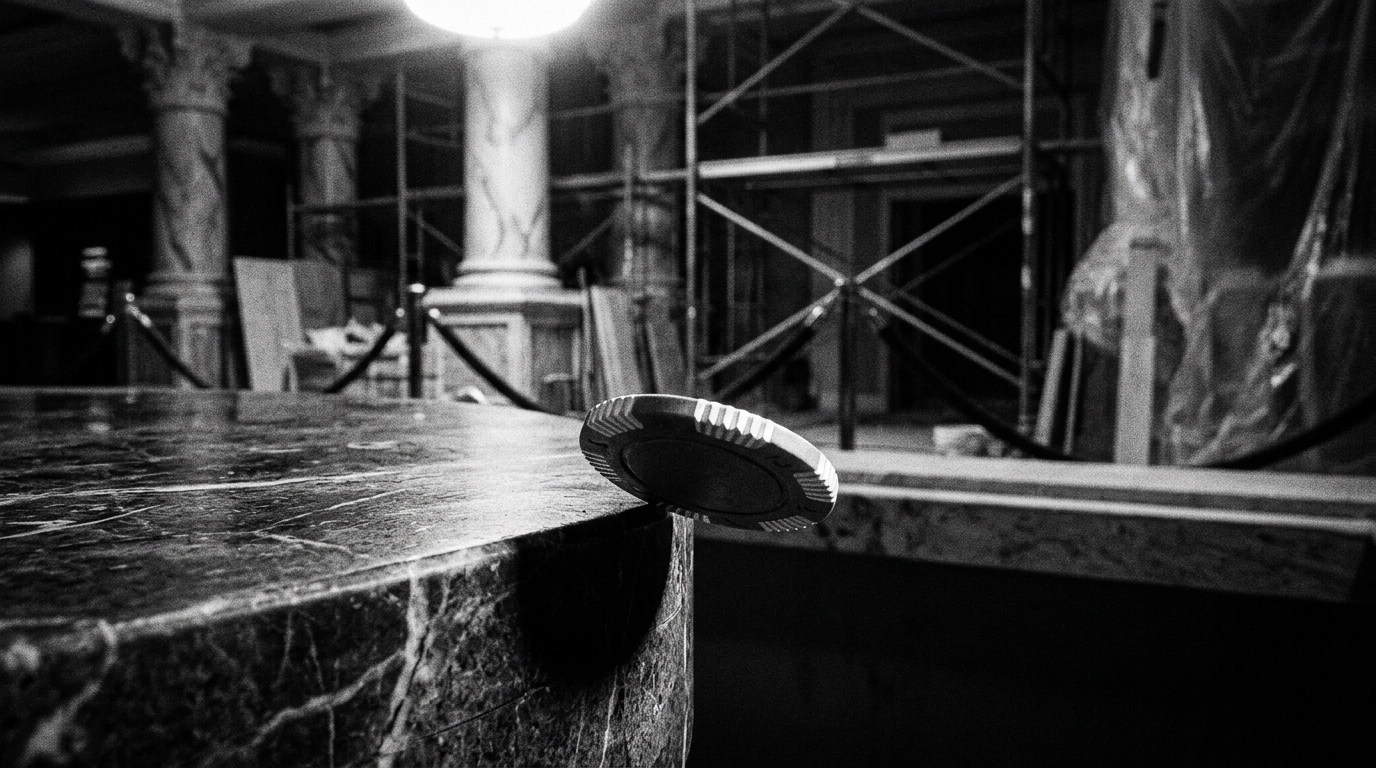
Here's where I get interested and skeptical in equal measure. Monarch is running significant hotel room renovations at their Reno property while simultaneously pushing technology adoption. I've seen this movie before... a property group tries to upgrade physical product AND modernize systems at the same time, and the staff on the floor ends up juggling new room configurations, new tech workflows, and guest expectations that shift mid-renovation. I consulted with a casino hotel group last year that tried exactly this. New PMS rollout during a tower renovation. The front desk team was learning a new system while explaining to guests why their "premium room" was next to an active construction zone. Complaints went up 40% in the first quarter. Not because the tech was bad or the renovation was bad... because nobody planned for both hitting the same team at the same time.
The other thing worth noting for operators watching Monarch's approach: this is a company that returned $17.6 million to stockholders through share repurchases in Q1 alone, on top of a $0.30 per share dividend. When a two-property operator is buying back that much stock while renovating and investing in technology, the capital allocation math gets tight. Every dollar going to buybacks is a dollar not going to infrastructure... and I mean actual infrastructure, not just room finishes. I'm talking about the network backbone, the property management integrations, the stuff behind the walls that determines whether your "technology-driven efficiency" strategy actually works or just looks good in the earnings call script. The question I'd be asking if I were evaluating their tech stack is simple: what's the actual IT capital budget relative to the renovation spend? Because in my experience, when the visible renovation gets 90% of the capital and the invisible infrastructure gets 10%, you end up with beautiful rooms running on systems that crash at 2 AM.
Monarch's results are genuinely strong... 38.9% net income growth is not nothing. But for operators watching a family-controlled casino company navigate technology adoption, renovation, and capital return simultaneously, the lesson isn't "do what Monarch does." The lesson is that even the best-performing operators face a sequencing problem. You can do all three. You probably can't do all three well at the same time without something getting shortchanged. And the thing that gets shortchanged is almost always the technology infrastructure, because it's the one thing guests don't see and boards don't ask about... until it breaks.
If you're running a casino resort property or any full-service hotel that's trying to renovate and upgrade technology simultaneously... stop and sequence it. I've seen this go wrong enough times to know: your team cannot absorb a new PMS, a new workflow, AND a construction disruption in the same quarter without service degradation. Map out which floors or wings are under renovation and stagger your tech rollout to the unaffected areas first. Get your staff trained and comfortable on the new systems before you add renovation chaos to their plate. And if your ownership group is pushing both timelines to overlap because "we want it done by Q4"... bring them the data on what simultaneous rollouts cost in guest satisfaction scores. That's a conversation worth having before it becomes a problem worth fixing.
