Revenue Management is the strategic practice of optimizing hotel pricing and inventory allocation to maximize profitability. It involves analyzing demand patterns, competitor pricing, market conditions, and booking pace to determine optimal room rates and length-of-stay restrictions across different customer segments and distribution channels. Modern revenue management systems integrate dynamic pricing algorithms, forecasting models, and occupancy targets to balance volume and yield.
The discipline has become increasingly complex as hotels navigate competing priorities between loyalty program economics, brand positioning, and direct booking incentives. Recent industry developments show revenue management strategies intersecting with loyalty program design, credit card partnerships, and market segmentation decisions. Hotels face tension between aggressive revenue optimization and guest acquisition costs, particularly when promotional strategies across multiple brands or loyalty tiers cannibalize higher-margin bookings.
Revenue management effectiveness directly impacts hotel profitability and competitive positioning. Operators must balance short-term revenue maximization against long-term brand equity and customer lifetime value, especially as alternative accommodations and dynamic pricing become industry-wide practices.

Consumer confidence just slipped back under pressure from rising gas prices, and the historical pattern says leisure spending compresses within weeks... but it doesn't hit where most GMs are watching first.

Six arrests after a fatal stabbing in a short-term rental that neighbors had flagged for criminal activity raises a question Airbnb's $2.7 billion quarter can't answer: who is responsible for safety when there's no front desk?

Barry Diller's $48.30 per share offer for MGM values one of the most iconic casino resort portfolios on earth at roughly what the market was already paying, and the timing... days after the Caesars deal implied MGM was worth $55 to $60... tells you everything about the negotiation strategy.
📡
Get the Briefing Every Morning at 6AM
Join hotel operators, owners, and investors who start their day with InnBrief.
Free forever. Unsubscribe anytime. No spam — just signal.
Operations
Primary
Jul 11
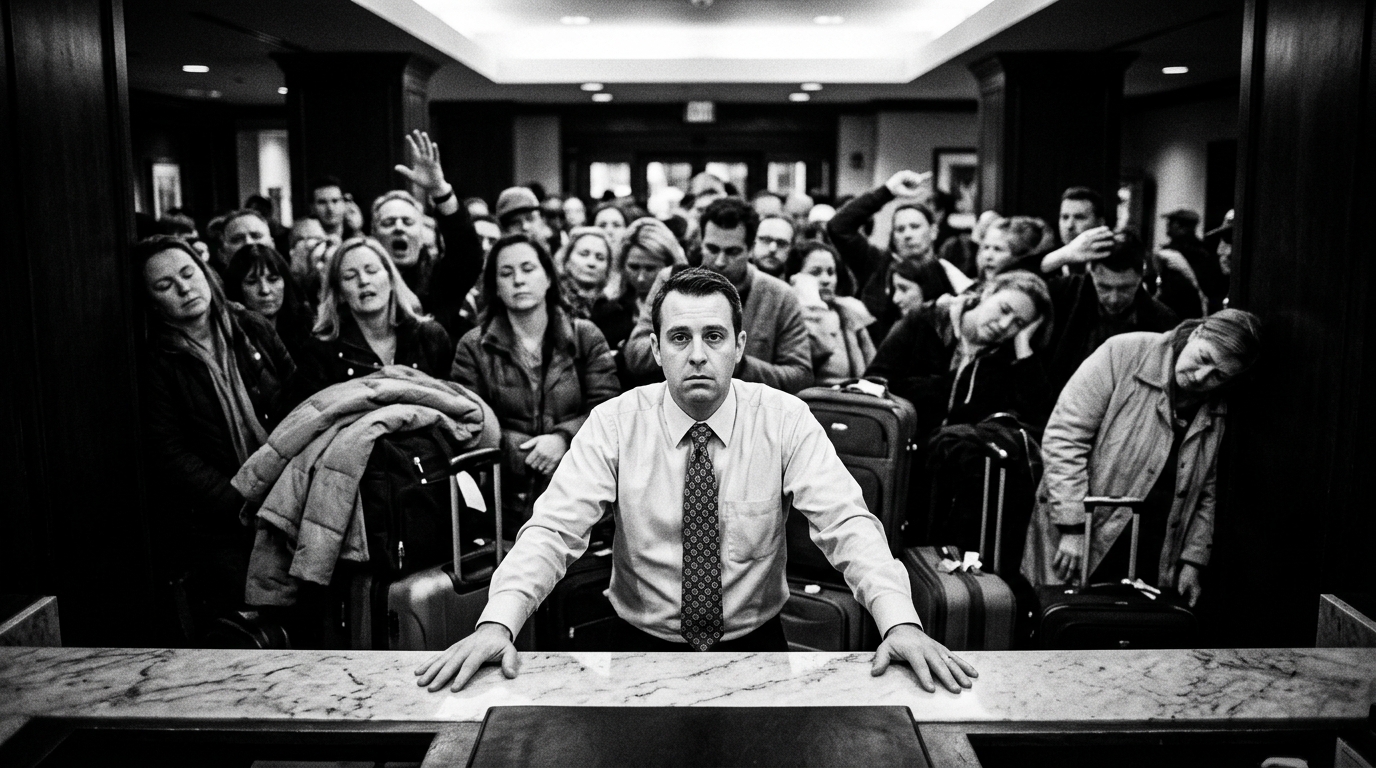
Over 3,200 flight delays hit U.S. airports in a single day last week, and every one of those stranded travelers needs a room, a drink, and someone to yell at. The question is whether your team is ready to absorb the anger and capture the revenue at the same time.

Operations
Primary
Jul 10
Madinah just posted the highest hotel occupancy in Saudi Arabia at 82% with a $99 RevPAR, and the development pipeline has 105,000 rooms headed for the kingdom. The question every operator watching the Middle East should be asking isn't whether demand is real... it's what happens when 252,000 new keys chase the same pilgrim.

Operations
Primary
Jul 10
The week ending July 4th delivered a 10.9% RevPAR jump nationally, with World Cup host cities posting 23% gains. But strip away D.C.'s once-in-a-generation America 250 weekend and a handful of soccer matches, and the picture for most hotels looks a lot less celebratory.

Operations
Primary
Jul 10
Host cities are posting eye-popping RevPAR gains during the World Cup, but the occupancy numbers underneath tell a very different story about who's actually winning and who just displaced their regular business with soccer fans paying double.

A tech exec at a management company says the trick isn't finding the flashiest AI... it's giving your team tools that handle the boring 80% so humans can own the 20% that actually matters. The industry's biggest AI problem isn't the technology.

Airbnb hosts in Toronto and Vancouver expected World Cup windfalls that aren't materializing, with 80% of listings still available and prices cratering. The lesson here isn't about soccer fans... it's about what happens when everyone floods supply into the same demand window without understanding the market they're entering.

IHG One Rewards removed email as a support channel this week, pushing members toward AI chat and live agents instead. The fax option survived the cut, which tells you everything about how much thought went into the actual member experience.
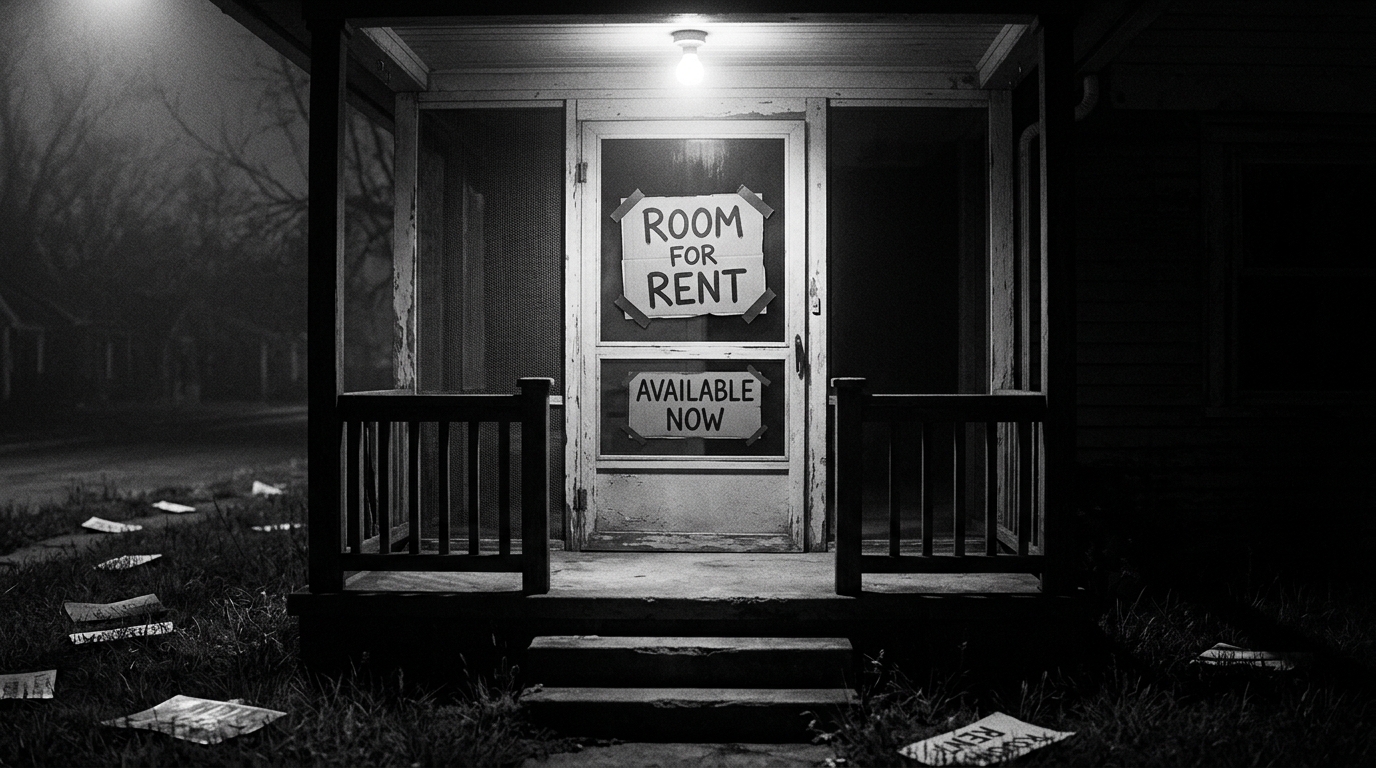
Kansas City's Airbnb supply surged 43% for the World Cup, but the host who made headlines being "nonstop busy" is the exception that proves a much more uncomfortable rule about what happens when everyone tries to be a hotel at the same time.

IHG's 200-property milestone in Canada sounds impressive until you look at what they're actually building, where they're building it, and what the technology integration burden looks like for the owners signing on the dotted line.

Fideuram Intesa Sanpaolo sold 8,153 shares of Expedia in Q1, cutting its position by 75.8%. The interesting part isn't the sale — it's what Expedia's own capital allocation tells you about where OTA economics are heading next.

Macau's June gaming revenue dropped 12% year-over-year as the FIFA World Cup pulled high-value players off casino floors and onto sports betting platforms. The premium mass segment got hit hardest, and if you think this is just an Asian gaming story, you're not paying attention to what it reveals about how quickly discretionary spend redirects.

The AI Hospitality Alliance just surveyed 100 founding members and found an industry begging for practical AI use cases and standards. What's buried in the data is more interesting... a quarter of respondents are vendors, which means the people selling you AI also don't know what the standards should be.

The hotel industry is spending billions on AI tools promising to unify sales, revenue, and marketing into one seamless commercial engine. The question nobody's asking is what happens to the night auditor, the revenue manager, and the director of sales when the system goes down at midnight and nobody remembers how to do it by hand.

Universal Kids Resort opened this week with 300 hotel rooms and a target demo of families with kids under eight. If you're running a hotel in the DFW sprawl, the demand wave is real... but so is the new comp set you didn't have last month.
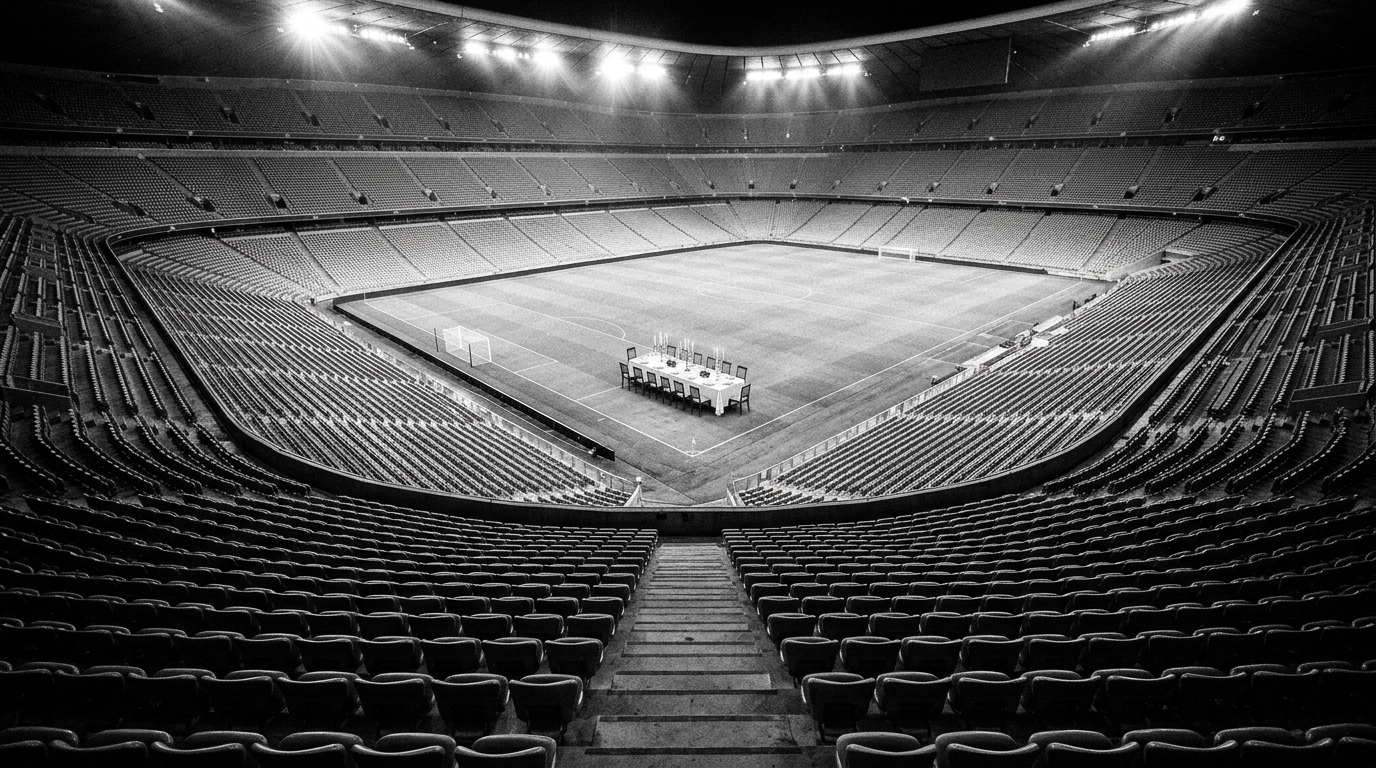
Wyndham hosted corporate travel managers at Argentine football stadiums and branded hotel dinners, calling it "immersive experience" marketing. The real question is whether relationship-building events for 15 guests move the needle for a company running 63 hotels across 43 Argentine cities... or whether this is the brand equivalent of a really expensive dinner party.

Alila's first Japan property promises 60 rooms with private hot spring baths, Kengo Kuma design, and a 2028 opening in Hakone. The question nobody's asking is what technology infrastructure actually looks like when your guest experience depends on plumbing, not pixels.

Operations
Primary
Jun 30
U.S. hotel performance just posted its strongest weekly numbers of 2026, and 97% of the demand growth came from markets that never hosted a single World Cup match. If you've been banking your summer forecast on soccer tourists, you might be looking at the wrong scoreboard.