A Kansas City Airbnb Host Was "Nonstop Busy." Most Weren't. That's the Whole Story.
Kansas City's Airbnb supply surged 43% for the World Cup, but the host who made headlines being "nonstop busy" is the exception that proves a much more uncomfortable rule about what happens when everyone tries to be a hotel at the same time.
So here's what actually happened in Kansas City. The World Cup rolls into town, Airbnb listings jump 43% since last June, and one host in Blue Springs tells a local news station she's been "nonstop busy." Great story. Feels good. Confirms the narrative that regular people can cash in on big events by renting out their spare bedroom.
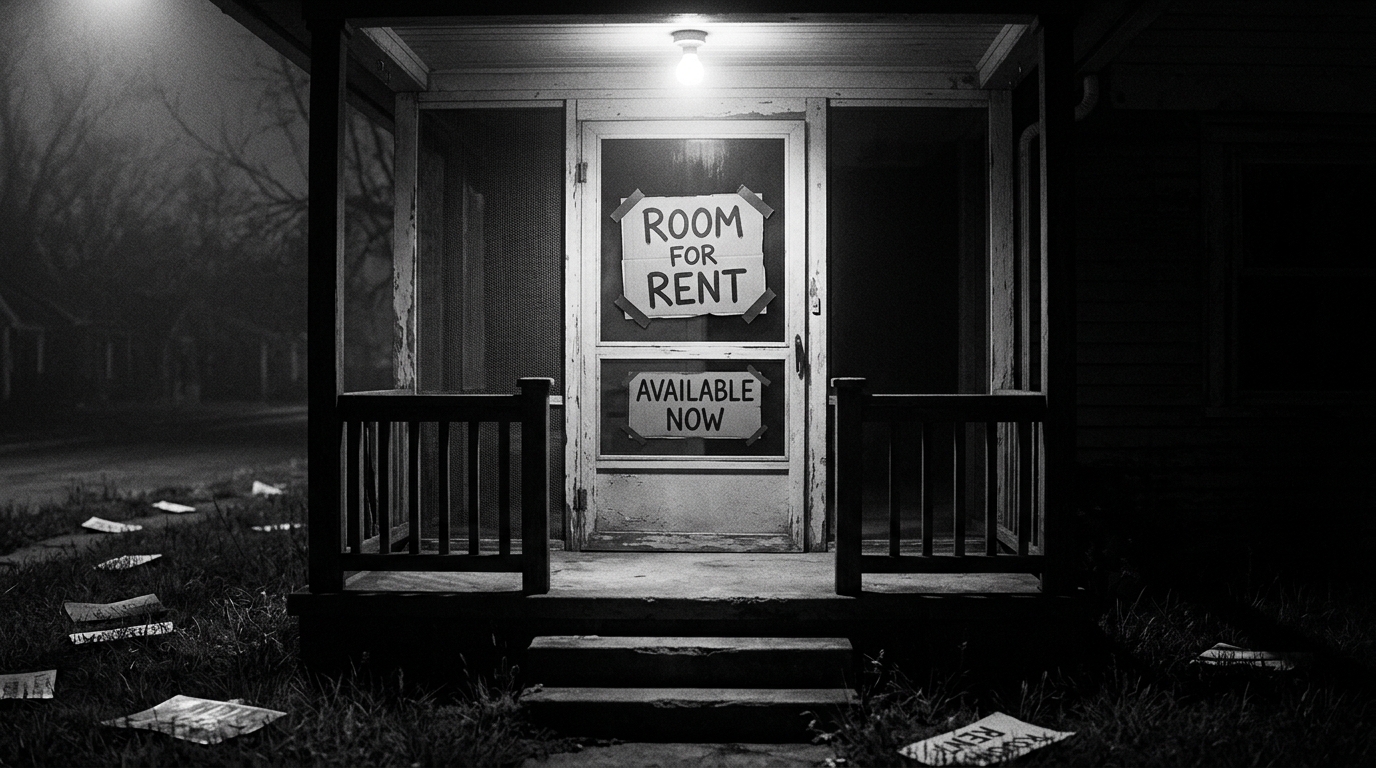
Now here's the part that story doesn't tell you. A huge number of those new hosts... the ones who listed their homes at $500, $800, sometimes thousands a night expecting FIFA tourists to line up... got nothing. Or close to nothing. One first-time host in the market told a reporter she hadn't gotten "a single bite" despite dropping her price multiple times. The broader data backs this up: while overall short-term rental bookings in KC were up 47% year-over-year and rates were 65% higher, that growth was absorbed by a market that had just added 43% more inventory. The math here isn't complicated. When supply grows almost as fast as demand, most individual operators don't win... a few do, and everyone else splits the leftovers. My family's hotel has competed against this dynamic for years. Every time a big event hits our market, listings pop up like mushrooms after rain. Some of them do great. Most of them sit empty and quietly disappear two months later.
Look, what's interesting from a technology standpoint is the infrastructure gap nobody's talking about. Airbnb's platform made it trivially easy to list a property. That's the product working exactly as designed... lower the barrier to entry, flood the zone with supply, take your percentage. But "easy to list" and "ready to host" are two completely different things. The hosts who thrived during the World Cup (like the Blue Springs host in this story) almost certainly had systems in place... pricing strategy, turnover logistics, communication workflows, maybe even dynamic pricing tools. The first-timers who listed a spare room at an aspirational rate and waited for bookings? They brought inventory to market with no operational infrastructure behind it. That's a demo, not a production deployment. And I know something about the difference between those two.
The hotel side of this is equally messy. FIFA originally blocked tens of thousands of room nights in Kansas City and then canceled roughly 75% of them, dumping 22,000-plus rooms back on the market just months before the tournament. Hotels scrambled. And yet... CoStar data shows KC hotels posted a 25% RevPAR gain and a 34% ADR increase year-over-year for the first couple weeks of the tournament. That's rate-driven, not occupancy-driven. Hotels didn't fill more rooms. They charged more for the rooms they did fill. Meanwhile, the Airbnb hosts who listed at $539 average nightly (KC was actually the most expensive Airbnb host city, per one study) were competing against hotels that had just gotten 22,000 rooms freed up and were pricing aggressively. That's a structural mismatch that no amount of "be your own boss" marketing can fix.
The real technology story here isn't about Airbnb the platform. It's about what happens when a platform optimizes for supply growth without giving hosts the operational tools to actually compete. Airbnb offered a $750 bonus to new hosts in World Cup zones who completed a booking by July 31. That's a supply acquisition incentive, not a success incentive. They got paid whether the host thrived or sat empty after one booking. The platform's interests and the individual host's interests diverged the moment "list your home" became easier than "run your home like a business." I've seen this exact dynamic in hotel tech... vendors who make the sale easy and the implementation someone else's problem. The technology works. The outcome doesn't. And the person holding the risk (the host, the owner, the operator) is always the last one to figure that out.
Here's what I'd do if I'm a GM or owner in any current or future World Cup host city (or any major event market, for that matter). First, stop worrying about the Airbnb host who went "nonstop busy." Worry about the 43% supply surge that came with her... because that supply doesn't all leave when the event ends. Some of those listings stick around. Track your STR data against short-term rental inventory in your comp set radius, not just hotel supply. Second, if FIFA or any event organizer is blocking rooms at your property, get cancellation penalties in writing now... not gentlemen's agreements, actual contractual terms. Kansas City hotels got blindsided by 22,000 rooms dumped back on the market. That's not a planning failure, that's a contract failure. Third, your rate strategy during major events should be driven by actual booking pace, not by what Airbnb hosts are asking. KC hotels that held rate at a 34% ADR premium won. The ones who panicked and chased occupancy left money on the table. Hold your rate. Let the amateurs race to the bottom.