Average daily rate (ADR) is a fundamental performance metric that measures the average revenue generated per occupied room on a given day. Calculated by dividing total room revenue by the number of rooms sold, ADR serves as a critical indicator of pricing power and revenue management effectiveness across hotel properties and portfolios.
ADR functions as a primary lever in hotel profitability alongside occupancy rate and length of stay. Hotel operators use ADR to assess competitive positioning, evaluate pricing strategies, and optimize revenue per available room (RevPAR). Recent industry performance data demonstrates that ADR growth alone does not guarantee profit expansion—operators increasingly recognize that sustainable revenue growth requires balanced strategies addressing both rate and operational efficiency rather than rate increases that mask underlying cost pressures or demand weakness.
The metric remains essential for investors and operators evaluating property performance, market conditions, and management execution. ADR trends reveal whether rate increases reflect genuine demand strength or represent pricing adjustments masking occupancy challenges, making it indispensable for informed decision-making in hotel operations and investment analysis.
Macau just posted a 90.4% hotel occupancy rate for the first half of 2026 while five-star room rates actually declined year-over-year. If you think high occupancy automatically means a healthy hotel market, you haven't been paying attention to who's actually walking through the door.

Transactions
Primary
Jul 22
Major chains have poured $567 million into Indian hotel deals in 2025 alone, signing over 51,000 new keys. Corporate buyers hoping that supply wave would cool rates are about to learn what a structural deficit actually looks like when the denominator is 1.4 billion people.
Operations
Primary
Jul 22
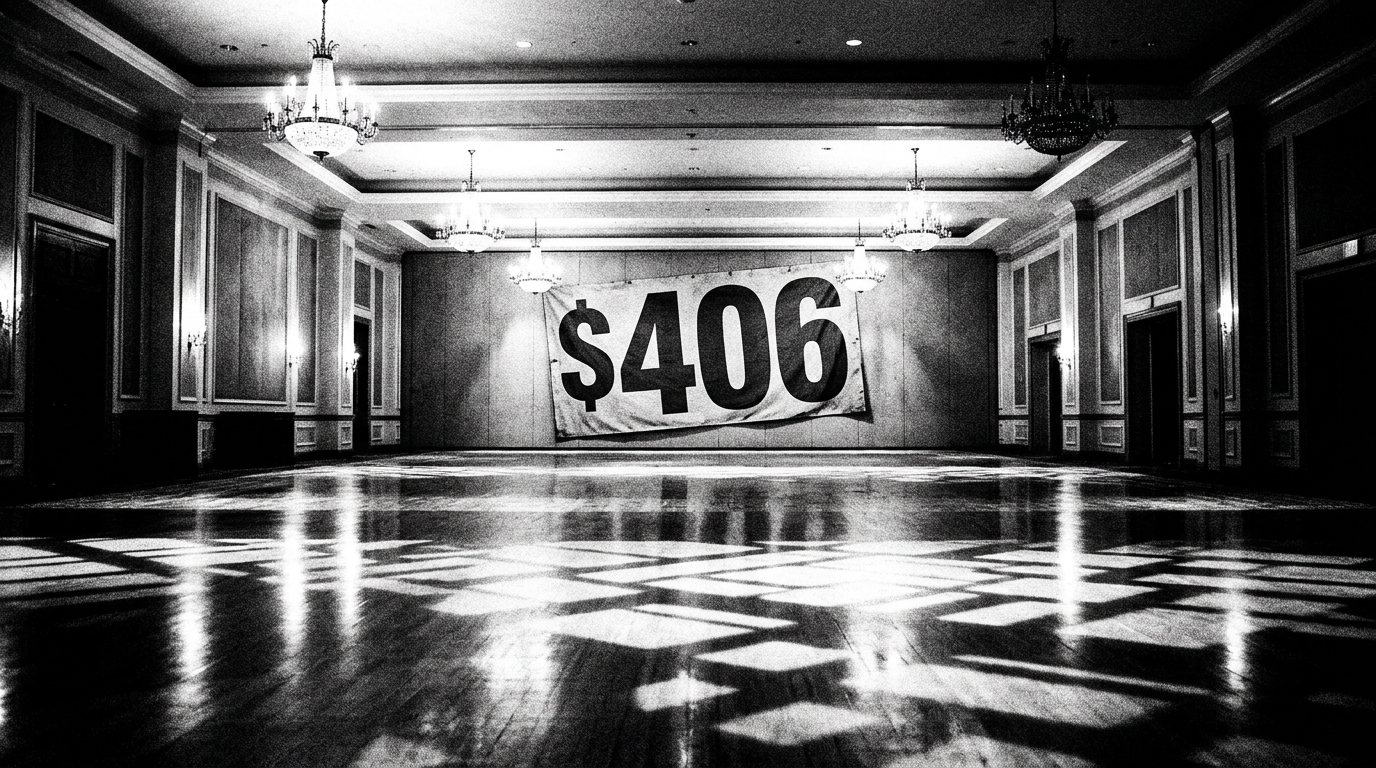
Metro Vancouver's World Cup rates shattered Canadian records at $406 a night while downtown occupancy cratered from 91% to 75%. If you think record ADR with collapsing occupancy is something to celebrate, you haven't done the RevPAR math... and you definitely haven't looked at what happens next summer when the circus leaves town.
📡
Get the Briefing Every Morning at 6AM
Join hotel operators, owners, and investors who start their day with InnBrief.
Free forever. Unsubscribe anytime. No spam — just signal.

Technology
Primary
Jul 14
The FIFA World Cup and back-to-back tech conferences pushed San Francisco hotel RevPAR up 80.5% in a single week, but the operators who actually captured that demand know the real stress test wasn't filling rooms... it was keeping the infrastructure from collapsing under 84.8% occupancy.

Consumer confidence just slipped back under pressure from rising gas prices, and the historical pattern says leisure spending compresses within weeks... but it doesn't hit where most GMs are watching first.

Operations
Primary
Jun 18
U.S. hotels posted their best weekly RevPAR of 2026 as the World Cup kicked off, with host cities seeing weekend gains north of 30%. But if you're one of the thousands of GMs running a property 200 miles from the nearest match venue, the celebration might not be yours to join.

Airbnb missed earnings by a nickel and Wall Street shrugged because revenue jumped 18% and bookings hit 156 million nights. The part hotel operators should actually care about is buried three pages into the shareholder letter... and it's not about vacation rentals anymore.

RLJ Lodging Trust posted a net loss and Wall Street shrugged it off because the operating fundamentals underneath tell a completely different story. The gap between the headline number and the real performance is a masterclass in why REIT earnings require reading past the first line.

A 300-mile round trip now costs $47 in fuel, up roughly $13 from last summer, and it lands on a consumer who's already cutting back on everything discretionary. If you're running a drive-to leisure property and haven't stress-tested your summer pace against this squeeze, you're planning with last year's guest.

When a major operator bundles 50% room discounts with free drinks, meals, and parking, the question isn't what guests save. It's what the trailing RevPAR data already told you about where Las Vegas yield is heading through 2026.
Operations
Primary
Apr 19
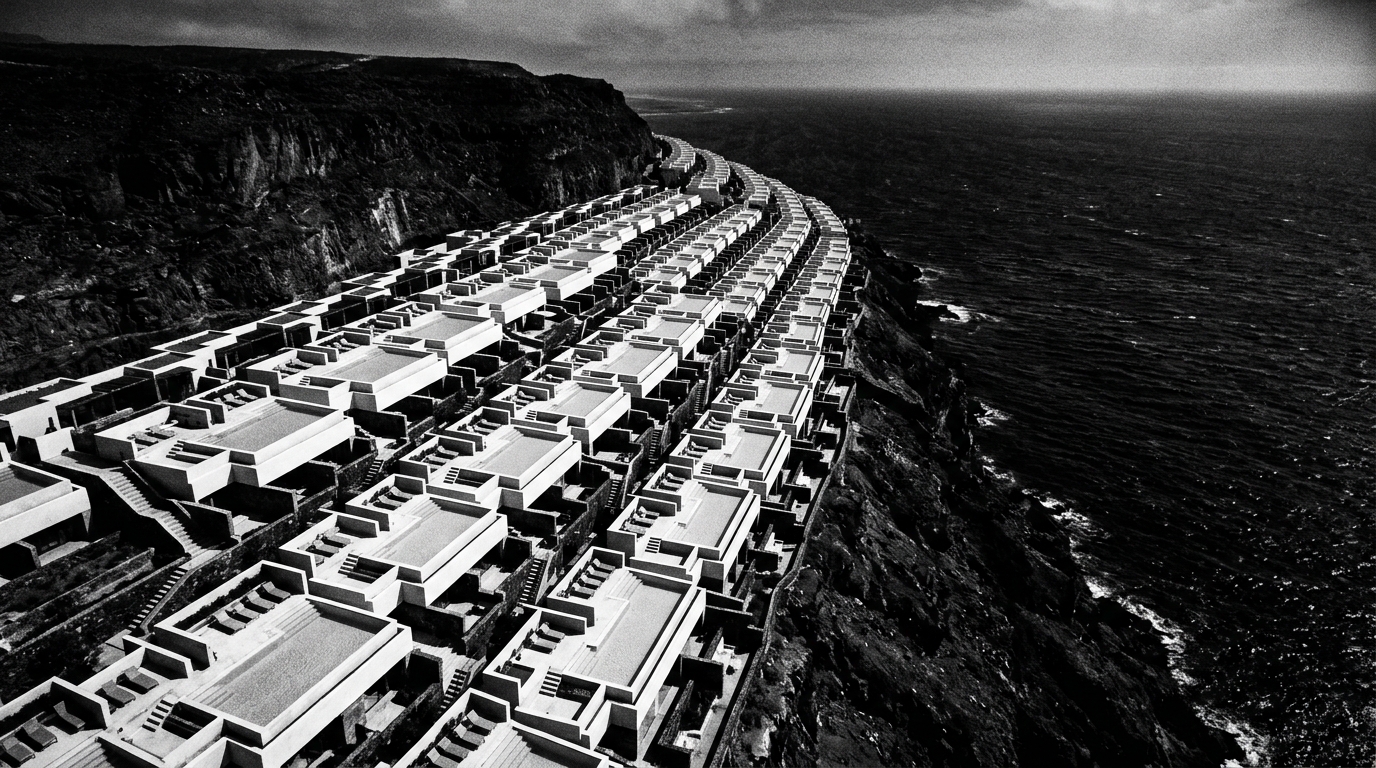
Los Cabos pushed its hotel inventory from 15,000 to 22,000 rooms while average daily rates climbed from $286 to $440. That's the kind of math that breaks most markets... unless someone is doing something fundamentally different with the product.
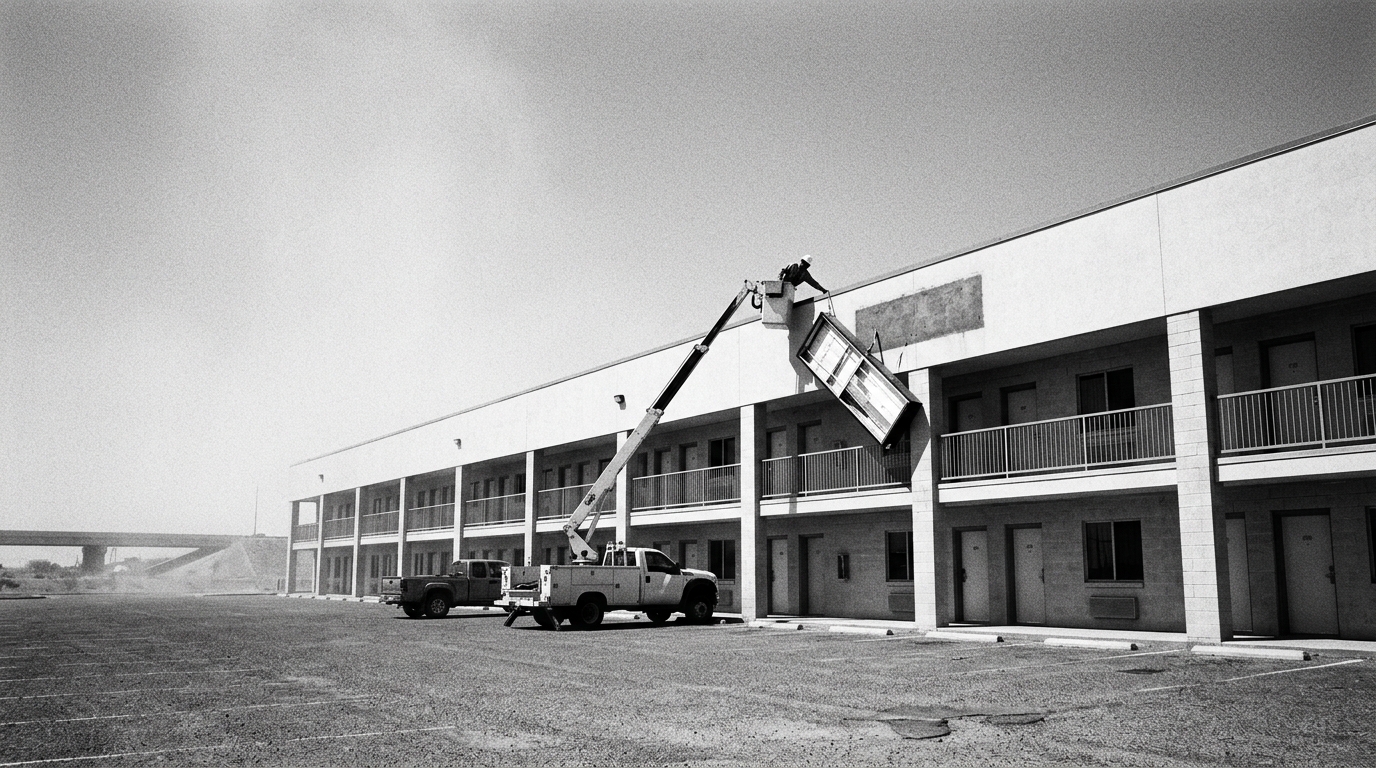
A Houston partnership bought a 50-room economy hotel in the Permian Basin and plans to convert it to Best Western. The per-key price wasn't disclosed, but the brand-switching math in a market where economy demand dropped 3% last year tells you everything about where small-portfolio investors see value right now.

Regional casinos are stacking their entertainment calendars like they're competing with Live Nation, not each other. If you're a non-gaming hotel within three miles of one, your weekend demand pattern just got rewritten and nobody sent you the memo.

The UAE just committed $272 million so hotels can keep rates flat during a regional conflict that grounded half the flights in the Middle East. It's the most expensive pricing experiment in hospitality right now, and the technology infrastructure behind it tells you whether it's genius or theater.
Disney World just pushed peak single-day tickets to $209 and raised hotel rates 4-5% for 2026, and most guests barely noticed. If you're still agonizing over a $7 rate increase on your best-selling room type, you're playing a different game than the people who are winning.

When a luxury hotel running near-full occupancy starts layering on complimentary wellness rituals and curated dining experiences, the press release calls it "spring activation." The P&L tells a different story about where rate power actually went.

Barcelona's phasing out all 10,000 licensed short-term rental apartments by 2028, and the early data on what happens next to hotel demand is more complicated than anyone's admitting.

The "health hotel" market is supposedly racing toward $102 billion by 2032, with major flags scrambling to slap wellness onto everything from lobby design to breakfast buffets. The question nobody's asking is whether the property-level team can actually deliver a wellness promise that survives checkout.

Resorts World and MGM are bundling rooms, meals, and entertainment into all-inclusive packages for the first time on the Strip. When two of the biggest operators in Las Vegas start pricing like Caribbean resorts, the question isn't whether it works... it's what the 7.5% visitor decline already cost them.

MGM is bundling rooms, meals, shows, and parking at Luxor and Excalibur for $165 per night all-in, while the Plaza is at $104 per person. The per-night economics tell a very different story than the press release.