A 19-Year-Old Died in a Jerusalem Airbnb. The Neighbor Says He Called Police Repeatedly Before It Happened.
Six arrests after a fatal stabbing in a short-term rental that neighbors had flagged for criminal activity raises a question Airbnb's $2.7 billion quarter can't answer: who is responsible for safety when there's no front desk?
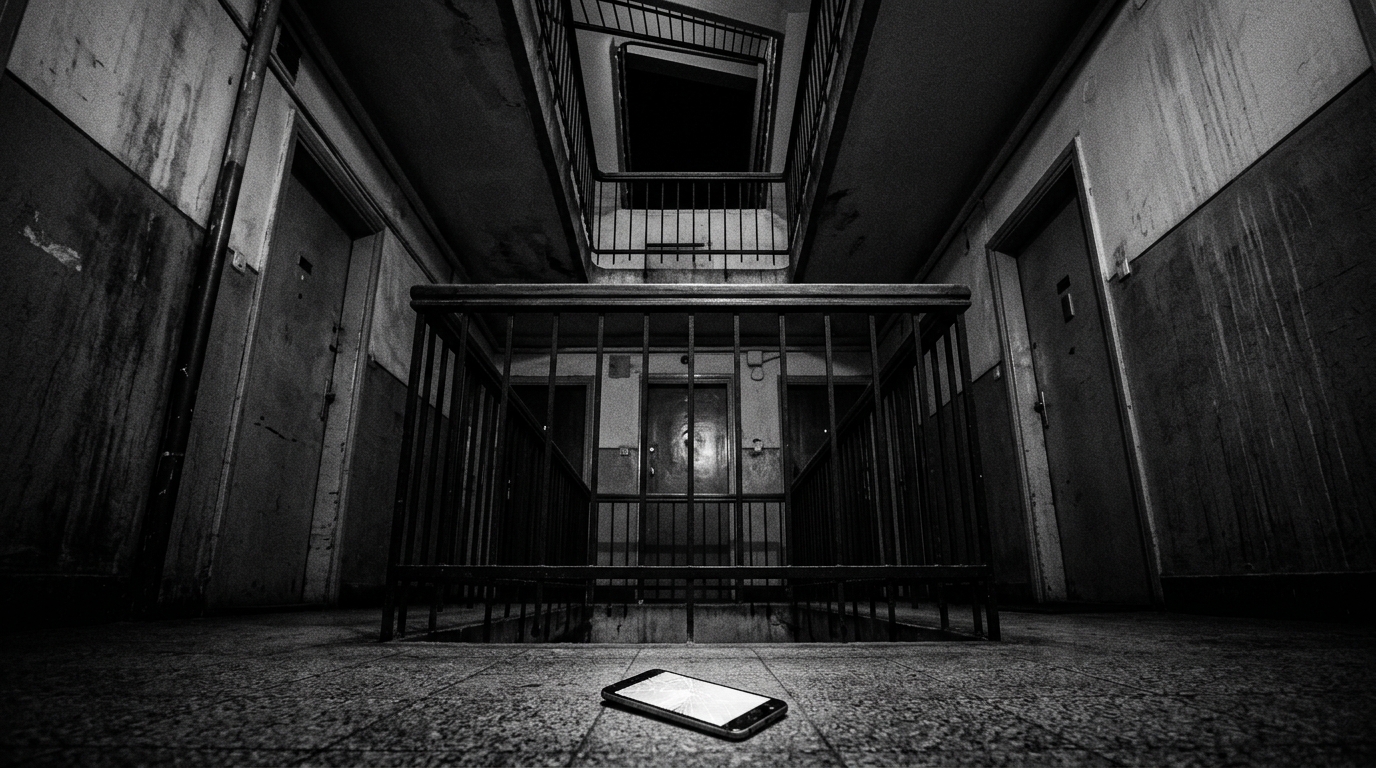
A 19-year-old was stabbed to death Saturday in a Jerusalem Airbnb apartment. Six suspects arrested. That's the headline. Here's what the headline doesn't tell you: a resident of the building says he contacted police multiple times before the killing, reporting drugs, prostitution, and disorder at that specific unit. The warnings went nowhere. The listing stayed active. The death happened anyway.
Airbnb posted $2.7 billion in Q1 2026 revenue, 18% year-over-year growth, $29 billion in gross booking value. Nights booked grew 9% (with a 100-basis-point drag from Middle East conflict cancellations, per their own earnings call). The company is expanding into hotel listings, rolling out AI support tools, pushing "Reserve Now, Pay Later." None of those initiatives address what happened on Shirizli Street. A platform processing $29 billion in bookings has no on-site safety infrastructure at any of them. That's not a bug in the model. That's the model.
I keep coming back to the neighbor. He did what you're supposed to do. He reported. He escalated. And the system (local police, the platform, whoever should have acted) failed to remove a property that was generating complaints consistent with criminal activity. Research from late 2025 showed that safety-related guest reviews correlate with a 1.5-2.4% drop in occupancy and roughly 1.5% in nightly rate for affected Airbnb listings. Those are the listings that get flagged publicly. The ones flagged privately, by neighbors, by local residents who don't leave guest reviews... those stay invisible to the platform's risk models. Israel has no unified national short-term rental law. Hosts navigate local zoning rules, building regulations, tax obligations. Enforcement is fragmented. Accountability is diffuse. A property can operate in a regulatory gap where no single entity owns the safety question.
This is not an anti-Airbnb argument. It's a structural observation. Traditional hotels carry the cost of 24/7 staffing, security infrastructure, liability insurance scaled to their operations, and regulatory compliance that includes fire safety inspections, ADA requirements, and local licensing. Those costs show up in ADR. They show up in operating margins. They show up in franchise fees and brand standards. Short-term rentals competing on price without carrying equivalent safety costs aren't competing on a level surface. That's been true for a decade. What changes is that a 19-year-old is dead, a building's residents apparently tried to prevent it, and the platform's Q1 revenue grew 18%.
Airbnb's terms of service, updated February 2026, place compliance responsibility on hosts. That's legally clean. Whether it's operationally sufficient is a different question, and it's the question regulators in Jerusalem and elsewhere will now have to answer with a body count attached to it.
Here's what I'd tell any hotel owner or GM watching this story: you already pay for safety. Security staff, cameras, front desk coverage, liability premiums, brand-mandated safety standards... it's baked into your cost structure and your guests rarely think about it because it works. That's your competitive advantage, and most of you are terrible at articulating it. If you're in a market where short-term rentals are taking share, this is the week to revisit how you communicate safety in your direct booking messaging and on your OTA listings. Not fear-mongering. Facts. "24/7 staffed property. On-site security. Licensed and inspected." You've been paying for it. Make sure the guest knows they're getting it. And if your local hotel association isn't using incidents like this to push for regulatory parity on safety standards, ask them what exactly your dues are funding.