82% Occupancy in Madinah. And 105,000 Hotel Rooms Coming Behind It.
Madinah just posted the highest hotel occupancy in Saudi Arabia at 82% with a $99 RevPAR, and the development pipeline has 105,000 rooms headed for the kingdom. The question every operator watching the Middle East should be asking isn't whether demand is real... it's what happens when 252,000 new keys chase the same pilgrim.
I worked with a GM years ago who ran a hotel near a major pilgrimage site. Not in Saudi... different country, different religion, same economics. His property ran 85-90% occupancy for about eight months a year. He thought he was bulletproof. Then three new hotels opened within a mile of his front door in the same 18-month window. His occupancy didn't collapse... it dropped to 68%. And 68% at his cost structure was a completely different business than 85%. He went from a property that printed money to a property that needed a revenue management strategy for the first time in its life. He wasn't ready for that conversation.
That's the story I keep thinking about when I look at what's happening in Madinah and across Saudi Arabia right now. The Q1 2026 numbers are genuinely impressive. 82% occupancy across Madinah's nearly 77,000 rooms. ADR of $121. RevPAR at $99. Those are numbers that would make any owner in any market very happy. And the demand driver is about as close to guaranteed as this industry gets... religious pilgrimage doesn't follow economic cycles the way leisure and business travel do. People don't cancel their Umrah because GDP softened. The Saudi government is pushing hard to grow Umrah from 6.2 million foreign pilgrims in 2016 to 30 million by 2030. They're streamlining visas (they just launched a new "Package Visa" this week that integrates the visa application directly into travel bookings). They're pouring billions into infrastructure. The demand story is real.
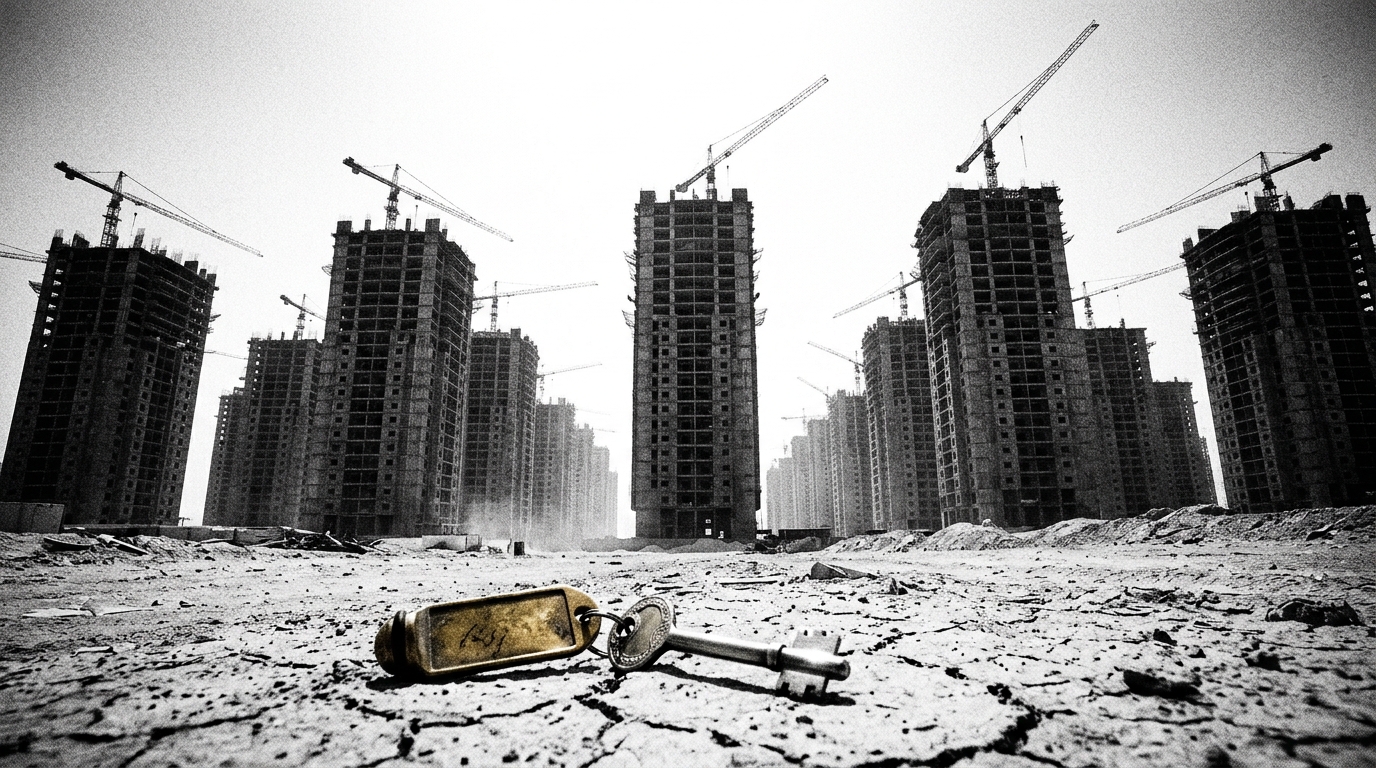
But here's what keeps me up at night if I'm an investor or operator in this market. Saudi Arabia's hotel pipeline is 385 projects totaling 105,598 rooms. Makkah and Madinah alone have over 252,000 rooms planned or under development by 2030. The overall Middle East pipeline just hit a record 717 projects. And while domestic tourism grew 16% year-over-year (28.9 million visitors), international arrivals actually declined 13% to 8.3 million. That's a footnote in most of the coverage I've read, but it shouldn't be. When your international arrivals are dropping while your room supply is surging, you're building a compression market that may not compress as tightly as your pro forma assumes. The $22 billion in Q1 tourism spending sounds massive... until you divide it by the number of rooms that are going to be chasing that spend by 2028.
The other thing operators need to understand about pilgrimage-driven markets is that they're seasonal in ways that can mask annual performance. Q1 often captures peak Umrah season. An 82% Q1 occupancy doesn't mean 82% annual occupancy... Madinah's average annual occupancy was 75% in 2025, which is still strong, but it means there are soft months. And in those soft months, all that new supply is going to be fighting for the same domestic traveler and the same cultural tourist. The government knows this, which is why they're investing in attractions like the Hijaz Eye observation wheel and trying to position these cities as dual-purpose destinations. That strategy makes sense on paper. Whether it translates to enough incremental demand to absorb 252,000 new rooms is the billion-dollar question nobody can answer yet.
Look... I'm not bearish on the Saudi hospitality play. The fundamentals of a government-backed demand driver with massive infrastructure investment and a genuinely underserved market are as good as it gets in this industry. But I've seen this movie before in other markets. The demand was real in those places too. The supply response was also real. And the operators who got hurt were the ones who underwrote to the peak numbers instead of stress-testing what happens when your comp set doubles in four years.
If you're evaluating a management contract, development deal, or investment opportunity in Saudi Arabia right now... run two models. One with current occupancy and ADR. One with 15-20% more supply in your immediate comp set and flat international arrivals. The gap between those two scenarios is your risk exposure. For operators already in Madinah or Makkah, this is the window to lock in your cost structure and build loyalty contribution before the new supply arrives. Don't get seduced by 82% occupancy into thinking you can defer that revenue management upgrade or that staff training investment. The properties that are operationally excellent when supply hits will hold rate. The ones coasting on compression will discover that 65% occupancy at the same cost structure is a very different P&L. And if you're a U.S.-based operator watching this from the outside, understand that the international brands landing deals in Saudi right now are pulling management talent and development resources from other markets. That affects your pipeline timeline whether you're in the kingdom or not.