41 stories·First covered Feb 11, 2026·Latest Aug 2
Occupancy rate measures the percentage of available rooms occupied during a specific period, calculated by dividing rooms sold by total rooms available. This metric serves as a fundamental performance indicator for hotel operators, owners, and investors, directly reflecting demand strength and revenue generation capacity.
Occupancy rate functions as a critical component of hotel financial analysis and competitive benchmarking. Hotels track this metric alongside average daily rate (ADR) and revenue per available room (RevPAR) to assess operational efficiency and market positioning. Seasonal fluctuations, local economic conditions, and competitive supply significantly influence occupancy performance across properties and markets.
Industry analysis increasingly focuses on occupancy trends to identify market segments gaining or losing ground. The metric becomes particularly relevant during market transitions, as properties with stronger occupancy demonstrate resilience while those lagging face pressure to adjust pricing, marketing, or operational strategies. Understanding occupancy patterns helps stakeholders make informed decisions regarding capital investment, rate strategy, and portfolio management.
Macau's hotels posted 90.4% occupancy in the first half of 2026 while actually hosting fewer guests than last year. If you think that sounds like a math problem, you're right... and the answer tells you something uncomfortable about where casino resort markets are heading.
Macau just posted a 90.4% hotel occupancy rate for the first half of 2026 while five-star room rates actually declined year-over-year. If you think high occupancy automatically means a healthy hotel market, you haven't been paying attention to who's actually walking through the door.
MGM China posted HK$17.4 billion in record first-half revenue while adjusted EBITDA actually declined... a pattern every operator who's ever been told to "grow the top line" should recognize immediately.
📡
Get the Briefing Every Morning at 6AM
Join hotel operators, owners, and investors who start their day with InnBrief.
Free forever. Unsubscribe anytime. No spam — just signal.
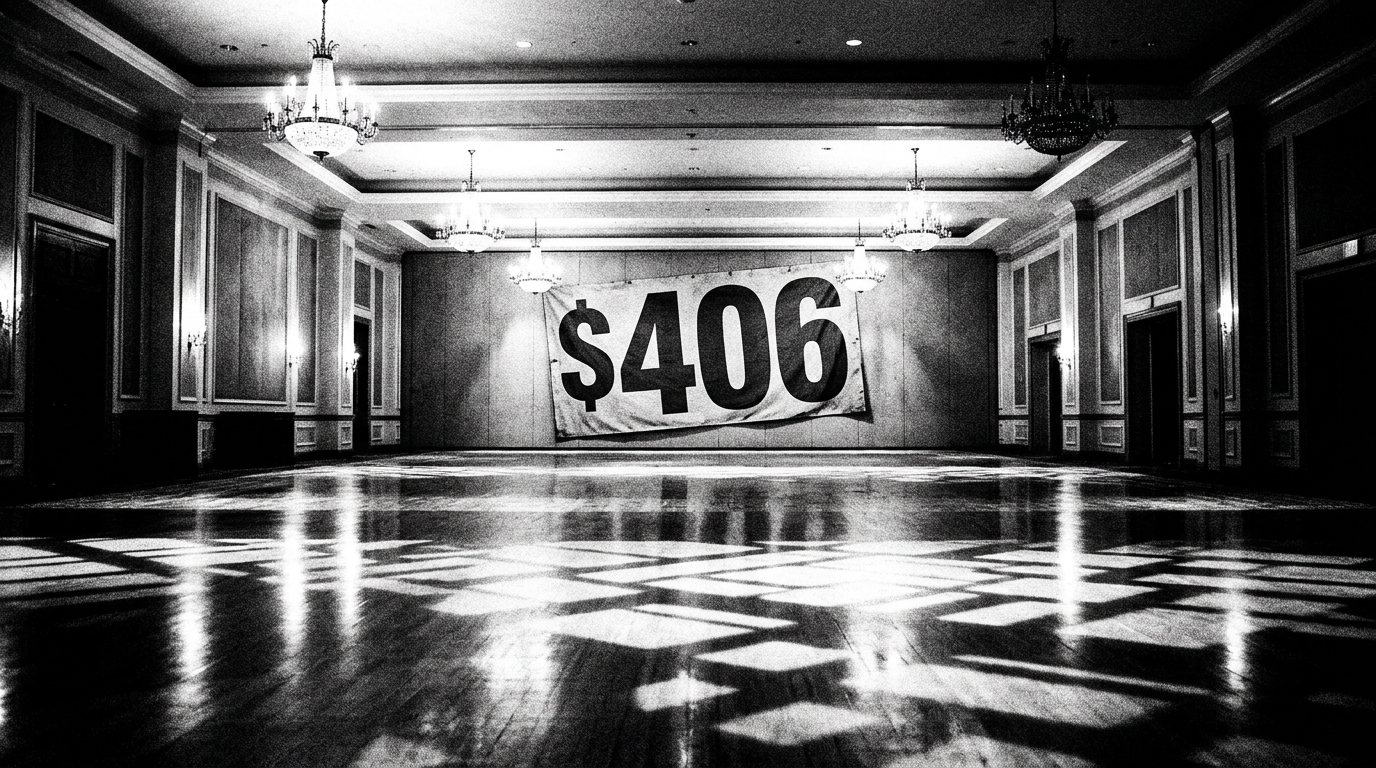
Metro Vancouver's World Cup rates shattered Canadian records at $406 a night while downtown occupancy cratered from 91% to 75%. If you think record ADR with collapsing occupancy is something to celebrate, you haven't done the RevPAR math... and you definitely haven't looked at what happens next summer when the circus leaves town.
The FIFA World Cup and back-to-back tech conferences pushed San Francisco hotel RevPAR up 80.5% in a single week, but the operators who actually captured that demand know the real stress test wasn't filling rooms... it was keeping the infrastructure from collapsing under 84.8% occupancy.
Consumer confidence just slipped back under pressure from rising gas prices, and the historical pattern says leisure spending compresses within weeks... but it doesn't hit where most GMs are watching first.
Madinah just posted the highest hotel occupancy in Saudi Arabia at 82% with a $99 RevPAR, and the development pipeline has 105,000 rooms headed for the kingdom. The question every operator watching the Middle East should be asking isn't whether demand is real... it's what happens when 252,000 new keys chase the same pilgrim.
Host cities are posting eye-popping RevPAR gains during the World Cup, but the occupancy numbers underneath tell a very different story about who's actually winning and who just displaced their regular business with soccer fans paying double.
U.S. hotel performance just posted its strongest weekly numbers of 2026, and 97% of the demand growth came from markets that never hosted a single World Cup match. If you've been banking your summer forecast on soccer tourists, you might be looking at the wrong scoreboard.
Sports tourism is supposedly an $800 billion industry, and FIFA just kicked off across North America with projections of 21 million hotel room nights. So why is a recent survey showing bookings in most U.S. host cities running behind normal seasonal demand?
U.S. hotels posted their best weekly RevPAR of 2026 as the World Cup kicked off, with host cities seeing weekend gains north of 30%. But if you're one of the thousands of GMs running a property 200 miles from the nearest match venue, the celebration might not be yours to join.
Your occupancy report looks healthy this summer, maybe even better than last year. But if you pull apart the revenue mix behind those numbers, you'll find a margin problem that's going to get very loud around October.
Marriott just announced a Ritz-Carlton and a Westin for Kathmandu, adding 300 rooms to a market where its current property saw occupancy drop from 67% to 61% last year. The brand math gets very interesting when you do the delivery test on a 2031 opening in an emerging luxury market that doesn't exist yet.
Iberostar, Blue Diamond, and Meliá are pulling out of Cuba under crushing U.S. sanctions pressure, but the real lesson isn't about geopolitics. It's about what happens when infrastructure collapse meets brand standards and the operator has to choose between the flag and the building.
IHG posted 4.4% global RevPAR growth in Q1, blowing past the 3.3% consensus, with groups up 7% and business up 6%. The question every GM should be asking isn't whether the brand is winning... it's whether your property is getting its share.
MGM posted $4.5 billion in record quarterly revenue and the Las Vegas Strip finally grew again after 18 months. But Strip EBITDAR fell 8% while occupancy slipped and RevPAR declined, which means the machine is running hotter and earning less... and that pattern should sound familiar to anyone who's managed a hotel through a cost cycle.
Michigan's consumer confidence index just cratered to a 27-month low, and if you're running a leisure property in the $150-250/night range that depends on weekend drive-to traffic, the booking pace you're looking at today is about to lie to you.
A New York developer wants to carve 200 hotel rooms and 399 apartments out of a 52-year-old Charlotte office tower with 25% vacancy. The per-key math on the hotel component tells you exactly how much faith they're putting in a market already absorbing 900 new rooms this year.
Los Cabos pushed its hotel inventory from 15,000 to 22,000 rooms while average daily rates climbed from $286 to $440. That's the kind of math that breaks most markets... unless someone is doing something fundamentally different with the product.
A co-headlining legacy rock tour hitting amphitheaters and casino venues across the East Coast this September sounds like a nostalgia story. It's actually a revenue management story... and the properties within three miles of those venues have about five months to get their strategy right.