Four Fires at Disney World in Three Weeks. That's Not Bad Luck. That's a Pattern.
A fire on the roofline of Disney's Yacht Club Resort marks the fourth fire-related incident across Walt Disney World properties since late June. When the world's most operationally controlled resort campus starts stacking incidents, the question every hotel operator should be asking isn't about Disney... it's about their own property.
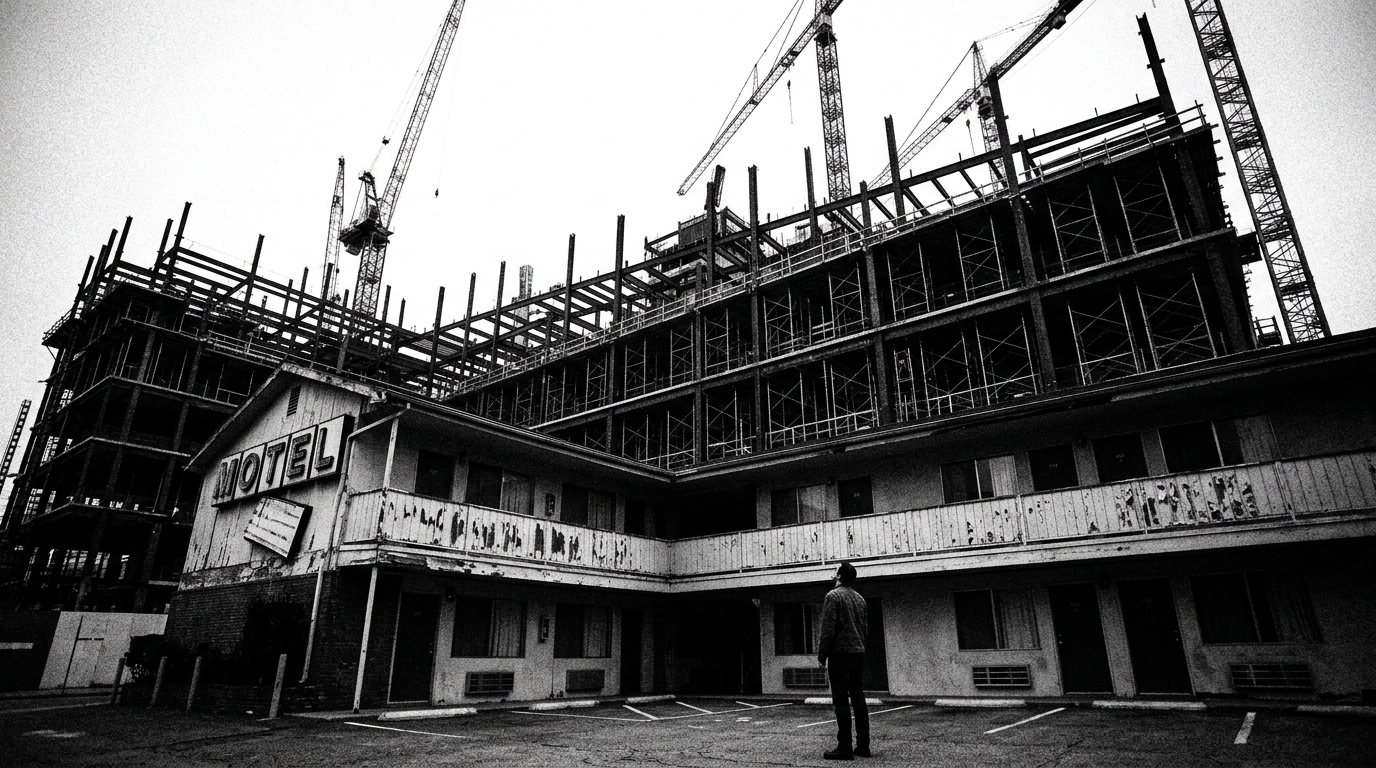
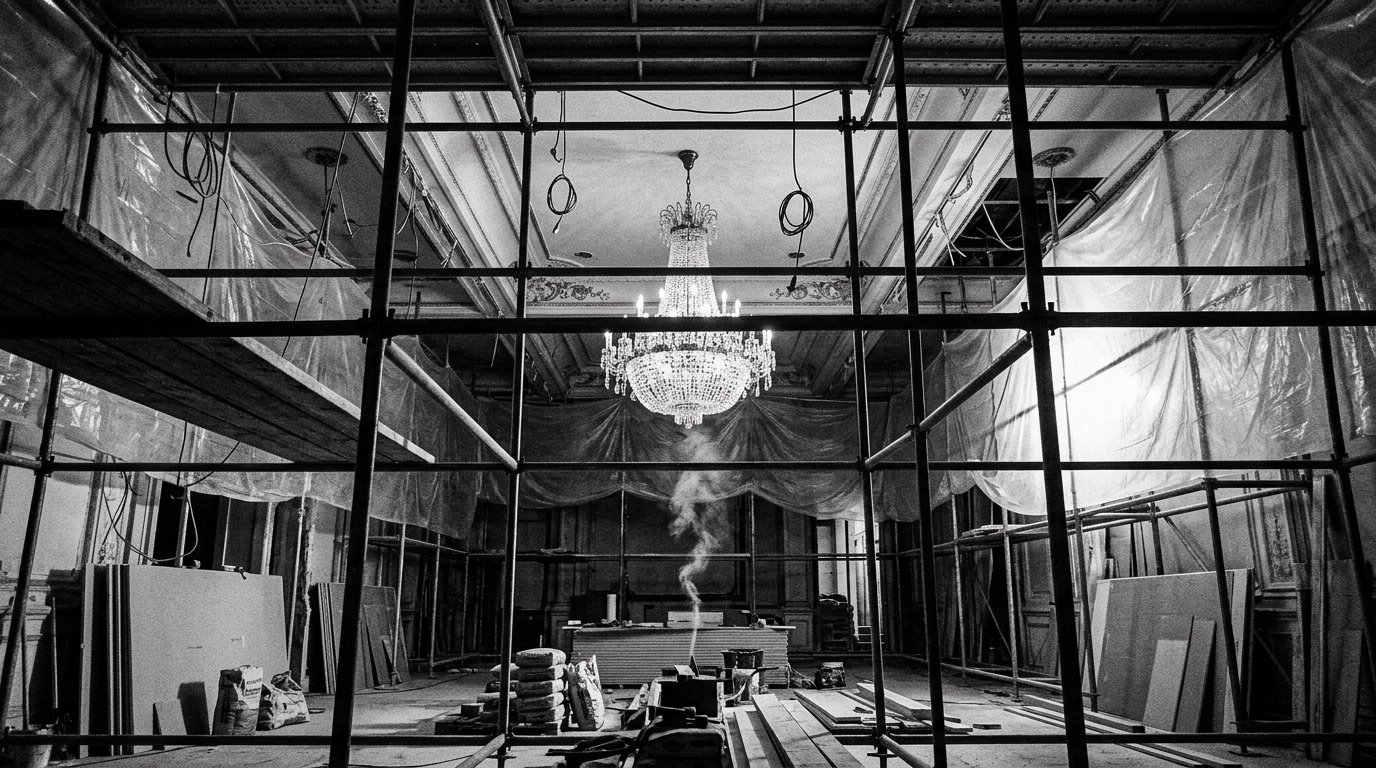
So here's what caught my attention. Not the fire itself... roofline fires happen, smoke dissipated in under two minutes, no injuries reported, no evacuation. That's a contained incident. What caught my attention is the timeline. June 25, a kitchen fire at the Dolphin Hotel's restaurant forces a lobby evacuation. July 1, a guest's portable charger ignites on a ride at Magic Kingdom. July 8, another fire alert in the Magic Kingdom area. July 11, a fire at Port Orleans Resort prompts a 911 call. And now, July 15, the Yacht Club roofline. Four property-level fire incidents in 20 days across one resort campus. The Yacht Club is also mid-refurbishment right now... scaffolding, construction materials, the whole situation. Nobody's confirmed a connection between the construction and the fire, but if you've ever managed a property during a renovation, your gut is already telling you something.
Look, I'm not here to armchair-diagnose Disney's fire safety program. They have more resources, more protocols, and more redundancy than 99% of the hotels reading this. That's actually the point. If a campus with Disney-level operational control, Disney-level budgets, and Disney-level staffing density is stacking fire incidents during an active construction period... what does that tell you about YOUR property's risk profile during your next renovation? Because I've consulted with hotel groups mid-renovation, and the answer is almost always the same: the fire watch protocols exist on paper, and nobody's checking whether they're being followed at 2 AM when the contractor's crew left oily rags next to a heat source. I talked to a chief engineer last year who told me his biggest fear wasn't the renovation itself... it was the six weeks of overlap where construction materials and guest occupancy shared the same building systems. "The fire panel doesn't know the difference between drywall dust and smoke," he said. He wasn't wrong.
Here's the technology angle, because this is actually where I live. Modern fire detection and suppression systems are good. Really good. Addressable panels, zone isolation, integration with BMS platforms... the technology exists to catch problems early and respond fast. But here's what vendors won't tell you: most of these systems degrade during construction. Detectors get covered or temporarily disabled to prevent false alarms from dust and debris. Sprinkler zones get partially shut down for tie-ins. The fire alarm monitoring company gets a standing "construction impairment" notice and basically tunes out alerts from those zones. I've seen properties where the impairment notice was supposed to last two weeks and was still active four months later because nobody followed up. The system doesn't fail. The PROCESS around the system fails. And no amount of smart building technology fixes a process problem.
The portable charger fire on July 1 is a completely different animal, but it's worth flagging because it's a growing problem the industry isn't taking seriously enough. Lithium-ion battery incidents are increasing across every commercial property type. Hotels, theme parks, airports, convention centers. Guests are carrying more battery-powered devices than ever... phones, tablets, portable chargers, vape pens, electric toothbrushes. A single defective lithium cell can reach thermal runaway in seconds. Has anyone at your property actually trained the front desk on what to do when a guest's device starts smoking? Not the fire drill protocol. The actual "a battery is on fire in room 312 right now" protocol. Because it's different from a standard fire response (water makes lithium fires worse), and most hotel teams have never discussed it, let alone drilled it.
Disney hasn't commented publicly on the Yacht Club fire yet, which is standard for a breaking incident at that scale. But the clustering matters. Not because Disney has a systemic safety problem (they almost certainly don't... they have the budget and the institutional discipline to address this fast). It matters because it's a visible reminder that fire risk compounds during renovation periods, that construction oversight requires active daily verification (not just a safety plan in a binder), and that the technology designed to protect your building is only as reliable as the humans managing its status during disruption.
Here's what I want you to do this week. If you have any active renovation or construction project at your property... any... pull your fire alarm impairment log and check it against reality. Are the zones that are supposed to be back online actually back online? Is your monitoring company still carrying a blanket impairment notice from three months ago? Walk the construction area yourself after the crew leaves for the day. Look for propane tanks, solvent containers, extension cords daisy-chained across wet floors. This isn't about Disney. This is about the fact that renovation season and fire season overlap perfectly, and the gap between your fire safety plan on paper and your fire safety reality at 2 AM is probably wider than you think. If you're carrying a lithium-ion battery response protocol... great, you're ahead of 90% of the industry. If you're not, fix that by Friday. It takes 15 minutes to brief your team. It could save a building.