Ruby Hotels Arrives in Manhattan. IHG Paid $116M for the Right to Call Small Rooms "Lean Luxury."
IHG is converting a 1930s Manhattan building into 187 rooms under a European brand most American operators have never heard of. The question isn't whether the lobby bar will be charming... it's whether "lean luxury" is a real category or just a nicer way to say "small rooms, big franchise fees."
I sat across from a brand development VP once at an industry dinner. Nice guy. Smart. He was pitching me on a "lifestyle-driven micro-concept" that was going to "redefine urban hospitality." I asked him one question: "What's the room size?" He said 175 square feet. I said "So it's a small room." He said "It's an efficiently designed living space." I said "It's a small room with better lighting." He didn't laugh. I did.
That dinner is all I can think about reading this Ruby Hotels announcement.
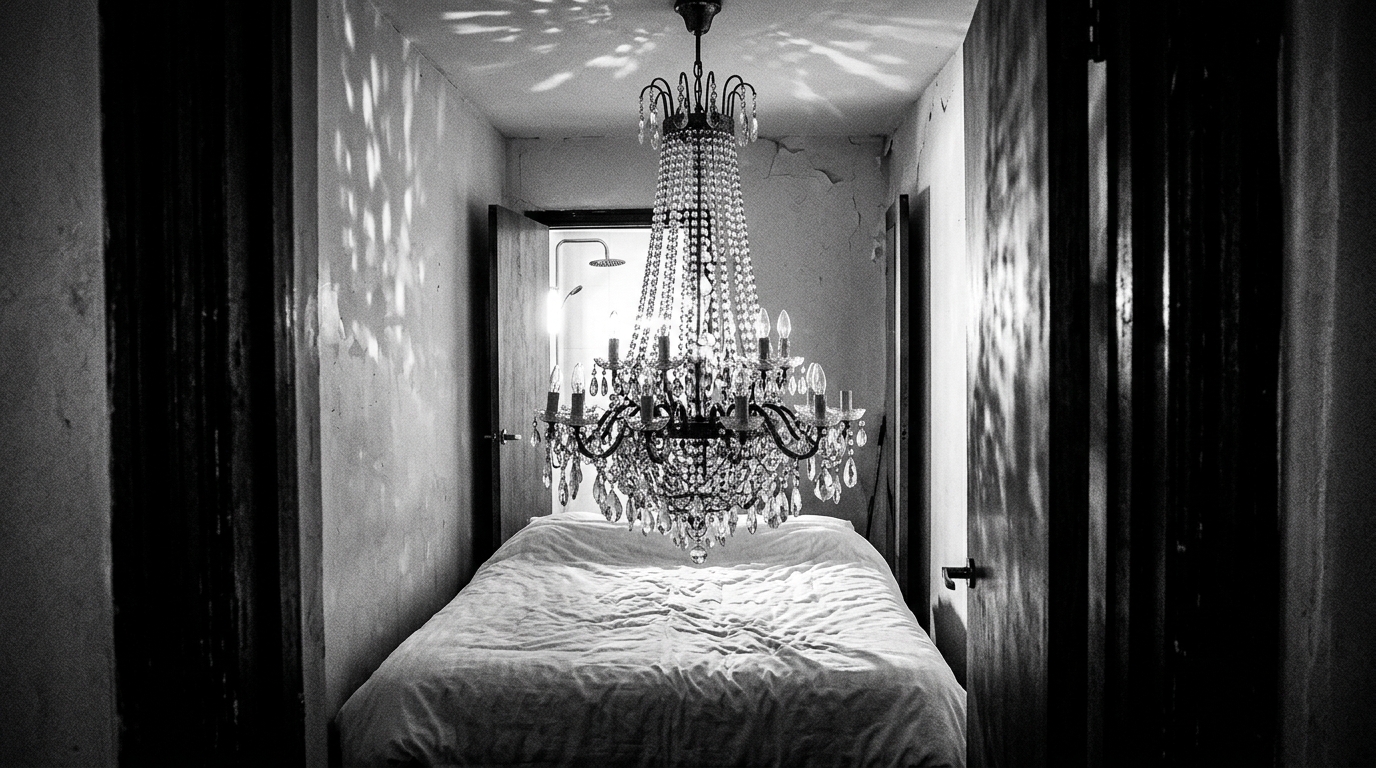
Here's what's actually happening. IHG paid €110.5 million (about $116 million) in early 2025 to acquire a German hotel brand that operates 20 properties, mostly in Europe. They've now signed their second U.S. deal... a 187-key conversion of an 18-story 1930s building on Sixth Avenue in Manhattan, near Herald Square, set to open in 2027. The developer is AC Developers (same outfit behind the voco Times Square). Aimbridge will manage it. The brand's whole identity is what they call "Lean Luxury"... stripped-down rooms, quality bedding, rainfall showers, no restaurant, no room service, and a 24/7 lobby bar that doubles as the social heart of the property. They've got a Chicago deal signed too. IHG wants 120 of these globally in a decade.
Let me be direct about two things.
First, the concept itself isn't crazy. Through Q3 2024, CoStar was reporting Manhattan's 12-month occupancy at 84% with ADRs north of $313. Supply is constrained because Local Law 18 gutted short-term rentals and zoning has made new construction a 24-to-36-month permitting nightmare. If you're going to drop a limited-service European concept into an American city, Manhattan in 2027 is about as favorable a market as you'll find. The math on a 187-key conversion in a building that already exists is fundamentally different from a ground-up build. I get it. The tailwinds are real.
Second... and this is where I need operators to pay attention... the fact that IHG paid $116 million for a brand with 20 open hotels and is projecting only $8 million in franchise fee revenue by 2028 tells you everything about their growth bet. That's a massive acquisition premium against current fee generation. IHG didn't buy Ruby for what it is today. They bought it for what they think they can franchise at scale across American cities over the next two decades. Which means every owner who signs a Ruby franchise agreement in the next five years is essentially paying to build proof-of-concept for IHG's investment thesis. You're the guinea pig. With better sheets. The earnout structure (up to €181 million more if they hit room-count targets by 2030 and 2035) means IHG's development team has every incentive to push signings aggressively. I've seen this movie before. When the franchisor's acquisition earnout depends on unit count, development quality takes a back seat to development velocity.
Here's the question nobody's asking: What does "lean luxury" actually translate to in operating cost structure? If you've eliminated F&B beyond a lobby bar, you've cut a massive cost center. Good. But you've also eliminated a revenue center that Manhattan properties use to drive ancillary spend. Your entire revenue model is room rate plus whatever the lobby bar generates. In a market where luxury hotels posted RevPAR growth north of 10% year-over-year through the first half of 2025, and full-service properties can push $50-80 in F&B per occupied room, you're voluntarily leaving money on the table and betting that your rate premium over a standard select-service justifies the franchise costs. Maybe it does. But I'd want to see three years of actual U.S. performance data before I'd sign that franchise agreement. And right now, there are zero U.S. properties open. Zero.
If you're an independent owner in a top-10 urban market and a Ruby development rep comes calling... ask for actual performance data from European properties, not projections. Ask for the total cost of the franchise as a percentage of revenue, including loyalty assessments, reservation fees, and brand-mandated vendors. Then compare that number against what you're already generating independently. If you're already running 80%+ occupancy in a strong urban market, you need to understand exactly what the flag is delivering that you can't do yourself. And if you're a GM about to run one of these... the "24/7 lobby bar" model means your staffing plan IS your brand delivery. Get that labor model locked before you open, because your lobby is your entire guest experience. There is no restaurant to fall back on, no room service to recover a bad impression. That bar and that front desk team are everything. This is what I call the Brand Reality Gap... brands sell promises at scale, but this particular promise lives or dies on whether the person behind that lobby bar at 2 AM understands they're not just pouring drinks, they're the entire brand.