Disney's Spending $60 Billion on Parks. Your 200-Key Down the Road Feels Every Dollar.
Disney is gutting and renaming Pop Century Resort as part of a $60 billion parks investment blitz. If you're an independent or branded select-service within 30 miles of Orlando, the competitive pressure just changed shape... and not in the direction you were hoping.
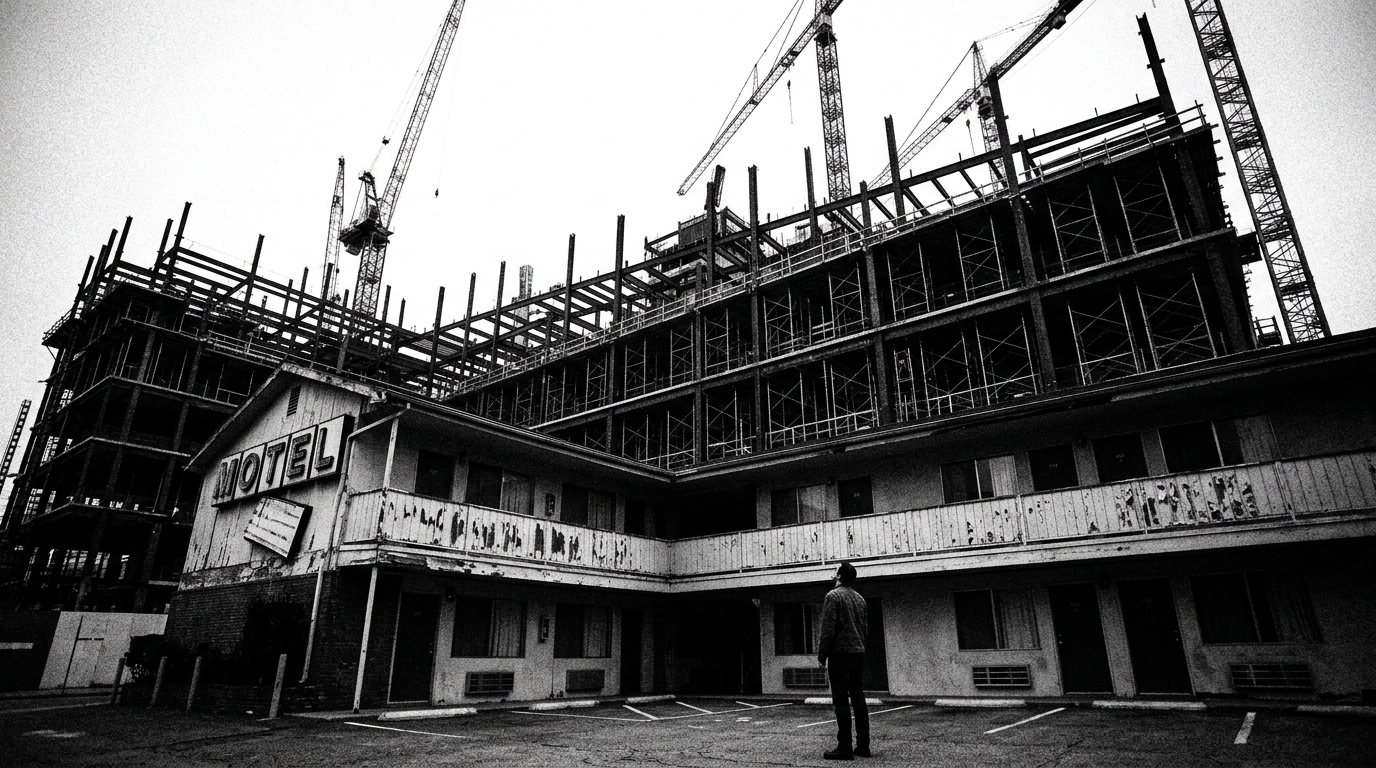
I watched a GM in the Orlando market lose 11 points of occupancy over 18 months once. Not because he did anything wrong. Not because his product deteriorated. Because the 800-pound gorilla three exits up on I-4 decided to renovate, reprice, and reposition... and every family that used to book his 160-key property as a "close enough to Disney" value play suddenly had a shinier option at a price point that made his rate look like a compromise instead of a deal.
That's the story nobody's writing about Disney sanding down the paint on Pop Century's sign and handing it a new name. The headline is cute... iconic resort gets a facelift, maybe a rebrand, the nostalgia crowd weighs in on social media. Fine. But here's what I see when I read it: Disney is methodically refreshing its entire value and moderate tier at the same time. Pop Century. Contemporary. Animal Kingdom Villas. Polynesian. BoardWalk Inn. Wilderness Lodge. Fort Wilderness. That's not maintenance. That's a portfolio-wide repositioning, and it's happening against the backdrop of a company that has publicly committed $60 billion to Parks and Experiences over the next decade, with $17 billion earmarked specifically for Walt Disney World expansion. New theme park potential. New water parks. More hotel rooms. More commercial space. When Disney decides to get serious about capturing a larger share of the Orlando lodging wallet, they don't send a memo. They send a wrecking ball.
And here's the part that should make every non-Disney hotel operator in Central Florida sit up. Disney has been pushing pricing hard enough that analysts are publicly questioning whether they've gone too far... attendance softened, occupied room nights dipped. So what does Disney do? They don't cut rate (they never cut rate). They renovate the product to re-justify the rate. Fresh rooms, new lobbies, updated theming, possibly entirely new brand identities for properties like Pop Century. That's the playbook. You raise the price, some guests push back, so you raise the product to meet the price. Meanwhile, the independent down the road is still competing on "we're cheaper and closer to the parks." Except now "cheaper" means "dated" in the guest's mind because they just saw what a renovated Disney value resort looks like, and "closer" doesn't matter as much when Disney's transportation infrastructure makes their bubble self-contained.
The timing matters too. Universal's Epic Universe is about to open, and the Orlando market is already seeing promotional activity ramp up. Disney Springs hotels are running spring deals. There's a land grab happening for the Orlando leisure traveler, and it's being fought with capital, not just rate. Disney alone is prepared to deploy billions. Universal is spending billions of its own. If you're a 150-key property on International Drive running 3-star product with a 2019 soft goods package, you are not in the same fight as these people. You're in a different sport entirely. The question isn't whether you can compete with Disney. You can't. The question is whether you understand that the competitive set you've been measuring yourself against just became irrelevant because the entire market is being reshaped above you.
This is what I call the Three-Mile Radius... your revenue ceiling is set by the three miles around your property, not your room count. And when the properties within that radius (or the ones that dominate your demand generators) invest at this scale, your ceiling moves. It doesn't move up. It moves in a direction that compresses your rate power and forces you to re-answer a fundamental question: why does a guest choose you instead of the option that just got $200 million in renovations? If you don't have a crisp, honest answer to that question, you're about to have a very uncomfortable budget season.
If you're running a non-Disney hotel anywhere in the Orlando-Kissimmee corridor, pull your STR data from the last two quarters and look at your rate premium (or discount) versus the Disney value tier. That gap is about to shift. Disney is renovating its cheapest product to look like what its moderate tier looked like five years ago. Your comp set analysis needs to reflect that reality, not last year's positioning. Talk to your revenue manager this week about what happens to your rate strategy when a freshly renovated Disney resort at $189 is competing with your $139 room that hasn't been touched since 2020. If you're an owner with an Orlando asset and you haven't budgeted a meaningful rooms refresh in the next 18 months, you're not saving money... you're watching your asset depreciate in real time against competitors spending billions. Get a realistic PIP or renovation scope on paper now, before you're negotiating from weakness.