Today · May 23, 2026
The Washington Hilton Just Proved Every Hotel's Worst Security Nightmare Is Real

The Washington Hilton Just Proved Every Hotel's Worst Security Nightmare Is Real

A gunman opened fire at the White House Correspondents' Dinner inside the same Washington Hilton where Reagan was shot in 1981. If you're a GM who's ever hosted a high-profile event and quietly wondered whether your security plan would actually hold... now you have your answer about what's at stake.

Available Analysis

I managed a property once that hosted a governor's fundraiser. The advance team came through, walked the building, pointed at things, made notes on clipboards. They checked the ballroom entrances, the loading dock, the stairwells. And then they left, and it was my team... my front desk, my banquet staff, my overnight security guy who weighed maybe 160 pounds soaking wet... who were responsible for everything between the perimeter and the podium. I remember standing in the lobby that night thinking: if something goes wrong, the first five minutes belong to us. Not the Secret Service. Not the police. Us.

Saturday night at the Washington Hilton, something went very wrong. A 31-year-old man who had checked into the hotel the day before... a registered guest, room key in hand, bags through the door like any other traveler... allegedly charged a security checkpoint outside the Correspondents' Dinner ballroom armed with a shotgun, a handgun, and multiple knives. A Secret Service agent took a round to the vest. The president was evacuated. Thousands of guests, journalists, and staff were plunged into chaos. The dinner was postponed. And for the second time in 45 years, the Washington Hilton became the backdrop for political violence on American television.

Here's what I keep coming back to. The guy was a guest. He checked in on Friday. He walked through the lobby, rode the elevator, slept in a bed, and then the next evening attempted to breach a presidential security perimeter from inside the building. Every hotel GM in America should sit with that for a minute. Your security model is built around keeping threats OUT. What happens when the threat already has a reservation? The Washington Hilton was reportedly "fortified" after the Reagan shooting in 1981. They redesigned access points, hardened the exterior, changed traffic flow. And the vulnerability that showed up Saturday night wasn't a gap in the fortress wall. It was the front door. The one we open for guests 24 hours a day because that's literally what we do.

This event didn't receive a "National Special Security Event" designation, which would have triggered the full federal security apparatus... the kind of lockdown you see at inaugurations or State of the Union addresses. That's a policy conversation above our pay grade. But here's what IS in our lane: every hotel that hosts political events, corporate gatherings with public figures, charity galas with VIP attendees... your security plan probably assumes the threat is external. A protest outside. A suspicious vehicle. An uninvited person trying to get past the rope line. Saturday night proved the threat can be a guy with a confirmation number and a credit card on file. That changes the calculus in ways most of our event security SOPs haven't caught up with yet.

I'm not going to pretend I have a clean answer for this. There's a tension between hospitality and security that doesn't resolve neatly. We're in the business of welcoming people. We can't run background checks on every guest (and we shouldn't). But the operational conversation has to evolve. If you're hosting events where elected officials, executives, or public figures are present, you need to be asking harder questions about internal access during event windows, about coordination between your in-house team and external security details, about what your front desk staff is trained to observe and report. Not because you're going to stop the next determined attacker with a checklist. But because the first five minutes still belong to you. They always have.

Operator's Take

If you host events with high-profile attendees... political, corporate, or otherwise... pull your event security SOP this week and read it with fresh eyes. Ask yourself one question: does this plan account for a threat that's already inside the building as a registered guest? If the answer is no, you've got a gap. Talk to your security director (or your third-party security vendor) about internal access controls during event windows... who can move through what corridors, which elevators stay locked, what your front desk team is trained to flag. You don't need to turn your hotel into a TSA checkpoint. But you need to have the conversation before you need the plan. And if you're carrying event cancellation insurance, check your policy language on acts of violence. The Washington Hilton just became a case study. Make sure it doesn't become your case study.

Read full analysis → ← Show less
Source: Google News: Hilton
The Washington Hilton Attacker Was a Guest. Every Hotel Security Plan Just Got a Hole in It.

The Washington Hilton Attacker Was a Guest. Every Hotel Security Plan Just Got a Hole in It.

A gunman checked into the Washington Hilton the day before the White House Correspondents' Dinner, walked past lobby security with a shotgun and handgun, and nearly reached a ballroom full of 2,000 people including the President. The threat wasn't outside the perimeter... it was sleeping in room inventory.

Available Analysis

Let me tell you the detail that should keep every hotel operator up tonight. The suspect didn't sneak in through a service entrance. He didn't tailgate a delivery truck. He walked up to the front desk, handed over a credit card, got a room key, and spent the night in the building like any other guest. He had a shotgun, a handgun, and multiple knives. And according to writings found in that room afterward, he noted that security was "far less stringent than he had expected." He wrote those words from inside the hotel. Your hotel. A paying guest. That's the part that breaks every assumption most security plans are built on.

The Washington Hilton has been here before. 1981, same property, a president was shot outside during a departure. Forty-five years later, the building is a crime scene again, and the attack vector is almost absurdly simple... a reservation. The Secret Service is calling their response a "massive security success story" because the agent who took a round to the vest survived and the gunman was stopped before reaching the ballroom. And fine, the tactical response worked. But the strategic failure is enormous. Over 2,000 attendees, the sitting President, the Vice President, hundreds of journalists and government officials, and the threat was already inside the building, checked in, sleeping down the hall. That's not a success story. That's a story where the last line of defense held after every other line failed. (There's a difference, and it's not a small one.)

I grew up watching my dad run hotels that hosted major events... political fundraisers, governor's dinners, things that brought Secret Service advances and local PD sweeps. And the conversation was always about the perimeter. Metal detectors at the ballroom. Credentialed access. Vehicle standoff distance. Nobody ever looked at the guest who checked in on a corporate card two days early and asked "what's in his luggage?" Because you can't. You're a hotel. You're in the business of welcoming people, not interrogating them. That tension... between hospitality and security... has always existed. This incident just made it impossible to ignore.

Here's what the brand conversation looks like now, and this is where I lean in because I've spent 15 years on the brand side and I know exactly how this plays. Hilton's Global Safety and Security team will issue updated protocols. There will be a memo. There will probably be a webinar. And the protocols will say smart things about "risk-based approaches" and "intelligence monitoring" and "coordination with local law enforcement." All of which is real and all of which matters. But none of which addresses the fundamental problem: a guest with a reservation is inside your security perimeter before security even begins. The brand can write all the standards it wants. The GM still has to figure out how to run a 1,000-key convention hotel where any guest might be a threat and you can't exactly run background checks at check-in. The Deliverable Test for hotel security just got a lot harder to pass. You can promise "enhanced security for high-profile events." Can the Tuesday night front desk team at a 400-key full-service actually deliver it? With what training? What budget? What authority to act?

The House Oversight Committee is already calling for hearings on Secret Service protocols for events like this. That's the government side. On our side... the hotel side... the question is different and more uncomfortable. Every major convention hotel, every property that hosts political events, every full-service flag that bids on state dinners and inaugurations and industry galas is now operating in a world where the threat model includes "registered guest with weapons in their room." And the honest answer is that most properties don't have a plan for that. They have a plan for the angry guest in the lobby. They have a plan for the active shooter in the parking garage. They do not have a plan for the quiet guest in 847 who checked in yesterday with a smile and a shotgun in his bag. That's the gap. And it's not a gap that a brand memo closes.

Operator's Take

Here's what I'd do this week if I'm a GM at any property that hosts high-profile events. First, pull your current security plan and find the section on guest-originated threats. If there isn't one... and at most properties there isn't... that's your Monday morning project. Second, call your local law enforcement liaison and have the conversation about information sharing for upcoming events. Not the Secret Service (that's above your pay grade)... your local PD contact. Ask specifically what they can and can't tell you about threat intelligence before a major event. Third, look at your event security budget as a percentage of event revenue. If you're spending less than 3-5% of gross event revenue on security for political or high-profile gatherings, you're underinvesting, and this incident just made that visible to every owner and insurer in the country. Finally, talk to your front desk team. Not a memo... a conversation. They're the ones who check in every guest. They need to know that situational awareness isn't optional, it's operational. This is what I call the Invisible P&L... the security costs that never appear on your financial statements until the day they destroy more value than you ever saved by not spending.

— Mike Storm, Founder & Editor
Read full analysis → ← Show less
Source: Google News: Hilton
The Washington Hilton Can't Escape 1981. And Neither Can Any Hotel That Hosts Power.

The Washington Hilton Can't Escape 1981. And Neither Can Any Hotel That Hosts Power.

A gunman at the White House Correspondents' Dinner just turned the Washington Hilton into a crime scene for the second time in 45 years. If you're a GM running a property that hosts high-profile events, the security conversation you've been avoiding just became urgent.

There's a hotel in every major city that carries a scar. A lobby where something happened that the building never fully shakes, no matter how many renovations, no matter how many years, no matter how beautiful the new carpet looks. The Washington Hilton has been carrying that weight since 1981, when a president was shot outside its doors and the property became synonymous with a national trauma. They built a secure presidential entrance after that. They renamed things. They moved forward. And then on Friday night, 45 years later, a man with a shotgun, a handgun, and multiple knives showed up at the security screening area for the White House Correspondents' Dinner, and the whole thing came rushing back.

Let's be clear about what happened and what didn't. President Trump, the First Lady, the Vice President, and Cabinet members were evacuated safely. One law enforcement officer took a round to a bullet-resistant vest and is expected to recover. The Secret Service's multi-layered security protocol worked. The suspect is in custody. Nobody died. By any measurable standard, the security plan succeeded. But here's what I keep thinking about... the Washington Hilton didn't choose to be the "assassination attempt hotel." It chose to be the hotel with the biggest pillar-free ballroom in the city, the one that could host every president since LBJ, the one that attracted the most prestigious events in American politics. The prestige and the risk were always the same thing. They just pretended they weren't until Friday night made it impossible to pretend anymore.

And this is where it gets real for the rest of the industry. Every hotel that courts high-profile events... political galas, state dinners, campaign fundraisers, awards shows, celebrity weddings... is making a bet. The bet is that the security will hold, the insurance will cover it, and the brand equity from hosting power will outweigh the brand risk of proximity to violence. For most properties, most of the time, that bet pays off. The Washington Hilton has hosted this dinner for decades without incident (well, without THIS kind of incident). But the variance on that bet is catastrophic. You don't get a moderate outcome when it goes wrong. You get a property that becomes a Wikipedia entry for all the wrong reasons, a name that gets mentioned in the same breath as a national tragedy, a lobby that guests photograph not because it's beautiful but because it's historic in the way nobody wants to be historic.

I grew up in hotels. My dad was a career GM. He hosted politicians, celebrities, events where the Secret Service swept the ballroom 48 hours in advance and his staff couldn't access half the building. He never talked about it as glamorous. He talked about it as liability. "You're renting your building to someone else's risk," he told me once, "and if something goes wrong, it's your lobby on the news, not theirs." The Washington Hilton was sold for $290 million back in 2007 and underwent a renovation north of $100 million after that. That's a massive investment in a property whose most famous moment, until last Friday, was a shooting. And now its two most famous moments are both shootings. That's a branding problem that no renovation solves. That's a branding problem that lives in the cultural memory forever.

The question every GM running an event-heavy property should be asking right now isn't "could this happen to us?" (It could. You know it could.) The question is: what does your security investment look like as a percentage of event revenue, and is it enough to protect the asset... not just the people inside it, but the brand itself? Because the Washington Hilton's security worked on Friday. The Secret Service did exactly what they were supposed to do. And the headline is still "shooting at the Washington Hilton." The protocol protected people. It didn't protect the name. Nothing can.

Operator's Take

If your property hosts high-profile events... political, celebrity, any gathering that puts your hotel name in a headline if something goes sideways... pull your event security contracts this week and review them line by line. Not because Friday's incident means you're next. Because your insurance carrier is about to review theirs, and you want to be ahead of that conversation, not reacting to it. Look at what you're spending on security as a percentage of total event revenue. If it's under 3-4%, you're probably underinvesting for the risk you're carrying. And have a crisis communications plan that doesn't start with "call corporate." By the time corporate responds, the local news has already used your lobby as B-roll. You need a property-level response ready before you need it. That's not paranoia. That's asset management.

— Mike Storm, Founder & Editor
Read full analysis → ← Show less
Source: Google News: Hilton
The Washington Hilton Has Hosted Two Presidential Security Crises. The Brand Implications Are Bigger Than the History.

The Washington Hilton Has Hosted Two Presidential Security Crises. The Brand Implications Are Bigger Than the History.

The Washington Hilton just relived its most infamous moment with a second presidential security incident 45 years after the Reagan assassination attempt. What matters for the industry isn't the coincidence... it's what happens to a property when its brand story becomes inseparable from crisis.

Every hotel has a story. Most of them are curated by the marketing team, tested in focus groups, and printed on the back of the key card sleeve. And then there are the stories a property can't control... the ones that attach themselves to a building and never leave, no matter how many renovations you do or how many brand refreshes you roll out.

The Washington Hilton just earned its second. In 1981, President Reagan was shot outside the hotel after a speaking engagement. Now, 45 years later, President Trump was rushed off stage by Secret Service during the White House Correspondents' Dinner at the same property after an armed intruder breached the security perimeter. Two presidents. Same hotel. Same kind of chaos. The building didn't ask for this identity. It has one anyway.

And here's where my brand brain kicks in, because this is actually a fascinating case study in something I think about constantly: what happens when your property's narrative escapes your control? The Washington Hilton has hosted every president since Johnson. It has a dedicated secure corridor... the "President's Walk"... designed specifically for presidential access. It has hosted the Correspondents' Dinner for decades. That's a brand asset. Presidential history, prestige events, the kind of gravitas you cannot manufacture. But gravitas and notoriety live in the same building now, and the line between them is thinner than most brand teams want to admit. You can't put "site of two presidential security crises" in the lobby timeline and also sell it as a serene luxury experience without at least acknowledging the tension. (Can you imagine the brand guidelines meeting? "We'd like to highlight our presidential heritage while... downplaying the part where presidents keep getting attacked here." Good luck with that deck.)

I've watched properties try to manage inherited narratives before. A hotel I consulted with years ago had been the site of a high-profile incident decades earlier... not political, but the kind of thing that shows up on the first page of Google results forever. The brand's instinct was to ignore it. Pretend it didn't happen. Scrub any reference. And you know what? Guests brought it up anyway. At check-in. On TripAdvisor. In the bar. The story belonged to the building whether the brand acknowledged it or not. The property that finally leaned into its history (tastefully, honestly, without exploitation) actually saw sentiment improve. Because guests respect a place that knows what it is. What they don't respect is a place that pretends to be something it isn't. That's the Deliverable Test applied to narrative: can your brand story survive a Google search?

The bigger question for Hilton corporate is whether the Washington Hilton's identity helps or hurts the portfolio brand. Right now, Hilton is in aggressive expansion mode... pushing into luxury and lifestyle with acquisitions and partnerships. The company's story is forward momentum, aspiration, global growth. The Washington Hilton's story is historical weight, political drama, and the kind of gravitas that doesn't fit neatly into a lifestyle brand presentation. That's not a problem to solve. That's a positioning decision to make. And the smartest thing Hilton can do is make it deliberately rather than letting the news cycle make it for them. Because the news cycle doesn't care about your brand guidelines. It never has.

Operator's Take

Look... most of you aren't running a property with presidential security incidents in its history. But every one of you is running a property with a narrative you didn't choose. Maybe it's the TripAdvisor review from 2019 that still shows up first. Maybe it's the local reputation from a previous flag. Maybe it's what happened during COVID. Here's what I've learned: you don't outrun your property's story. You own it or it owns you. If there's something about your hotel that guests are going to find out anyway... from Google, from locals, from that one review... get ahead of it. Put it in your team's training. Let your front desk acknowledge it with confidence instead of scrambling when a guest brings it up. The properties that pretend their history doesn't exist are the ones that look dishonest. The ones that own it look authentic. And authentic is the only brand positioning that actually holds up at 2 AM.

— Mike Storm, Founder & Editor
Read full analysis → ← Show less
Source: Google News: Hilton
Your Kitchen Runs on Gas. Now Imagine It's Gone for Weeks.

Your Kitchen Runs on Gas. Now Imagine It's Gone for Weeks.

An LPG shortage in Odisha has hotels buying black market fuel at double the price, cutting menus, and watching tourists disappear. If you think supply chain disruption only means tariffs and linen costs, this is the version that shuts your kitchen down entirely.

I worked with a GM once who kept three days of propane reserve at his property. Three days. I asked him what happens on day four. He looked at me like I'd asked what happens when the sun doesn't come up. "I figure it out," he said. "That's the job."

Right now, about 8,000 hotels and restaurants across Odisha, India are figuring it out... and "it" is a full-blown commercial LPG shortage that's been grinding the hospitality industry there for over a month. The cause is geopolitical... the conflict in West Asia has choked the Strait of Hormuz, and India imports roughly 60% of its LPG through that corridor. The Indian government did what governments do in a crisis: prioritized domestic household supply and invoked the Essential Commodities Act, which effectively cut commercial users (hotels, restaurants, caterers) off at the knees. Hotels in some markets reported having two to four days of gas stock remaining. That was back in early March. It's mid-April now and the catering association is threatening statewide protests.

Here's where this gets operational. Hotels in Puri... one of Odisha's biggest tourist destinations... have jacked food prices 30% to 40% to cover costs. Tourist arrivals in response dropped 10% to 20%, hitting hardest among budget and middle-class travelers (which is most of the market). Some operators are buying domestic LPG cylinders on the black market at 1,300 to 2,000 rupees per cylinder, roughly double the normal price, just to keep the kitchen running. Others have switched to induction stoves, wood-fired ovens, kerosene. Think about that for a second. You're a hotel kitchen that was built around gas burners, your menu was designed around gas cooking, your staff was trained on gas equipment... and now you're improvising with kerosene and induction plates while trying not to lose your guest base. That's not a pivot. That's survival mode.

The state government bumped commercial LPG allocation to 50% (20% general commercial, 20% specifically for hotels and restaurants, 10% conditional). They're pushing piped natural gas as a long-term alternative. Both of those are fine on a policy slide. Neither one helps the guy whose banquet kitchen can't execute a wedding menu next Saturday. The hotel and restaurant association says 50,000 jobs are at risk across the state. The catering association puts the number at 100,000 workers across their 2,000-plus units. Even if those numbers are advocacy math (and they might be), cut them in half and you're still looking at a regional hospitality crisis that's barely making international headlines.

I'm writing about Odisha because the specific lesson is universal. Every hotel operation has a single-point-of-failure dependency that nobody thinks about until it breaks. In Odisha right now, it's cooking fuel. In your market, it might be water supply, electrical grid reliability, a single-source vendor for your HVAC parts, or the one internet provider that serves your building. The question isn't whether you have a vulnerability like this. You do. The question is whether you've identified it, stress-tested it, and built even a rough contingency plan... or whether your plan is the same as that GM I knew. "I figure it out." Because figuring it out when you're already in crisis is the most expensive way to solve any problem.

Operator's Take

This story is 7,000 miles away from most of you. Doesn't matter. Here's your homework this week: identify the one utility, supply, or vendor dependency that would force you to fundamentally change your operation within 72 hours if it disappeared. For most of you it's gas, electric, or water. For some of you it's your broadband provider or your laundry service. Whatever it is, ask yourself three questions. Do I have a backup? How long does the backup last? What does my operation look like on day four without it? This is what I call the Shockwave Response... know your floor and your breakeven before the shock arrives, because once it hits, panic is not a strategy. If you're an F&B-heavy property, talk to your chef this week about what the menu looks like without gas. Not because it's likely. Because the 30 minutes you spend on that conversation now saves you 30 hours of chaos if it ever happens.

Read full analysis → ← Show less
Source: Google News: Hotel Industry
Your Linen Vendor Isn't Answering the Phone. Now What.

Your Linen Vendor Isn't Answering the Phone. Now What.

A Midwest blizzard just turned your supply chain into a guessing game and your staffing plan into fiction. The GMs who survive this week are the ones who stopped waiting for normal about 48 hours ago.

Available Analysis

I managed through a blizzard once where we ran out of bath towels on day two. Not low on towels. Out. The laundry service couldn't get a truck through, our on-premise machines could handle maybe 30% of daily volume, and I had 280 occupied rooms full of people who expected a clean towel when they stepped out of the shower. You know what we did? We bought every towel at the Target two miles away that was still open. They weren't white. They weren't our brand standard. Nobody cared. Guests got towels. That's the whole job sometimes.

This Midwest storm is doing what every major weather event does to hotel operations... it's exposing the difference between GMs who have a crisis playbook and GMs who assumed the supply chain would always just work. When Winter Storm Fern hit in January, national RevPAR dropped 4% for the week. But airport hotels saw demand jump 32% on the first day. That's the pattern. Overall market goes down, captive-audience properties go through the roof, and everybody in the middle scrambles. If you're sitting at a highway interchange property or near a regional airport right now, your phones are ringing. The question is whether you have the inventory, the staff, and the pricing strategy to capitalize on it... or whether you're turning away revenue because you can't make beds.

Let's talk about what's actually breaking. Food deliveries are the first thing to go because refrigerated trucks don't run in whiteout conditions. Your linen service is probably 24-48 hours behind already, and if you're outsourced (most select-service properties are), you have zero control over when that truck shows up. Toiletries, paper goods, cleaning supplies... all of it moves on the same roads that are closed. And here's the part that kills you quietly: your staff can't get to work either. I've seen properties try to operate a 200-key hotel with 40% of their housekeeping team unable to make the commute. You're not cleaning every room. You're triaging. So you better have already decided which rooms get serviced and which get a door-knock and fresh towels only (see above re: towels you may not have).

The energy cost piece is the one nobody talks about until the bill shows up. Heating demand in a blizzard can spike utility costs 25-40% for the week depending on your building envelope and system age. If you're running a property built before 1990 with original HVAC, you're hemorrhaging BTUs through every window and exterior wall. That's real money... money that comes straight off your bottom line in a month where your F&B revenue just cratered because your kitchen is working off a contingency menu of whatever didn't require a delivery truck. I've watched GMs celebrate capturing stranded-traveler revenue at premium rates and then give it all back in utility overage and emergency purchasing costs. You have to run the full math.

Here's what separates the operators who come out of this okay from the ones who spend March explaining a bad month to ownership. The good ones made three phone calls 48 hours before the storm hit: one to their primary food distributor to pull forward deliveries, one to their linen service to confirm contingency plans, and one to a local restaurant supply house to establish an emergency account. They texted every employee and asked who lives within walking distance. They identified which rooms they'd take out of inventory if staffing dropped below threshold. They already adjusted their PMS to extend lengths of stay and they set rate floors that capture the demand without gouging (because the internet remembers, and a $499 rate on a room that was $129 last Tuesday will end up on social media by Thursday). The ones who are struggling right now? They waited. They assumed it would be manageable. It's always manageable until it isn't.

Operator's Take

If you're a GM in the affected region and you haven't already called your backup suppliers, stop reading this and do it now. Every restaurant supply store, every Costco, every Sam's Club within driving distance of your property is your temporary vendor. Get linens on an extended cycle... two-night minimum before change-out, and tell guests proactively so they don't think you're just being cheap. If you're running below 60% staff, pull rooms out of inventory rather than sell what you can't service. And for the love of everything, document every incremental cost. Your owners or management company need a full storm impact report with line-item detail, not a shrug and a bad P&L. The GMs who come out of this looking good are the ones who can show exactly what it cost and exactly what they did about it.

Read full analysis → ← Show less
Source: CNN
Accor's 5.7% Stock Drop Wasn't About a Short Seller. It Was About 45 Hotels That Said Yes.

Accor's 5.7% Stock Drop Wasn't About a Short Seller. It Was About 45 Hotels That Said Yes.

A short seller accused dozens of Accor-branded properties of accepting bookings that should have triggered every safeguarding alarm in the system. The stock slide is the headline, but the brand promise failure underneath it is the story every franchisor should be reading right now.

Let me tell you what keeps me up at night about this story, and it's not the stock price.

Grizzly Research sent undercover emails to 249 Accor-branded hotels across 22 countries. The emails described housing girls aged 14-17, identified as Ukrainian orphans, accompanied by an unrelated adult. Out of 56 properties that responded, 45 said yes. Eighty percent. Some reportedly went further... confirming bookings even when the language became explicitly suggestive of child exploitation. And at least a few Russian properties allegedly promised to keep arrangements hidden from headquarters in Paris. I don't care what your brand standards manual says about guest screening protocols. When 80% of properties that engage with a request like that say "sure, come on in," your standards manual is wallpaper. It's not a system. It's not a culture. It's a document that lives in a binder nobody opens.

Now, Accor has denied systemic involvement. They've launched an internal investigation and hired an external firm to verify the claims. That's the playbook, and it's the right first move. But here's the part that matters for everyone reading this, not just Accor: the properties implicated represent roughly 0.8% of Accor's portfolio of 5,800-plus hotels. That sounds small. It's not small. Because this isn't a math problem... it's a brand promise problem. A brand is a promise. I've said it a thousand times. And when 45 properties in 22 countries demonstrate that the promise of responsible, safe hospitality doesn't survive first contact with a front desk inbox, the question isn't about 0.8%. The question is about the other 99.2% and whether anyone can credibly say the training, the culture, and the accountability are actually in place. (This is the part where corporate points to the e-learning module every associate completes during onboarding. And this is the part where I ask you: when was the last time a front desk agent at one of your properties actually flagged a booking because something felt wrong? Not completed a training module. Flagged a booking. In real life. At 2 AM.)

I should say something about Grizzly Research, because context matters. They're a short seller. They disclosed a short position in Accor before publishing. They profit when the stock drops. That doesn't mean the allegations are fabricated... the methodology they describe (emails, responses, booking confirmations) is either verifiable or it isn't, and Accor's investigation should tell us. But it does mean the incentive structure is worth seeing clearly. Short sellers have exposed real fraud before. They've also manufactured narratives for profit. The truth here will live in the evidence, not in the press releases from either side. What I know for certain is this: Accor's stock dropped 5.7% on the day of publication, fell as much as 9.8% intraday, and was down roughly 17% year-to-date by mid-March. Morgan Stanley flagged "significant legal, regulatory, and reputational risks." That's Wall Street's way of saying the brand damage could outlast the news cycle, regardless of what the investigation finds.

And that's where every franchisor... not just Accor... should be paying very close attention. Because the real vulnerability exposed here isn't unique to one company. It's the gap between brand-level policy and property-level execution across a global portfolio. You can have the most sophisticated child safeguarding policy in the industry. You can train every associate. You can check every compliance box. But if a front desk agent in a franchised property in a secondary market doesn't have the judgment, the empowerment, or the cultural reinforcement to say "this booking doesn't feel right, I'm escalating it," then your policy is brand theater. It's not brand strategy. I grew up watching my dad run hotels for brands that sent beautiful operations manuals and then never checked whether anyone followed them. The distance between headquarters and the front desk is measured in more than miles. It's measured in whether anyone at the property level actually believes the brand means what it says. Forty-five properties just answered that question, and the answer should terrify every brand executive with a global portfolio.

Accor reported strong 2025 numbers... recurring EBITDA up 13.3% to €1.2 billion, revenue at €5.6 billion. They're pushing hard into luxury and lifestyle, targeting 20% of rooms by 2035, diversifying into F&B, wellbeing, and residential. The growth story is intact on paper. But brands are trust vehicles, and trust is the one asset that doesn't show up on the balance sheet until it's gone. The filing cabinet doesn't lie. And right now, the filing cabinet has a new entry that every brand in hospitality needs to read.

Operator's Take

Here's what I'd tell every GM and every management company executive reading this. Don't wait for your brand to send you an updated safeguarding training module. Sit down with your front desk team this week... not next quarter, this week... and have a real conversation about what a suspicious booking looks like. Not the textbook version. The actual version. What do you do when an email comes in that doesn't feel right? Who do you call? Do you feel empowered to decline it? Because if your team hesitates on any of those questions, you have a gap, and that gap is your liability, not the brand's. This is what I call the Brand Reality Gap... brands sell promises at scale, but properties deliver them shift by shift. Your safeguarding culture is only as strong as the person working the desk at midnight. Make sure that person knows they have your full backing to say no.

— Mike Storm, Founder & Editor
Read full analysis → ← Show less
Source: Google News: Accor Hotels
Iran Just Named Specific Hotels as Military Targets. This Changes the Security Conversation.

Iran Just Named Specific Hotels as Military Targets. This Changes the Security Conversation.

When a state actor publicly names five-star hotels as "legitimate targets" and backs it up with strikes that have already damaged properties in the Gulf, every GM running a hotel in an internationally sensitive market needs to rethink what "security" actually means in their operation.

Available Analysis

A regular at my blues club in Chicago back in the day, managed a hotel during the first Gulf War. Not in the Middle East... stateside, in a market with a large military installation nearby. I remember the week the threat level went up and he told me he got a call from local law enforcement suggesting he "review his properties security posture." That's government-speak for "we don't know what's coming and neither do you." He had a 280-key full-service hotel, a security team of three, and a corporate office that sent a PDF about "situational awareness." That PDF didn't help him figure out what to tell his front desk team when a guest asked if the hotel was safe.

That was a vague, indirect, maybe-something-happens situation. What's happening right now in the Middle East is different by orders of magnitude. Iran's state media, directly linked to the Revolutionary Guard, published specific hotel names... including a Four Seasons and a Sheraton... and called them legitimate military targets. Their claim is that US personnel are sheltering in civilian hotels. Whether that's true, partially true, or propaganda doesn't matter to the GM running a property in the Gulf right now. What matters is that a sovereign nation just told the world it considers your building a valid thing to shoot at. And this isn't hypothetical posturing. A property in Dubai has already taken damage. Dubai's airport was hit by a drone strike two weeks ago. Eleven people have reportedly died from strikes on hotels, airports, and residential buildings in Gulf states since this conflict started February 28th.

Let me be direct about what this means beyond the Middle East. The ripple effects are already massive... 80,000 hotel bookings cancelled across the Gulf, over 20,000 flights cancelled globally, and an estimated $600 million per day in lost visitor spending across Gulf tourism markets. Per day. That number is almost incomprehensible, but it's real, and it's hitting ownership groups, management companies, and individual properties in ways that will take years to fully unwind. If you're running a hotel in Dubai, Doha, Bahrain, or anywhere in that corridor, your business didn't slow down. It stopped. And the insurance implications alone... when a government explicitly names hotels as targets, every policy in the region is about to get repriced or cancelled.

But here's what I keep thinking about, and it's the part that connects to operators who aren't anywhere near the Persian Gulf. The security conversation in our industry has been about cybersecurity, active shooters, and maybe the occasional hurricane preparedness plan for the last decade. We haven't had to think about hotels as geopolitical targets since Mumbai in 2008. That attack changed security protocols globally for about 18 months, and then most properties quietly drifted back to baseline because the threat felt distant. This conflict is going to force that conversation open again... not just for international properties, but for any hotel in a market with symbolic value, government facilities, military presence, or high-profile international guests. Your security plan, whatever it says, was probably written for a world where hotels were soft targets of opportunity. We just entered a world where a state actor is publicly declaring them hard targets of intention. That's a fundamentally different risk profile, and most of our industry isn't remotely prepared for it.

The 10-day pause on US strikes against Iranian energy infrastructure buys a little time. Maybe talks go somewhere. Maybe they don't. But the precedent is set. A government said hotels are fair game and then acted on it. That bell doesn't un-ring. Every owner with international exposure, every management company with Middle Eastern or North African properties, and every brand with flags in sensitive markets needs to be having a very different conversation this week than they were having last month. And if you're stateside thinking this doesn't touch you... the State Department issued a worldwide caution for Americans abroad on March 22nd. Your international group business, your inbound tourism from markets that now have to route around a war zone, your insurance renewals... this touches you. You just might not feel it until next quarter.

Operator's Take

This is what I call the Shockwave Response... you need to know your floor and your exposure before the next escalation hits, because panic is not a strategy. If you operate in the Gulf, the Middle East, or North Africa, get on the phone with your insurance broker today, not next week. Understand exactly what your policy covers and doesn't cover when a state actor has publicly designated hotels as military targets. If you're stateside or in Europe, pull your forward booking pace for any group business originating from or traveling through affected regions and stress-test your Q2 revenue against a 15-25% decline in that segment. Review your security protocols... not the binder on the shelf, the actual practices your team follows on a Tuesday night shift. And if you're a GM who hasn't had a real conversation with local law enforcement about your property's threat profile in the last 12 months, that conversation happens this week. Not because the sky is falling where you are. Because the operators who survive shocks are the ones who planned before the shock arrived.

Read full analysis → ← Show less
Source: Google News: Resort Hotels
A Platinum Member Complained About Late Checkout During a Cartel Shootout. The Hotel Was Right.

A Platinum Member Complained About Late Checkout During a Cartel Shootout. The Hotel Was Right.

A Marriott Bonvoy loyalist with over 1,000 lifetime nights claims he got "Bonvoyed" when a Puerto Vallarta Westin denied his 4 PM late checkout while cartel violence shut down the city. What this actually reveals is the impossible gap between what brands promise in a PowerPoint and what properties have to deliver when the world catches fire.

Available Analysis

I managed a beachfront property once during a hurricane evacuation. Buses on fire, this was not. But I'll tell you what it had in common with what happened at that Westin in Puerto Vallarta last month... the loyalty program doesn't have a page in the manual for when things go sideways. Nobody at brand HQ writes the standard operating procedure for "guest demands elite benefit while armed cartel members are torching vehicles on the highway outside." That one's on you. On the GM. On the front desk agent making $11 an hour who has to look a 1,000-night Platinum member in the eye and say no.

Here's what happened. February 22nd. Puerto Vallarta. Airport closed. No Ubers. No taxis. Cars and buses burning. The city is essentially locked down because of cartel-related violence. A Lifetime Platinum Elite member... over 1,000 nights with Marriott... wants his 4 PM late checkout. The hotel offers 2 PM and access to a hospitality suite. The guest takes to Reddit and claims he got "Bonvoyed." The internet debates. The travel blogger sides with the hotel. And everyone misses the actual story.

The actual story is this: Marriott's Bonvoy terms guarantee Platinum members a 2 PM late checkout. The 4 PM is "subject to availability." That's not a promise. That's a maybe. But Marriott's franchise sales teams have spent years positioning elite benefits as ironclad... because that's how you get 200 million enrolled members, and that's how you justify the loyalty assessment fees that owners pay every single month. The brand builds the expectation at corporate. The property absorbs the consequences at the front desk. This is what I call the Brand Reality Gap. Brands sell promises at scale. Properties deliver them shift by shift. And when those two things collide... when the promise meets a cartel shootout... the property is always the one holding the bag.

Let me be direct about something. The hotel was 100% right. During a crisis, your first job isn't honoring a loyalty tier. Your first job is keeping people safe and keeping operations functional. You don't know if displaced travelers are about to show up needing rooms. You don't know when your housekeeping staff... the ones who actually have to CLEAN those rooms... can safely get home. You don't release inventory based on the assumption that nobody new is coming, because assumptions during a crisis will bury you. The GM at that property made an operational call under pressure, offered a reasonable alternative, and got dragged on the internet for it. That's the job in 2026. Welcome to it.

But here's the part that should keep Marriott's brand leadership up at night. The term "Bonvoyed" exists because there's a pattern. It's not one angry Reddit post. It's a vocabulary that hundreds of thousands of loyal travelers have developed to describe the gap between what the program promises and what the property delivers. And every time a franchise development team pitches a new owner in Mexico... and Marriott signed 94 deals adding over 10,000 rooms in their Caribbean and Latin America region last year alone... they're selling the Bonvoy engine as a revenue driver. They're not selling the part where your front desk team becomes the face of that engine's failures during a crisis. The sign goes up in a week. The operational reality takes years. And the guest with 1,000 nights? He's not mad at the property. He's mad at the gap between what Marriott sold him and what reality delivered. The property just happened to be standing in that gap when the bullets started flying.

Operator's Take

If you're a GM at a branded property in any international leisure market... Mexico, Caribbean, anywhere that security situations can change overnight... you need a crisis checkout protocol that exists OUTSIDE your brand's loyalty playbook. Write it down. Two pages max. What happens to late checkouts, suite upgrades, and elite benefits when local conditions go to hell? Your front desk team needs a script that acknowledges the guest's status, explains the operational reality, and offers a concrete alternative... all without apologizing for prioritizing safety. The hospitality suite move at this Westin was smart. Have your version ready before you need it. And document every interaction during a crisis event. Because the Reddit post is coming whether you're right or not. Your documentation is what protects you when the brand comes calling about the guest satisfaction score.

Read full analysis → ← Show less
Source: Google News: Marriott
Five Stories, One Thread. The Bid-Ask Spread Isn't Just in Transactions... It's Everywhere.

Five Stories, One Thread. The Bid-Ask Spread Isn't Just in Transactions... It's Everywhere.

European hotel deals hit €27 billion, Pebblebrook's CEO says U.S. buyers and sellers still can't agree on price, a cartel killing reshapes a Tuesday in Puerto Vallarta, and the Trump Organization bets a billion on Australia's Gold Coast. The common thread is one nobody's talking about.

There's a guy I used to work with... sharp operator, ran full-service properties for years... who had this habit of reading five unrelated headlines every Monday morning and finding the one thread that connected them all. He called it "the Monday stitch." Most weeks it was a stretch. But every once in a while he'd nail it, and you'd see the industry differently for the rest of the day.

So here's my Monday stitch on these five stories. The thread is the gap between what people believe a hotel is worth and what reality will actually deliver. That gap is everywhere right now, and it's wearing different costumes depending on which continent you're standing on.

Start with Europe. Transaction volume hit €27 billion last year. That's the highest since 2019, up 23% over 2024. The UK, Spain, and France accounted for nearly half of it. On the surface, that's a confidence story. Capital is moving. Investors believe in the recovery. But here's what I've learned from watching capital flow into hotel assets for four decades... money moves TOWARD hotels when other asset classes get crowded. It doesn't always mean hotels got better. Sometimes it means everything else got worse. The question European operators should be asking isn't "isn't it great that investors want our hotels?" It's "what are they going to expect from our NOI in 18 months to justify what they just paid?" Because that expectation is coming. It always does.

Now cross the Atlantic and listen to Jon Bortz at Pebblebrook. He's saying the quiet part out loud at ALIS... the U.S. transaction market WANTS to move, but buyers and sellers can't agree on price because bottom-line performance hasn't caught up to the story everyone wants to tell. That's the bid-ask spread, and it's not just a capital markets problem. It's the same gap playing out at property level every single day. Your brand tells ownership the hotel should index at 110. Your STR report says you're at 97. Your asset manager wants flow-through north of 45%. Your actual flow-through after the last PIP and the staffing reality and the insurance increase is closer to 38%. The gap between the story and the math is the single most dangerous place to operate from, and right now, a LOT of people are operating from that gap.

Then there's Mexico. A cartel leader gets killed on a Sunday, violence erupts, the U.S. government tells Americans to shelter in place in Puerto Vallarta and Guadalajara, and by Monday a major resort operator is already lifting restrictions and trying to signal normalcy. I'm not going to second-guess their security assessment from my desk. What I will say is this... if you're running a hotel in a market where geopolitical events can change your Tuesday overnight, your contingency plan can't be a press release. It has to be a playbook. Guest communication protocols. Staff safety procedures. Rate strategy for the cancellation wave that's already hitting your PMS before the news cycle even peaks. I've managed through regional crises before (natural disasters, not cartel violence, but the operational mechanics are similar), and the properties that recover fastest are the ones where the GM didn't have to think about what to do because the plan already existed.

And the billion-dollar Trump tower on Australia's Gold Coast... 285 hotel rooms, 272 luxury residences, 1,100 feet tall, construction starting August 2026. That's roughly $3.5 million per key on the hotel component alone depending on how you allocate between hotel and residential. In a market that has never seen that kind of luxury price point tested at scale. Look... I have no idea whether the Gold Coast can absorb that product at the rates required to justify that capital investment. Neither does anyone else. That's not analysis. That's a bet. And bets are fine as long as everyone holding the paper understands they're betting, not investing in a sure thing. The gap between what the rendering promises and what the P&L delivers five years from now is the whole ballgame.

Operator's Take

Here's what connects all of this if you're running a hotel today. The distance between what people BELIEVE your asset is worth and what it ACTUALLY produces is where careers get made or destroyed. If you're a GM at a branded property, pull your trailing 12-month flow-through right now. Not revenue... flow-through. If your top line grew and your GOP margin compressed, you're on the treadmill Bortz is describing, and your ownership group is going to figure that out whether you surface it or they do. Be the one who brings it up first, with the specific line items driving the compression and a realistic plan to address the two or three you can actually control. If you're in a market with geopolitical exposure (border markets, international resort destinations), build the crisis playbook this week. Not a binder that sits on a shelf. A one-page decision tree your MOD can execute at 2 AM without calling you. The next disruption won't wait for business hours.

Read full analysis → ← Show less
Source: Google News: CoStar Hotels
A Platinum Elite Guest Got Stranded in a Crisis Zone and Demanded Late Checkout. This Is the Whole Loyalty Problem in One Story.

A Platinum Elite Guest Got Stranded in a Crisis Zone and Demanded Late Checkout. This Is the Whole Loyalty Problem in One Story.

A Marriott Bonvoy Platinum member with over 1,000 lifetime nights got stranded by cartel violence in Puerto Vallarta and took to Reddit to complain about not getting a 4 PM late checkout at a Westin resort. The hotel offered a 2 PM checkout and a hospitality suite, but the guest wanted his "earned" benefit... and the internet's reaction tells you everything about where loyalty programs actually break down.

Available Analysis

I once watched a guest walk up to a front desk during a hurricane evacuation and demand his suite upgrade. Power was intermittent. Half the staff had gone home to take care of their families. The lobby smelled like wet carpet because the loading dock had flooded. And this guy, rain-soaked, rolling his Tumi through two inches of standing water, looked at the front desk agent and said, "I'm a top-tier member. I was promised a suite." The agent... a 23-year-old kid who'd been on shift for 14 hours... just stared at him. The manager stepped in. She handled it. I've never forgotten the look on that kid's face. It was the moment hospitality broke for him, just a little.

So when I read about a Platinum Elite member with 1,000 lifetime Marriott nights getting stranded during cartel violence in Puerto Vallarta and going to Reddit to complain that the Westin wouldn't give him a guaranteed 4 PM late checkout... look, I understood him and I was exhausted by him at the same time. Here's the thing most people reading this story are missing. The guest wasn't technically wrong about his benefit. And the hotel wasn't wrong to deny it. Marriott Bonvoy's own terms say the 4 PM late checkout is guaranteed at most properties but subject to availability at resort and convention hotels. The Westin Puerto Vallarta is a resort. The hotel offered 2 PM checkout and access to a hospitality suite. That's not a property failing a loyal guest. That's a property operating within policy while simultaneously dealing with a security crisis that shut down roads and airports. The U.S. government was telling citizens to shelter in place. And this guy's grievance was about his checkout time.

But here's where I'll push back on everyone laughing at the guest, too. The brands created this monster. They did. They built programs that train guests to see loyalty status as a contract rather than a relationship. "Earn 50 nights, receive these guaranteed benefits." The word "guaranteed" does heavy lifting in that sentence. It creates an expectation that is absolute, not contextual. And then the fine print says "except at resorts, convention hotels, and these other property types where it's subject to availability." The guest with 1,000 nights isn't reading the fine print every trip. He's been conditioned over years to believe his status means something immovable. The brand sold him that belief... it's the entire engine of the loyalty program. And then when reality collides with the promise, the property-level team absorbs the anger. Not the brand. Not Bethesda. The front desk agent at the Westin who's probably also worried about whether she can get home safely.

This is what I call the Brand Reality Gap. The brand sells the promise at scale... glossy, clean, aspirational. The property delivers it shift by shift, with real humans, during real situations that no brand standards manual anticipated. Cartel violence wasn't in the training module. Airport closures weren't in the late checkout policy exception flowchart. And yet the front desk team had to figure it out in real time while a guest with 1,000 nights stood there feeling like his loyalty was being disrespected. The gap between the promise and the delivery is always widest during a crisis. And the person standing in that gap is never the one who made the promise.

The internet roasted this guest. Fine. He probably deserved some of it. But I'd rather talk about what this reveals structurally. Loyalty programs have evolved from "thank you for your business" into transactional entitlement engines. The guest didn't ask for help getting home safely. He didn't ask the hotel to coordinate with the embassy or arrange alternative transportation. He asked for his benefit. Because that's what the program trained him to value. When your loyalty architecture teaches guests that status equals contractual rights, don't be surprised when they invoke those rights during a crisis. The program designed this behavior. The property inherited the consequences.

Operator's Take

If you're a GM at a branded resort or convention hotel, go read your brand's loyalty terms right now... specifically the exceptions for your property type. Know exactly which "guaranteed" benefits are actually subject to availability at your location, because your front desk team needs to be able to explain that clearly and confidently when a top-tier member pushes back. Script it. Role-play it. Do it before something goes sideways, not during. And here's the bigger one... build a crisis hospitality playbook that goes beyond checkout times. When your area faces a weather event, civil unrest, or any situation that strands guests, your team should already know the answer to "what do we offer?" before anyone asks. Hospitality suites, meal vouchers, transportation coordination, embassy contact info... have the list ready. Because the guest who feels genuinely taken care of during a crisis becomes your most loyal advocate. The guest who gets a policy recitation becomes a Reddit post.

Read full analysis → ← Show less
Source: Google News: Marriott
The Pritzker-Epstein Fallout Is a Masterclass in What Happens When the Name on the Building Becomes the Story

The Pritzker-Epstein Fallout Is a Masterclass in What Happens When the Name on the Building Becomes the Story

Tom Pritzker's resignation as Hyatt's Executive Chairman wasn't a corporate governance decision. It was the moment when a family dynasty's personal baggage became every Hyatt operator's brand problem.

Available Analysis

I sat in a GM meeting once... must have been 15 years ago... where a regional VP spent 45 minutes talking about "brand stewardship." Protecting the flag. Making sure every touchpoint reinforced the promise. The usual stuff. A GM in the back raised his hand and asked, "What happens when the problem isn't at property level? What happens when the brand hurts itself and we're the ones answering for it at the front desk?" The VP didn't have a good answer. Nobody ever does.

Tom Pritzker stepped down as Hyatt's Executive Chairman on February 16th after unredacted DOJ documents laid out the extent of his relationship with Jeffrey Epstein. Forty-five years with the company his family built. Gone in a news cycle. The emails are ugly... helping Epstein's partner plan a trip to Southeast Asia to find women, responding to Ghislaine Maxwell's guest list of "serving girls" at a dinner party with a suggestion that sounds like something you'd hear in a deposition (because it was). Virginia Giuffre testified under oath that Pritzker abused her. He denies it. The emails don't deny themselves. He called his own judgment "terrible" in his resignation statement. That's the understatement of the decade.

Here's what I want to talk about, though. Not the scandal. You can read about the scandal anywhere. I want to talk about what happens at the property level when the guy whose name is synonymous with your brand becomes radioactive. Because I've seen this movie before... not this exact script, but the same genre. A corporate figure does something that has nothing to do with hotel operations, and suddenly your front desk agent is fielding questions from guests who read the headline over breakfast. Your sales team is walking into RFP presentations wondering if the client is going to bring it up. Your catering manager is watching a corporate group hesitate on a booking because someone on their board doesn't want the optics. None of these people did anything wrong. They're just wearing the logo.

Hyatt's stock was up 16% before this broke. Mark Hoplamazian steps into the chairman role on top of his CEO duties, and frankly, the operational machine doesn't skip a beat. The 1,500-plus hotels keep running. The loyalty program keeps humming. The vast majority of guests will never connect the dots between a family patriarch's conduct and their Tuesday night stay at a Hyatt Place in Des Moines. But here's the thing... the vast majority isn't the problem. The problem is the meeting planner who books $400K a year and just saw the headline. The problem is the corporate travel manager who has to justify brand selection to a committee. The problem is the owner who's three years into a franchise agreement and wondering if this is going to suppress demand even 2-3% in their market. Two or three points of occupancy on a 300-key full-service property... do that math. It's not nothing.

The Pritzker family has been through internal wars before. They split the fortune into 11 pieces back in the 2000s. $1.4 billion each, give or take, with a couple of family members getting $500 million settlements. That was money fighting money. This is different. This is the family name... the name that IS the brand... being associated with something that makes people physically uncomfortable. And the operators, the GMs, the sales directors, the tens of thousands of people who work under that flag worldwide? They didn't get a vote. They just get the consequences.

Operator's Take

If you're running a Hyatt-flagged property, you need a script ready. Not a press release... a human response for when a guest, a meeting planner, or a corporate client brings this up. Something along the lines of "Mr. Pritzker resigned and is no longer involved with the company. Our team and our commitment to your experience haven't changed." Short. Honest. Move on. Don't defend, don't elaborate, don't freelance. And if you're an owner in a Hyatt franchise, watch your group booking pace for the next 90 days like a hawk. If you see softness, document it. You may need that data later.

Read full analysis → ← Show less
Source: Google News: Hyatt
A Guest Died Escaping a Hotel Fire on Bedsheets. What's Your Mob Violence SOP?

A Guest Died Escaping a Hotel Fire on Bedsheets. What's Your Mob Violence SOP?

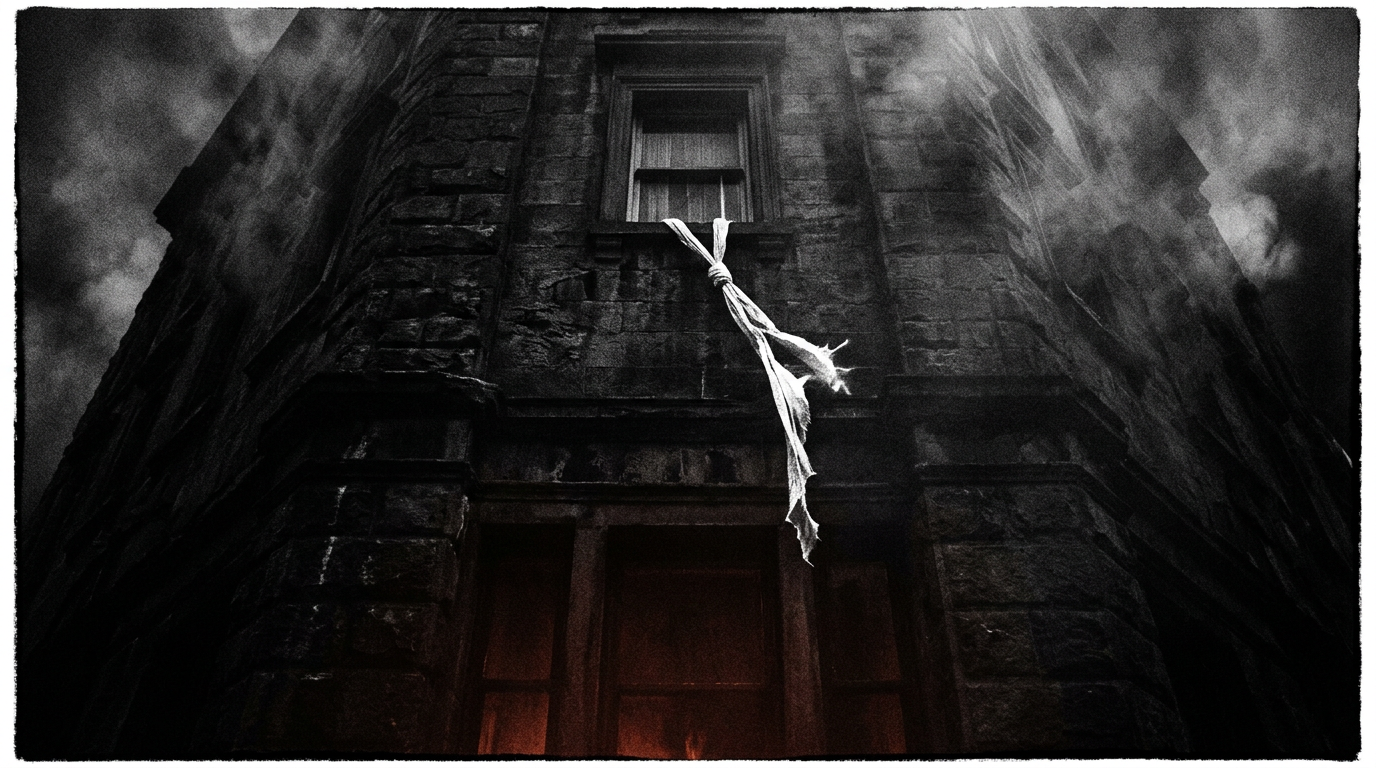
A woman fell to her death climbing down knotted bedsheets from the fourth floor of a Hyatt while a mob of 150 torched the building below her. If your crisis playbook doesn't have a chapter for civil unrest, you don't have a crisis playbook.

A 57-year-old woman is dead because the best escape plan available to her was tying bedsheets together and climbing out a fourth-floor window. Her husband watched it happen. The hotel was a Hyatt Regency. The city was Kathmandu. The date was September 9, 2025, during Nepal's anti-corruption protests that killed over 50 people and eventually toppled a prime minister. A mob of 100 to 150 people breached the property, set fires, looted guest belongings, and burned what they didn't take. The hotel told guests to move to higher floors. That advice trapped them.

Let that sit for a second. "Shelter in place, move to higher floors." That's the standard fire response in most hotel SOPs. It makes sense when the fire is accidental and the fire department is coming. It makes zero sense when the fire is intentional and the people setting it are still in the building. The husband just had his $12 million compensation claim dismissed by a Delhi court on procedural grounds... he sued Hyatt's Indian consulting arm trying to establish jurisdiction for something that happened in Nepal. The legal theory was shaky. The court kicked it. He can still file a civil suit. But here's what matters to you and me: the legal outcome is almost irrelevant compared to the operational question this case puts on every GM's desk. What is your plan when the threat isn't a kitchen fire or a gas leak... but people?

I've been through hurricanes, bomb threats, power failures that lasted days, and one situation I'd rather not describe in detail involving an armed individual in a lobby at 3 AM. Every one of those had a playbook. Every one of those playbooks assumed a functioning civil infrastructure... police respond, fire department arrives, the cavalry comes. Kathmandu in September 2025 had none of that. The cavalry wasn't coming. The police were overwhelmed. And the hotel's SOP, designed for orderly emergencies, became a death trap in a disorderly one.

If you're operating internationally... especially in regions with political instability, protest movements, or weak rule of law... you need a separate protocol for civil unrest. Not a paragraph in your emergency manual. A separate protocol. It needs to address evacuation routes when ground-floor exits are compromised. It needs to address communication when cell networks go down (they did in Kathmandu). It needs to address the possibility that "shelter in place" is the wrong call. And it needs to be something your night auditor, working alone at 2 AM, can execute without calling a regional VP who's asleep in a different time zone. The Hyatt Regency Kathmandu is still closed for reconstruction. Nepal's luxury hotel sector reported significant financial losses through the autumn tourist season. One family lost a wife and mother. All because the playbook assumed the world would behave the way it's supposed to.

This isn't just an international problem, by the way. Domestic hotels have faced protest-related incidents, civil disturbances during political events, and situations where local law enforcement was unavailable or delayed. If your emergency plan assumes help is always 10 minutes away... you're making the same bet that hotel in Kathmandu made. And sometimes the bet doesn't pay.

Operator's Take

Pull your emergency operations plan this week. Not next month. This week. Find the section on civil disturbance. If there isn't one, that's your answer. If you're managing properties in international markets (or frankly, any urban market where large-scale protests are a possibility), you need a protocol that addresses threats where the building itself becomes the target and where outside help isn't coming. Talk to your insurance broker about civil unrest coverage while you're at it... most standard policies have exclusions that would make your eyes water. And train your overnight staff specifically. They're the ones who'll be alone when it happens.

Read full analysis → ← Show less
Source: Google News: Hyatt
End of Stories