The Washington Hilton Can't Escape 1981. And Neither Can Any Hotel That Hosts Power.
A gunman at the White House Correspondents' Dinner just turned the Washington Hilton into a crime scene for the second time in 45 years. If you're a GM running a property that hosts high-profile events, the security conversation you've been avoiding just became urgent.
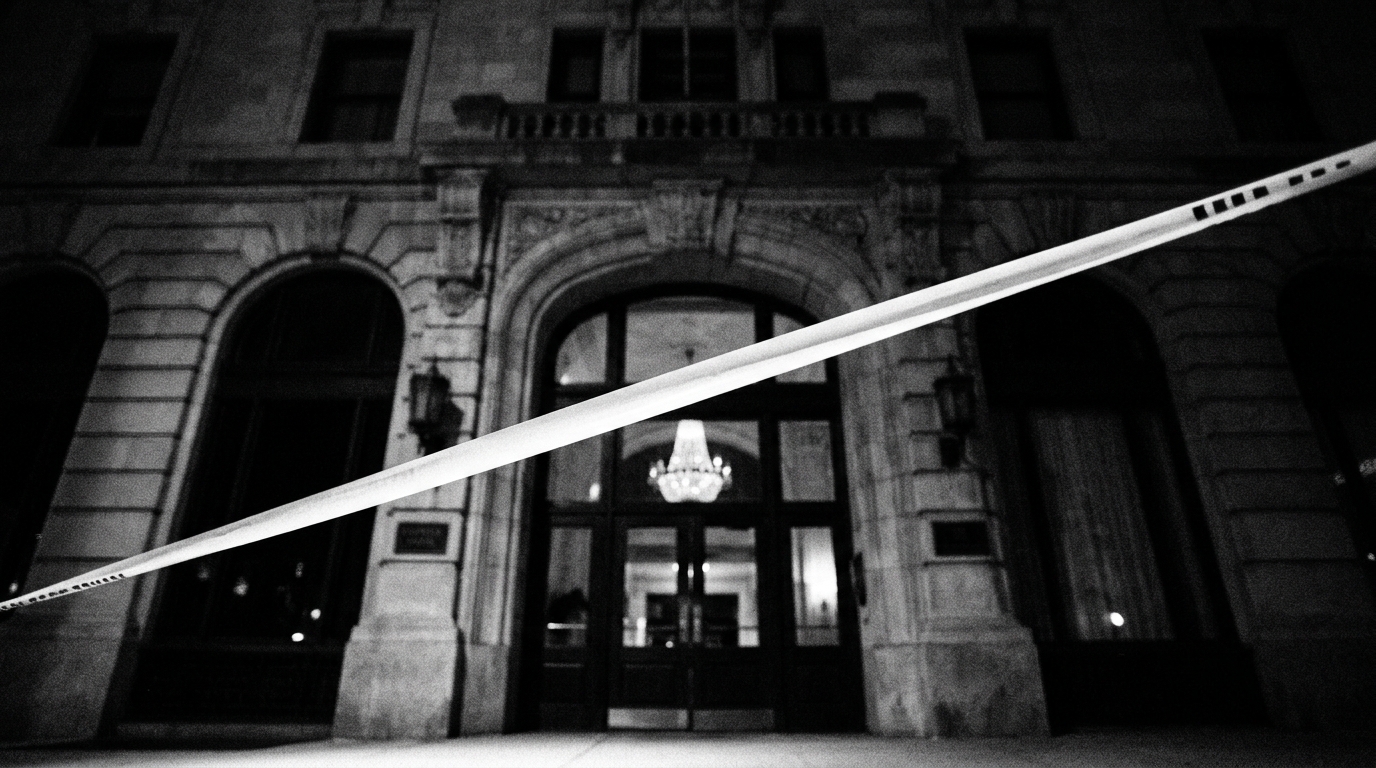
There's a hotel in every major city that carries a scar. A lobby where something happened that the building never fully shakes, no matter how many renovations, no matter how many years, no matter how beautiful the new carpet looks. The Washington Hilton has been carrying that weight since 1981, when a president was shot outside its doors and the property became synonymous with a national trauma. They built a secure presidential entrance after that. They renamed things. They moved forward. And then on Friday night, 45 years later, a man with a shotgun, a handgun, and multiple knives showed up at the security screening area for the White House Correspondents' Dinner, and the whole thing came rushing back.
Let's be clear about what happened and what didn't. President Trump, the First Lady, the Vice President, and Cabinet members were evacuated safely. One law enforcement officer took a round to a bullet-resistant vest and is expected to recover. The Secret Service's multi-layered security protocol worked. The suspect is in custody. Nobody died. By any measurable standard, the security plan succeeded. But here's what I keep thinking about... the Washington Hilton didn't choose to be the "assassination attempt hotel." It chose to be the hotel with the biggest pillar-free ballroom in the city, the one that could host every president since LBJ, the one that attracted the most prestigious events in American politics. The prestige and the risk were always the same thing. They just pretended they weren't until Friday night made it impossible to pretend anymore.
And this is where it gets real for the rest of the industry. Every hotel that courts high-profile events... political galas, state dinners, campaign fundraisers, awards shows, celebrity weddings... is making a bet. The bet is that the security will hold, the insurance will cover it, and the brand equity from hosting power will outweigh the brand risk of proximity to violence. For most properties, most of the time, that bet pays off. The Washington Hilton has hosted this dinner for decades without incident (well, without THIS kind of incident). But the variance on that bet is catastrophic. You don't get a moderate outcome when it goes wrong. You get a property that becomes a Wikipedia entry for all the wrong reasons, a name that gets mentioned in the same breath as a national tragedy, a lobby that guests photograph not because it's beautiful but because it's historic in the way nobody wants to be historic.
I grew up in hotels. My dad was a career GM. He hosted politicians, celebrities, events where the Secret Service swept the ballroom 48 hours in advance and his staff couldn't access half the building. He never talked about it as glamorous. He talked about it as liability. "You're renting your building to someone else's risk," he told me once, "and if something goes wrong, it's your lobby on the news, not theirs." The Washington Hilton was sold for $290 million back in 2007 and underwent a renovation north of $100 million after that. That's a massive investment in a property whose most famous moment, until last Friday, was a shooting. And now its two most famous moments are both shootings. That's a branding problem that no renovation solves. That's a branding problem that lives in the cultural memory forever.
The question every GM running an event-heavy property should be asking right now isn't "could this happen to us?" (It could. You know it could.) The question is: what does your security investment look like as a percentage of event revenue, and is it enough to protect the asset... not just the people inside it, but the brand itself? Because the Washington Hilton's security worked on Friday. The Secret Service did exactly what they were supposed to do. And the headline is still "shooting at the Washington Hilton." The protocol protected people. It didn't protect the name. Nothing can.
If your property hosts high-profile events... political, celebrity, any gathering that puts your hotel name in a headline if something goes sideways... pull your event security contracts this week and review them line by line. Not because Friday's incident means you're next. Because your insurance carrier is about to review theirs, and you want to be ahead of that conversation, not reacting to it. Look at what you're spending on security as a percentage of total event revenue. If it's under 3-4%, you're probably underinvesting for the risk you're carrying. And have a crisis communications plan that doesn't start with "call corporate." By the time corporate responds, the local news has already used your lobby as B-roll. You need a property-level response ready before you need it. That's not paranoia. That's asset management.