The Washington Hilton Attacker Was a Guest. Every Hotel Security Plan Just Got a Hole in It.
A gunman checked into the Washington Hilton the day before the White House Correspondents' Dinner, walked past lobby security with a shotgun and handgun, and nearly reached a ballroom full of 2,000 people including the President. The threat wasn't outside the perimeter... it was sleeping in room inventory.
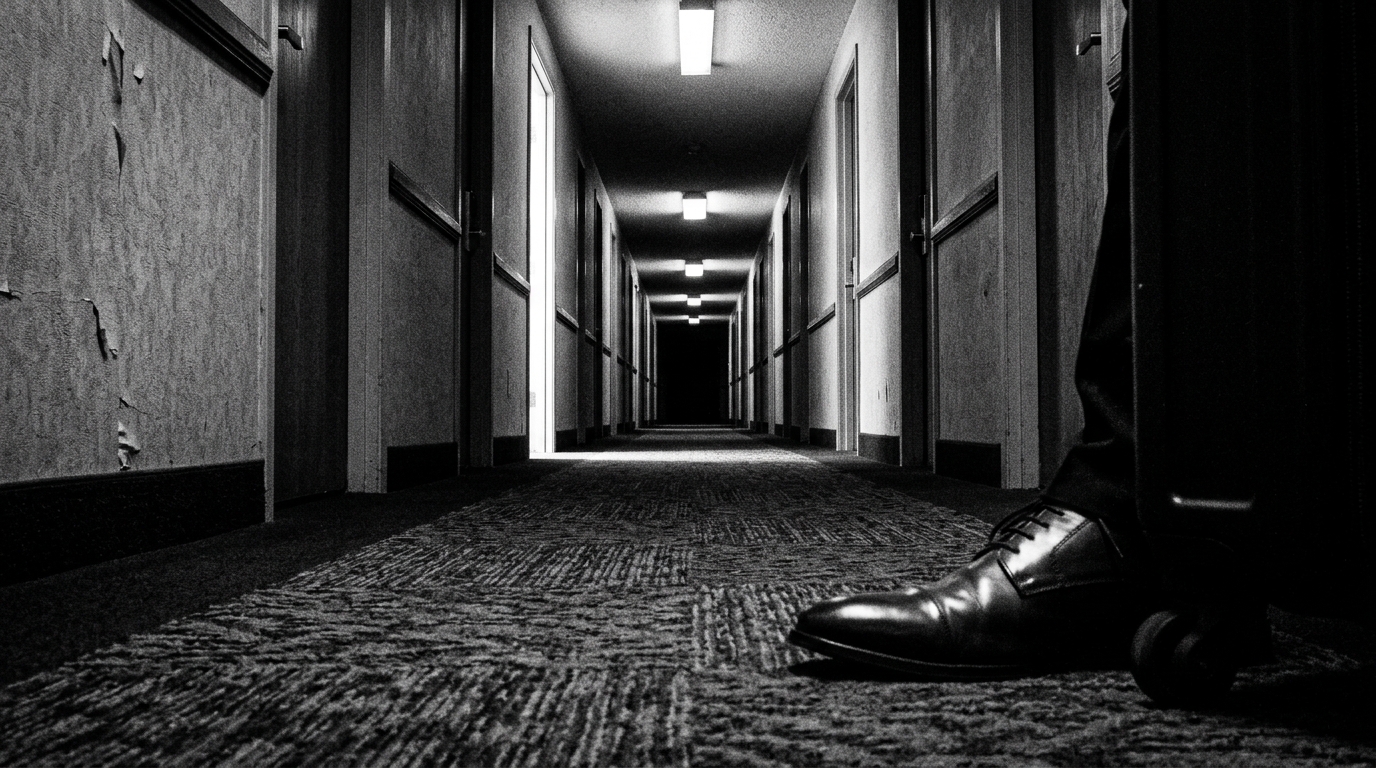
Let me tell you the detail that should keep every hotel operator up tonight. The suspect didn't sneak in through a service entrance. He didn't tailgate a delivery truck. He walked up to the front desk, handed over a credit card, got a room key, and spent the night in the building like any other guest. He had a shotgun, a handgun, and multiple knives. And according to writings found in that room afterward, he noted that security was "far less stringent than he had expected." He wrote those words from inside the hotel. Your hotel. A paying guest. That's the part that breaks every assumption most security plans are built on.
The Washington Hilton has been here before. 1981, same property, a president was shot outside during a departure. Forty-five years later, the building is a crime scene again, and the attack vector is almost absurdly simple... a reservation. The Secret Service is calling their response a "massive security success story" because the agent who took a round to the vest survived and the gunman was stopped before reaching the ballroom. And fine, the tactical response worked. But the strategic failure is enormous. Over 2,000 attendees, the sitting President, the Vice President, hundreds of journalists and government officials, and the threat was already inside the building, checked in, sleeping down the hall. That's not a success story. That's a story where the last line of defense held after every other line failed. (There's a difference, and it's not a small one.)
I grew up watching my dad run hotels that hosted major events... political fundraisers, governor's dinners, things that brought Secret Service advances and local PD sweeps. And the conversation was always about the perimeter. Metal detectors at the ballroom. Credentialed access. Vehicle standoff distance. Nobody ever looked at the guest who checked in on a corporate card two days early and asked "what's in his luggage?" Because you can't. You're a hotel. You're in the business of welcoming people, not interrogating them. That tension... between hospitality and security... has always existed. This incident just made it impossible to ignore.
Here's what the brand conversation looks like now, and this is where I lean in because I've spent 15 years on the brand side and I know exactly how this plays. Hilton's Global Safety and Security team will issue updated protocols. There will be a memo. There will probably be a webinar. And the protocols will say smart things about "risk-based approaches" and "intelligence monitoring" and "coordination with local law enforcement." All of which is real and all of which matters. But none of which addresses the fundamental problem: a guest with a reservation is inside your security perimeter before security even begins. The brand can write all the standards it wants. The GM still has to figure out how to run a 1,000-key convention hotel where any guest might be a threat and you can't exactly run background checks at check-in. The Deliverable Test for hotel security just got a lot harder to pass. You can promise "enhanced security for high-profile events." Can the Tuesday night front desk team at a 400-key full-service actually deliver it? With what training? What budget? What authority to act?
The House Oversight Committee is already calling for hearings on Secret Service protocols for events like this. That's the government side. On our side... the hotel side... the question is different and more uncomfortable. Every major convention hotel, every property that hosts political events, every full-service flag that bids on state dinners and inaugurations and industry galas is now operating in a world where the threat model includes "registered guest with weapons in their room." And the honest answer is that most properties don't have a plan for that. They have a plan for the angry guest in the lobby. They have a plan for the active shooter in the parking garage. They do not have a plan for the quiet guest in 847 who checked in yesterday with a smile and a shotgun in his bag. That's the gap. And it's not a gap that a brand memo closes.
Here's what I'd do this week if I'm a GM at any property that hosts high-profile events. First, pull your current security plan and find the section on guest-originated threats. If there isn't one... and at most properties there isn't... that's your Monday morning project. Second, call your local law enforcement liaison and have the conversation about information sharing for upcoming events. Not the Secret Service (that's above your pay grade)... your local PD contact. Ask specifically what they can and can't tell you about threat intelligence before a major event. Third, look at your event security budget as a percentage of event revenue. If you're spending less than 3-5% of gross event revenue on security for political or high-profile gatherings, you're underinvesting, and this incident just made that visible to every owner and insurer in the country. Finally, talk to your front desk team. Not a memo... a conversation. They're the ones who check in every guest. They need to know that situational awareness isn't optional, it's operational. This is what I call the Invisible P&L... the security costs that never appear on your financial statements until the day they destroy more value than you ever saved by not spending.