Two Guests Stabbed at an Extended Stay in Sacramento. Every Operator Knows This Story.
A stabbing at an Extended Stay America in Sacramento's Northgate neighborhood is a police blotter item for the local news. For anyone who's ever managed a property where "guest" and "resident" blur together, it's the security conversation you've been avoiding.
I managed an extended stay property once where the police knew the front desk number by heart. Not because we were a bad hotel. Because we were housing people who had nowhere else to go, and when you become someone's last option, you inherit problems that no brand standard was ever designed to solve.
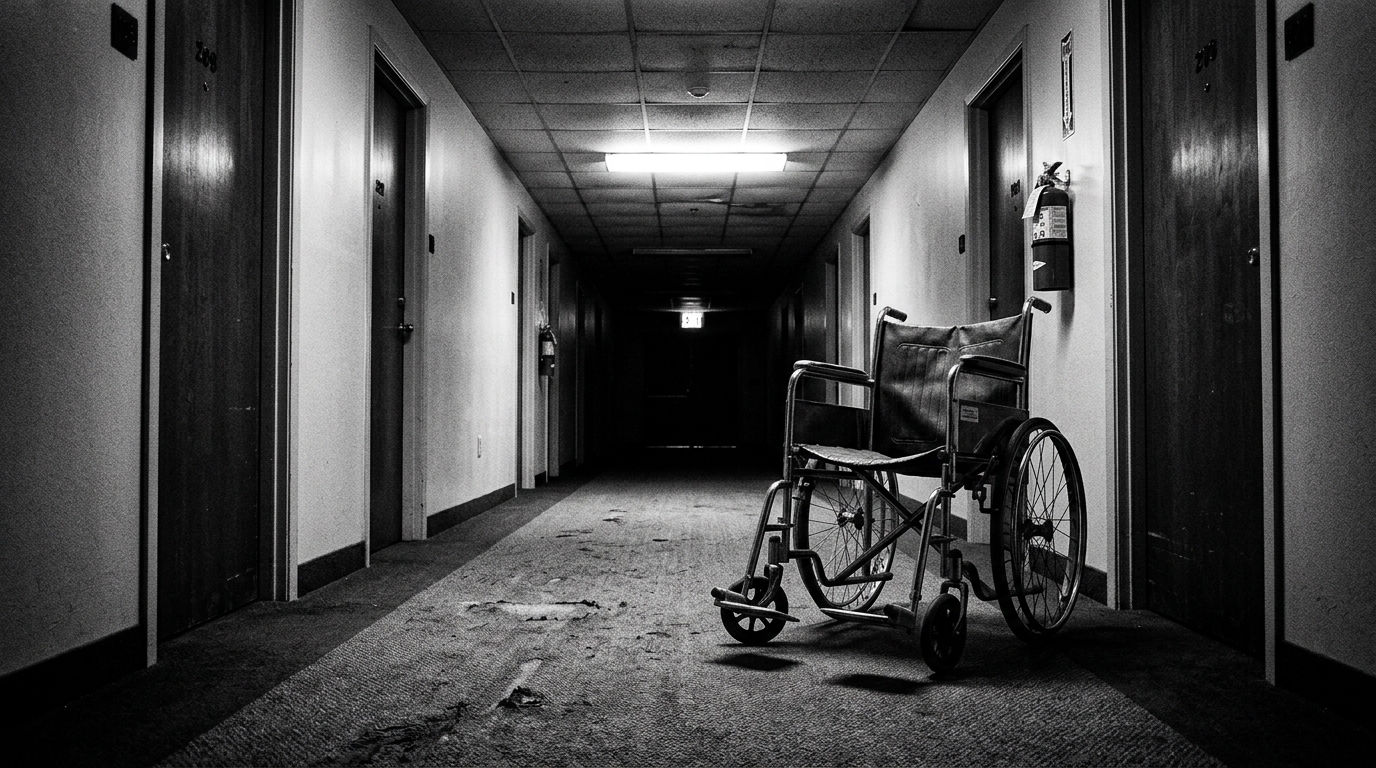
Thursday night in Sacramento, two people in wheelchairs got stabbed at an Extended Stay America on Rosin Court after an argument with a neighbor in the building. A neighbor. Not a guest checking in for two nights. Someone who lives there. The suspect caught a puncture wound too. All three went to the hospital with non-life-threatening injuries. Police are booking the neighbor on felony assault charges.
Here's what the headline doesn't tell you. This is the second stabbing-related incident tied to Extended Stay America properties in the Sacramento market in roughly 18 months. A lawsuit filed in January 2025 alleged that ESA failed to provide adequate security after an employee's fiancé was fatally stabbed at another location in South Natomas. That's a pattern, not a coincidence. And the extended stay segment has grown its portfolio by over 50% in the last decade, which means more properties in more markets with the exact same vulnerability. The model works financially... the operational cost to achieve is lower, the length of stay drives labor efficiency, your housekeeping frequency drops. But when guests become residents (some of them vulnerable, some of them in crisis, some of them the last family standing between housed and homeless), you're not running a hotel anymore. You're running something that doesn't have a clean label, and the security model of a transient hotel doesn't fit.
The uncomfortable truth is that most extended stay operators know their properties sit on a spectrum. On one end, you've got traveling nurses and construction crews and relocating families. On the other end, you've got people who can't qualify for an apartment and are paying weekly because they have no other choice. The further you slide toward that second end, the more your operation looks like property management for a population with zero safety net... and your staff is trained to check people in, not to de-escalate domestic disputes between neighbors in wheelchairs at 10 PM. Extended stay brands talk about "diverse long-term guests" in their marketing. What they mean, at some properties, is that you're the affordable housing system's overflow valve. And overflow valves don't come with security budgets.
This isn't an ESA problem exclusively. It's a segment problem. The economics of lower-tier extended stay practically guarantee a guest mix that includes people in crisis, and the staffing model (skeleton crews, especially overnight) practically guarantees that when something goes wrong, nobody's there who's trained to handle it. You can install cameras. You can post signs. You can train your front desk agent on conflict de-escalation. But you can't run a 90-key building with one person on the overnight shift and pretend you've got a security posture. You've got a warm body and a phone to call 911. That's not security. That's a witness.
If you're running an extended stay property... any flag, any tier... pull your incident reports from the last 12 months and look at the trend line. Not just the big stuff. The noise complaints, the police calls, the "disturbances" your night audit logged and nobody followed up on. That's your early warning system. Then look at your average length of stay by rate tier. If your 28-plus-day guests skew heavily toward your lowest rate category, you need to have an honest conversation with your owner about security staffing, because your insurance carrier is going to have that conversation for you eventually, and it won't be friendly. One overnight security officer at $18-22/hour is $35K-43K annually. Compare that to the liability exposure from one incident that makes the local news. This is what I call the Invisible P&L... the cost of NOT having security never shows up on your monthly report until it shows up as a lawsuit, a premium increase, or a headline that tanks your reputation in the market.