Today · Sep 14, 2026
Hyatt's New Award Chart Has 78 Price Points and One Very Clear Message for Owners

Hyatt's New Award Chart Has 78 Price Points and One Very Clear Message for Owners

Hyatt just turned its three-tier award chart into a five-tier system with 78 possible redemption prices, and while they're calling it "transparency," every owner paying loyalty assessments should be doing very different math right now.

Let's start with what Hyatt is actually telling you, because the press language is doing a LOT of heavy lifting here. They're expanding from three redemption levels (off-peak, standard, peak) to five levels... Lowest, Low, Moderate, Upper, and Top... across all eight hotel categories. That's 78 possible price points across the standard and all-inclusive charts combined. And they're calling this "maintaining a published award chart with fixed point thresholds." Fixed. Seventy-eight of them. At some point, "fixed" with that many variables starts to look an awful lot like dynamic pricing wearing a name tag that says "Hi, I'm Still Transparent."

Now, do I think Hyatt is being dishonest? No. I think they're being extremely strategic, and I think the distinction between "we have a published chart" and "we have dynamic pricing" matters more to their loyalty marketing narrative than it does to the owner whose property just got repriced. Because here's what the numbers actually say: a Category 8 property at "Top" tier goes from 45,000 to 75,000 points per night. That's a 67% increase. A top-tier all-inclusive could jump from 58,000 to 85,000 points. The "Lowest" tiers get modest decreases in a few categories... Category 1 drops from 3,500 to 3,000 points, which is nice if you're redeeming at a limited-service property in a tertiary market on a Tuesday in February. But the high-demand properties, the ones members actually WANT to book, the ones that drive loyalty enrollment in the first place... those just got significantly more expensive to redeem. And Hyatt is telling you the "Upper" and "Top" tiers will be "limited in 2026 with broader adoption in subsequent years." Read that sentence again. They're boiling the frog.

Here's what I keep coming back to. World of Hyatt grew 19% in 2025, hitting over 63 million members. Hyatt added 7.3% net rooms growth. They're expanding the Essentials portfolio with 30-plus select-service hotels in the Southeast. That is a LOT of new supply coming into the system, and a lot of new members accumulating points. The outstanding points liability on Hyatt's balance sheet is a real number with real financial implications, and this chart restructuring is, at its core, a liability management exercise dressed up as a member experience enhancement. (The "softeners" are classic... digital points sharing and a 13-month booking window for elites. You always give a small gift when you're taking something bigger away. I've been in the room where those trade-offs get designed. The math on what you're giving versus what you're saving is very precise.)

I sat across from a franchise owner once... independent guy, three properties, all flagged with a major brand... and he pulled out his phone calculator and started adding up every loyalty-related assessment on his P&L. Franchise fee, loyalty surcharge, reservation system fee, marketing contribution, the incremental cost of honoring redemptions at properties where the reimbursement rate didn't cover his actual room cost. He looked up and said, "I'm paying 18% of my topline to be part of a program that's getting more expensive for the guest to use and less profitable for me to participate in." He wasn't wrong. And that was BEFORE chart expansions like this one, which give the brand more granular control over redemption economics while the owner's cost basis stays flat (or increases at the next PIP cycle). The brand promise and the brand delivery are two different documents, and the owner is signing both of them.

The real question nobody at Hyatt's loyalty marketing team is going to answer for you is this: as redemptions get more expensive for members, does the program become less attractive for enrollment? Because the entire value proposition to owners... the reason you pay those assessments... is that the loyalty program drives bookings you wouldn't get otherwise. If 63 million members start feeling like their points buy less (and they will, because travel blogs are already doing the math for them), the contribution percentage that justified your franchise fees starts eroding. And Hyatt knows this, which is why they're phasing in the top tiers slowly and leading with the "some categories got cheaper" narrative. But you and I both know which direction this is heading. It's always heading in the same direction. The filing cabinet doesn't lie... pull the FDD from five years ago and compare projected loyalty contribution to actual delivery. The variance will tell you everything this press release won't.

Operator's Take

Here's what I call the Brand Reality Gap... and this is a textbook case. The brand is restructuring its loyalty economics to manage a growing points liability, and they're selling it as an enhancement. If you're an owner flagged with Hyatt, pull your actual loyalty contribution data for the last three years, compare it against your total loyalty-related assessments, and know your real cost-to-revenue ratio before your next franchise review. If that number is north of 16%, you need to be in a conversation with your brand rep about what "long-term sustainability" means for YOUR P&L, not just theirs. Don't wait for the April category review to find out your property moved up a tier... get ahead of it now.


— Mike Storm, Founder & Editor
Read full analysis → ← Show less
Source: Google News: Hyatt
Women Control 82% of Travel Decisions. So Why Are We Still Designing Hotels Like They Don't?

Women Control 82% of Travel Decisions. So Why Are We Still Designing Hotels Like They Don't?

IHG is making noise about women shaping hospitality in 2026. The real question is why it took this long for anyone to state the obvious... and whether the industry will actually change anything at property level.

Available Analysis

Here's a number that should make every GM in the country stop and think: women make 82% of all travel decisions. Not 82% of leisure decisions. Not 82% of family trip decisions. 82% of ALL travel decisions, including who books the room, which brand gets the loyalty, and whether that property gets a repeat visit or a one-star review. That's not a trend piece. That's your revenue base.

IHG put out some statements last week through their Holiday Inn Express marketing team about women shaping hospitality as consumers and emerging leaders. And look... I'm glad someone at a major brand is saying it out loud. But I've been in this business 40 years, and I can tell you the gap between a brand saying "women are important to our strategy" and a property actually changing how it operates is roughly the same distance as the gap between a brand's PowerPoint and a Tuesday night at a 180-key select-service with three people on staff. Women make up 52% of the hospitality workforce. They hold 30% of leadership roles. Seven percent of CEOs. Those numbers tell you everything you need to know about how seriously the industry has taken this up to now.

I knew an area director once... sharp operator, 20 years in the business, ran some of the best-performing properties in her region. She told me something I never forgot: "The brands survey guests and segment them into personas. I just watch the lobby for 30 minutes. Women traveling alone check the locks, check the lighting in the parking lot, and check whether the front desk agent makes eye contact or stares at a screen. That's your brand experience right there. No persona deck required." She was right. And the fact that she was an area director instead of a divisional VP had nothing to do with her ability and everything to do with the same broken system my industry has been running since I started.

IHG committed $30 million over five years to their LIFT program, which is supposed to support underrepresented groups in hotel ownership, including women. Thirty million sounds like a big number until you realize IHG has over 6,000 hotels globally. That's roughly $5,000 per property spread across five years. A thousand bucks a year per hotel. I spend more than that on lobby coffee. The real investment isn't a corporate program with an acronym. It's the decisions happening every day at property level... who gets promoted to AGM, who gets sent to the revenue management training, who gets tapped for the GM pipeline. That's where careers are built or buried, and no $30 million fund changes that unless the people making those decisions actually change how they think.

Here's what frustrates me. The $73 billion in annual U.S. travel spending by women isn't new money. It's money that's BEEN flowing through our properties while we designed lobbies, amenities, lighting, parking lot layouts, fitness centers, and service protocols primarily through a lens that didn't prioritize the person making the booking decision. The women-over-50 travel market alone is $214 billion, projected to hit $519 billion by 2035. That's not an emerging segment. That's THE segment. And if your property still has a dimly lit hallway between the elevator and the parking garage, and your fitness center has three broken treadmills and no lock on the door, and your front desk team hasn't been trained on the difference between being friendly and being attentive... you're leaving money on the table. Not because a brand told you to care about women travelers. Because 82% of booking decisions are being made by someone who notices things you stopped seeing years ago.

Operator's Take

Here's what I'd do this week if I were still running a property. Walk the building at 10 PM as if you're a woman checking in alone for the first time. Parking lot lighting, hallway sightlines, elevator visibility from the front desk, lock hardware, peephole height, fitness center security. Write down everything that feels wrong. Then fix the cheap stuff immediately (lighting, signage, lock batteries) and put the rest on a capital request with the number attached. Your ownership group doesn't need a gender studies lecture... they need to hear that 82% of booking decisions are made by someone who just walked that same path and decided whether to come back. This is what I call the Price-to-Promise Moment. Every stay has one moment where the guest decides the rate was worth it... for the majority of your bookers, that moment might be whether they felt safe walking to their room. Design for that.

Read full analysis → ← Show less
Source: Google News: IHG
IHG Just Opened Two Premium Hotels in Midtown Three Weeks Apart. That's Not Expansion. That's a Bet.

IHG Just Opened Two Premium Hotels in Midtown Three Weeks Apart. That's Not Expansion. That's a Bet.

IHG dropped a 419-key voco and a 529-key Kimpton within fifteen blocks and fifteen days of each other in Manhattan. The brand story sounds great. The owner math is where it gets interesting.

Let's talk about what IHG is actually doing in Times Square right now, because the press release version and the real version are two very different documents.

The voco Times Square... Broadway opened February 25th. 419 rooms, 32 stories, a rooftop they're calling Times Square's only unobstructed panoramic skyline view (a claim I'd love to see tested from every angle, but fine, it's a good line). Then on March 11th... fifteen days later... IHG opened the 529-room Kimpton Era Midtown, also with a rooftop bar, also with skyline views, about six blocks away. That's 948 new IHG-flagged rooms hitting one of the most competitive corridors in American hospitality within the same month. And nobody at IHG seems to want to talk about those two openings in the same sentence. Which tells you something.

Now look, I'm not going to pretend New York doesn't absorb inventory. The market ran 84.1% occupancy in 2025 with a $333 ADR. Those are strong numbers. And this voco is reportedly one of the last new-build projects in the Times Square neighborhood, which means if you were going to plant a flag, the window was closing. I get the strategic logic. But here's where my brand brain starts itching... voco is supposed to be the conversion play. That's literally the brand's thesis... flexible design standards, efficient operating model, premium positioning without premium construction costs. This is a ground-up new-build. In Manhattan. Which means the development cost per key is... well, nobody's disclosing it, and I'd love to know why. Because a 419-key new-build in Times Square is not a $150K-per-key deal. We're talking numbers that require serious RevPAR performance to justify, and "serious" in this context means the property needs to outperform the Times Square comp set consistently, not just in the honeymoon year. (The honeymoon year is easy. Year three is where you find out if the brand actually delivers.)

Here's the part that should matter to anyone watching IHG's premium strategy. The voco brand hit 124 open hotels globally with 108 in the pipeline. IHG is calling it their fastest-growing premium brand. Great. But growth velocity and brand clarity are not the same thing. When you have a brand that's simultaneously a conversion vehicle for independents in secondary European markets AND a new-build tower in Times Square, you're asking "voco" to mean two very different things to two very different owners. The independent owner in a tertiary market is buying flexibility and lower PIP costs. The developer who just built a 32-story tower in Midtown is buying rate premium and loyalty distribution. Those are fundamentally different value propositions wearing the same flag. I've seen this brand stretch before... where the conversion playbook and the flagship ambition start pulling a brand in opposite directions until nobody (including the guest) can tell you what it actually stands for. IHG needs to be very deliberate about which story voco is telling, because a brand that tries to be everything becomes a brand that means nothing.

And then there's the competitive question nobody's asking out loud. IHG now has a voco AND a Kimpton within a fifteen-minute walk of each other, both targeting premium travelers, both with rooftop bars, both new. When two brands from the same parent company are competing for the same traveler in the same neighborhood in the same quarter... that's not portfolio strategy. That's internal cannibalization with a press release. The Kimpton guest and the voco guest are not as different as IHG's brand presentations would have you believe, and the loyalty engine is going to send members to whichever property the algorithm favors, which means one of these two properties is going to feel that preference in its booking mix. The question is which one, and whether the owner of the other property knows it yet.

One more thing, and then I'll stop. New York's union negotiations with the Hotel and Gaming Trades Council come up in July. Every one of those 948 rooms needs to be staffed, and labor costs in Manhattan are about to get more expensive. IHG's Q4 earnings were strong... 443 hotel openings globally, 4.7% net system growth, a $950M share buyback. The company is doing well. But the company collects fees. The owner pays the labor bill. And in a market where occupancy is strong but supply is growing and labor costs are rising, the margin story at property level may look very different than the brand story at corporate level. That's not cynicism. That's math.

Operator's Take

This is what I call the Brand Reality Gap. IHG is selling a premium story at the corporate level, and it's a good story. But if you're an owner looking at a voco deal right now... anywhere, not just Manhattan... ask one question: show me the actual loyalty contribution data for voco properties open more than 24 months. Not projections. Actuals. Because the fastest-growing brand is only as valuable as the revenue it drives to your specific property, and growth velocity doesn't pay your debt service. Get the number. Then decide.

— Mike Storm, Founder & Editor
Read full analysis → ← Show less
Source: Google News: IHG
Wyndham's India Bet: 55 Hotels, Double the Rooms, and a Per-Key Math Problem

Wyndham's India Bet: 55 Hotels, Double the Rooms, and a Per-Key Math Problem

Wyndham wants to double its India footprint to 150 properties and shift to larger-format hotels. The growth story is compelling. The franchise economics deserve a closer look.

Wyndham's current India portfolio sits at roughly 95 hotels and 7,100-7,600 rooms. That's an average of 75-80 keys per property. The plan is 55 new hotels adding approximately 7,000 rooms, which implies an average of 127 keys per new property. That's nearly double the historical average size. Two different strategies wearing the same press release.

The market backdrop is real. ICRA projects 9-12% revenue growth for Indian hotels in FY26. Premium occupancy is forecast at 72-74%. Demand growth (8-9% CAGR) is outpacing supply (5-6% CAGR). ARRs trending toward INR 8,200-8,500. These aren't aspirational numbers... they're independently verified. India is Wyndham's fifth-largest market globally and its fastest-growing. The thesis isn't wrong.

Here's what the headline doesn't tell you. Wyndham is signaling a shift from pure franchise to selective management contracts in India, acknowledging that roughly 70% of Indian hotels operate under management arrangements. That's a fundamentally different risk and revenue profile. Franchise fees are clean. Management contracts carry operational exposure, require infrastructure, and compress margins if the team isn't scaled properly. Wyndham has built its global model on being asset-light and franchise-heavy. Introducing management into a high-growth market mid-expansion adds complexity that doesn't show up in the signing count. The development agreements tell the story: a 10-year deal with one partner for 60+ hotels across La Quinta and Registry Collection, another deal with a different partner for 40 Microtel properties by 2031. These are big commitments through third-party developers. The question is whether Wyndham's brand standards and quality control infrastructure in India can scale at the same rate as the signings (I've audited management companies where the signing pace outran the operations team by 18 months... the properties that opened in that gap never fully recovered their quality scores).

Let's decompose the owner's return. India's domestic travel market accounts for over 85% of hotel demand. Wyndham is targeting tier-II and tier-III cities plus spiritual destinations. These are markets with strong occupancy potential but lower ADRs. A 120-key select-service in a tier-III Indian city has a very different RevPAR ceiling than one in Mumbai or Delhi. The brand cost as a percentage of revenue in a lower-ADR market is proportionally heavier. Franchise fees, loyalty assessments, reservation system charges, PIP requirements... at INR 3,500-4,500 ADR in a secondary market, total brand cost can eat 18-22% of topline before the owner touches operating expenses. The math works if loyalty contribution delivers. Wyndham's press materials don't disclose projected loyalty contribution rates for Indian properties. That's the number I'd want before signing anything.

Wyndham's stock is trading near 52-week lows around $80.25 despite beating Q4 2025 EPS expectations. The market isn't pricing in India growth as a catalyst. That tells you something about investor sentiment toward the execution risk here. Fifty-five signings is a headline. Fifty-five operating, profitable, brand-standard-compliant hotels generating adequate owner returns... that's a different number entirely. And it's the only number that matters.

Operator's Take

Here's what I call the Brand Reality Gap... and it applies whether you're in Jaipur or Jacksonville. Brands sell promises at scale, but properties deliver them shift by shift. If you're an Indian hotel owner being pitched a Wyndham flag right now, do three things before you sign: get actual loyalty contribution data from comparable operating properties (not projections), calculate total brand cost as a percentage of YOUR expected revenue (not portfolio averages), and stress-test the deal against a 15% RevPAR decline. The growth story is real. Just make sure you're not the one funding someone else's expansion narrative.

— Mike Storm, Founder & Editor
Read full analysis → ← Show less
Source: Google News: Wyndham
Hilton's "Select by Hilton" Play With Yotel Is Either Genius or the Beginning of Brand Chaos

Hilton's "Select by Hilton" Play With Yotel Is Either Genius or the Beginning of Brand Chaos

Hilton just created an entirely new brand category to bolt independent brands into its loyalty engine without actually buying them. The question every owner and developer should be asking: who does this really benefit, and what happens when the promise meets the property?

So Hilton just invented a new shelf in the brand store and put Yotel on it. Let's talk about what that actually means, because the press release language... "Select by Hilton," "preserving unique identity," "capital-efficient growth"... is doing a LOT of heavy lifting, and I want to pull it apart before everyone starts celebrating.

Here's what happened. Hilton signed an exclusive franchise agreement with Yotel, the compact-room, tech-forward brand that's been operating 23 hotels across 10 countries since launching in London nearly two decades ago. But instead of absorbing Yotel into an existing tier (the way Graduate Hotels got folded in, the way the Small Luxury Hotels partnership works), Hilton created an entirely new platform category called "Select by Hilton." The idea is that Yotel keeps its name, keeps its management, keeps its identity... but gets plugged into Hilton Honors (somewhere around 180-190 million members) and Hilton's distribution machine. Yotel wants to more than triple its portfolio. Hilton wants to add keys without writing checks. On paper, everybody wins. (You know what I'm about to say. On paper is not at property level.)

The thing that makes me lean forward here is the economics. Yotel's model is genuinely interesting... they claim 30 square meters of gross floor area per key, achieving 4-star ADRs in a 2-3 star footprint, with GOP margins above 50% in city centers. That's a real operating thesis, not a mood board. If Hilton Honors can push incremental demand into those properties, the flow-through math could be compelling for owners because the cost basis per key is already so lean. But here's where my filing cabinet starts rattling. What's the actual loyalty contribution going to be? Because Yotel's current guest profile... the design-conscious urban traveler booking direct or through OTAs... may not overlap with the Hilton Honors member searching for points redemptions in, say, Kuala Lumpur or Belfast. Hilton's development team will project 30-35% loyalty contribution. The question is whether the delivered number looks anything like that in year three. I've read hundreds of FDDs. The variance between projected and actual loyalty contribution should be criminal. And now we're applying that same projection machine to a brand category that has literally never existed before, with no historical performance data to anchor it. That should make every owner's spider sense tingle.

What really interests me (and slightly alarms me) is what "Select by Hilton" becomes AFTER Yotel. Because this isn't a one-brand play. Hilton just built a platform. They're going to fill it. The language is right there... "established independent hotel brands" plural. So who's next? And when you have three, four, five brands all living under this "Select" umbrella, each with their own identity and their own management company, but all drawing from the same loyalty pool and the same distribution system... how does the guest understand what they're booking? The whole power of a brand is that it's a promise. When I book a Hampton, I know what I'm getting. When I book a Waldorf, I know what I'm getting. When I book a "Select by Hilton" property, am I getting Yotel's compact tech-forward pod vibe, or am I getting whatever other independent brand joined the platform six months later with a completely different personality? This is where brand architecture gets genuinely dangerous. You're asking the Hilton Honors member to trust a category, not a brand, and categories don't build loyalty. Experiences do.

And let's talk about the word everyone's tiptoeing around: cannibalization. Hilton already has 27 brands across 143 countries. Yotel's urban, compact, design-forward positioning sits uncomfortably close to Motto by Hilton, which was LITERALLY designed to be Hilton's micro-hotel urban brand. It also brushes against Spark by Hilton on the value end and Canopy on the lifestyle end. I sat in a brand review once where an owner pulled out the competitive positioning chart for a major company's portfolio and drew circles around four brands that all targeted "the young urban professional who values design." Four brands. Same company. Same guest. The development VP said "they're differentiated by service philosophy." The owner said "my guests don't read your service philosophy. They read the rate on their screen." He wasn't wrong. When two or three brands from the same parent company are fishing in the same pond, the pond doesn't get bigger. The fish just get more confused.

Operator's Take

Here's what I'd call the Brand Reality Gap playing out in real time. Hilton is selling a platform. Yotel is buying distribution. But if you're an owner being pitched a "Select by Hilton" conversion... or if you're an existing Hilton franchisee watching this from the sidelines... the question you need to ask is brutally simple: what is the contractual loyalty contribution commitment, and what's the penalty if it's not met? Get that in writing. Because "access to 190 million Hilton Honors members" is a marketing line. The number that matters is how many of those members actually book YOUR hotel, at what rate, and what you're paying in fees for the privilege. Don't sign based on the platform promise. Sign based on the math. And if the math relies on projections with no historical comp... slow down and make them show you the downside scenario. Because I've seen this movie before, and the sequel is always an owner holding a bag of debt wondering what happened to the demand that was supposed to show up.

— Mike Storm, Founder & Editor
Read full analysis → ← Show less
Source: Google News: Hotel Industry
Hilton's Yotel Deal Is a 5.8x Multiple Bet on Someone Else's Brand

Hilton's Yotel Deal Is a 5.8x Multiple Bet on Someone Else's Brand

Hilton just created a new platform to franchise brands it doesn't own, starting with Yotel's 23 hotels. The math reveals what this is really about: fee-layer expansion at near-zero capital risk.

Hilton is paying nothing to acquire Yotel. Let that register. This "Select by Hilton" platform is an exclusive franchise agreement giving Hilton fee rights over Yotel's 23 existing properties and a stated pipeline target of 100 hotels by 2031. At Hilton's current market cap of $67.5B across 9,100-plus properties, each incremental unit carries implied value. Adding 77 net-new rooms-under-management with zero acquisition capital is the purest expression of asset-light economics I've seen this cycle.

Let's decompose what Hilton actually gets. Yotel properties skew urban, compact, high-efficiency... the room product averages roughly 100-170 square feet depending on market. RevPAR at these properties runs materially below a typical Hilton Garden Inn, but the fee structure doesn't care about room size. Hilton collects franchise fees (typically 5-6% of room revenue), loyalty assessment fees, and reservation system fees regardless of whether the room is 170 square feet or 400. The fee-per-key math is thinner, but the capital-at-risk is zero. That's an infinite return on invested capital, which is exactly the metric Hilton's stock trades on.

The real number here is the loyalty contribution assumption embedded in Yotel's growth plan. Yotel CEO Phil Andreopoulos described the deal as a response to OTA distribution pressure. Translation: Yotel's customer acquisition cost is too high as an independent, and 250 million Hilton Honors members represent cheaper demand. But "cheaper" is relative. Yotel will now pay Hilton's loyalty assessment (typically 4-5% of Honors-generated revenue) plus reservation fees on top of the base franchise fee. Total brand cost for a Yotel owner could reach 12-15% of room revenue. The question nobody at the press conference asked: does a 170-square-foot urban room generate enough ADR to absorb that fee stack and still produce an acceptable owner return?

I've audited fee structures like this at three different affiliations. The pattern is consistent. Year one, the loyalty demand boost is real... 8-15% incremental occupancy from the new distribution channel. Year two, the OTA displacement plateaus. Year three, the owner realizes total distribution cost (brand fees plus remaining OTA commissions plus loyalty costs) hasn't actually decreased... it's shifted. The owner who was paying Expedia 18% is now paying Hilton 13% plus Expedia 10% on the bookings Honors didn't capture. Net cost went up. Net margin went down. The brand calls it "diversified demand." The owner's P&L calls it a compression.

Hilton's 2025 adjusted EBITDA hit $3.7B. Adding Yotel's 23 properties to the system moves that number by roughly nothing. This deal isn't about today's fees. It's about the "Select by Hilton" platform as a repeatable model... a franchise-of-franchises structure that lets Hilton absorb independent brands without acquisition capital, without operational responsibility, and without brand dilution to the core portfolio. If this works, expect two more brands on the platform within 18 months. The question for every independent brand operator watching this: when Hilton comes calling with a "Select by Hilton" pitch, what does your owner's pro forma look like after the full fee stack is loaded?

Operator's Take

Here's what nobody's telling you. If you're an owner in an urban market competing against a Yotel that just plugged into Hilton Honors, your OTA-dependent independent just lost a distribution advantage it didn't know it had. That Yotel down the street now shows up in Honors searches to 250 million members. Your move: call your revenue manager this week and model what happens to your midweek capture rate when a micro-room property in your comp set starts pulling Hilton loyalty demand at a lower price point. This is what I call the Brand Reality Gap... Hilton's selling a promise of distribution scale, and the Yotel owner is going to find out shift by shift whether the fee stack leaves enough margin to actually operate the building. If you're an independent owner being pitched "Select by Hilton" next, get the actual loyalty contribution data from existing affiliates before you sign anything. Projections aren't performance.

— Mike Storm, Founder & Editor
Read full analysis → ← Show less
Source: Google News: Hilton
Branded Residences Are Booming. Most New Players Have No Idea What They're Selling.

Branded Residences Are Booming. Most New Players Have No Idea What They're Selling.

The branded residence pipeline has nearly tripled in a decade, and now everyone from fashion houses to football clubs wants in. The problem? Most of them have never managed a Tuesday night noise complaint, let alone a luxury living experience.

Let me tell you something about promises. A brand is a promise. I've said it a thousand times because it's true every single time. And right now, the branded residences market is absolutely drowning in promises being made by people who have no infrastructure, no operational playbook, and no earthly idea what happens after the buyer closes. The segment has exploded to an estimated 910 projects globally, nearly triple the 323 that existed in 2015, and the pipeline has another 837 contracted developments pushing toward 2032. That's a lot of promises. And the question nobody at these splashy launch events wants to answer is... who's actually going to keep them?

Here's what's happening. Developers figured out that slapping a recognizable name on a residential tower commands a 33% average premium over comparable unbranded product. In Dubai (which leads the world with 64 completed projects and 87 more in the pipeline), that premium can hit 90%. Ninety percent. So now everybody wants in. Fashion brands. Jewelry houses. Automotive companies. English Premier League football clubs, for heaven's sake. And I get it... I really do. If you're a developer looking at a 20-40% sales premium just for attaching a name, the economics are intoxicating. But here's the part the glossy renderings don't show you: hotel brands like Marriott, Accor, and Four Seasons (which still account for 79% of completed branded residence stock) didn't stumble into operational excellence. They built service systems over decades. They have SOPs for everything from how the lobby smells to how quickly maintenance responds to a leaking faucet at 2 AM. They have loyalty ecosystems that drive real value. When a fashion house decides to "extend its lifestyle vision into residential," what exactly does that mean when the elevator breaks on a Saturday night? Who's answering that call? A brand ambassador in a beautiful suit? (I've actually seen that proposed in a pitch deck. I wish I were kidding.)

I sat in a development presentation last year where a non-hospitality brand... I won't name them, but you'd recognize the logo... showed thirty minutes of mood boards, lifestyle photography, and "experiential narrative" language. Thirty minutes. I asked one question: "What are your property management standards?" The room got very quiet. Then someone said they were "in conversations with a third-party hotel operator to develop those." So let me translate that for the owners in the room: they're going to hire someone else to figure out the thing that IS the product. That's not a brand extension. That's a licensing fee attached to a hope. And the buyer paying a 33% premium is buying the hope, not the reality, because the reality doesn't exist yet.

The real danger here isn't that a few fashion-branded towers underdeliver (they will, and the buyers who can afford $3M condos will be fine... they'll just be annoyed and litigious). The real danger is dilution. When "branded residence" stops meaning "backed by decades of hospitality operational excellence" and starts meaning "has a famous name on the building," the entire segment's value proposition erodes. The premiums that legitimate hotel brands have earned through actual service delivery get undermined by rhinestone operators who can't deliver a consistent Tuesday. And here's what really keeps me up... the developers partnering with these untested brands are sometimes the same ones who'll come back to a Ritz-Carlton or a Four Seasons in three years asking why their next project's premium softened. It softened because the market learned that not all branded residences are created equal, and your last partner taught them that lesson the hard way.

This market is going to correct itself. It always does. The brands with real operational DNA (your Marriotts, your Accors, your Four Seasons) will keep commanding premiums because they can actually deliver what they promise. The fashion labels and football clubs will discover that residential management is not a licensing play... it's a 24/7/365 operational commitment that requires systems, training, staffing, and accountability. Some will adapt. Most won't. And the developers who chose partners based on Instagram cachet instead of operational capability? They'll learn the most expensive lesson in real estate: you can sell a promise once. You can only sell a delivered experience twice. The filing cabinet doesn't lie, and in five years, the performance data from this wave of non-hospitality branded residences is going to tell a very uncomfortable story.

Operator's Take

Here's what I call the Brand Reality Gap, and it applies to branded residences just as hard as it applies to hotels. Brands sell promises at scale. Properties deliver them shift by shift. If you're an owner or developer being pitched a branded residence partnership by a non-hospitality brand, ask one question before anything else: show me your property management SOPs and your service recovery protocols. If they can't produce them... if they're "still developing" those... walk away. The 33% premium only holds if the buyer's experience matches the brochure, and without operational infrastructure, it won't. Stick with brands that have been managing guest experiences for decades, not months. The premium difference between a proven hotel brand and a trendy lifestyle name might look small on the pro forma, but the execution risk gap is enormous.

— Mike Storm, Founder & Editor
Read full analysis → ← Show less
Source: Google News: CoStar Hotels
IHG Signs an Indigo in a City That Doesn't Exist Yet. Let's Talk About That.

IHG Signs an Indigo in a City That Doesn't Exist Yet. Let's Talk About That.

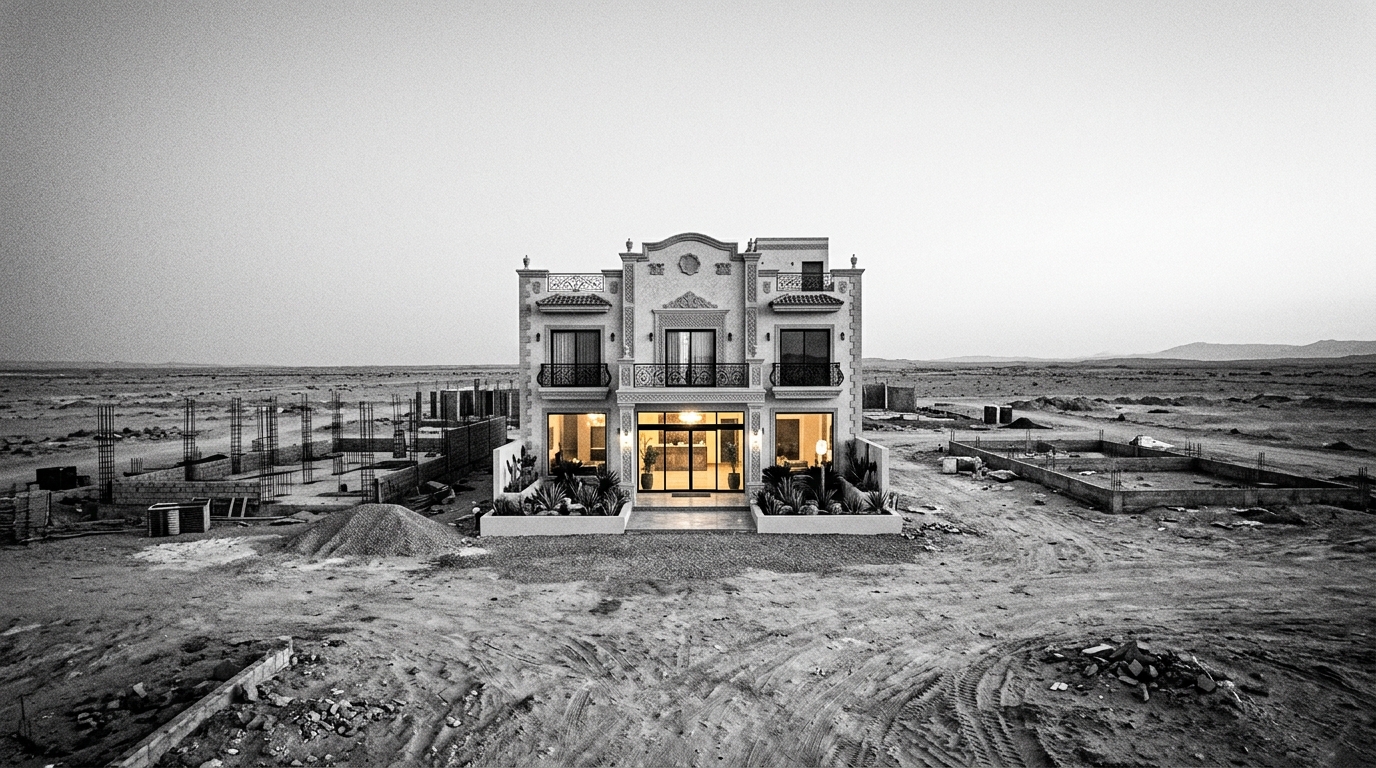
IHG just inked a 140-key Hotel Indigo in Egypt's New Administrative Capital... a city still under construction with an opening date of 2033. Seven years is a long time to bet on a neighborhood that hasn't found its story yet.

Here's what caught my eye about this deal. Hotel Indigo's entire brand identity is built on neighborhood storytelling. Every property is supposed to reflect the character of the area around it... the local art, the local food, the local vibe. It's actually one of the more compelling lifestyle brand concepts out there when it's executed well. So what happens when you sign an Indigo in a neighborhood that doesn't have a story yet? Because Egypt's New Administrative Capital is a master-planned city rising out of the desert east of Cairo. Government buildings, diplomatic districts, commercial zones... all being built from scratch. The neighborhood story is literally a construction site right now.

That's not necessarily a fatal flaw. But it's the question nobody in the press release is asking. IHG already has 9 hotels operating in Egypt and 23 more in the pipeline. Egypt's tourism numbers are legitimately strong... nearly 16 million visitors in 2024, projections pushing past 18 million by this year, and the government wants 30 million by 2030. The hospitality market is sized at roughly $21.5 billion and growing at over 7% annually. The macro story is real. But the macro story and the micro execution are two very different things, and Indigo lives or dies at the micro level.

I worked with a developer once who was building a hotel in a planned community outside a major Sunbelt metro. Beautiful renderings. Great brand. Location was going to be "the next big thing." We opened 18 months before the retail and restaurant tenants around us filled in. You know what it's like running a lifestyle hotel surrounded by empty storefronts and dirt lots? Your lobby mural celebrating the "vibrant local culture" feels like satire. Guests don't want a story about what the neighborhood WILL be. They want to walk outside and find something. The hotel eventually did fine... three years after opening. But those first three years were brutal on the P&L, and the owner's patience wore thinner than the margins.

The 2033 opening date is actually the most interesting number in this announcement. Seven years out. That's an eternity in hotel development. The New Administrative Capital is supposedly going to be Egypt's future hub for government and business... think of it as a purpose-built capital city, which other countries have tried with wildly varying results. If the government actually relocates operations there, you'll have built-in midweek demand from bureaucrats, diplomats, and the army of consultants and vendors who follow government money. That's a real demand generator. But "if" is doing a lot of heavy lifting in that sentence.

IHG is betting that by 2033, this city will have enough critical mass to support a lifestyle hotel that needs a neighborhood identity. That's a bet on Egyptian government execution over a seven-year timeline. And the developer, JADEER GROUP, is doubling down... this is their second Indigo deal with IHG in Egypt, with another one slated for 2031.

Look... I'm not saying this is a bad deal. IHG is playing a long game in a growing market, and management agreements are relatively low-risk for the brand. They're not putting up the capital. JADEER GROUP is. The question is whether JADEER Group's ownership team has stress-tested what happens if that city develops slower than the masterplan promises. Because masterplans always promise faster than reality delivers. Always. And a lifestyle hotel without a lifestyle around it is just a hotel with expensive art on the walls.

Operator's Take

This one's mostly a lesson for developers and owners considering new-build projects in planned communities or emerging districts... anywhere in the world. If you're signing a brand whose identity depends on location character, you better have ironclad demand projections that don't rely on the neighborhood maturing on schedule. What I call the Brand Reality Gap applies here in a very specific way... Indigo sells neighborhood storytelling, but the neighborhood has to exist before you can tell the story. If you're evaluating a similar opportunity, build your pro forma around the worst-case scenario for surrounding development timelines, not the masterplan brochure. The macro Egypt numbers are strong. The micro question is whether this specific city, at this specific hotel's opening date, has enough there there.

Read full analysis → ← Show less
Source: Google News: IHG
Luxury Wellness Residencies Are Brand Theater... And They're Working

Luxury Wellness Residencies Are Brand Theater... And They're Working

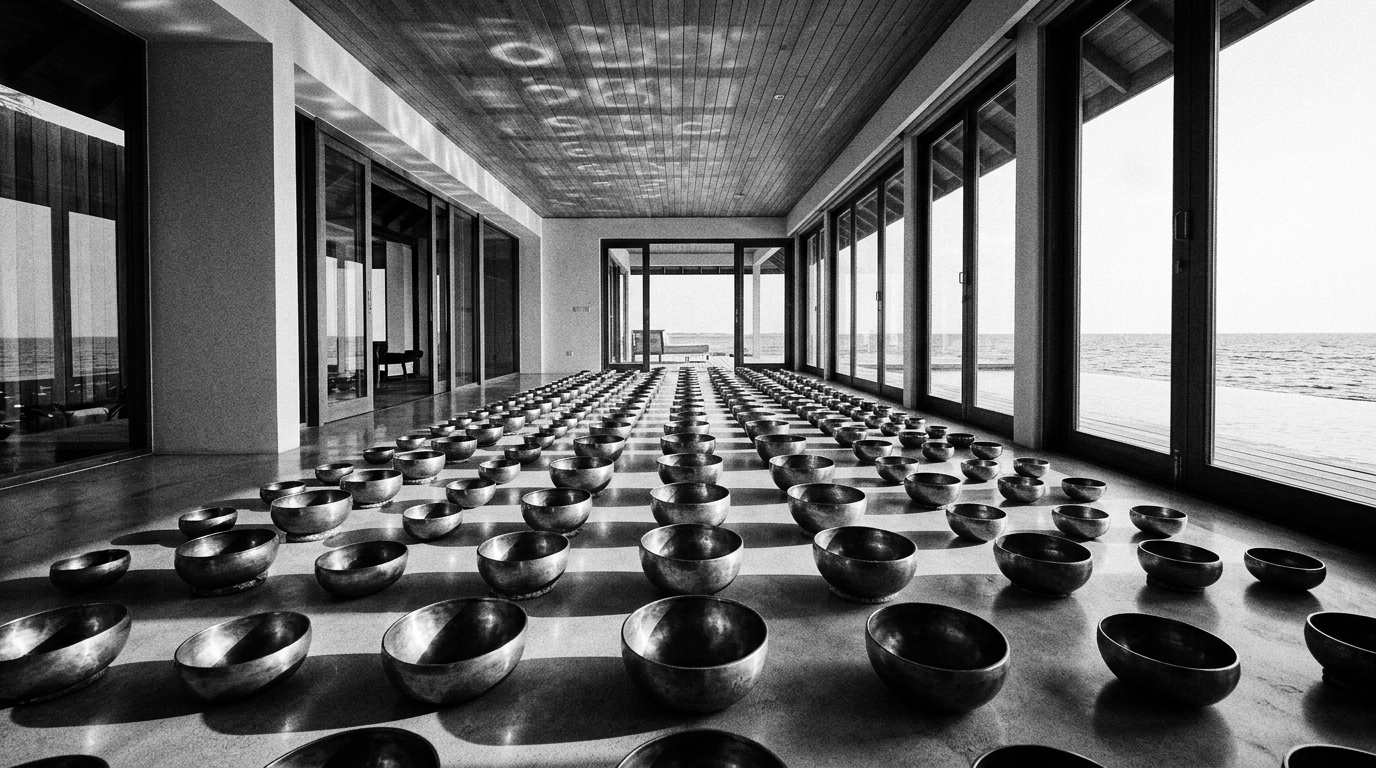
JW Marriott flies a sound healer to the Maldives for three weeks, and somewhere a brand VP is calling it "strategy." But here's the thing... there's a $35 billion reason this keeps happening, and it has nothing to do with chakras.

A luxury resort in the Maldives just hosted a wellness practitioner for 24 days of singing bowls, Reiki, crystal energy work, and something called "Female Taoist practices." The press release reads like a spa menu written by someone who spent a semester in Bali. And my first instinct... the same instinct most operators have... is to roll my eyes so hard I can see my own brain.

But here's where I stop myself. Because the global luxury spa hotel market is projected to hit $35 billion this year. The broader spa industry is on track for $185 billion by 2030. And 90% of high-net-worth travelers now say wellness offerings factor into their booking decisions. Ninety percent. You don't have to believe in chakra balancing to believe in those numbers. This isn't a wellness story. It's a revenue management story wearing yoga pants.

I knew a resort GM years ago who fought his ownership group for six months over bringing in a visiting wellness practitioner. They thought it was fluff. He ran the numbers differently. He tracked length of stay for guests who booked wellness programming versus those who didn't. The wellness guests stayed 1.8 nights longer on average and spent 40% more on F&B. Not because the sound bath changed their life. Because the programming gave them a reason to stay another day, and another day meant another dinner, another spa treatment, another $600 in ancillary revenue. The practitioner cost him maybe $15,000 all-in for the residency. The incremental revenue wasn't even close. Ownership stopped arguing.

That's the lens for this JW Marriott move. This is their second Maldives property, opened barely a year ago. They need differentiation. They need press. They need a reason for the travel advisor to recommend them over the 147 other luxury properties in the Maldives competing for the same guest. A visiting wellness residency checks all three boxes at a fraction of the cost of a permanent program. You don't have to staff a year-round wellness team (good luck finding and retaining that talent on an island, by the way). You get a burst of content, a burst of bookings, and a story to tell. Then the practitioner leaves and you bring in the next one. It's a rotating programming model, and it's honestly pretty smart if you execute it right. The risk is low, the upside is real, and the worst case is you spent some money on a program that generated press coverage you couldn't have bought for twice the price.

Where this gets dangerous is when brands start mandating it down to properties that can't support it. A $35 billion wellness market sounds great until your brand decides every JW Marriott needs a full-spectrum wellbeing program and starts adding wellness requirements to PIPs. That's when the resort in the Maldives becomes the template for a convention hotel in Indianapolis, and some poor GM is trying to find a Reiki healer in central Indiana because brand standards now require "transformative wellness touchpoints." I've seen this movie before. The luxury tier does something genuinely cool and appropriate for their market. Corporate sees the press coverage. Someone at headquarters writes a memo. And 18 months later, every property in the system is buying singing bowls. The concept was never the problem. The copy-paste was.

Operator's Take

If you're running a luxury or upper-upscale resort, visiting practitioner residencies are one of the highest-ROI programming moves you can make right now. Track length of stay and ancillary spend for wellness guests versus non-wellness guests... that's your business case for ownership. If you're a branded GM at a non-resort property and you see wellness mandates coming down the pike, get ahead of it. Build a version that works for YOUR market and YOUR staffing before someone at brand HQ builds one for you that doesn't.

Read full analysis → ← Show less
Source: Google News: Marriott
Hyatt's Southeast Essentials Push Is a Bet on Secondary Markets. Let's Talk About What That Means for Owners.

Hyatt's Southeast Essentials Push Is a Bet on Secondary Markets. Let's Talk About What That Means for Owners.

Hyatt just dropped 30-plus hotels into its Southeast pipeline, mostly extended-stay and select-service, targeting markets that five years ago wouldn't have made anybody's development shortlist. The question isn't whether the demand is real... it's whether the brand delivers enough to justify the flag.

So Hyatt wants to plant roughly 4,000 rooms across Florida, Georgia, South Carolina, and Alabama, and the bulk of that pipeline is Hyatt Studios and Hyatt House... extended-stay products designed for markets that are growing fast enough to show up on the development radar but haven't traditionally been Hyatt markets. Fourteen Studios properties. Nine Hyatt House. Nine Hyatt Select. Four Hyatt Place. If you're an owner in one of those secondary or tertiary Southeast markets, you just got a phone call you've been waiting for. Or dreading. Depends on which side of this you're sitting on.

Here's what excites me about this, and I'll be honest, some of it genuinely does. The Southeast population story is real. Corporate relocations, infrastructure spending, retiree migration... these aren't projections on a franchise sales PowerPoint, they're census data and tax filings and building permits. Hyatt's been vocal about going "asset-light" (90% of 2026 earnings from fees and management, per their own guidance), and that means they NEED franchise partners in markets they haven't traditionally served. They sold the Playa portfolio for $2 billion in December 2025. That money isn't going back into bricks. It's going into pipeline growth, and pipeline growth means convincing owners in places like suburban Birmingham and coastal South Carolina that Hyatt is the right flag. The pitch is compelling: growing markets, efficient prototypes (they've been trimming build costs on the Hyatt Place model specifically), and the World of Hyatt loyalty machine, which... okay, let's talk about that loyalty machine, because that's where this gets interesting.

Hyatt's loyalty contribution has always been the question mark for owners outside their traditional gateway markets. I've sat across the table from franchise sales teams (at more than one company, not just this one) and watched them project loyalty delivery numbers that would make my filing cabinet weep. Projected loyalty contribution in a tertiary market and actual loyalty contribution in a tertiary market are two documents that often have very little in common. When Hyatt says they've had a 30% increase in U.S. signings year-over-year and half of those are in new markets... that means half of those deals are owners betting on World of Hyatt delivering guests in markets where the brand has no established presence. That's a real bet. And the question every owner needs to ask before signing is not "what does the FDD project?" but "show me three comparable properties in similar markets that are actually hitting those numbers after 24 months of operation." If the answer involves a lot of qualifiers and phrases like "early ramp-up period," you have your answer. (And honey, you won't like it.)

There IS a case for this working, and I'm going to make it, because the analysis deserves it. Extended-stay in secondary markets is genuinely undersupplied in a lot of the Southeast. The demand drivers are structural, not cyclical. Hyatt Studios as a product is designed to be cheap to build and efficient to operate... if the prototype actually delivers on cost, that changes the math for owners who've been looking at the extended-stay space but couldn't pencil a Marriott or Hilton flag. And Hyatt's development team knows they're the third-biggest player trying to grow like a top-two player, which means they're often more flexible on deal terms than their larger competitors. That flexibility matters to a first-time Hyatt franchisee. But flexibility on terms doesn't fix a loyalty contribution shortfall. A great deal on fees still requires heads in beds, and heads in beds in a market where nobody's ever searched "Hyatt near me" requires real marketing support, not just a listing on the app.

The piece of this that worries me most is the brand clarity question. Hyatt Studios, Hyatt Select, Hyatt House, Hyatt Place... four Essentials brands in one regional pipeline. I count four brands that a consumer is supposed to differentiate between, three of which start with the same word and two of which (Place and Select) are close enough in positioning that I've seen experienced travel advisors confuse them. When you're launching into markets where you have low brand awareness, brand confusion isn't a minor issue... it's a guest acquisition problem. If the guest standing at their laptop trying to book a room in Savannah can't immediately tell why Hyatt Select costs $15 more than Hyatt Place, you've lost the booking. I've watched three different flags try this "flood the zone with sub-brands" approach and it always looks brilliant in the development pipeline presentation. It looks less brilliant in year two when the owner realizes their property is competing with another property from the same parent company twelve miles down the road. (A brand VP once told me owners would "naturally find their competitive position within the portfolio." I asked how many owners he'd actually talked to about that. The silence was... informative.)

Operator's Take

This is what I call the Brand Reality Gap. Hyatt's selling a promise in markets where they haven't proven the delivery yet. If you're an owner being pitched one of these Southeast Essentials deals, do one thing before you sign anything: demand actual performance data from comparable properties in similar-sized markets that have been open at least 18 months. Not projections. Not "comparable market analysis." Actual trailing RevPAR, actual loyalty contribution percentage, actual total brand cost as a percentage of revenue. If they can't produce that... or if the numbers they produce come with a lot of asterisks... you're not buying a brand. You're funding Hyatt's growth experiment with your capital. That might be a bet worth making. Just make sure you know it's a bet.

— Mike Storm, Founder & Editor
Read full analysis → ← Show less
Source: Google News: Hyatt
Marriott Just Killed Club Marriott, and Nobody Should Be Surprised

Marriott Just Killed Club Marriott, and Nobody Should Be Surprised

A paid regional dining-and-perks program quietly gets the axe while Marriott pours everything into Bonvoy's 228-million-member machine. The real question is what this tells you about how brands think about loyalty fragmentation... and who gets left holding the membership card.

Available Analysis

So Marriott is shutting down Club Marriott on March 31, 2026, honoring existing benefits until the doors close, and moving on. If you're not familiar with Club Marriott, don't feel bad... it was a paid annual membership program operating across about 330 hotels in Asia Pacific, offering dining discounts up to 30% and room and spa discounts up to 20%. It launched in 2017 by combining three older dining loyalty programs into one regional product. And now it's done. The quiet death. No big press release. No CEO quote about "evolving our member experience." Just... done. That tells you everything about where this sat in Marriott's priority list.

Here's what I find interesting (and honestly, a little vindicating). Club Marriott was always a weird creature. A paid, regional, dining-focused loyalty program sitting alongside Marriott Bonvoy, which is free, global, and has 228 million members. Two loyalty programs from the same company, targeting overlapping customers, with completely different value propositions and completely different economics. That's not a portfolio strategy. That's what happens when a massive company inherits legacy programs through mergers and regional expansions and nobody wants to be the person who kills the thing that some team in Asia Pacific spent three years building. Until someone finally does. I've watched this exact dynamic play out brand-side more times than I can count... a regional program that "has loyal members" and "drives F&B traffic" keeps getting renewed because the internal team produces a deck every year showing engagement numbers that look fine if you don't ask hard questions. The hard question is always the same: does this program drive incremental revenue that wouldn't exist without it, or does it discount revenue you were already going to capture? Nobody ever wants to answer that one.

The timing makes sense if you zoom out. Marriott posted $2.6 billion in net income for 2025, up from $2.38 billion the year before. Their development pipeline hit a record of roughly 4,100 properties and 610,000 rooms. Bonvoy just won another "World's Leading Hotel Loyalty Program" award. They're running global promotions offering bonus points and Elite Night Credits across brands. The entire corporate machine is pointed at Bonvoy as THE loyalty ecosystem... the one platform, the one currency, the one data pipeline that feeds everything from revenue management to personalized marketing. A paid regional dining club with its own separate membership structure and its own separate data silo? That's not just redundant. It's a distraction. It's brand fragmentation that makes the Bonvoy story harder to tell. And when you're Marriott, the Bonvoy story IS the company story.

What bothers me (and this is the part where my years in franchise development start talking) is what this means at property level. Those 330-plus participating hotels in Asia Pacific had Club Marriott as a tool. Their F&B teams used it to drive covers. Their spa teams used it to fill slow periods. Their front desk teams used it as a conversation point with local guests who weren't necessarily travelers but who liked dining at the hotel restaurant. That's not nothing. A paid membership program with local residents is actually a pretty smart way to build neighborhood loyalty for a hotel's food and beverage operation... especially in Asia Pacific markets where hotel dining is a much bigger part of the culture than it is in the U.S. Now those properties lose that tool. And I guarantee you nobody from corporate called those GMs to say "here's what you should do instead to retain those local dining guests." Because that's not how brand decisions work. The decision gets made at the portfolio level. The impact lands at the property level. The brand sees the average. The GM sees the empty tables on a Tuesday night. (This is the part where I'd normally say "my dad would have had something to say about this," and he would have, and none of it would be printable.)

I sat in a brand review meeting once where a regional VP presented the case for keeping a local loyalty initiative alive. Good data. Real engagement. Genuine F&B revenue tied to the program. Corporate killed it anyway because "it creates confusion in the loyalty ecosystem." The regional VP asked who was confused. Another silence that told you everything. Nobody was confused except the people in headquarters trying to make one global PowerPoint deck. The guests were fine. The operators were fine. But "portfolio clarity" won, because it always does when you're a company with 30-plus brands and a stock price that rewards simplicity of narrative. That's not evil. It's just how publicly traded hospitality companies operate. And if you're an owner or a GM at one of those 330 properties, you need to understand that your local reality will always lose to their global story. Always. Plan accordingly.

Operator's Take

Here's the thing... this is what I call the Brand Reality Gap. The brand makes a portfolio decision, the property absorbs the operational consequence. If you're a GM at a Marriott property in Asia Pacific that was using Club Marriott to drive local F&B traffic, don't wait for corporate to hand you a replacement strategy. Build your own. Start a simple local dining program tomorrow... email list, birthday offers, chef's table invitations, whatever keeps those regulars coming back. Your F&B revenue doesn't care whose loyalty program the guest belongs to. It cares whether the seat is full. Own the relationship locally because the brand just told you they don't plan to.

— Mike Storm, Founder & Editor
Read full analysis → ← Show less
Source: Google News: Marriott
Westin's Sleep Campaign Is Brand Theater. The Real Question Is Whether Your Owner Should Pay for It.

Westin's Sleep Campaign Is Brand Theater. The Real Question Is Whether Your Owner Should Pay for It.

Westin rolls out another World Sleep Day activation across Asia Pacific, complete with sound baths and lavender balm. But when you strip away the press release, the question every franchisee should be asking is: does the wellness pillar actually move the needle on rate, or is it just a really expensive mood board?

Let me tell you what I love about Westin. They picked a lane. In 1999, they introduced a signature bed concept and basically forced every other hotel brand in the world to stop pretending that a lumpy mattress with a polyester bedspread was acceptable. That was real. That was a brand promise with a physical, tangible deliverable that a guest could feel the moment they sat down on the bed. Twenty-seven years later, the Heavenly Bed is still the single best piece of brand strategy in hospitality. I mean that. It's specific, it's ownable, and it passes the Deliverable Test every single time... because a bed is a bed, and you either have a great one or you don't.

So why does everything Westin does AROUND the bed feel like it was designed by a wellness influencer's content team? World Sleep Day 2026 brings us sleep education talks, breathwork sessions, sound baths, yoga nidra meditation, herbal tea rituals, a "Balinese Nutmeg Chocolate Nightcap" (I am not making this up), and a collaborative campaign with a soccer media company called "Your Goals Matter" at a training facility in Bali. I read that last one three times. A soccer training centre. For a sleep campaign. If you're a franchise owner paying into the brand marketing fund, I need you to sit with that for a moment. Your assessment dollars helped fund a wellness activation at a soccer pitch. You're welcome.

Here's the part that actually matters, and the part the press release predictably ignores: does any of this translate to rate? Because wellness positioning only works if guests will pay a premium for it, and "willing to pay a premium" is one of the most over-claimed, under-evidenced assertions in our entire industry. I've sat in franchise reviews where brand teams presented guest survey data showing travelers "increasingly prioritize well-being." Great. Show me the ADR lift. Show me the booking data that proves a guest chose your Westin over the Hilton across the street because of the lavender balm and not because of the Bonvoy points. I've been asking this question for years. The silence remains... informative. The wellness tourism trend is real (the research confirms it's one of the fastest-growing segments heading into 2026), but "the trend is real" and "YOUR property benefits from the trend" are two very different sentences. A Westin in Brisbane charging $89 for a sleep reset event is a lovely ancillary revenue play for one night. It is not a brand strategy that justifies the total cost of being flagged.

And that total cost is where every owner in this system should be sharpening their pencil. Franchise fees, loyalty assessments, reservation system fees, marketing contributions, PIP capital, brand-mandated vendors... for many Westin owners, you're north of 15% of total revenue going back to the mothership before you've paid your GM or turned on the lights. The question isn't whether the Six Pillars of Well-being sound lovely in a brand deck (they do... Sleep Well, Eat Well, Move Well, Feel Well, Work Well, Play Well... it's very symmetrical, very aspirational, very PowerPoint). The question is whether the revenue premium generated by that positioning exceeds the cost of maintaining it. And if the evidence supporting that premium is "wellness tourism is growing" rather than "here is your property's actual RevPAR index improvement attributable to brand programming," then you're paying for a promise without a receipt.

I'll say this plainly because someone needs to: the Heavenly Bed was genius. It solved a real problem (hotel beds were terrible), it was deliverable at scale (you buy the mattress, you have the brand experience), and it created genuine differentiation that guests could feel without a brand ambassador explaining it to them. Everything Westin has layered on top of that since... the pillars, the superfoods menu, the lavender balm, the World Sleep Day activations... is decoration on a foundation that was already working. Some of that decoration is charming. Some of it is expensive. And the gap between "charming brand activation in Bali" and "measurable value for the owner in Omaha" is exactly the gap I've spent my career trying to close. If you're a Westin franchisee, your job this week is to pull your total brand cost as a percentage of revenue, compare it against your RevPAR index versus your comp set, and ask yourself one honest question: am I paying for a brand, or am I paying for a mood board? (My filing cabinet has the answer. It usually does.)

Operator's Take

Here's the move if you're a Westin franchisee or any branded owner watching these wellness campaigns roll out. Pull your total brand cost... every fee, every assessment, every mandated spend... and calculate it as a percentage of total revenue. Then pull your loyalty contribution percentage and your RevPAR index against comp set. If brand cost is north of 15% and loyalty contribution is south of 35%, you have a math problem that no amount of lavender balm is going to fix. Bring those numbers to your next franchise review. Don't ask if the wellness programming is nice. Ask what it's worth. In dollars. This week.

— Mike Storm, Founder & Editor
Read full analysis → ← Show less
Source: Google News: Marriott
Paradise City's 1,270-Key Hyatt Bet Is Really a Casino Comp Strategy Wearing a Hotel Uniform

Paradise City's 1,270-Key Hyatt Bet Is Really a Casino Comp Strategy Wearing a Hotel Uniform

Paradise Co. didn't buy a 501-room tower for $151 million because they needed more hotel rooms. They bought it because comping high-rollers is cheaper when you own the beds... and the math only works if the gaming tables stay hot.

Available Analysis

I've seen this movie before. Different city, different continent, same plot.

A casino operator buys an adjacent hotel tower, slaps a premium flag on it, issues a press release about "luxury accommodations and wellness facilities," and everyone nods along like it's a hospitality play. It's not a hospitality play. It's a gaming play with a hotel costume. Paradise Co. just paid roughly $151 million (210 billion won) for the old Grand Hyatt Incheon West Tower, rebranded it Hyatt Regency, and opened it on March 9th. That's about $301,000 per key for a five-star airport-adjacent property... which looks like a reasonable acquisition until you realize the hotel P&L is almost beside the point. The real math is happening on the casino floor.

Here's what the press release doesn't tell you. When you're running an integrated resort and your hotel capacity jumps from 769 keys to 1,270, you can lower the comp threshold for VIP gamblers. More rooms means more rooms to give away. More rooms to give away means more players at the tables. The acquisition supports wider comping, reduced qualification thresholds, and (they hope) solid growth in casino drop and revenue. That's the actual business case. The Hyatt Regency flag? That's credibility packaging. It tells the high-roller from Tokyo or Shanghai that the room they're getting comped into isn't some off-brand casino hotel... it's a Hyatt. That matters when you're competing with Marina Bay Sands and Okura properties across the region for the same whale segment.

I worked with a casino resort operator years ago who explained his hotel strategy to me with brutal simplicity. "Every room I comp is a marketing expense. Every room I sell is a bonus. The hotel doesn't need to make money. It needs to keep gamblers on property long enough to make their money at the tables." He wasn't being cynical. He was being honest about where the revenue engine actually sits. Paradise City is running the same playbook. They now have 1,270 rooms, a spa, an indoor theme park, meeting space... all the amenities that keep a guest (and their wallet) inside the resort perimeter for 48 to 72 hours instead of catching the next flight out of Incheon.

For Hyatt, this is a clean asset-light win. They're not putting up capital. They're collecting management fees on 501 additional rooms and getting the Hyatt Regency flag back into South Korea. Their pipeline is at 148,000 rooms globally. Their net rooms growth was 7.3% in 2025. Every flag placement like this pads those numbers without balance sheet risk. And if the casino VIP pipeline softens? That's Paradise Co.'s problem, not Hyatt's. The management agreement keeps paying regardless. This is the part where the brand and the owner are looking at the same property from completely different risk positions... and both of them think they got the better deal. For now, they might both be right.

The question that keeps me up is the one nobody in the press releases is addressing. South Korea's 30-million-tourist target is ambitious. The Incheon airport corridor is getting more competitive by the quarter. And casino revenue in the region is cyclical in ways that hotel revenue isn't... it's concentrated in a thin VIP segment that can evaporate when Chinese travel policy shifts or regional economics wobble. I've watched integrated resorts go from full to hurting in a single quarter when the high-roller pipeline hiccupped. If you're an operator or investor watching this space, don't evaluate Paradise City as a hotel. Evaluate it as a casino that happens to have 1,270 hotel rooms. Because that's what it is. And that means the risk profile is the casino's risk profile, not the hotel's. The rooms are just the container. The gaming tables are the engine. And engines stall.

Operator's Take

If you're running or investing in an integrated resort property... or even a conventional hotel near one... stop benchmarking against traditional hotel metrics. RevPAR doesn't tell the story when half the rooms are comped to casino VIPs. You need to understand the gaming revenue per available room, the comp-to-drop ratio, and the source market concentration risk. And if you're a GM at a competing property in the Incheon corridor, 501 new keys just hit your comp set. Call your revenue manager Monday morning and start stress-testing your rates for Q3 and Q4 before those rooms start showing up in the STR data.

Read full analysis → ← Show less
Source: Google News: Hyatt
Marriott's Free Night Award Fix Is a Band-Aid on a Problem They Created

Marriott's Free Night Award Fix Is a Band-Aid on a Problem They Created

Marriott just raised the points top-off cap on Free Night Awards from 15,000 to 25,000, unlocking 733 more properties for certificate holders. It's being celebrated as a member win. Let's talk about why it exists in the first place.

Available Analysis

So Marriott bumped the Free Night Award top-off limit by 10,000 points and the travel blogs are throwing confetti. And look, I get it... for the member holding a 50,000-point certificate who's been staring at a property priced at 68,000 points and doing angry math, this is genuinely helpful. That certificate now stretches to 75,000 points instead of 65,000. More hotels. More flexibility. More reasons to keep that co-branded credit card in your wallet instead of switching to a competitor. Fine. Good. But can we talk about why this "fix" was necessary? Because the answer tells you everything about where loyalty programs are headed and what it means for the owners whose properties are on the other end of these redemptions.

Dynamic pricing did this. Marriott moved to dynamic award pricing and suddenly properties that used to sit comfortably within certificate thresholds started floating just above them... 52,000 points for a hotel that would have been 45,000 two years ago, 70,000 for one that was 60,000. The certificates didn't break. The pricing model broke the certificates. And now Marriott is generously allowing members to spend MORE of their own points to bridge the gap that Marriott's own pricing created. (This is the part where I'd lean over and whisper: "They're giving you the privilege of spending more points. You're welcome.") IHG already lets members top off with unlimited points. Hilton's approach is different but similarly flexible. Marriott's previous 15,000-point cap was one of the most restrictive in the industry, and raising it to 25,000 isn't bold... it's overdue. The 733 additional properties that are now "accessible"? That's 8% of the portfolio. Which means 92% was already accessible, and the remaining gap was created by a pricing model that Marriott controls entirely.

Now here's what I actually care about, and what the travel blogs won't touch: what does this mean for owners? Every redeemed certificate is a night where the property receives compensation from the loyalty program rather than a cash-paying guest. The reimbursement rate for award stays has been a sore spot for owners for YEARS, and expanding the number of properties where certificates can be used means more award nights flowing into more hotels. If you're an owner in a market where loyalty contribution is already running 65-70% of room nights (and in the U.S. and Canada, Marriott just reported 75% of room nights came from members in 2025... seventy-five percent), every incremental award redemption is one more night where you're accepting the program's math instead of the market's. I sat in a franchise review once where an owner looked at his loyalty reimbursement statement and said, "So I'm subsidizing their credit card marketing budget." The brand representative did not have a great answer. The room got very quiet.

And then there's the credit card play, which is the real story underneath the story. This FNA change dropped on March 12th. Simultaneously, Marriott launched boosted welcome offers on co-branded cards... 175,000 points on the Bevy card after $5,000 in spend. That's not coincidence. That's coordinated product marketing. Make the certificates more valuable so the cards that generate them are more attractive so more people sign up so more annual fees flow to the card issuers so more revenue-share flows to Marriott. The member gets a better certificate. Marriott gets a more compelling card product. The card issuer gets more subscribers. The owner gets... more award nights at negotiated reimbursement rates. See who's not at the party? With 271 million Bonvoy members (up 43 million in 2025 alone), the program is becoming less of a loyalty tool and more of a financial ecosystem where the property is the product being sold and the owner is the last one to get paid.

You want to know my actual take? This is smart brand management. It is. Marriott saw member frustration, saw competitive pressure from IHG and Hilton, and made a targeted adjustment that improves perceived value without fundamentally changing the economics. Peggy Roe's team is doing exactly what brand teams are supposed to do... protect and enhance the program's competitive position. But if you're an owner, especially an owner in a loyalty-heavy market, you need to be running the math on what this expanded redemption universe does to your revenue mix. Not the headline math. The real math. What percentage of your nights are award redemptions? What's your effective ADR on those nights versus cash? And is the brand delivering enough incremental demand to justify a system where three-quarters of your room nights come through their funnel at their price? Because "we made it easier for members to use certificates at your hotel" sounds like a benefit. Whether it IS a benefit depends entirely on which side of the franchise agreement you're sitting on.

Operator's Take

Here's what I'd tell any franchisee in the Marriott system right now. Pull your loyalty reimbursement data for the last 12 months and calculate your effective ADR on award nights versus cash nights. If the gap is more than 15-20%, you need to understand what expanding the certificate pool does to your bottom line... not the brand's bottom line, YOUR bottom line. Then sit down with your revenue manager and look at how many incremental award redemptions you're likely to see in your comp set. The brand will sell this as "more guests choosing your hotel." Maybe. Or maybe it's the same guests paying less. Know which one it is before your next ownership review.

— Mike Storm, Founder & Editor
Read full analysis → ← Show less
Source: Google News: Marriott
Marriott Bonvoy Points on Food Delivery Orders? This Isn't About India. It's About You.

Marriott Bonvoy Points on Food Delivery Orders? This Isn't About India. It's About You.

Marriott just made it possible for Bonvoy members to earn points ordering dinner on Swiggy, India's biggest food delivery app. And if you think this is just a cute regional partnership, you're not paying attention to what it means for loyalty economics everywhere.

Let me tell you what I noticed first about this announcement, and it wasn't the partnership itself. It was the language. Marriott's Asia Pacific commercial chief said this is about "bringing loyalty into everyday life, turning daily spend into future travel." Read that again. They're not talking about hotel stays anymore. They're talking about Tuesday night takeout. Five Bonvoy points for every 500 rupees spent on Swiggy... food delivery, grocery runs through Instamart, restaurant reservations through Dineout. That's roughly a 1% earn rate on ordering dinner from your couch. And Platinum and above? They're getting a full year of Swiggy One membership thrown in, which means free delivery, extra discounts, the whole package. This is Marriott saying: we don't just want you when you travel. We want you when you're hungry.

And honestly? The strategy is smart. India is one of Marriott's top three priority markets globally. They crossed 200 properties there in December 2025. They've already got the HDFC Bank co-branded credit card, the Flipkart partnership, the ICC cricket deal, and now they just launched "Series by Marriott" as a midscale play with a local operator. Swiggy is the next logical piece of a very deliberate puzzle. If you're building a loyalty ecosystem in a mobile-first market with 1.4 billion people and a rapidly expanding middle class, you don't wait for those consumers to book a hotel room. You meet them where they already are. Which is on their phone, ordering biryani at 9 PM.

Here's where I want you to think bigger than India, though. Because this is the template. I sat across from a brand development VP once who told me, completely straight-faced, "loyalty is our moat." And I said, "Your moat has a drawbridge, and the OTAs have the key." He didn't love that. But he wasn't wrong about the concept... he was wrong about the execution. Loyalty IS the moat, but only if you keep members engaged between stays. The average leisure traveler books a hotel, what, three to five times a year? That's three to five touchpoints in 365 days. Meanwhile, Hilton has its Amazon partnership. IHG is doing its own everyday-earning plays. And now Marriott is embedding itself into daily food delivery in the fastest-growing hospitality market on earth. The brands that figure out how to stay in your life between trips are the ones that win the booking when you DO travel. The ones that only show up when you're searching for a room are fighting over price. And we all know how that ends.

Now here's the part the press release left out (because press releases always leave out the interesting part). What does this actually cost the loyalty program? Every point earned on Swiggy is a point that Marriott eventually has to honor as a free night, an upgrade, a redemption. The liability math on loyalty programs is already one of the most complex line items on any hotel company's balance sheet. When you open up earn pathways that have nothing to do with hotel revenue... food delivery, credit cards, shopping... you're inflating the points pool without a corresponding room night attached. That means redemption pressure increases at property level. And who absorbs that? The owner. The management company. The GM who has to explain why 30% of Tuesday night's occupancy is points redemptions contributing $0 in rate. I've watched three different brand cycles where loyalty "enhancements" at the corporate level translated directly into margin compression at property level. The brand gets the engagement metric. The owner gets the diluted ADR. Same story, different decade.

So what should you be watching? If you're a brand-side executive, this is the playbook you're going to be asked to replicate in other markets. Start thinking about what your "Swiggy" is in North America, in Europe, in Southeast Asia. If you're an owner with a Marriott flag, particularly in India, pay attention to redemption mix over the next 12 months. If everyday-earn partnerships start driving a meaningful increase in points-funded stays without a corresponding increase in reimbursement rates, you have a problem that looks like a benefit. And if you're watching from another brand entirely... this is your signal. The loyalty wars just moved from "earn when you stay" to "earn when you live." That's a fundamentally different game. The brands that don't play it are going to wonder why their loyalty contribution numbers are sliding three years from now. The ones that play it badly are going to wonder why their owners are furious. The ones that play it well? They'll own the guest before the trip even starts. Which has always been the point.

Operator's Take

Here's what nobody's telling you about these everyday-earn loyalty partnerships. Every point earned on food delivery is a point redeemed at your hotel. If you're running a Marriott property, pull your redemption mix report right now and set a baseline. Then check it again in six months. If redemption nights tick up without a corresponding improvement in reimbursement rates, that's margin erosion dressed up as brand engagement... and you need to be talking to your revenue manager about how to protect rate integrity before it becomes a pattern. The math on this isn't complicated. It's just not in the press release.

— Mike Storm, Founder & Editor
Read full analysis → ← Show less
Source: Google News: Marriott
Marriott's Swiggy Play in India Is Loyalty Strategy Disguised as a Food Delivery Deal

Marriott's Swiggy Play in India Is Loyalty Strategy Disguised as a Food Delivery Deal

Marriott Bonvoy just partnered with India's biggest food delivery platform to let members earn points ordering dinner. The real story isn't the points... it's what Marriott is building underneath, and whether the math actually works for the owners funding the loyalty machine.

Available Analysis

So Marriott is now rewarding you for ordering biryani on your couch. Five Bonvoy points for every INR 500 spent on Swiggy... food delivery, grocery runs through Instamart, restaurant reservations through Dineout. They're calling it a "first-of-its-kind loyalty partnership in India's hospitality sector," and honestly? The positioning isn't wrong. But let's talk about what this actually means at property level, because the press release energy and the owner P&L energy are very different things.

Here's what Marriott is doing, and I'll give them credit... it's smart brand architecture. India is their fastest-growing market in South Asia. They signed 99 deals there in 2025 alone. They launched Series by Marriott with 26 hotels specifically targeting domestic Indian travelers. They already have a co-branded HDFC Bank credit card, a Flipkart partnership from last August, and an ICC cricket tie-in from January. The Swiggy deal isn't a standalone play. It's the latest brick in a wall Marriott is building to make Bonvoy the default loyalty currency for India's rising middle class... not just when they travel, but when they eat, shop, and scroll. That's not a food delivery deal. That's an ecosystem play. (And yes, I just used the word "ecosystem." I hate it too. But it's accurate here.)

Now let's run the numbers through the Deliverable Test. A member spending INR 10,000 monthly on Swiggy earns roughly 1,200 Bonvoy points per year. Bonvoy points are valued at approximately INR 0.50-0.80 each. So that's 600-960 rupees of annual travel value for 120,000 rupees of food spending. A reward rate of about 0.5-0.8%, which is genuinely better than Swiggy's previous IndiGo partnership at roughly 0.4%. But let's be honest... nobody is booking a Marriott stay because they ordered enough palak paneer. The point accumulation is incremental at best. The REAL value is the Elite member perk: complimentary Swiggy One memberships, three months for Silver and Gold, twelve months for Platinum and above. That's a tangible daily-use benefit that keeps Bonvoy relevant between trips. That's the hook. The points earning is the wrapper. The Swiggy One membership is the product.

The question I keep coming back to... and it's the same question I ask every time a brand expands its loyalty footprint... is who pays for the incremental engagement? The brand funds these partnerships through loyalty program economics, which are ultimately built on franchise fees, loyalty assessments, and reservation system charges collected from owners. Every new earn channel dilutes point value slightly and increases the program's liability. When I was brand-side, I watched this tension play out constantly... marketing wanted broader earn opportunities because it grew the membership base, and finance wanted tighter controls because every outstanding point is a future redemption someone has to honor. The owner in Jaipur or Bengaluru running a 150-key Courtyard doesn't see the Swiggy partnership as brand strategy. They see it as "am I paying more in loyalty assessments so someone can earn points ordering groceries?" And that's a fair question. I sat in a franchise review once where an owner in a secondary market pulled up his loyalty contribution report and said, "I'm subsidizing points for people who will never stay at my hotel." The room got very quiet. Because he wasn't wrong.

This is where India gets interesting and where Marriott's bet might actually be brilliant (or might be premature... I genuinely don't know, and I'll tell you when I don't know). India's domestic travel market is exploding. The travelers earning Bonvoy points through Swiggy today ARE the guests checking into those 99 new Marriott properties tomorrow. If the flywheel works... earn points ordering dinner, redeem points traveling domestically, develop brand affinity, eventually travel internationally on Marriott... then this is the most sophisticated loyalty funnel any hotel company has built in a developing market. But "if the flywheel works" is doing a LOT of heavy lifting in that sentence. IHG is trying similar plays with Grubhub in the US. Hilton is chasing lifestyle tie-ups globally. Everyone wants loyalty to mean more than hotel stays. The brands that figure out how to convert everyday earners into actual hotel guests will win. The ones that just inflate their membership numbers with people who never book a room will have built a very expensive database of food delivery customers. I've seen this brand movie before. The first act is always exciting. The third act depends entirely on conversion rates that nobody wants to publish.

Operator's Take

Here's what this means for you if you're running Marriott-flagged properties in India or anywhere the loyalty program touches your P&L. Watch your loyalty contribution numbers over the next 12 months like a hawk. When the membership base expands through non-travel earn channels, your assessments stay the same but the percentage of members who actually book hotel rooms can drop. That's dilution, and it hits your cost-per-point economics. If you're an owner being pitched a new Marriott flag in India right now... and a lot of you are, given 99 deals signed last year... ask the development team one question: "What's the projected loyalty contribution rate for MY property, and how does it change when half your new members joined because of a food delivery app?" Make them show you the math. Not the PowerPoint. The math.

— Mike Storm, Founder & Editor
Read full analysis → ← Show less
Source: Google News: Marriott
Hilton's Vietnam Onsen Play Is Gorgeous. But Can It Pass the Tuesday Test?

Hilton's Vietnam Onsen Play Is Gorgeous. But Can It Pass the Tuesday Test?

Hilton just opened its first onsen resort in Southeast Asia... 216 keys of private hot springs and presidential villas in a valley most global travelers have never heard of. The brand promise is stunning. The deliverability question is the one nobody's asking.

Available Analysis

Let me paint you a picture. 178 villas, each with a private onsen. Two presidential villas at 13,000-plus square feet with five bedrooms. Hot and cold saunas. A mineral spring valley in northern Vietnam surrounded by mountains, about 30 minutes from Ha Long Bay. Hilton's first onsen resort anywhere in Southeast Asia, and only their third full-service property in the country. If you're reading the press materials, you're already mentally packing a bag. I get it. I almost did too... and then I started thinking about what it takes to actually deliver this experience at property level, every single day, and my brand strategist brain kicked in hard.

Here's what's actually happening. Sun Group, the Vietnamese developer that's been running this as Yoko Onsen Quang Hanh since 2020, handed management over to Hilton in February. So this isn't a ground-up Hilton creation... it's a rebrand and management takeover of an existing wellness property. That changes the conversation entirely. The physical product already exists (beautiful, by all accounts). The question is whether Hilton's brand standards, loyalty integration, and service model can layer onto what Sun Group built without creating the exact kind of journey leaks I see constantly in conversion properties. You know the ones... the lobby screams "premium wellness retreat" and then the guest opens the minibar to find the same snack selection as a garden-variety Hilton in Parsippany. (I'm exaggerating. Slightly.)

The numbers underneath this are fascinating and a little contradictory. Vietnam's luxury hotel market is reportedly $3.5 billion and growing. Hilton has 21 trading hotels in the country and wants to double that. The wellness tourism angle is real... Quang Ninh province is explicitly building a four-season wellness strategy to smooth out seasonality, which is one of the smartest things a destination can do. But here's where my filing cabinet instincts kick in: only 50 of the 178 villas are currently bookable, with the rest opening later in 2026. That means you're running a resort at roughly a third of its villa capacity during its most critical period... the launch window, when press attention is highest and first impressions become TripAdvisor gospel. If those first 50 villas deliver a flawless onsen experience, you're golden. If the service model isn't fully baked because you're simultaneously onboarding Hilton standards while finishing construction on the other 128 villas? That's where brand promises go to die. I've watched three different flags try phased openings on premium resort products. The ones that survived had ironclad operational plans for the transition period. The ones that didn't assumed the brand halo would cover the gaps. It doesn't. Guests paying presidential villa rates do not grade on a curve.

And let's talk about the Deliverable Test. An onsen experience isn't a lobby renovation or a pillow menu upgrade. It's a culturally specific wellness ritual that originated in Japan and carries very particular guest expectations around authenticity, service choreography, and atmosphere. Hilton is betting that they can deliver a Japanese-rooted experience in a Vietnamese market with a Vietnamese workforce trained to Hilton's global service standards. Can it work? Absolutely... if the investment in cultural training, specialist staffing, and experience design is as serious as the architecture. The danger zone is treating the onsen as an amenity rather than the entire brand proposition. If you're an owner evaluating a similar wellness conversion, pay attention to how this plays out. The gap between "resort with hot springs" and "authentic onsen experience" is the gap between a nice trip and a destination... and one of those commands a rate premium and the other doesn't. The early Hilton Honors promotion (1,000 bonus points per night for a minimum two-night stay) tells me they know they need to seed the property with loyalty members fast. Smart move. But loyalty points don't create word-of-mouth. Experience does.

What I'm watching is whether Hilton treats this as a true brand experiment... a proof of concept for wellness-forward resort development across Southeast Asia... or whether it becomes another beautiful conversion that gets the press release and then quietly underperforms because the operational model wasn't designed from the guest experience backward. The raw ingredients here are extraordinary. Natural hot springs. Mountain setting. A developer in Sun Group that clearly has capital and vision. But I've sat in too many brand reviews where everyone fell in love with the renderings and nobody stress-tested the Tuesday afternoon in monsoon season when three staff members called out and the hot spring filtration system needs maintenance and there's a VIP checking into the presidential villa. That's when you find out if your brand is real or if it's a mood board with a Hilton flag on it.

Operator's Take

If you're an owner being pitched a wellness or experiential conversion by any major flag right now, pull the Hilton Quang Hanh case apart before you sign anything. Ask your brand rep for the phased-opening operational plan... not the pretty one, the real one with staffing ratios and contingency protocols. And if you're already running a resort property with a specialty amenity (spa, golf, F&B destination), document your actual service delivery costs per guest versus what the brand projected. That's the number that tells you whether the premium positioning is making you money or just making the brand's Instagram look good. The experience economy is real, but so is your P&L.

— Mike Storm, Founder & Editor
Read full analysis → ← Show less
Source: Google News: Hilton
Marriott's Hockey Sponsorship Isn't About Hockey. It's About Owning the Travel Corridor.

Marriott's Hockey Sponsorship Isn't About Hockey. It's About Owning the Travel Corridor.

Delta Hotels by Marriott is slapping its name on Canadian junior hockey rankings, and everyone's treating it like a feel-good sports story. It's not. It's a loyalty acquisition play disguised as a puck drop.

Let me tell you what $415 million a year in hotel sports sponsorship spending actually buys you. It buys you the family in the minivan. Mom, dad, two kids, hockey bags in the back, driving four hours to a tournament in a city they've never been to and will visit six times this season. They need a hotel. They need it near the rink. And if someone has already planted a flag in their brain that says "Delta Hotels... hockey... book here"... that family never even opens a competitor's website. That's not a sponsorship. That's a tollbooth on a travel corridor.

Delta Hotels sits in over 70% of CHL markets across Canada. Think about that number for a second. Seventy percent. The Western Hockey League alone covers cities from Victoria to Winnipeg. The Ontario Hockey League runs from Sudbury to Erie, Pennsylvania. These aren't gateway cities with 14 branded options on every block. These are secondary and tertiary markets where being the recognized name means everything. Marriott didn't buy a logo on a scoreboard. They bought geographic monopoly positioning inside a loyalty ecosystem that already has the credit card data for millions of Canadian families. The CHL draws fans and families who travel constantly, predictably, and in groups. Youth hockey parents are the most reliable repeat-travel demographic in North America outside of business travelers. And nobody at Marriott corporate is confused about that.

Here's what nobody's talking about. Marriott acquired Delta Hotels back in 2015 for roughly $135 million USD. The brand was already the largest premium hotel portfolio in Canada, but it was an orphan... strong regional identity, weak global distribution. Under Bonvoy, Delta gets the reservation engine, the loyalty points, the app integration. But what it's always lacked is a clear reason for an American traveler (or a younger Canadian traveler) to choose it over a Courtyard or a Hilton Garden Inn. Hockey fixes that. Not because hockey is magic, but because it gives Delta a personality that "full-service Canadian hotel brand" never quite delivered. I watched a brand years ago try to differentiate itself through a golf sponsorship. Spent millions. The problem was their properties weren't near golf courses. Delta doesn't have that problem. Their hotels ARE in the hockey markets. The sponsorship and the footprint actually align, which is rarer than you'd think in this industry.

The sports hospitality market is projected to hit $66 billion by 2032, growing at north of 20% annually. Marriott's also locked up the FIFA World Cup for 2026. This isn't a one-off marketing play... this is a systematic strategy to own sports-adjacent travel at scale. And it tells you something about where Marriott thinks loyalty growth is coming from. Not from the road warrior booking 150 nights a year (that market is mature and fought over). From the family booking 15-20 nights a year for tournaments, games, and events. Volume through breadth. If you're a GM at a Delta property in a hockey market, you should be asking your regional team right now what activations are planned, what Bonvoy offers are coming, and how you capture those hockey families into repeat guests. Because if Marriott is spending the money to get them through your lobby door, and you're not converting them into direct-book repeat customers, someone else will.

The flip side, and I'll say this plainly... if you're an independent or a competing flag in one of these CHL markets, you just lost a competitive advantage you might not have known you had. The hockey family that used to pick you because you were close to the rink and had a decent rate? Marriott just gave them a reason to drive an extra five minutes for points. That's the game now. Not better rooms. Not better service. Emotional affiliation plus loyalty currency. And if you don't have an answer to that... you'd better find one fast.

Operator's Take

If you're a GM at a Delta property in any CHL market, get ahead of this. Pull your group booking data for hockey tournaments from the last two years, build a package around it (early check-in, gear storage, team rate), and pitch it to every youth hockey organization within driving distance before the next season starts. If you're an independent competing against a Delta in these markets, your counter-move is hyper-local... partner with the rink directly, sponsor the local team's parent newsletter, offer what Bonvoy can't: flexibility, relationships, and the owner who actually shows up at the front desk. Don't try to out-spend Marriott. Out-local them.

Read full analysis → ← Show less
Source: Google News: Marriott
Hilton's Tempo Brand Is the Real Test of Whether "Lifestyle" Means Anything

Hilton's Tempo Brand Is the Real Test of Whether "Lifestyle" Means Anything

A glowing review of Tempo by Hilton Times Square is making the rounds, and everyone's nodding along. But the question nobody's asking is whether this 661-key flagship proves the concept works... or just proves you can make anything look good in Times Square with $2.5 billion behind it.

I've seen this movie before. Brand launches flagship in a marquee market, pours obscene money into the build-out, gets a wave of favorable press, and then corporate points to the reviews as proof the brand "works." Meanwhile, the 127-key Tempo opening in a secondary market with a third of the budget and none of the buzz is the one that actually tells you whether the concept has legs. Nobody writes glowing magazine reviews about that property. But that's the one your owners are going to be asked to invest in.

Let me be direct about what's happening here. Hilton is betting big on lifestyle. Eight lifestyle brands now (they just launched their 25th brand overall with the Outset Collection last October). They want to double the lifestyle portfolio to 700 hotels by 2028. That's 350 new openings in roughly three years. Think about that number for a second. That's not careful brand curation... that's a franchise fee machine running at full speed. And every one of those 350 properties needs an ownership group willing to write checks for "Get Ready Zones" and wellness rooms with Peloton bikes and Therabody products. The question nobody at brand HQ wants to answer: what does this stuff cost per key, and does the RevPAR premium justify it?

I sat across from an owner a few years back who'd just been pitched a lifestyle conversion. Beautiful deck. Gorgeous renderings. The whole "modern achiever" target demographic profile with the mood boards and the curated F&B concept. He listened politely, then asked one question: "What's my incremental RevPAR over the select-service flag I'm running now, net of the additional operating cost to deliver this experience?" The room got very quiet. Because the honest answer was... nobody really knew. They had projections. They always have projections. What they didn't have was three years of actual performance data from a Tempo operating in a market that looks anything like his.

Here's what bugs me. The Times Square property is a 661-room hotel inside a $2.5 billion mixed-use development owned by L&L Holding and Fortress Investment Group, with Hilton managing. That's not a proof of concept for your average franchisee. That's a trophy asset with trophy money behind it in the most forgiving hotel market in America. Of course it reviews well. You could put a Holiday Inn Express in that location and it'd run 85% occupancy. The real proof comes when Tempo opens in Nashville, Savannah, San Diego... markets where the guest has options, the labor pool is thinner, and nobody's paying a premium to look at a ball drop from their window. Those are the properties where you find out if "curated wellness" survives contact with a Tuesday night in March with two people on staff.

If you're an owner being pitched Tempo right now (and given Hilton's growth targets, a LOT of you are about to be), don't let the Times Square reviews do the selling. Ask for actual performance data from operating Tempo properties outside of gateway markets. Ask what the total brand cost looks like as a percentage of revenue when you add up franchise fees, loyalty assessments, brand-mandated vendors, the PIP requirements for those wellness amenities, and the incremental labor to deliver the experience. Then compare that number to what you're generating now. The math either works or it doesn't. A magazine review from Times Square isn't math.

Operator's Take

If you're an owner or asset manager getting a Tempo pitch in the next 12 months... and with 350 lifestyle openings targeted by 2028, the call is coming... do three things before you take the meeting. First, demand actual trailing performance data from operating Tempo properties, not projections, not Times Square numbers. Second, build your own model for the incremental labor cost of delivering wellness amenities and elevated F&B in YOUR market with YOUR staffing reality. Third, calculate total brand cost as a percentage of revenue and compare it against your current flag. If the brand can't show you the math, the math probably doesn't work.

Read full analysis → ← Show less
Source: Google News: Hilton
Hilton's First Curio on Kaua'i Is a $714K-Per-Key Bet That "Sense of Place" Still Sells

Hilton's First Curio on Kaua'i Is a $714K-Per-Key Bet That "Sense of Place" Still Sells

Hilton is planting the Curio flag in Hawai'i with a 210-room new-build on Kaua'i backed by a $150 million construction loan... and the real question isn't whether the resort will be beautiful, but whether the brand promise can survive the operational reality of a remote island market.

So Hilton is finally bringing Curio Collection to Hawai'i, and honestly, I'm surprised it took this long. The brand is approaching 200 properties worldwide and they didn't have a single one in one of the most desirable leisure destinations on the planet? That's not strategy. That's an oversight someone finally corrected. The property, Hale Hōkūala Kaua'i, is a 210-room new-build overlooking the ocean near Līhu'e Airport, owned by Silverwest Hotels and managed by Hilton, with a $150 million senior construction loan closed back in mid-2024. That works out to roughly $714,000 per key, which... look, for a luxury resort on Kaua'i with a Jack Nicklaus golf course and ocean views, that number isn't outrageous. But it's not casual either. Someone is making a very specific bet about what this market will bear in late 2026 and beyond.

Here's what I want to talk about, because nobody else will. The Curio Collection brand promise is "individuality, sense of place, and authentic moments." I've read that language on approximately forty different Curio announcements over the past five years and I still don't know what it means operationally. It means whatever the individual property wants it to mean, which is both Curio's greatest strength and its most persistent vulnerability. When it works (and it does work sometimes), you get a property that genuinely reflects its location and culture while giving Hilton Honors members the loyalty infrastructure they expect. When it doesn't work, you get a standard upscale hotel with local art in the lobby and a line in the brand guide about "celebrating the destination" that nobody on staff can actually execute. The question for Kaua'i is which version shows up. They've hired a GM who previously ran a major Waikīkī resort, they've engaged local architects, they're talking about design inspired by Kaua'i's environment and traditions. All good signs. But I've sat in enough brand presentations to know that the rendering phase is the easy part. The hard part is what happens eighteen months after opening when you're trying to deliver a "curated" food and beverage experience on an island where your supply chain is a barge and your labor pool is competing with every other resort on the Garden Isle.

The Kaua'i tourism data is genuinely interesting here and it tells a more complicated story than the headline suggests. November 2025 saw visitor spending up 13.1% to $236.9 million... but arrivals actually dropped 1%. Fewer visitors spending more money. That's exactly the market dynamic a luxury Curio property should thrive in, IF (and this is the if that keeps me up at night) the brand can deliver an experience that justifies premium pricing against established competitors who've been on-island for decades. You don't walk into Kaua'i and immediately command loyalty. You earn it. And Hilton's broader Hawai'i strategy of adding roughly 2,000 rooms across nearly 10 pipeline properties means this isn't a one-off... it's a market play. Which means the performance of this Curio is going to be watched very carefully by every owner in Hilton's Hawai'i pipeline.

What the press release doesn't address (they never do) is the tension between Hilton's brand ambitions and the very real community concerns about hotel development across the islands. A proposed 36-story Hilton tower in Waikīkī has drawn significant resident pushback over traffic and view corridors. Kaua'i is not Waikīkī... it's smaller, quieter, more protective of its character... and any brand that walks in talking about "authentic moments" while ignoring the community conversation about overtourism is going to have a credibility problem before they check in their first guest. I've watched three different flags try to enter sensitive markets with the "we're different, we respect the culture" pitch. The ones that succeeded actually meant it. The ones that didn't had it on a PowerPoint but not in their operating manual. The Deliverable Test for this property isn't the lobby design or the restaurant concept. It's whether Hilton can build genuine community relationships on Kaua'i while delivering the kind of returns that justify $714K per key. That's the real brand integration challenge, and it won't be on the spec sheet.

For owners being pitched Curio conversions or new-builds in other premium leisure markets... watch this one. Closely. Because the performance data from Kaua'i over its first 18-24 months is going to tell you everything you need to know about whether the Curio brand can actually command a revenue premium in a competitive luxury market, or whether you're paying franchise fees for a flag and a reservation system while doing all the brand-building yourself. I've read enough FDDs to know the difference between projected loyalty contribution and actual loyalty contribution, and the variance should concern anyone writing a check this large. If Hilton delivers? Fantastic. It means the Curio model works in the markets where it matters most. If they don't? That $150 million construction loan doesn't care about your sense of place.

Operator's Take

If you're an independent resort owner in Hawai'i or any premium leisure market... pay attention to the loyalty contribution numbers that come out of this property in its first two years. That's your real comp data for whether a Curio flag (or any soft brand) is worth the fee structure versus staying independent with a strong direct booking strategy. And if you're already in Hilton's Hawai'i pipeline, call your development contact this week and ask specifically what marketing support looks like for Kaua'i. Because "sense of place" doesn't market itself, and you need to know whether the brand is investing in demand generation or just collecting fees while you figure it out.

— Mike Storm, Founder & Editor
Read full analysis → ← Show less
Source: Google News: Hilton
End of Stories