IHG Signs an Indigo in a City That Doesn't Exist Yet. Let's Talk About That.
IHG just inked a 140-key Hotel Indigo in Egypt's New Administrative Capital... a city still under construction with an opening date of 2033. Seven years is a long time to bet on a neighborhood that hasn't found its story yet.
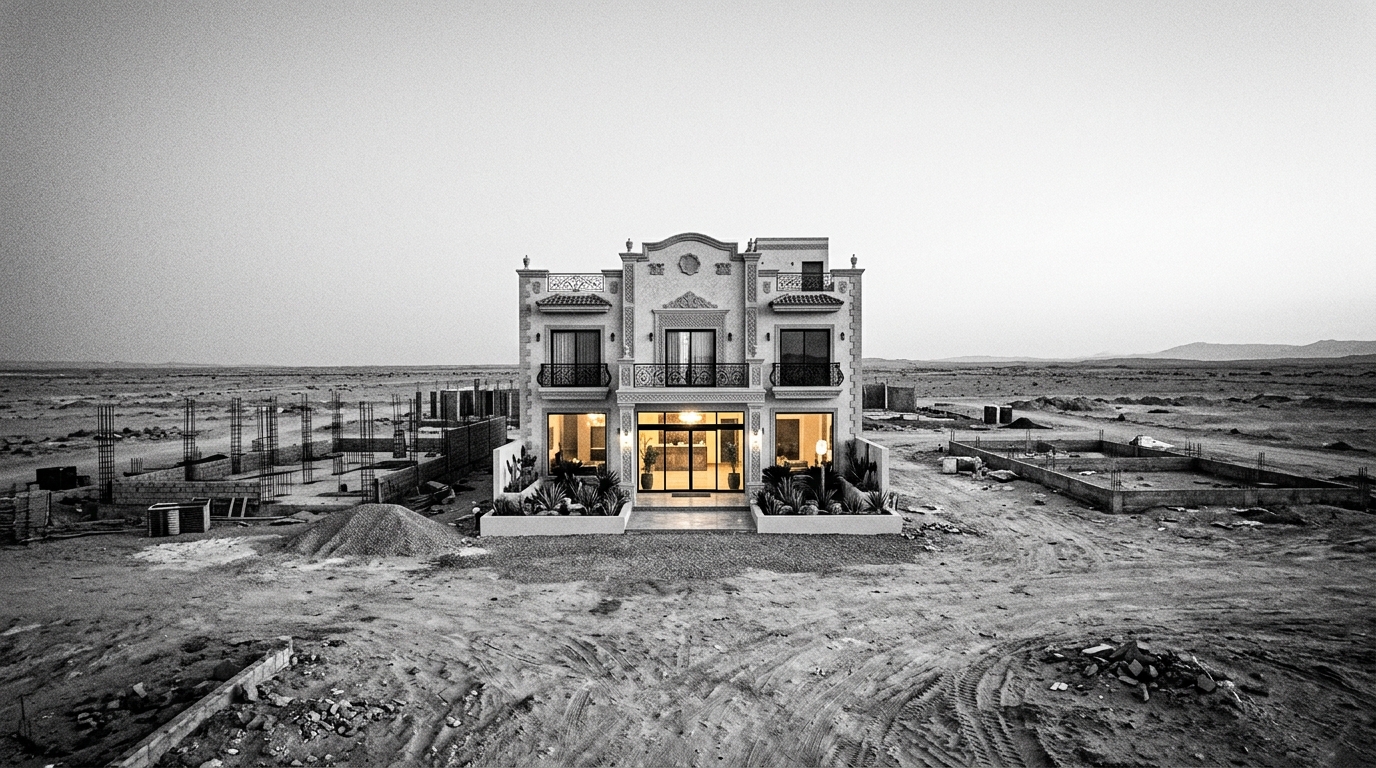
Here's what caught my eye about this deal. Hotel Indigo's entire brand identity is built on neighborhood storytelling. Every property is supposed to reflect the character of the area around it... the local art, the local food, the local vibe. It's actually one of the more compelling lifestyle brand concepts out there when it's executed well. So what happens when you sign an Indigo in a neighborhood that doesn't have a story yet? Because Egypt's New Administrative Capital is a master-planned city rising out of the desert east of Cairo. Government buildings, diplomatic districts, commercial zones... all being built from scratch. The neighborhood story is literally a construction site right now.
That's not necessarily a fatal flaw. But it's the question nobody in the press release is asking. IHG already has 9 hotels operating in Egypt and 23 more in the pipeline. Egypt's tourism numbers are legitimately strong... nearly 16 million visitors in 2024, projections pushing past 18 million by this year, and the government wants 30 million by 2030. The hospitality market is sized at roughly $21.5 billion and growing at over 7% annually. The macro story is real. But the macro story and the micro execution are two very different things, and Indigo lives or dies at the micro level.
I worked with a developer once who was building a hotel in a planned community outside a major Sunbelt metro. Beautiful renderings. Great brand. Location was going to be "the next big thing." We opened 18 months before the retail and restaurant tenants around us filled in. You know what it's like running a lifestyle hotel surrounded by empty storefronts and dirt lots? Your lobby mural celebrating the "vibrant local culture" feels like satire. Guests don't want a story about what the neighborhood WILL be. They want to walk outside and find something. The hotel eventually did fine... three years after opening. But those first three years were brutal on the P&L, and the owner's patience wore thinner than the margins.
The 2033 opening date is actually the most interesting number in this announcement. Seven years out. That's an eternity in hotel development. The New Administrative Capital is supposedly going to be Egypt's future hub for government and business... think of it as a purpose-built capital city, which other countries have tried with wildly varying results. If the government actually relocates operations there, you'll have built-in midweek demand from bureaucrats, diplomats, and the army of consultants and vendors who follow government money. That's a real demand generator. But "if" is doing a lot of heavy lifting in that sentence.
IHG is betting that by 2033, this city will have enough critical mass to support a lifestyle hotel that needs a neighborhood identity. That's a bet on Egyptian government execution over a seven-year timeline. And the developer, JADEER GROUP, is doubling down... this is their second Indigo deal with IHG in Egypt, with another one slated for 2031.
Look... I'm not saying this is a bad deal. IHG is playing a long game in a growing market, and management agreements are relatively low-risk for the brand. They're not putting up the capital. JADEER GROUP is. The question is whether JADEER Group's ownership team has stress-tested what happens if that city develops slower than the masterplan promises. Because masterplans always promise faster than reality delivers. Always. And a lifestyle hotel without a lifestyle around it is just a hotel with expensive art on the walls.
This one's mostly a lesson for developers and owners considering new-build projects in planned communities or emerging districts... anywhere in the world. If you're signing a brand whose identity depends on location character, you better have ironclad demand projections that don't rely on the neighborhood maturing on schedule. What I call the Brand Reality Gap applies here in a very specific way... Indigo sells neighborhood storytelling, but the neighborhood has to exist before you can tell the story. If you're evaluating a similar opportunity, build your pro forma around the worst-case scenario for surrounding development timelines, not the masterplan brochure. The macro Egypt numbers are strong. The micro question is whether this specific city, at this specific hotel's opening date, has enough there there.