Airbnb is a digital hospitality platform that operates a marketplace for short-term lodging rentals, competing directly with traditional hotel operators across multiple segments. The company has expanded beyond its original peer-to-peer model to include hotel partnerships and professional property management offerings, positioning itself as a comprehensive accommodation distribution channel. Airbnb's competitive reach extends from boutique properties to mid-tier hotel segments, with particular impact in key markets including New York City.
The platform's strategic initiatives increasingly focus on data aggregation, agentic AI capabilities, and revenue management tools that reshape how accommodations are distributed and priced. Hotel operators face direct competition from franchisees and independent property owners listing inventory on Airbnb, while regulatory pressures in markets like New York City create pricing and operational constraints that affect both Airbnb and traditional hotel economics. Airbnb's expansion into hotel operations and its development of AI-driven guest behavior databases represent structural competitive threats to established hotel chains and independent operators alike.

Operations
Primary
Apr 12
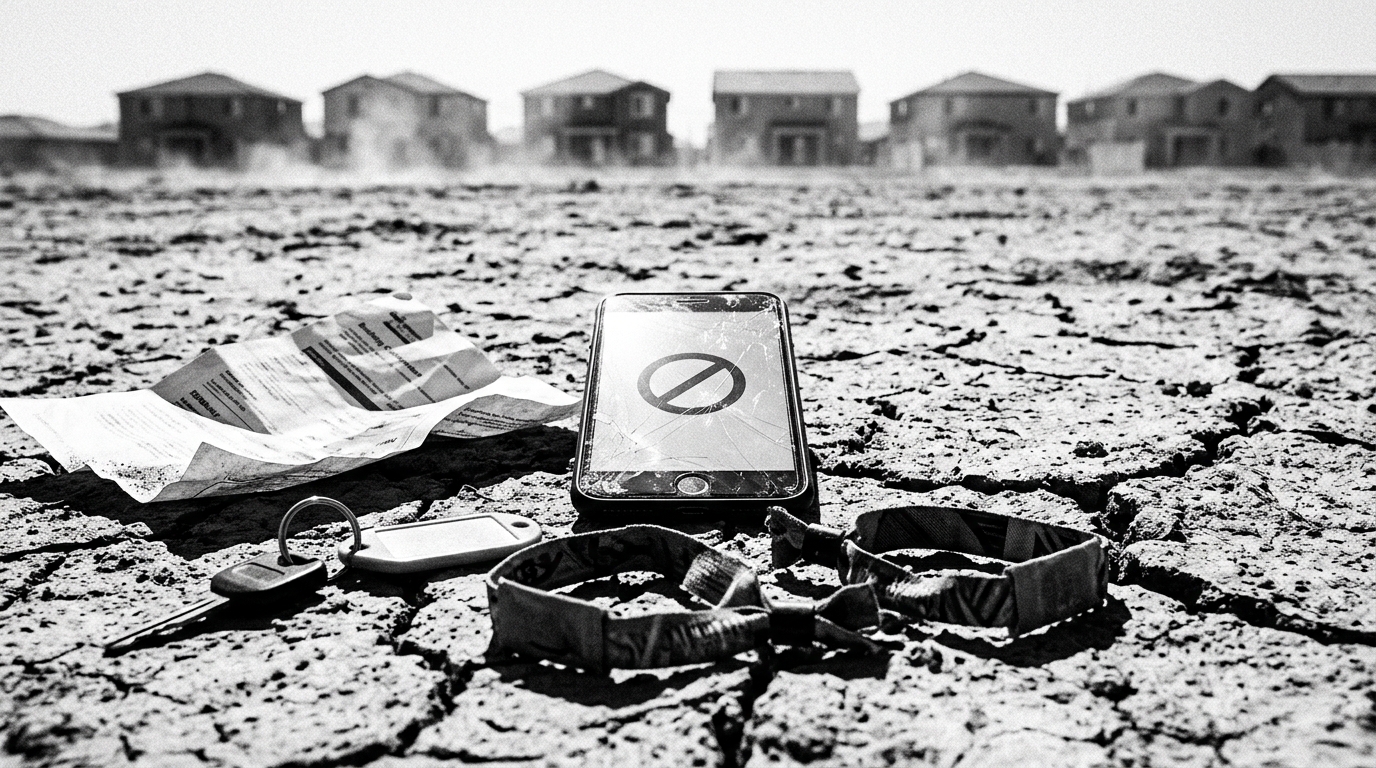
Coachella's short-term rental chaos... cancellations, $83,000 rebookings, hosts playing rate roulette... sounds like someone else's problem. Until you realize the same demand compression is flooding your lobby with guests who couldn't get an Airbnb at any price and are already furious before they check in.
Operations
Primary
Apr 10
Coachella attendees are getting their Airbnb reservations yanked days before the festival so hosts can relist at surge pricing. For hotel operators in event-driven markets, the fallout is a masterclass in what happens when your competitor's platform can't enforce its own promises.

Airbnb just launched an earnings calculator and a cash incentive to flood World Cup host cities with new short-term rental supply. If you're a hotel operator in one of those 16 markets, the math on what this does to your compression pricing is worth running before June.
📡
Get the Briefing Every Morning at 6AM
Join hotel operators, owners, and investors who start their day with InnBrief.
Free forever. Unsubscribe anytime. No spam — just signal.

An Airbnb tiny house shaped like stacked dice with 100 board games is pulling rates up to $900/night in Greenville, SC... a market where the average hotel ADR is fighting to hold $158. The technology lesson here has nothing to do with tiny houses.

Transactions
Primary
Apr 6
Airbnb was sitting on $11 billion in liquid assets and still borrowed $2.5 billion at rates up to 5.25%. When a company with that much cash decides to load up on long-term debt, the question isn't what they're refinancing... it's what they're building next.

Transactions
Primary
Apr 6
A 32-unit Airbnb-friendly apartment complex near Cocoa Beach just listed at $7.35M with half its units running short-term and half long-term. The cap rate looks clean until you stress-test it against the regulatory risk baked into every unit.

Airbnb's new pre-booked transfer service with Welcome Pickups isn't a ride-hailing play... it's an ecosystem play, and independent hotel operators should be paying attention to what happens when your competitor stops being an accommodation platform and starts owning the entire trip.

Airbnb's new private car transfer service through Welcome Pickups is live in 125 cities, and it's not really about rides... it's about owning the guest journey from airport to checkout, which is exactly the territory hotels have been slowly surrendering for a decade.

Airbnb just launched pre-booked airport rides in 125 cities through a third-party partner, and the move has nothing to do with transportation and everything to do with what happens when a platform decides it owns the entire guest journey... including the parts hotels forgot to compete for.

A viral story about alleged criminal behavior in short-term rentals is tabloid fuel, but the underlying technology question is real: can any platform truly screen for intent when identity verification only confirms who someone is, not what they're about to do?

Operations
Primary
Mar 31
A viral TikTok of a British traveler's £30-per-night Airbnb garage stay just hit 2.8 million views, and the guy loved it. If you're running a budget hotel and think your product sells itself, this is the wake-up call about what "good enough" actually looks like in 2026.

Technology
Primary
Mar 31
Airbnb just turned a $21 million Malibu beach house into a free Hannah Montana sleepover for ten lucky guests. The technology strategy behind these "Icons" stunts is worth studying... not because hotels should copy it, but because it exposes how badly our industry misallocates its own marketing tech budgets.

Technology
Primary
Mar 31
Airbnb's free Hannah Montana stays generate more press than your entire marketing budget ever will. The question for independent operators isn't whether this is silly... it's what happens when your competitor stops selling sleep and starts selling nostalgia.

Operations
Primary
Mar 30
A child died in a Florida vacation rental that allegedly lacked every pool safety feature required by state law. The short-term rental industry's regulatory gap isn't just a policy debate anymore... it's a body count, and hotels need to start talking about what they've been doing right all along.
Operations
Primary
Mar 30
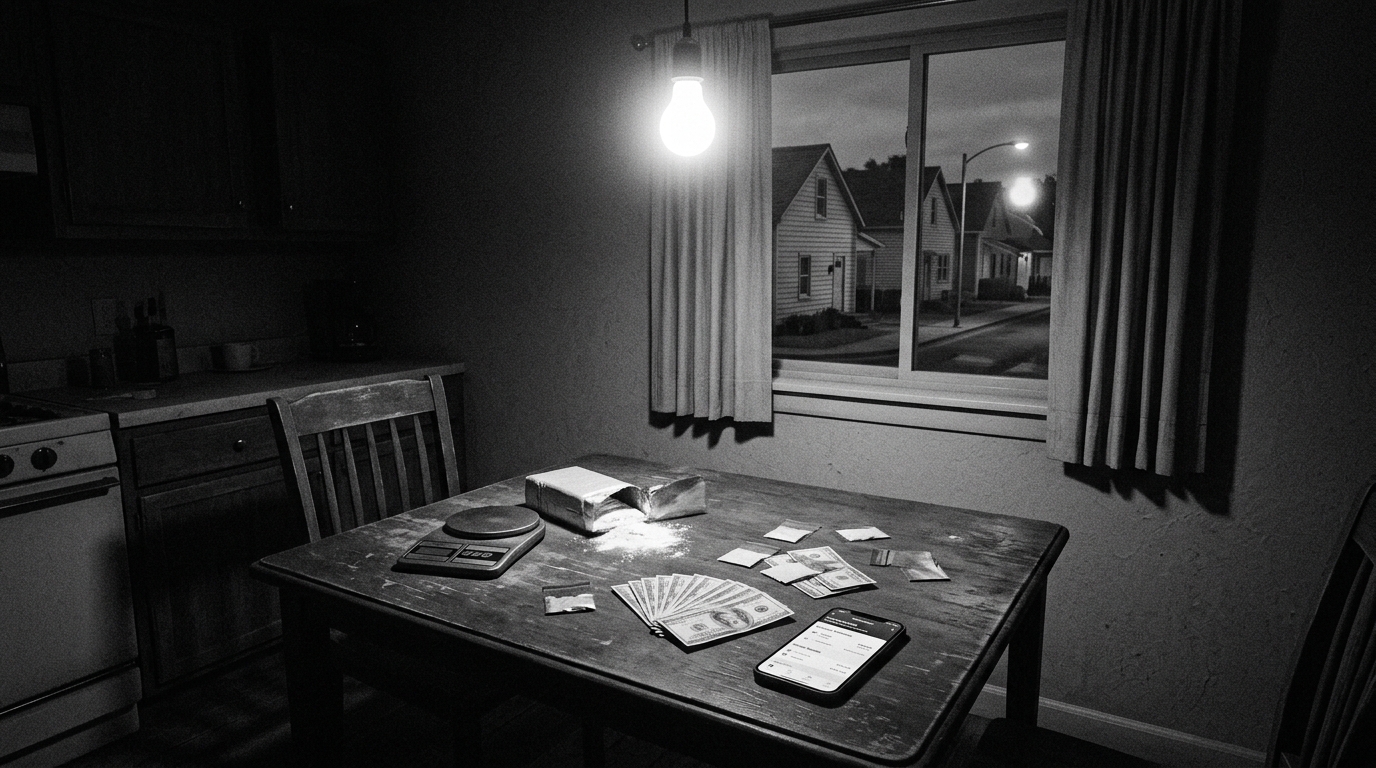
A New York man turned a Portland short-term rental into a drug distribution hub, and the platform's "safety systems" didn't catch a thing. If you're a hotel operator competing against Airbnb on price, maybe it's time to start competing on what you actually provide... accountability.
Operations
Primary
Mar 30
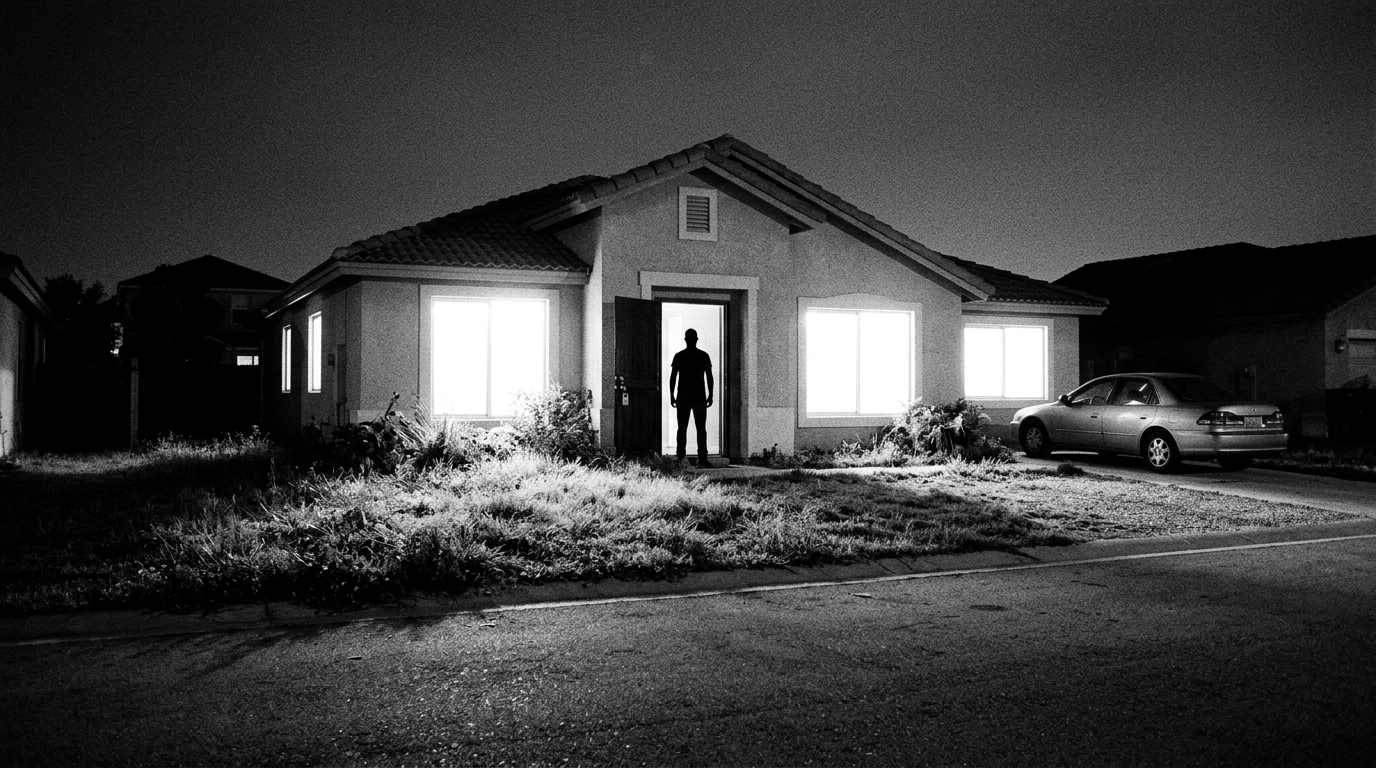
A social media influencer allegedly rented a Kissimmee Airbnb to stage filmed fights between guests for content, and it took nearly two months for arrests to follow. If you're an independent operator competing against short-term rentals on price, this is the safety gap you should be talking about with every guest who walks through your door.
Operations
Primary
Mar 30
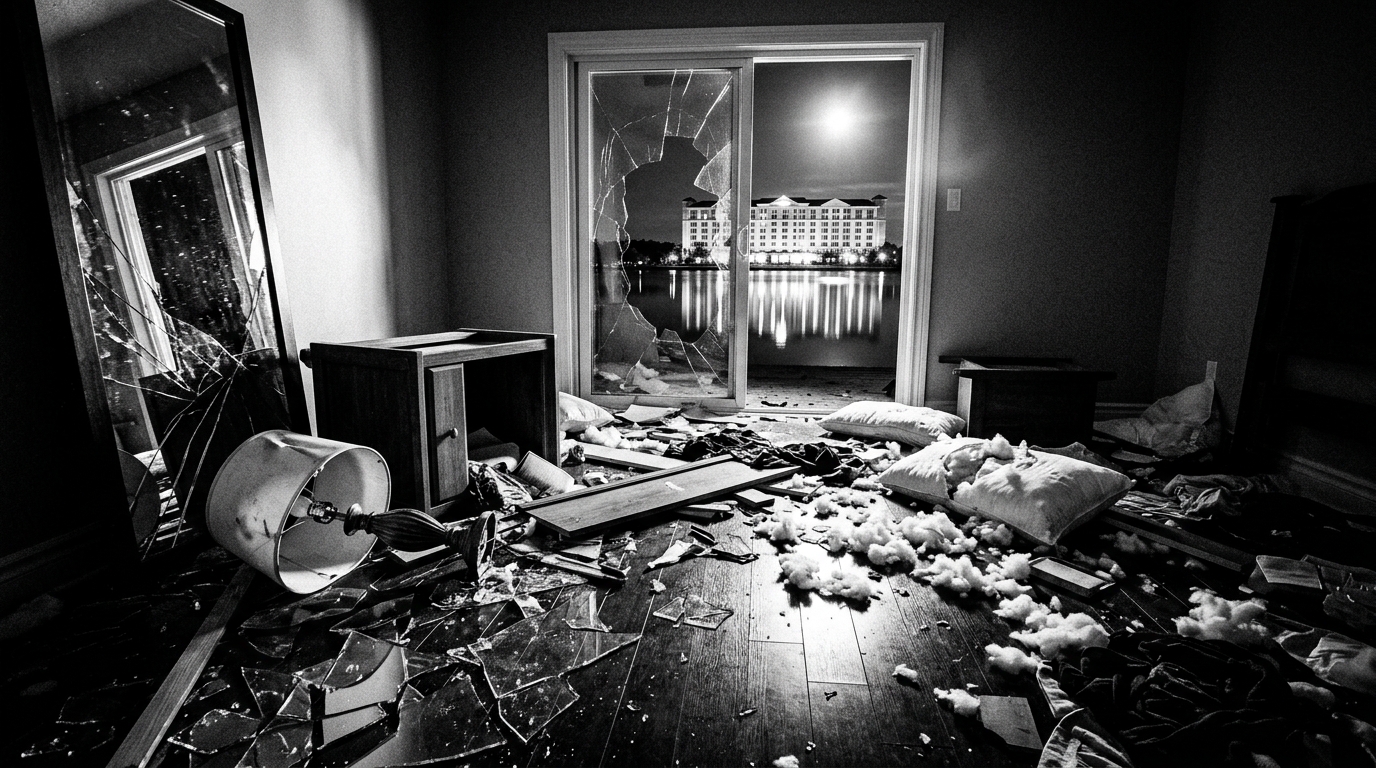
A drug-fueled meltdown at a Minnesota Airbnb ended in arrest, property damage, and assault charges. The real story for hotel operators isn't the incident itself... it's the regulatory wave building underneath it that could reshape your comp set overnight.

Operations
Primary
Mar 30
Disney just turned a $21 million Malibu beach house into a free Airbnb listing to promote a 20-year-old kids' show. The marketing genius isn't the giveaway... it's what it reveals about where "hospitality" is heading when entertainment companies start thinking like hoteliers.

Technology
Primary
Mar 30
Disney and Airbnb are giving away free stays in the Hannah Montana house, and the tech behind these "Icons" listings matters more than the nostalgia. The distribution strategy underneath the stunt is what independent operators should actually be paying attention to.

Operations
Primary
Mar 30
Disney and Airbnb are giving away ten free nights in a $21 million Malibu beach house dressed up as Hannah Montana's bedroom. The per-night value they're forgoing tells you exactly how these companies think about customer acquisition cost... and why traditional hospitality keeps losing the narrative war.