Airbnb's Trust Problem Isn't the Guest. It's the 0.1% They Can't Design Away.
A viral story about alleged criminal behavior in short-term rentals is tabloid fuel, but the underlying technology question is real: can any platform truly screen for intent when identity verification only confirms who someone is, not what they're about to do?
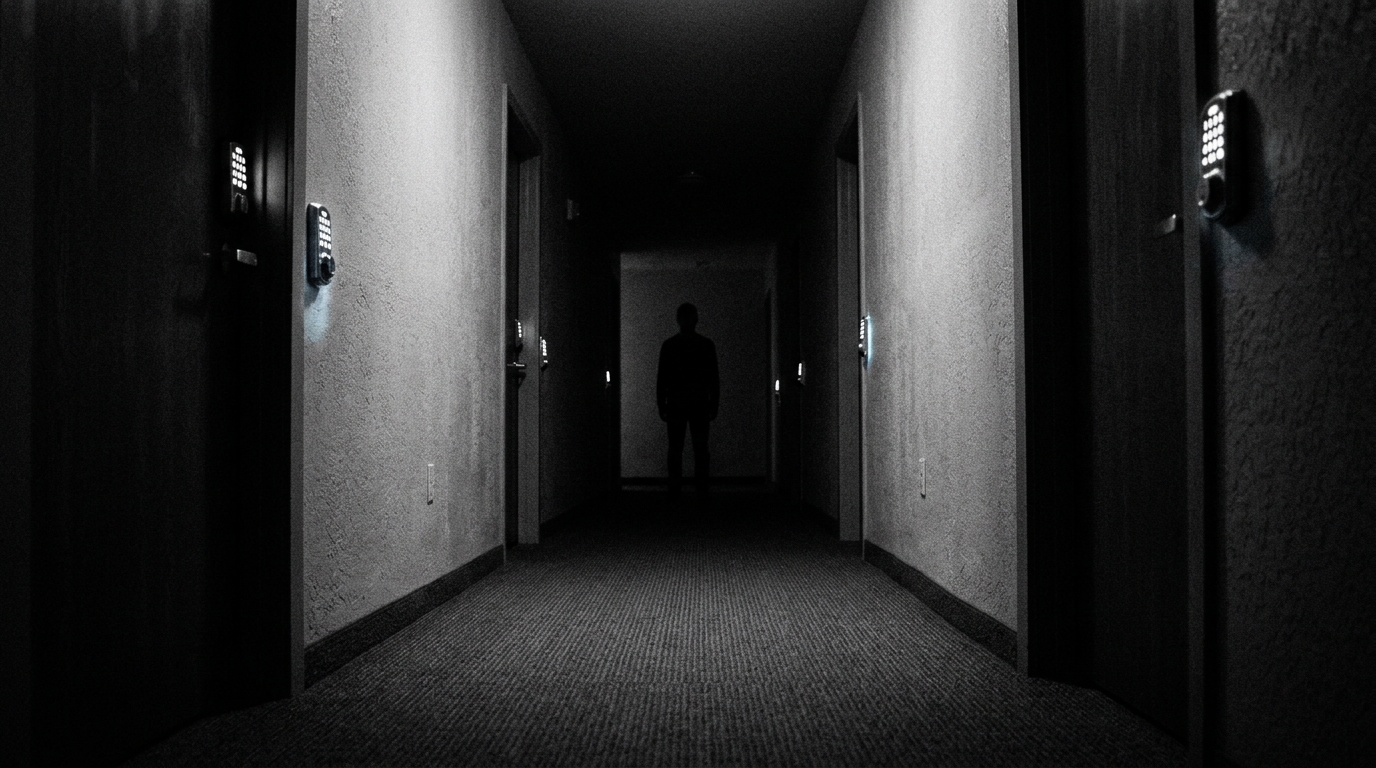
So a story's making the rounds about a woman accused of committing criminal acts across multiple Airbnb properties, and the coverage is exactly what you'd expect... tabloid headline, mugshot energy, outrage cycle. I'm not here for that part. What I'm here for is the technology question buried underneath all the noise, because it's a question that matters to every property owner running short-term rentals and every hotel operator competing against them.
Airbnb says fewer than 0.1% of stays result in a reported safety issue. Let's do something with that number. Airbnb facilitates roughly 200 million stays a year. 0.1% is 200,000 incidents. That's not a rounding error. That's a mid-size city's worth of problems, and that's only what gets reported. The platform's response has been identity verification (100% of guests and primary hosts verified globally as of mid-2023) and their Trust and Safety Advisory Coalition... 20-plus external experts advising on everything from fraud detection to human trafficking prevention. And look, that's real investment. I'm not dismissing it. But here's what identity verification actually does: it confirms you are who you say you are. It does not confirm what you're going to do in someone's property at 2 AM. Those are two completely different problems, and one of them is essentially unsolvable with software.
I talked to a property manager last month who runs about 40 short-term rental units across two markets. He told me his biggest fear isn't the headline-grabbing criminal... it's the guest who does $3,000 in damage, gets banned from the platform, creates a new account under a family member's identity, and books again. He said it's happened twice in the past year. Airbnb's AirCover program covers up to $3 million in host damage protection, which sounds generous until you've actually filed a claim and waited 60 days for resolution while your unit sits offline. The coverage exists. The friction of accessing it is the real cost. That's a technology design problem masquerading as a policy solution.
Here's what actually interests me about this story from a tech perspective. The short-term rental platforms are essentially running the same trust architecture that hotel brands have been running for decades... post-incident response. Guest trashes a hotel room? You charge the card on file, maybe ban them from the brand, and move on. Guest does something criminal? You call the police. The difference is that hotels have staff on-site 24/7 (or at least should). A short-term rental unit at 2 AM has nobody. No night auditor. No security. No human being to intervene in real time. The technology stack is supposed to compensate for the absence of people, and it fundamentally can't. Not for the edge cases. Not for the 0.1%. You can verify identity, screen for previous bans, require deposits, install noise monitors, put smart locks on every door... and none of it stops a determined bad actor. It just creates a paper trail for after.
The tabloid story will fade. The structural gap won't. Every platform company in the short-term rental space is building increasingly sophisticated screening tools, and every one of them hits the same wall: you can't algorithmically predict human behavior with enough precision to prevent incidents in unstaffed properties. This isn't a failure of engineering. It's a limitation of what technology can do when there's no human in the loop. And that, honestly, is the most important technology lesson in hospitality right now... not just for Airbnb, but for every hotel operator who thinks automation means you can remove the person from the equation. You can't. The person IS the safety system. Everything else is documentation.
Here's what I want you thinking about if you're running a hotel competing against short-term rentals in your market. Every time one of these stories goes viral, it's a window. Not to gloat... to remind your guests why staffed properties exist. Your front desk agent at 2 AM, your security walk, your ability to respond in real time to a problem in room 412... that's not overhead. That's your competitive advantage over an empty apartment with a smart lock. If you're building your marketing messaging, the phrase "24/7 on-site staff" should be somewhere a guest can see it before they book. And if you're an owner evaluating whether to convert units to short-term rental... run the insurance math, run the damage frequency math (industry data says 1-2% of bookings result in serious claims), and factor in the downtime cost of a unit that goes offline for repairs. The Airbnb model works until it doesn't, and "until it doesn't" is always at 2 AM when nobody's there.