An Influencer Just Paid $83K for a Weekend Rental. And Your Front Desk Team Is About to Feel It.
Coachella's short-term rental chaos... cancellations, $83,000 rebookings, hosts playing rate roulette... sounds like someone else's problem. Until you realize the same demand compression is flooding your lobby with guests who couldn't get an Airbnb at any price and are already furious before they check in.
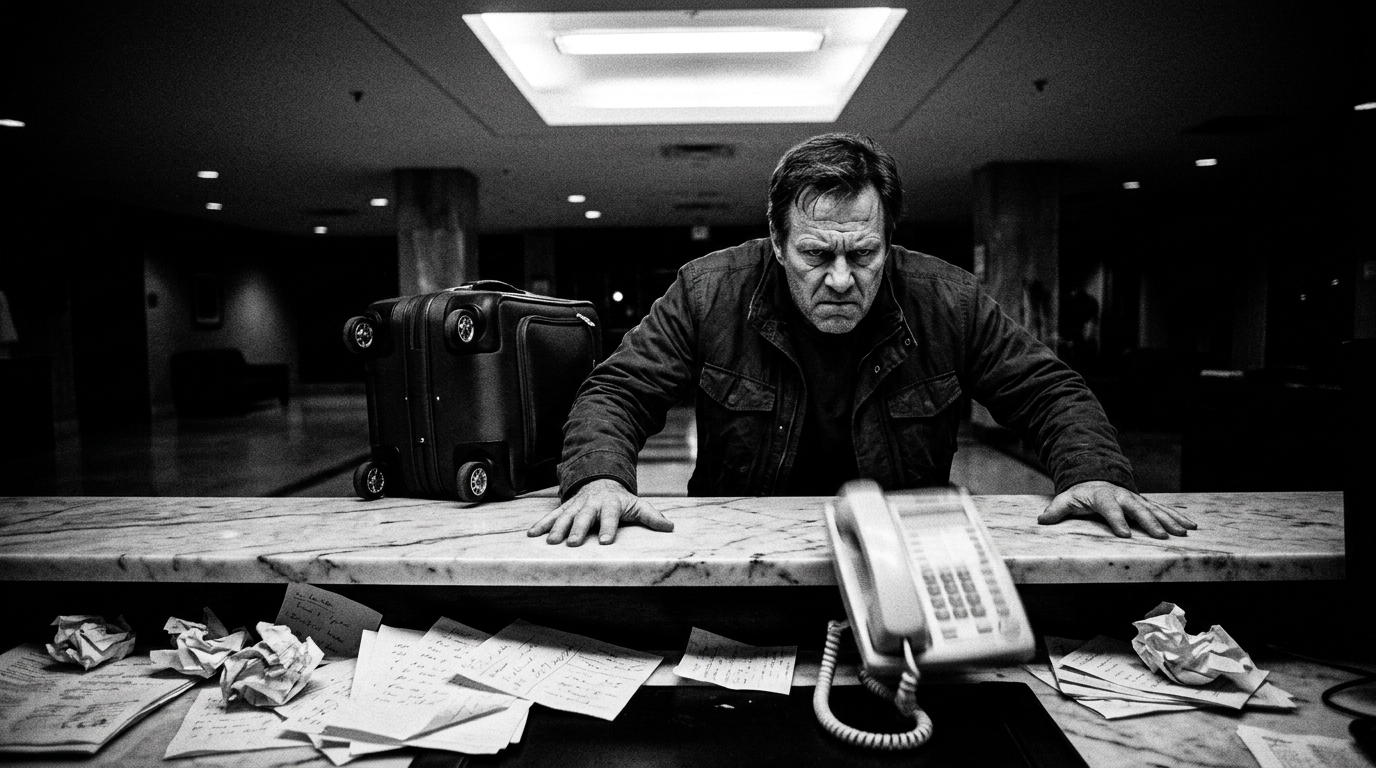
I managed through a major music festival once. Not Coachella... different market, different scale, but the same physics. Three sold-out nights where the phones rang so hard we pulled the breakfast attendant to help the front desk. Every room was north of 2x our normal rate. Every guest who walked in had already been quoted something insane somewhere else, so they were simultaneously grateful to have a room and resentful about what they were paying for it. The vibe in the lobby was electric and hostile at the same time. It's a very specific energy. If you've worked a compression event, you know exactly what I'm talking about.
That's what's happening in the Coachella Valley right now, except the numbers have gone completely sideways. We're not talking about a Best Western at $189. We're talking about a Best Western at $600-$700. A JW Marriott room at $2,487 for a single night. Hotel rates up 61.6% over the prior two weekends. And that's the HOTEL side... which is supposed to be the stable, predictable side. The short-term rental market is where it gets genuinely wild. An influencer with 15 million followers publicly posted that her $29,000 Airbnb booking got canceled and she had to rebook for $83,375. STR hosts are seeing revenue up 38% overall, 53% for Weekend 2. Average occupancy running 85% across the valley. This is demand compression at a level that breaks normal pricing behavior and starts creating chaos.
Here's what nobody's talking about in the breathless coverage of influencer drama and $83K bookings. The STR cancellation problem (hosts canceling confirmed reservations to relist at higher prices) is actively pushing displaced guests into the hotel channel. Every canceled Airbnb becomes a walk-in, a frantic Expedia search, or a phone call to the front desk at 11 PM from someone who just drove four hours and has nowhere to sleep. These are not your typical guests. They're angry, they've been burned, and they're paying rates they consider extortionate because they have no alternative. Your front desk team is absorbing that emotional fallout, and if you haven't prepped them for it, you're setting them up to fail. Airbnb says they're "not seeing any noticeable increase" in cancellations and have safeguards in place. I've been in this business long enough to know that platform-level data and property-level reality are often two different things.
The revenue management side of this is seductive and dangerous. When you can get $700 for a room that normally goes for $189, every instinct says push it higher. And for these two weekends, maybe you should. But this is what I call the Rate Recovery Trap. The Coachella Valley doesn't run at $700 ADR in May. Or June. Or July, when it's 115 degrees and you're begging for occupancy. The guests paying $700 this weekend aren't coming back at $700 next month. They're not coming back at all... they were here for the festival, not for your property. If your revenue strategy treats this as a new baseline instead of what it is (a two-weekend anomaly), you'll spend the summer chasing a number that doesn't exist. The $20 million in projected direct tourism spending sounds massive. Spread it across the full market over 52 weeks and it's a rounding error. These two weekends are a windfall, not a trend.
The bigger story here is structural. Short-term rentals have become the pressure valve for compression events, and when that valve malfunctions (cancellations, price manipulation, platform enforcement that may or may not work), traditional hotels absorb the overflow. That's a planning variable, not just a news story. If your market has any recurring event that drives STR demand through the roof... a festival, a major convention, a sporting event... you need to assume that some percentage of those STR bookings will fail and those guests will land in your lobby. Plan your staffing for it. Brief your front desk on it. Have your walk policy tight. And for the love of God, make sure whoever is working the 11 PM to 7 AM shift knows that the person in front of them just got their $29,000 booking canceled and needs someone to be calm and competent, not someone reading a script about the hotel's amenities.
If you're a GM in any market that hosts a major annual event, this is your homework before next year's compression weekend. First... staff the front desk 30% heavier than you think you need on peak nights. The STR cancellation spillover is real, it's growing, and it arrives angry. Second... brief your night team specifically on displaced STR guests. They need empathy, not upselling. A guest who just lost their rental is not a candidate for a room upgrade pitch. They're a candidate for someone who says "I'm glad you found us. Let me get you taken care of." Third... on revenue management, take the windfall, push the rate, but flag it in your reports as event-driven and do NOT let it contaminate your forward pricing. Your owner will see those numbers and ask why June doesn't look the same. Have the answer ready before they ask. The money is real. The guest goodwill you build (or destroy) during these 72 hours matters more than the rate premium.