A 400-Square-Foot Dice House Is Outcharging Your Hotel. Here's Why That Should Bother You.
An Airbnb tiny house shaped like stacked dice with 100 board games is pulling rates up to $900/night in Greenville, SC... a market where the average hotel ADR is fighting to hold $158. The technology lesson here has nothing to do with tiny houses.
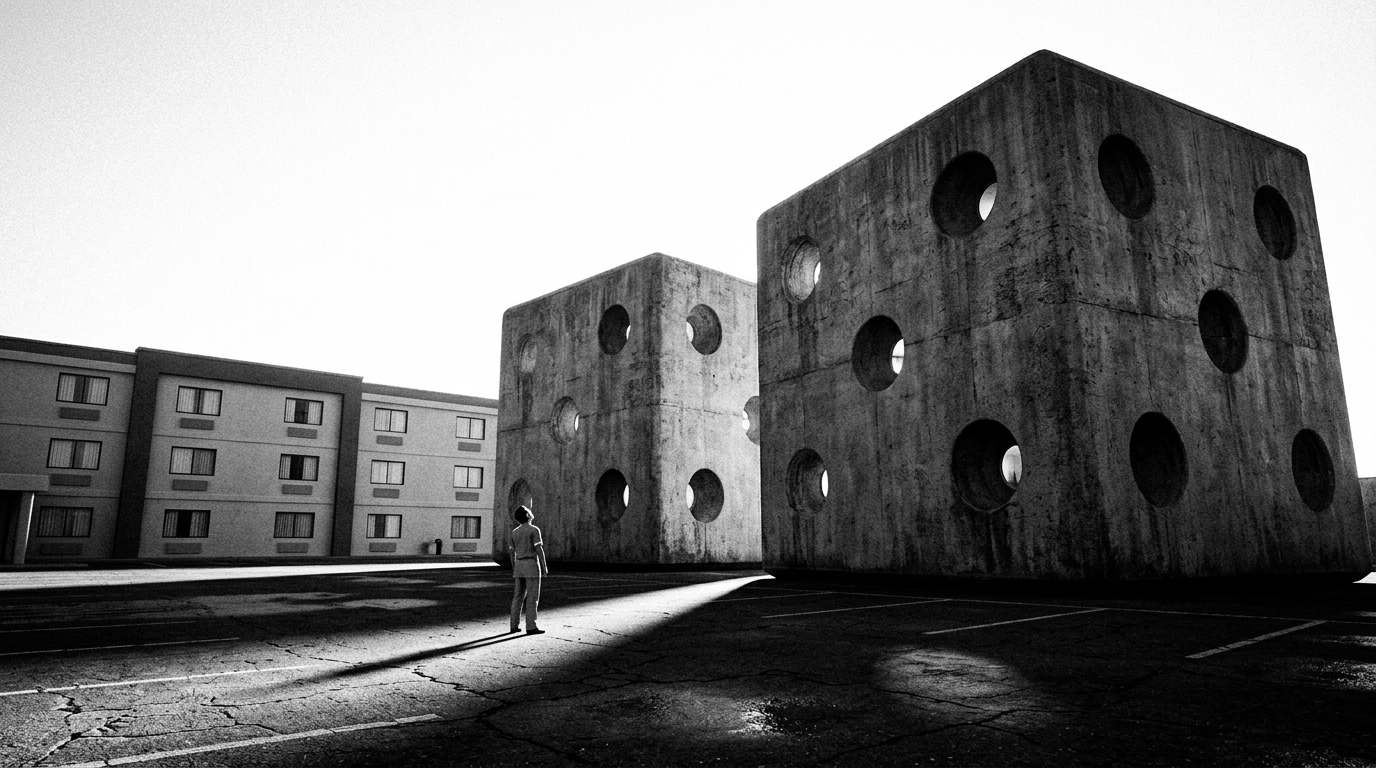
So here's a 400-square-foot structure shaped like two stacked dice, with 28 round windows, a claw machine, and over 100 board games. It sleeps four people across two loft bedrooms. It won Airbnb's "OMG! Fund" contest, which is basically a grant program for properties weird enough to go viral. And comparable unique stays in the Greenville market are listing between $362 and $900+ per night.
Let that sit for a second. Not because the property is revolutionary... it's a themed tiny house with good execution. But because the technology platform underneath it is doing something most hotel tech stacks still can't do well: it's turning a single property with a hyper-specific concept into a distribution machine. Airbnb's algorithm doesn't care that this is 400 square feet. It cares that this listing generates engagement, gets saved to wishlists, converts at a high rate, and produces five-star reviews. The "unique stays" category saw a 123% increase in listings between 2020 and 2024, and searches for game-room properties more than doubled recently. The platform is actively surfacing these properties. The distribution is the product.
Here's what actually bothers me about this as a technologist. Greenville now has 507 active Airbnb listings... a 171% year-over-year increase. That's not a trickle. That's a parallel inventory system growing in your comp set that most hotel revenue management platforms barely account for. I talked to a revenue manager last month who told me her RMS doesn't even ingest short-term rental supply data for her market. She's pricing against the Holiday Inn Express across the highway while a dice-shaped house is capturing the leisure demand she never knew she was losing. Her system literally cannot see the competition.
Look, the Tiny Dice House isn't your competition in the traditional sense. Nobody's choosing between it and your 150-key select-service for a Tuesday business trip. But for weekend leisure, for the "experience" traveler, for the couple planning a birthday getaway... this is exactly where your rate ceiling gets pressure. And the technology gap is real. Airbnb's recommendation engine, its category taxonomy (they literally have a "Play" segment now), its visual-first search... these are distribution innovations that most hotel booking engines haven't even attempted. Your brand.com is still showing a carousel of room photos and a rate calendar. This listing is selling an experience before the guest even clicks "book." The guest data, the engagement metrics, the algorithmic boost for high-performing listings... it's a feedback loop that rewards operators who understand the platform's architecture. The hosts here are Superhosts, which means they've cracked the rating and response-time signals that push visibility. That's not hospitality instinct. That's platform engineering applied to a 400-square-foot building.
The real question for hotel operators isn't whether tiny houses are a threat. They're not... not at scale. The question is whether your technology stack can even see what's happening in the alternative accommodation layer of your market, and whether your distribution strategy accounts for a world where a dice-shaped shack with a claw machine can outprice you on rate because it understood the platform better than you did.
Here's what I'd tell any GM or independent owner in a leisure-heavy market right now. Go to AirDNA or AllTheRooms and actually pull the short-term rental data for your three-mile radius. How many active listings? What's their average rate? What's the growth trend? If your RMS doesn't ingest this data... and most don't... you're pricing in the dark on weekends. Talk to your revenue management vendor and ask specifically whether their system accounts for alternative accommodation supply. If the answer is "not yet" or "we're working on it," that's a vendor failing the basic test of seeing your actual competitive landscape. And if you're an independent with a unique physical asset or location advantage, stop selling rooms and start selling the experience. Your booking engine should be telling a story, not just displaying a rate grid. The dice house isn't winning because it's better than your hotel. It's winning because it understood the platform.