Airbnb Is Spending Millions on Marketing Stunts. Hotels Keep Spending Millions on PMS Migrations.
Airbnb just turned a $21 million Malibu beach house into a free Hannah Montana sleepover for ten lucky guests. The technology strategy behind these "Icons" stunts is worth studying... not because hotels should copy it, but because it exposes how badly our industry misallocates its own marketing tech budgets.
So Airbnb is giving away ten free one-night stays at the actual Malibu house from Hannah Montana. Zero dollars per person. Four guests max. You submit a request, you hope you get picked, and if you do, you sleep in a $21 million beachfront property for free while Disney simultaneously drops a 20th anniversary special on Disney+ and Hulu. The earned media value on something like this is enormous. The actual cost to Airbnb? Basically nothing... maybe the operational expense of staging the property and managing ten bookings over eleven days. That's it. That's the whole spend.
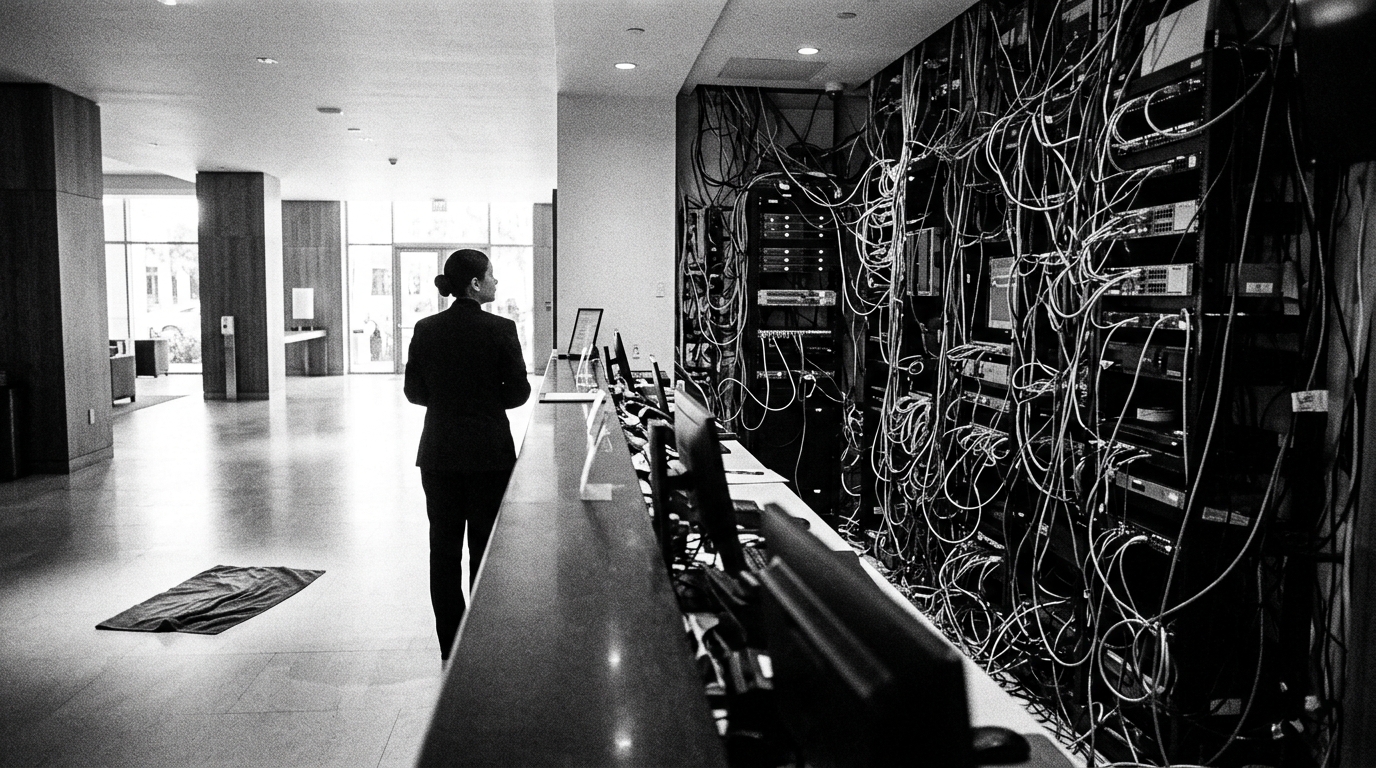
Here's what actually interests me about this. Airbnb launched its "Icons" program back in May 2024. Barbie DreamHouse. The house from Up. Now Hannah Montana. Each one generates millions of impressions, dominates social feeds for a week, and reinforces a single message: Airbnb is where you go for experiences you can't get anywhere else. The technology underneath is dead simple... it's a booking request form, a curation layer, and a content engine. Nothing revolutionary. No AI. No "seamless integration." Just a platform that understands what actually drives consumer behavior (nostalgia, exclusivity, shareability) and builds lightweight tech to deliver it. Meanwhile, I consulted with a hotel group last quarter that spent $180,000 migrating to a new PMS and still can't get their rate-push logic to work correctly across three properties. The system crashes during night audit at least once a week. They were told implementation would take 90 days. They're at month seven.
Look, I'm not saying hotels should start offering free Hannah Montana sleepovers. That's not the point. The point is the ratio of technology investment to marketing outcome. Airbnb builds a simple booking mechanism around a cultural moment and gets coverage in every major outlet for a week. Hotels pour six and seven figures into back-of-house systems that guests never see, never feel, and that frequently make operations worse during the transition. The technology priorities are inverted. We spend on infrastructure that should work invisibly (and often doesn't), and we underinvest in the guest-facing tech that actually drives demand and differentiation. Airbnb's CEO said in Q2 2025 that the company is "going significantly more aggressively into hotels." That's not just a distribution play. It's a signal that the same experiential marketing engine that powers Icons is coming for traditional lodging. And most hotels are going to respond by... upgrading their CRM? Buying another chatbot?
The uncomfortable question is this: what's your property's version of an Icon? Not a $21 million beach house, obviously. But what's the one thing about your hotel that someone would post about without being asked? If you can't answer that in one sentence, you have a positioning problem that no PMS, no RMS, and no "AI-powered guest engagement platform" is going to fix. The technology that matters most right now isn't the stuff running in your server room. It's the stuff that gives a guest a reason to choose you over the listing three swipes away on their phone. Airbnb figured that out and built the lightest possible tech to support it. Hotels keep building heavy and wondering why nobody notices.
Walk your building this week. Phone in hand. Find three things a guest would actually photograph without being asked... not the lobby art you paid a designer to pick, not the branded amenity kit. The thing they'd stop and pull their phone out for. Can't find three? That's your real technology gap. Not the PMS. Not the channel manager. And before you sign your next vendor contract... one question. Does this tool help a guest choose my hotel, or does it just help me run it slightly more efficiently? Both matter. But Airbnb isn't eating leisure market share because their back-end is cleaner. They're winning because booking feels like something worth talking about. Your counter-move isn't a bigger tech stack. It's a sharper story. Figure out what yours is before someone else writes it for you.