Revenue Management is the strategic practice of optimizing hotel pricing and inventory allocation to maximize profitability. It involves analyzing demand patterns, competitor pricing, market conditions, and booking pace to determine optimal room rates and length-of-stay restrictions across different customer segments and distribution channels. Modern revenue management systems integrate dynamic pricing algorithms, forecasting models, and occupancy targets to balance volume and yield.
The discipline has become increasingly complex as hotels navigate competing priorities between loyalty program economics, brand positioning, and direct booking incentives. Recent industry developments show revenue management strategies intersecting with loyalty program design, credit card partnerships, and market segmentation decisions. Hotels face tension between aggressive revenue optimization and guest acquisition costs, particularly when promotional strategies across multiple brands or loyalty tiers cannibalize higher-margin bookings.
Revenue management effectiveness directly impacts hotel profitability and competitive positioning. Operators must balance short-term revenue maximization against long-term brand equity and customer lifetime value, especially as alternative accommodations and dynamic pricing become industry-wide practices.

Wall Street analysts are busy adjusting post-split price targets on Booking Holdings while the company prepares to report Q1 earnings tonight. What operators should care about isn't the stock price... it's what a $140 billion OTA's growth trajectory means for the 15-22% of your revenue you're handing them every month.
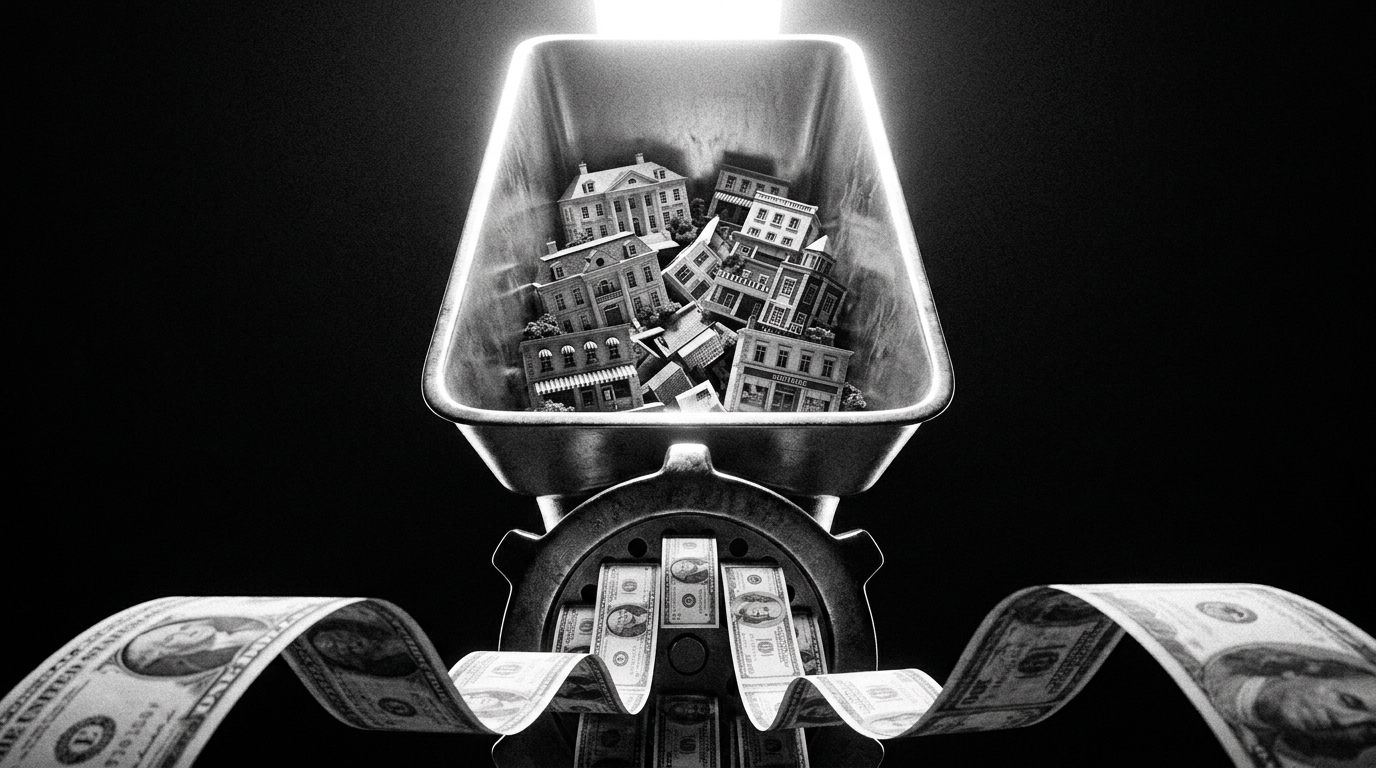
Booking just posted $5.53 billion in Q1 revenue, up 16% year-over-year, and immediately spent $3.6 billion buying back its own stock. If you're an independent hotelier wondering where your commission dollars go, now you know.

Caesars' Q1 digital segment posted record numbers while its physical hotels ran flat in Vegas and slightly down regionally. The interesting question isn't whether the app is working... it's what happens when your loyalty database becomes more valuable than your room block.
📡
Get the Briefing Every Morning at 6AM
Join hotel operators, owners, and investors who start their day with InnBrief.
Free forever. Unsubscribe anytime. No spam — just signal.
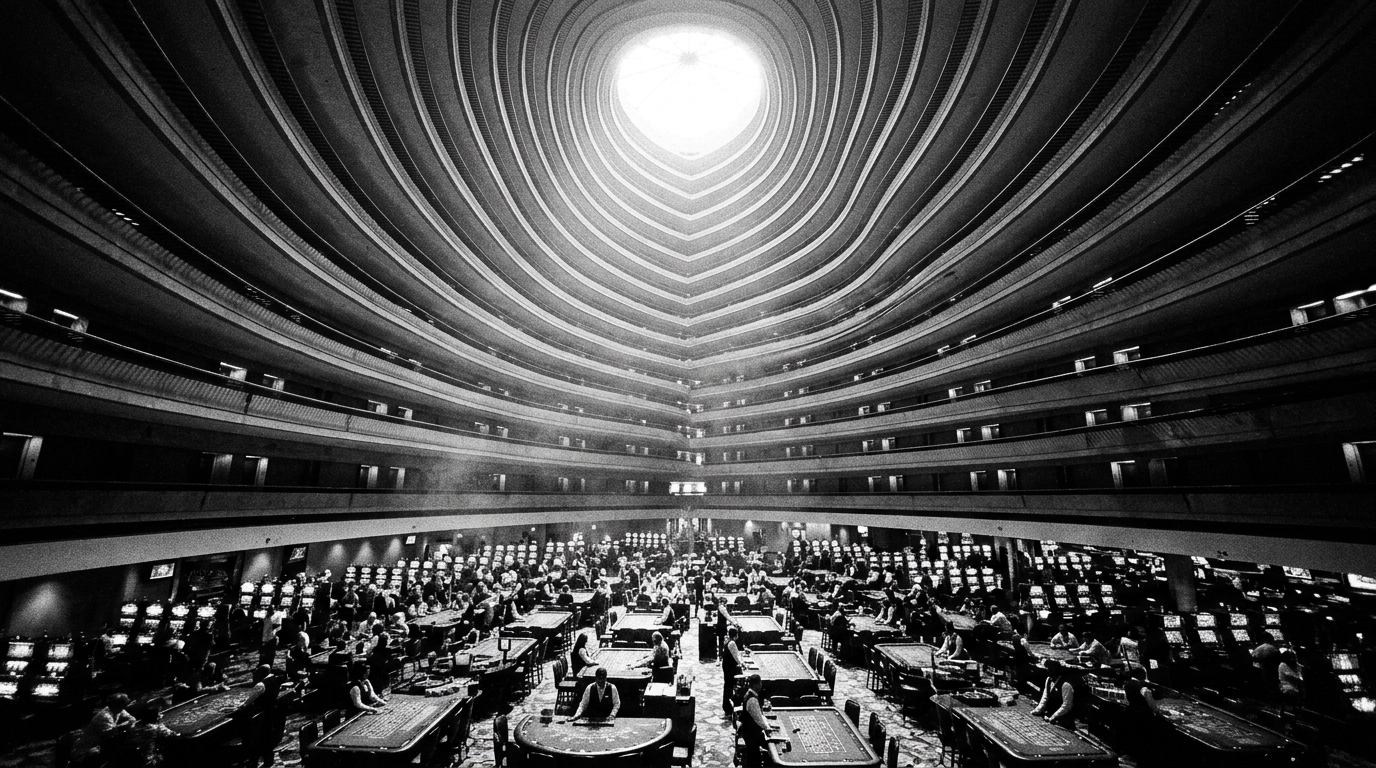
Las Vegas Sands just posted a quarter that would make any domestic operator's jaw drop... 25% revenue growth, 95.7% occupancy in Singapore, and nearly $800 million in EBITDA from a single property. The part worth studying isn't the gambling. It's the integrated resort model that American hotel companies keep talking about and never actually build.

The most wishlisted Airbnb in Massachusetts is a one-bedroom glass house in the woods charging $232 a night. If you're an independent operator in a leisure market wondering why your direct bookings feel soft, the answer might be sitting on seven acres in the Berkshires.
Operations
Primary
Apr 25
Consumer confidence just posted its lowest final reading in over 70 years, gas is hovering above $4 a gallon, and families are making summer travel decisions right now against a backdrop of inflation anxiety and shorter booking windows. If your revenue strategy is still built on last July's pickup patterns, you're driving with a map from a road that doesn't exist anymore.
Operations
Primary
Apr 25
United's business travel revenue jumped 14% in Q1 while most hotels locked in corporate rate increases around 1% during last year's budget season. The gap between what corporate travelers are willing to spend on airfare and what you're charging them for the room is the most expensive missed signal in your P&L right now.

Hyatt is replacing its three-tier award system with five tiers that push top redemptions up 67%, and they want you to believe keeping a published chart makes this fundamentally different from what Marriott and Hilton did. The architecture tells a different story.

Operations
Primary
Apr 23
Michigan's consumer confidence index just cratered to a 27-month low, and if you're running a leisure property in the $150-250/night range that depends on weekend drive-to traffic, the booking pace you're looking at today is about to lie to you.

Caesars' refer-a-friend promotion offers up to $500 in bonus bets per user, and it's not a sportsbook story... it's a loyalty pipeline story that ends at your front desk, your restaurant, and your comp set.

Airbnb's most wishlisted property in North Carolina isn't a luxury condo or a beach house... it's a treehouse on a 40-acre farm charging $200 a night, 25 miles from Charlotte. The uncomfortable question for every hotel operator in the market isn't whether this matters, but why you can't name what makes your property worth remembering.
Technology
Primary
Apr 22
Choice Hotels is rolling out enterprise-wide AI with Amazon's AgentCore platform, calling it the next chapter of innovation. The question nobody's asking is what this actually costs per key and whether the franchisee who's supposed to benefit ever got a vote.

A Dallas hotelier just paid $4 million for a 54-room luxury property in Colorado Springs and plans to spend more on renovations than the acquisition itself. The per-key math tells a very specific story about where this buyer thinks value lives... and what the previous owner left on the table.

Marriott Golf's America's 250th anniversary package at The Williamsburg Lodge looks like a clever loyalty play wrapped in patriotic nostalgia. But for the nonprofit foundation that actually owns the property, the economics of trading on history while paying brand fees deserves a harder look than the press release gives it.

Airbnb just launched a free immersive K-pop experience in Seoul that will touch over 1,000 guests and generate millions in media impressions. The technology play underneath the celebrity veneer is what should keep independent operators up at night.

Operations
Primary
Apr 21
Black Bear Casino Resort just dropped $21 million expanding its event center and is booking acts like Jo Koy to fill 1,900 seats at up to $160 a ticket. The real question isn't whether the comedian sells out... it's whether the 408-room hotel captures enough of that crowd to justify the concrete.

When a major operator bundles 50% room discounts with free drinks, meals, and parking, the question isn't what guests save. It's what the trailing RevPAR data already told you about where Las Vegas yield is heading through 2026.

Caesars is spending millions to acquire online casino players in New Jersey, and every one of those players earns Reward Credits redeemable for hotel stays. If you're running a property that competes with Caesars for the same weekend guest, the math just changed and you didn't get a memo.

Disney World just stripped MagicBands, toiletries, room service, airport shuttles, and package delivery from its resort stays while posting $10 billion in parks operating income. If you think this is just a theme park story, you're not paying attention to what it teaches every hotel operator about the relationship between perceived value and pricing power.
Operations
Primary
Apr 19
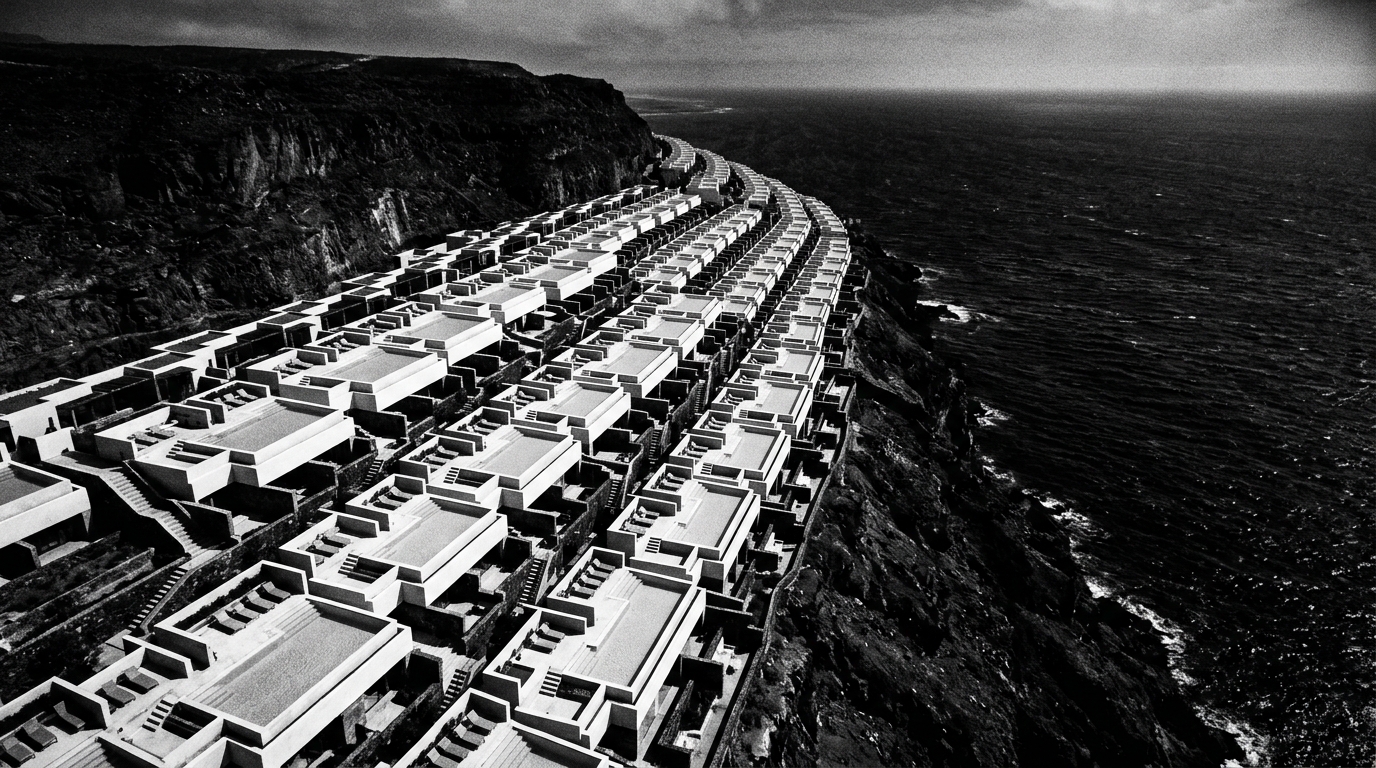
Los Cabos pushed its hotel inventory from 15,000 to 22,000 rooms while average daily rates climbed from $286 to $440. That's the kind of math that breaks most markets... unless someone is doing something fundamentally different with the product.