Revenue Management is the strategic practice of optimizing hotel pricing and inventory allocation to maximize profitability. It involves analyzing demand patterns, competitor pricing, market conditions, and booking pace to determine optimal room rates and length-of-stay restrictions across different customer segments and distribution channels. Modern revenue management systems integrate dynamic pricing algorithms, forecasting models, and occupancy targets to balance volume and yield.
The discipline has become increasingly complex as hotels navigate competing priorities between loyalty program economics, brand positioning, and direct booking incentives. Recent industry developments show revenue management strategies intersecting with loyalty program design, credit card partnerships, and market segmentation decisions. Hotels face tension between aggressive revenue optimization and guest acquisition costs, particularly when promotional strategies across multiple brands or loyalty tiers cannibalize higher-margin bookings.
Revenue management effectiveness directly impacts hotel profitability and competitive positioning. Operators must balance short-term revenue maximization against long-term brand equity and customer lifetime value, especially as alternative accommodations and dynamic pricing become industry-wide practices.

Airbnb missed earnings by a nickel and Wall Street shrugged because revenue jumped 18% and bookings hit 156 million nights. The part hotel operators should actually care about is buried three pages into the shareholder letter... and it's not about vacation rentals anymore.

IHG posted 4.4% global RevPAR growth in Q1, blowing past the 3.3% consensus, with groups up 7% and business up 6%. The question every GM should be asking isn't whether the brand is winning... it's whether your property is getting its share.

Patrick Pacious walked into Choice's 70th annual convention with record revenue numbers and a stack of AI-powered platforms nobody asked for yet. The real question isn't whether the technology works... it's whether 7,500 franchisees can absorb four new systems without the kind of operational whiplash that turns a good quarter into a terrible implementation year.
📡
Get the Briefing Every Morning at 6AM
Join hotel operators, owners, and investors who start their day with InnBrief.
Free forever. Unsubscribe anytime. No spam — just signal.

Chatham Lodging Trust's preferred dividend is doing exactly what preferred dividends do... nothing surprising. But the Q1 2026 numbers underneath it tell a more useful story about what's actually working in upscale select-service right now, and what that 135-basis-point margin expansion means for operators watching their own expense lines creep.

Six weeks out from the World Cup, 80% of Philadelphia hoteliers say bookings are tracking below expectations, and FIFA already dumped 2,000 rooms back on the market. The demand signal that drove everyone's pricing strategy was never real... and now the correction is happening in public.

Airbnb just posted $2.7 billion in Q1 revenue, an 18% jump, while its AI handles customer service faster than most hotel brands can answer a phone. The technology gap between platforms and properties is becoming the kind of problem you can't solve with a PIP.

Choice Hotels unveiled Business Direct, EasyBid, RAISE, and CHARLIE at its 70th annual convention, promising AI-driven revenue and efficiency gains for franchisees. The question isn't whether the tools sound impressive in a ballroom demo... it's what happens when a 90-key owner with one person on the night shift tries to use them.
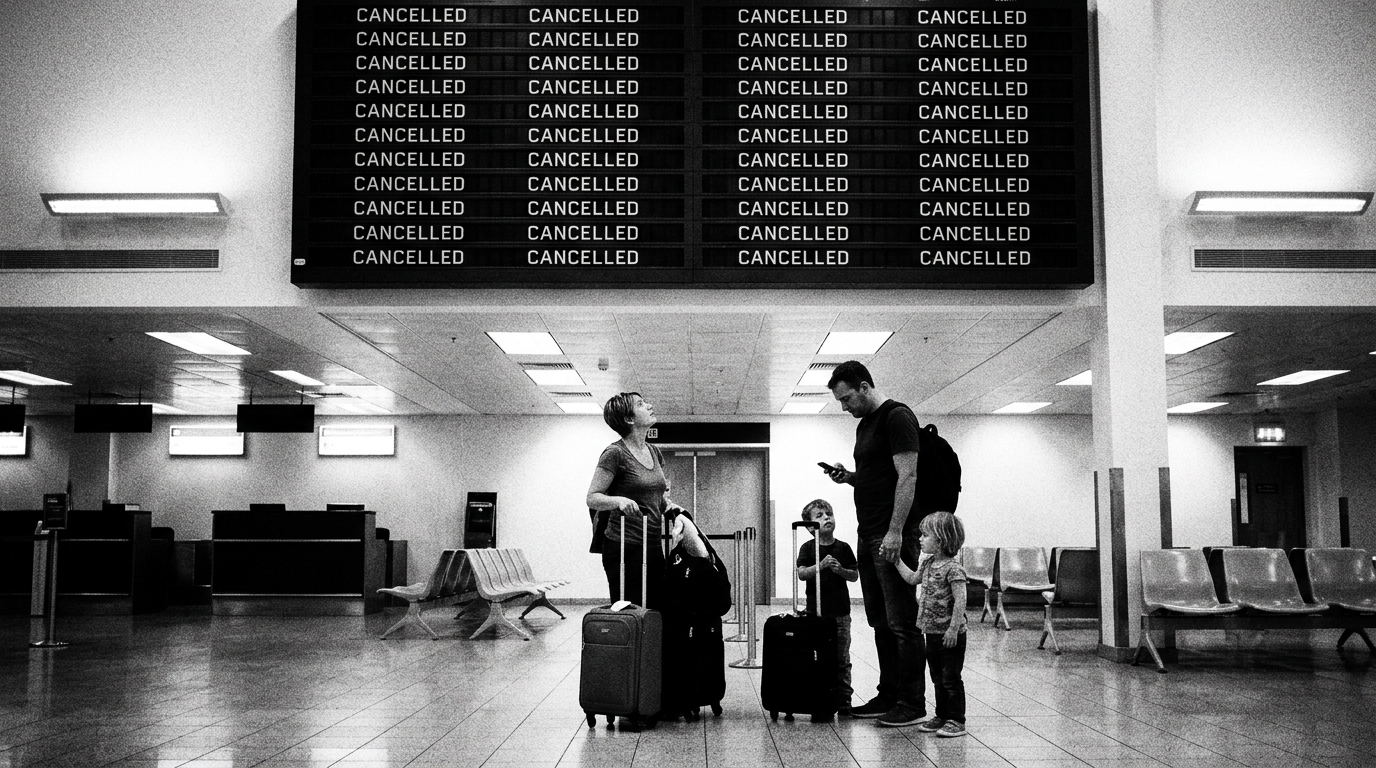
Two million seats disappeared from May schedules when Spirit shut down last week, and the ripple hasn't hit most hotel forecasts yet. If you're running a fly-to leisure property and haven't stress-tested your summer assumptions, you're about to learn something the hard way.

Eight hundred thousand airline seats vanished overnight and surviving carriers are jacking fares 5-15% for summer. If you're a drive-to leisure property still running last month's rate strategy, you're leaving money on a table that's about to get very crowded.

RLJ Lodging Trust posted a net loss and Wall Street shrugged it off because the operating fundamentals underneath tell a completely different story. The gap between the headline number and the real performance is a masterclass in why REIT earnings require reading past the first line.

RLJ Lodging Trust posted 4.8% RevPAR growth in Q1, but the 45 basis points of margin expansion underneath it tells you something more important about what's actually working in urban select-service right now... and what most operators are still leaving on the table.

Uber is now selling hotel rooms through Expedia's inventory to its 100 million airport riders, with 10% cash back and 20% discounts for subscribers. If you think this is just another OTA with a car service, you're not paying attention to where your next booking is going to originate... and what it's going to cost you.
MGM posted record Q1 revenue while EBITDA fell nearly 9% and EPS missed by 12.5%, which is a textbook case of a company growing its top line while the owner's actual return moves in the wrong direction.

Macau's hotel sector just posted 92.3% occupancy with a 16% jump in international guests, and operators there are still watching room rates slide. If you think volume-over-rate is just an Asian gaming market problem, you haven't been paying attention to your own comp set.

A 300-mile round trip now costs $47 in fuel, up roughly $13 from last summer, and it lands on a consumer who's already cutting back on everything discretionary. If you're running a drive-to leisure property and haven't stress-tested your summer pace against this squeeze, you're planning with last year's guest.

Meta, Amazon, Oracle, JPMorgan, and Nike are cutting a combined 80,000-plus jobs this cycle, and the first thing that gets frozen isn't headcount... it's the travel budget. If your group sales pipeline still assumes 2025 negotiated volumes will hold, you're building next quarter on a foundation that's already cracking.

MGM posted $4.5 billion in record quarterly revenue and the Las Vegas Strip finally grew again after 18 months. But Strip EBITDAR fell 8% while occupancy slipped and RevPAR declined, which means the machine is running hotter and earning less... and that pattern should sound familiar to anyone who's managed a hotel through a cost cycle.

Amazon, Meta, Microsoft, and Oracle have collectively axed tens of thousands of corporate employees this year, and most hotel sales teams haven't connected the dots yet. The cancellation calls are coming... the only question is whether you're making the first call or waiting for theirs.

Technology
Primary
Apr 30
Uber's new hotel booking feature, powered by Expedia's inventory of 700,000 properties, turns a ride-hailing app into a distribution channel your revenue manager never planned for. The question isn't whether guests will book hotels through Uber... it's what happens to your channel mix when they do.

Wall Street expects $5.52 billion in Q1 revenue from Booking Holdings, up 16% year-over-year, fueled by a merchant model that now controls 61% of total revenue. The question for hotel owners isn't whether the quarter beats estimates... it's how much of your margin moved to their balance sheet.