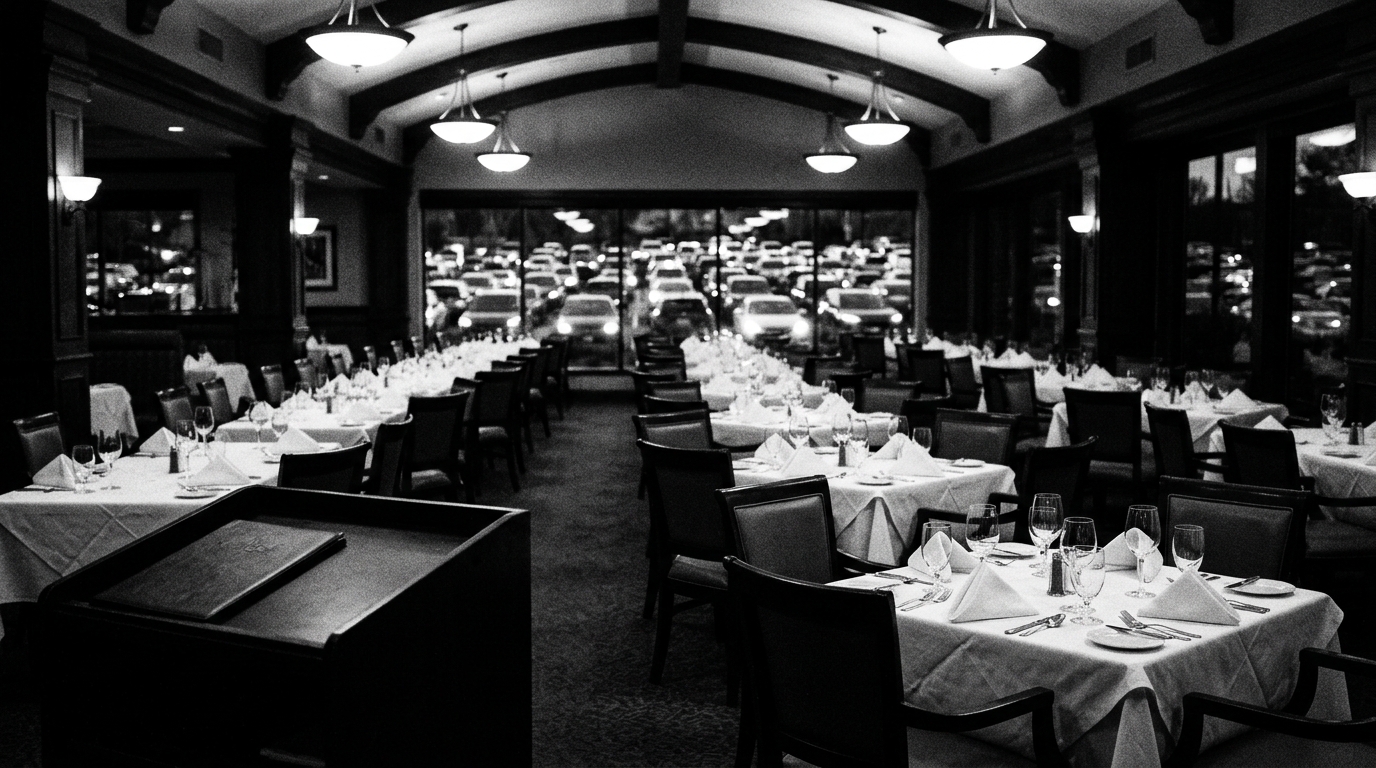
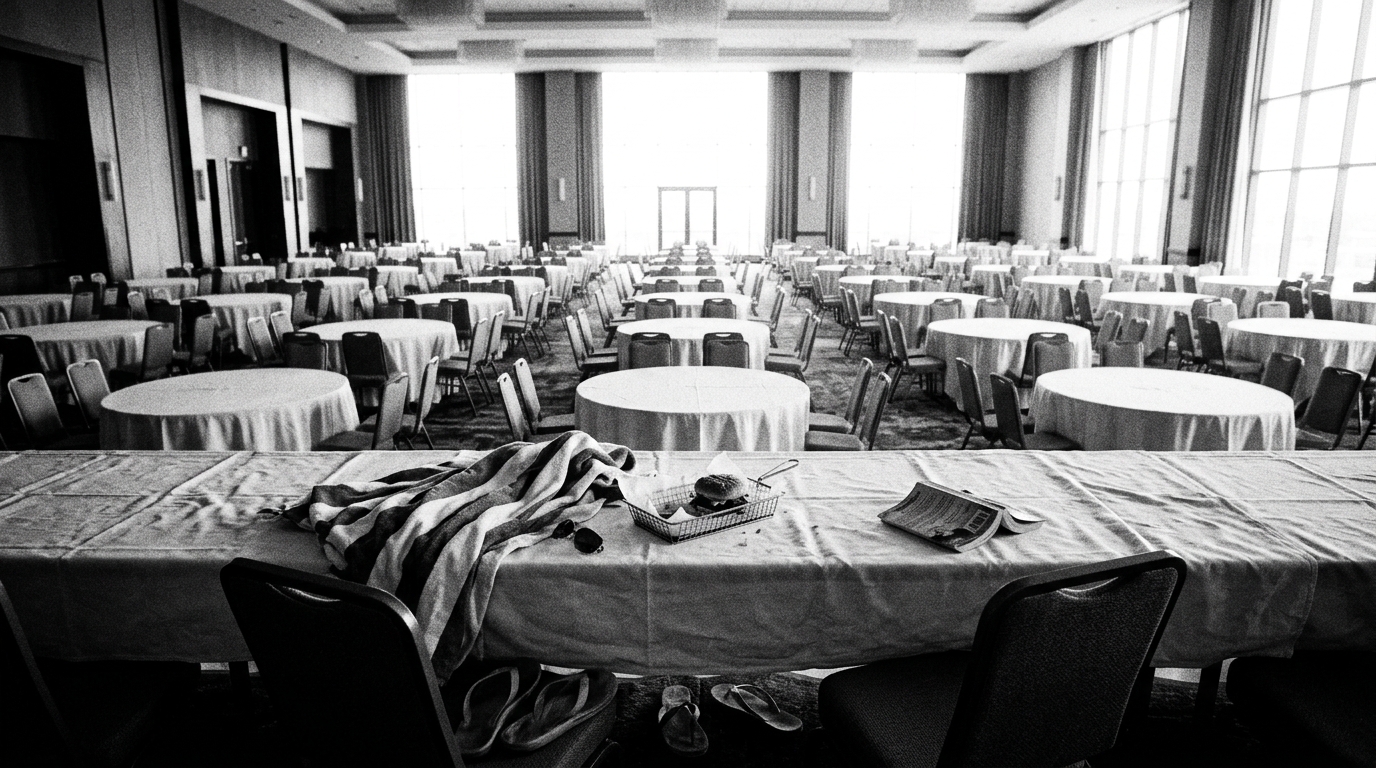
Full-service hotels represent the traditional hotel segment offering comprehensive amenities and services to guests. These properties typically include on-site dining, room service, housekeeping, concierge, and front desk services, distinguishing them from limited-service or select-service properties. Full-service hotels cater to both leisure and business travelers seeking convenience and personalized service.
The full-service segment faces ongoing operational pressures, particularly in labor-intensive departments like housekeeping. Recent developments in Cedar City highlight emerging automation and workforce optimization trends affecting traditional staffing models in this category. Hotel operators managing full-service properties must evaluate how technological innovations impact service delivery standards and operational costs while maintaining the guest experience that defines the segment.
Full-service hotels remain a significant portion of the hotel industry, though their economics continue to shift as properties explore efficiency improvements and alternative service delivery models.
Americans are still booking summer trips, but they're cutting dining, shopping, and entertainment before they cut the hotel room. If you think that's good news for your property, you're only reading half the data.
Your occupancy report looks healthy this summer, maybe even better than last year. But if you pull apart the revenue mix behind those numbers, you'll find a margin problem that's going to get very loud around October.
An inventor from Utah patented a system that washes every window in a building at once. It sounds insane—until you remember how much labor costs are about to hurt.
The InnBrief Daily
92% open rate — operators read this.
Hotel industry intelligence in your inbox every morning at 6AM. No fluff.