Summer Travel Isn't Dying. It's Just Getting Cheaper at the Edges.
Americans are still booking summer trips, but they're cutting dining, shopping, and entertainment before they cut the hotel room. If you think that's good news for your property, you're only reading half the data.
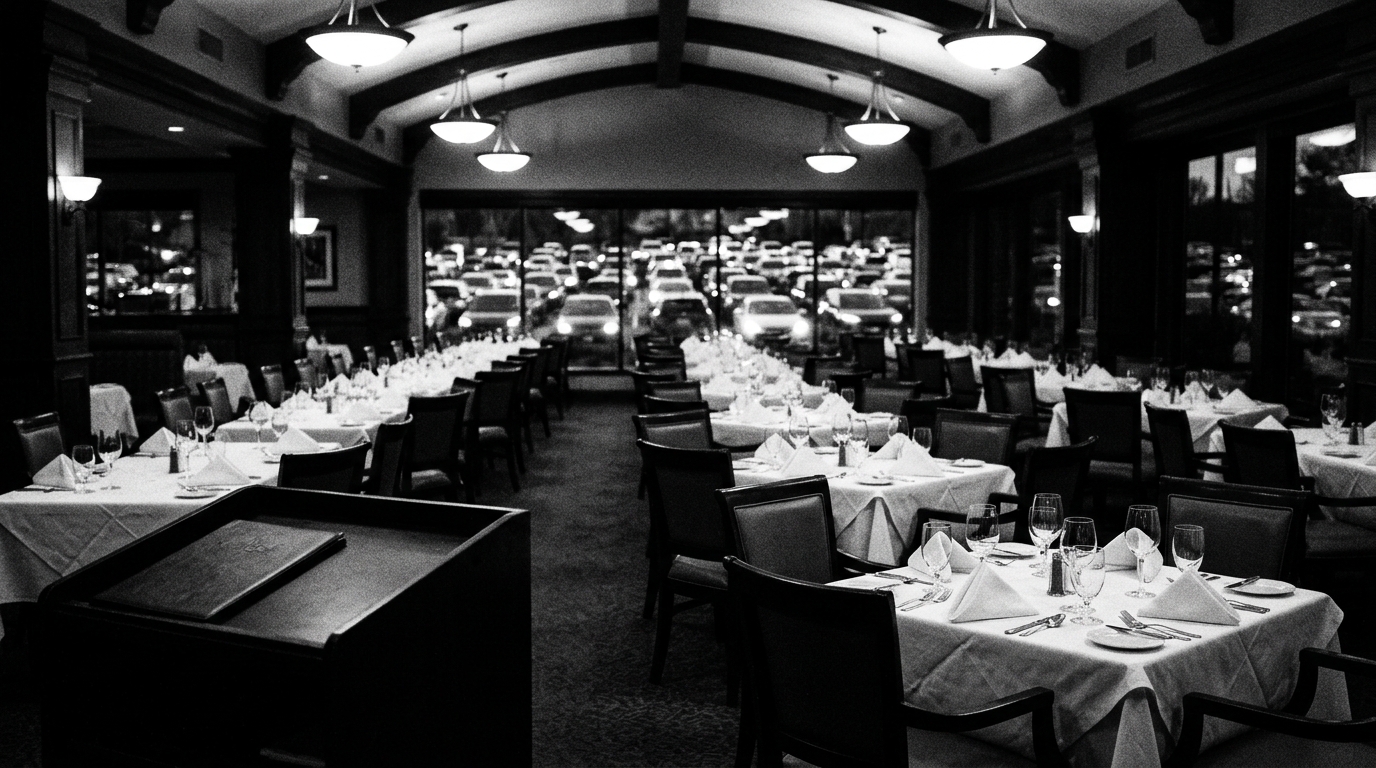
I worked with a GM years ago who had a theory about recessions. He said guests never stop coming... they just stop spending once they get here. The minibar stays closed. The restaurant gets skipped for the Applebee's across the highway. The spa goes unbooked. "They're sleeping in my beds," he told me once, "but they're not living in my hotel." He tracked it by ancillary revenue per occupied room. When that number started sliding, he knew the squeeze was on... usually six weeks before occupancy caught up.
That's exactly what this new AHLA data is showing, and I don't think enough operators are reading it the right way. Yes, 56% of Americans are still planning a summer trip. That's the headline everyone wants to run with. But dig one layer deeper: 43% are cutting shopping, 39% are cutting dining out, and 26% are slashing entertainment spending... all before they touch the hotel line item. Only 24% say they're reducing what they spend on accommodations. On the surface that sounds like a win for hotels. Rooms are the last thing to get cut. Great. But if you're running a full-service or upper-upscale property where 30-40% of your revenue comes from F&B, spa, and ancillary... those guests just told you they're coming to sleep. Not to spend. Your occupancy might hold. Your total revenue per guest is about to get thinner.
And the averages are lying to you. Squaremouth says the average summer trip now costs $9,032... up 17% from last year. Deloitte says travelers expect to spend $4,049 on their longest trip, also up 17%. Those are big numbers that sound healthy until you realize what's underneath them. This is a K-shaped market. The affluent traveler is spending more (a lot more), pulling the average up. The middle-market traveler... the one who fills your 150-key select-service in a secondary market... is the one cutting the dining, shortening the trip, and driving instead of flying. CoStar upgraded its full-year RevPAR forecast to 2.8% growth, which is a nice rebound from the 0.3% decline in 2025. But national RevPAR is a weather report. Your comp set is the forecast that actually matters. If you're in a market that's not hosting World Cup matches or America 250 celebrations (and most of you aren't), your experience of this summer may look nothing like the national number.
Here's what I think operators are missing in all the optimistic framing: the guest behavior shift is structural, not temporary. People aren't just cutting back because gas is expensive this month. They're reprioritizing. Travel is moving from "experience economy" (where the whole trip is the spending event) to "accommodation economy" (where the room is the one thing they protect and everything else gets sacrificed). That's a fundamentally different guest than the one you built your F&B concept and your rate strategy around. The property that figures this out first... that adjusts the offering to match the guest who shows up versus the guest they wish would show up... that's the property that wins the summer. The one that keeps running the same playbook hoping the minibar starts moving again is the one that's going to wonder in September why GOP didn't track with occupancy.
Look, I'm not saying the sky is falling. Demand is real. People want to travel and they're proving it with bookings. But "they're still coming" and "they're still spending" are two very different sentences, and this data makes it clear we're living in the first one, not the second. The smart play right now isn't celebration. It's recalibration.
This is what I call the National Number Trap. CoStar's 2.8% RevPAR growth and those $9,000 average trip costs are portfolio-level numbers that may have zero relationship to your Tuesday night in June. If you're a GM at a select-service or a limited F&B property, pull your ancillary revenue per occupied room for the last 90 days and compare it to the same window last year. If it's down more than 5%, your guests have already made their spending decisions and you need to adjust... whether that means repackaging F&B into grab-and-go value bundles, pushing rate on the room itself (since that's the last thing they'll cut), or renegotiating your food cost with suppliers before margin erodes further. For full-service GMs, go look at your restaurant covers per occupied room. If that ratio is sliding, don't wait for ownership to notice it on the monthly. Bring them the data, bring them your plan, and frame it as "here's what's changed and here's what we're doing about it." That's how you run the building.