W Hotels Just Opened in Riyadh. The Brand Promise Is the Easy Part.
Marriott's W Hotels debut in Saudi Arabia with a 210-key property inside Riyadh's $7.8 billion financial district, joining 50-plus luxury brands racing into a market that's projecting 65% occupancy. The question isn't whether the lobby looks stunning... it's whether the brand can survive a Tuesday night in a market that didn't exist five years ago.
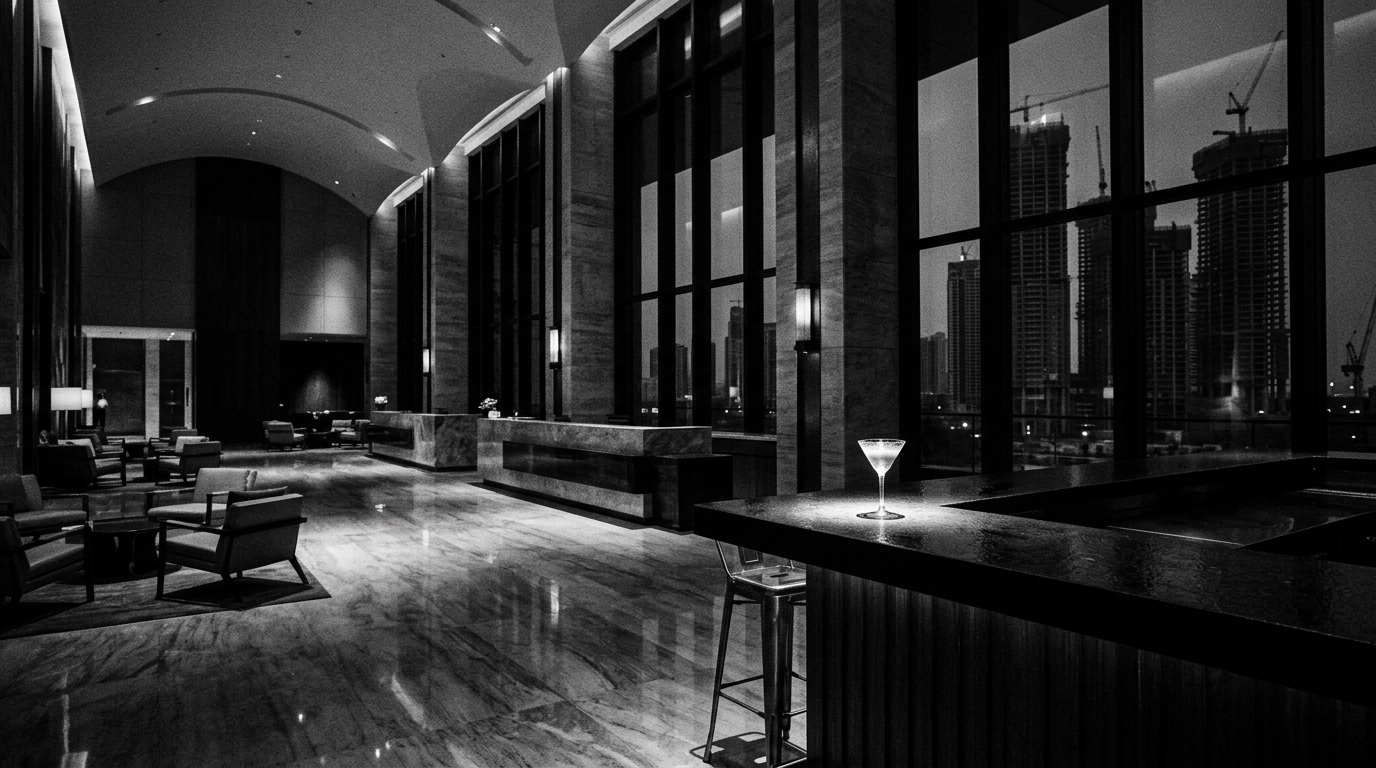
I grew up watching my dad deliver brand promises that somebody in a conference room three time zones away dreamed up over a mood board. So when I see W Hotels plant its flag in the King Abdullah Financial District... a 210-room property with a 390-square-meter penthouse, interiors by LW Design, positioned inside a $7.8 billion "vertical city" development backed by the Saudi sovereign wealth fund... my first thought isn't "wow." My first thought is: who's staffing the Living Room bar on a Wednesday at midnight, and does the team on the ground understand what "W" is supposed to feel like when nobody from corporate is watching?
Because here's the thing about lifestyle brands in emerging luxury markets. The renderings are always gorgeous. The press releases always hit the right notes (Marriott's VP of luxury brands called it a "significant moment" and yes, I'm sure it is). But W isn't a building. W is a vibe, and vibes are delivered by humans, and the humans delivering them need to be recruited, trained, and retained in a market where over 50 international luxury brands are currently fighting over the same labor pool. Saudi Arabia's luxury hotel market is projected to nearly triple from $1.1 billion to $3.1 billion by 2034, growing at almost 11% annually. That growth sounds thrilling until you remember that growth doesn't create experienced hospitality talent out of thin air. You can build a tower in 18 months. Building a service culture takes years.
And let's talk about the competitive math for a second, because it matters. Marriott just signed a deal with developer Blacksand in June for 10 more hotels... over 1,300 additional rooms across Saudi Arabia through 2030. They've also partnered with Al Qimmah Hospitality for five hotels adding 2,700 rooms in Jeddah, Makkah, and Madinah. Within KAFD alone, a Kimpton opened last fall and Hilton signed a 450-key deal. So W Riyadh isn't arriving in a vacuum. It's arriving in a market where the projected stabilized occupancy for luxury hotels is around 65%. For a brand that lives or dies on energy, atmosphere, and the feeling that you're somewhere that matters... 65% occupancy means a lot of quiet Tuesday nights. And quiet Tuesday nights are where lifestyle brands go to die, because the promise is the party and the party needs people.
This is what I call brand theater when it's done wrong, and brand building when it's done right, and the difference is entirely in the execution at property level. The Vision 2030 tailwinds are real... Saudi Arabia already blew past its initial target of 100 million visitors and reset to 150 million by 2030. Religious tourism alone targets 30 million Umrah visitors. The demand story is legitimate. But demand for "luxury hospitality in Saudi Arabia" and demand for "the specific W Hotels experience as defined by the brand standards manual" are two completely different things. I sat in a franchise review once where an owner in an emerging market told me his team had memorized every page of the brand standards deck. Then I visited the property and the "signature cocktail program" was three drinks nobody ordered because the local market didn't drink that way. The standards were followed. The brand was absent. (That distinction will keep you up at night if you think about it long enough.)
The owners here are backed by PIF money, which means the capital risk profile is different than a family putting their savings into a franchise. That changes the math considerably... sovereign wealth can absorb the ramp-up timeline that would destroy a private owner. But it doesn't change the brand question. If W Riyadh opens as a beautiful 210-key hotel that happens to have W signage but doesn't FEEL like W... if the Whatever/Whenever promise gets diluted into something generic because the labor market can't support the specificity the brand requires... then Marriott has traded brand equity for a flag on a map. And flag-on-a-map strategies are how brands that mean something become brands that mean everything and therefore nothing.
Here's what this means if you're running a branded lifestyle property anywhere, not just the Middle East. When your brand parent chases aggressive international expansion, the standards expectations don't get easier... they get harder, because now there's a flagship in Riyadh or Dubai or wherever that looks incredible in the marketing materials, and your regional VP starts asking why your property doesn't feel like THAT. If you're a GM at a W or any lifestyle flag in the U.S., watch these international openings carefully. They reset the brand's visual identity and experience benchmarks, and those benchmarks have a way of showing up in your next QA review. This is what I call the Brand Reality Gap... brands sell promises at scale, but properties deliver them shift by shift. The gap between the KAFD rendering and your 2 AM front desk reality is your problem to manage, not theirs. Get in front of it. Pull your brand standards, identify the three things your property does that genuinely deliver the brand feeling, and make sure your team owns those. Don't wait for the next property visit to find out what "elevated expectations" look like.