W Hotels Just Opened in Riyadh. The Real Question Is Who's Staffing 362,000 New Rooms.
Saudi Arabia is adding more hotel rooms in the next four years than some countries have total. Marriott just planted a flag in Riyadh's financial district, and everybody's celebrating the ribbon cutting... but nobody's talking about where 362,000 rooms worth of trained hospitality talent is supposed to come from.
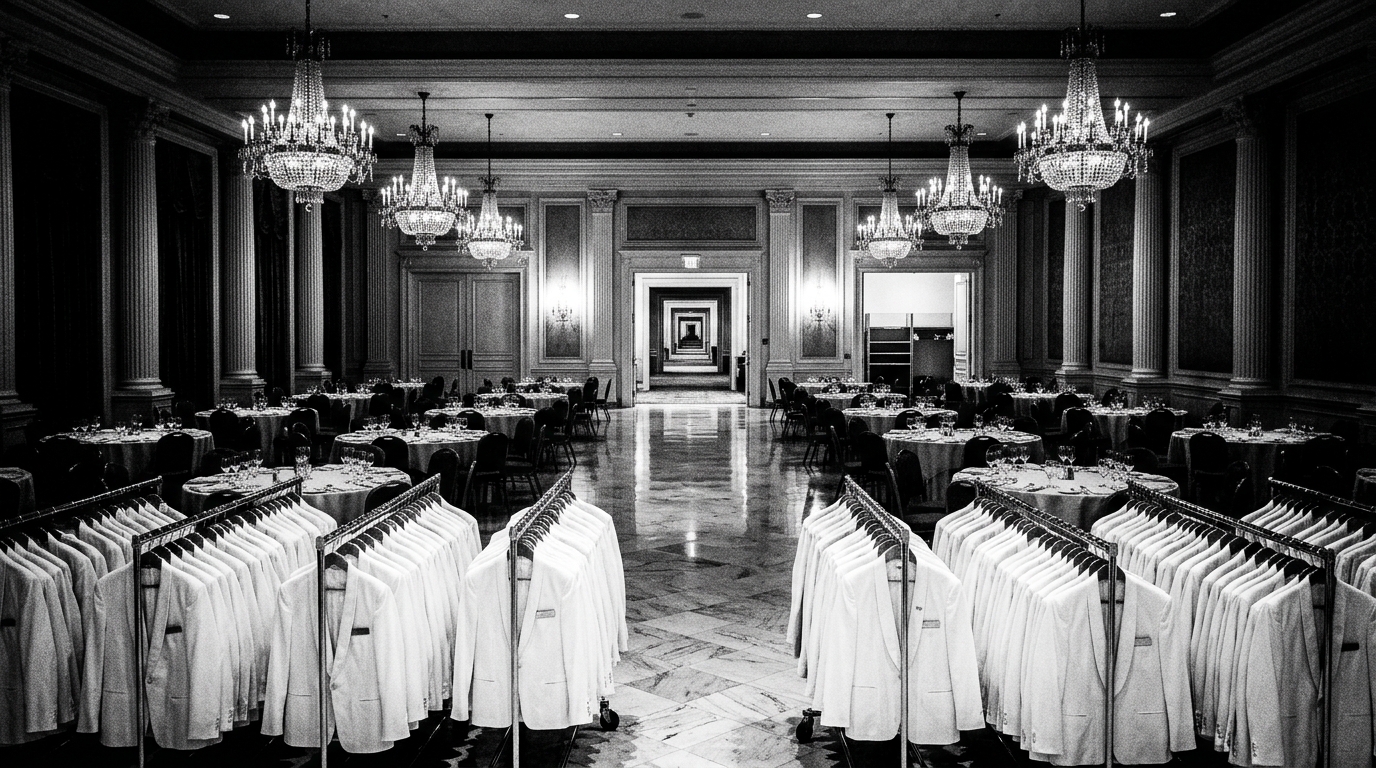
I sat in on a pre-opening meeting once for a luxury property in a market that had never had one. Beautiful building. World-class design firm. Ownership group with deep pockets. The GM looked at the staffing plan and said, "This is a fantasy. You've budgeted for 220 employees in a market where there aren't 220 people with hotel experience." He was right. They opened with 60% of the positions filled and spent the first year training people who'd never made a bed professionally. The property survived, but those first 18 months were brutal... and that was ONE hotel.
Now multiply that by a thousand.
Marriott just opened the W Riyadh in the King Abdullah Financial District. 210 keys. Seventeen suites. Multiple food and beverage outlets including a Latin American concept, a Mediterranean pool deck, and an outdoor lounge. Spa. Fitness center. Fifteen meeting rooms. A ballroom. A six-meter tapestry by a Saudi artist in the lobby. It sounds gorgeous, and I have zero doubt the physical product is exceptional. Marriott knows how to open a luxury hotel. That's not the question. The question is what happens after the ribbon gets cut, the executives fly home, and the property team has to deliver a W-level experience every single night in a market that's trying to absorb more new hotel supply than anywhere on earth.
Here's the scale we're talking about. Saudi Arabia plans to add 362,000 hotel rooms by 2030. The kingdom's overall hospitality market is projected at roughly $29 billion this year, heading toward $40 billion by 2031. The luxury segment alone is expected to nearly triple from $1.2 billion to $3.1 billion in under a decade. Marriott alone just signed a deal with a Riyadh developer for 10 more hotels and 1,300 additional rooms, with a mandate that 60% of jobs go to Saudi nationals. That Saudization requirement is real policy, not a suggestion... and it means you can't just import experienced hospitality workers from Dubai or Singapore the way operators in the Gulf have done for decades. You're building a workforce from the ground up in the middle of the biggest hotel construction boom on the planet.
The projected occupancy rate for the market? Around 65%. That number should make every owner doing a deal in the kingdom pause. Sixty-five percent occupancy in a luxury property with the labor costs required to staff multiple F&B outlets, a spa, and 15 meeting rooms is a very different P&L than 65% occupancy in a select-service box. When you're running a W with that kind of programming, your breakeven occupancy is probably north of 55%, and that's if your labor costs stay where you modeled them. In a market where 50-plus international luxury brands are all hiring from the same talent pool simultaneously, labor costs don't stay where you modeled them. They go up. Fast.
None of this means the W Riyadh won't work. Vision 2030 is real. The Saudi government is putting genuine capital behind tourism, and when a sovereign wealth fund decides an industry is going to grow, it tends to grow. But the gap between announcing 362,000 rooms and actually operating 362,000 rooms at the service levels these brands promise... that gap is where fortunes get made or lost. And if you're an operator watching this from the outside thinking "maybe we should be looking at the Middle East," understand what you're signing up for. The buildings will be beautiful. The capital is there. The question is whether the talent pipeline can keep up with the construction pipeline. I've seen this movie before in other markets. The buildings always go up faster than the people get trained.
If you're a GM or operations leader being recruited for a Middle East opening, ask three things before you sign. First, what's the realistic staffing timeline... not the org chart, the actual hire-and-train plan for a market with limited hospitality experience? Second, what's the Saudization target and what training infrastructure exists to hit it? Third, what's the owner's patience level when the property runs at 55% occupancy with a full luxury labor model for the first 18 months? And if you're an owner looking at development deals in the kingdom, run your pro forma at 60% occupancy with labor costs 20% above your initial model. If the deal still works at those numbers, it's a real deal. If it only works at the rosy projections in the pitch deck, you're buying a beautiful building with a math problem underneath it.