Hyatt Just Spent a Year Refreshing a 122-Year-Old Hotel. The Real Test Starts Now.
Hotel Seville NoMad gives Hyatt a 348-key Beaux-Arts landmark in one of Manhattan's hottest neighborhoods under The Unbound Collection flag. The question isn't whether the lobby looks beautiful... it's whether a soft brand can deliver enough revenue premium to justify what this property costs to operate in 2026 New York.
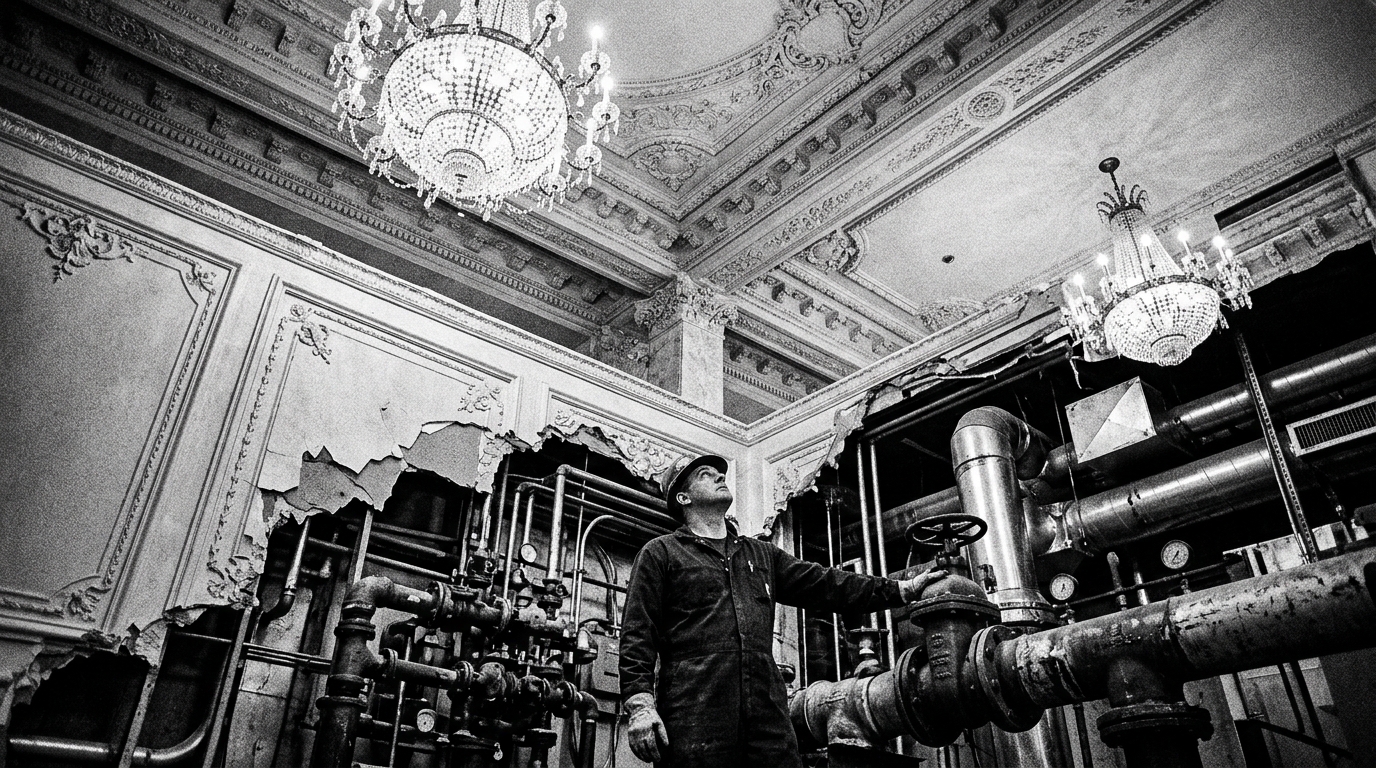
I grew up watching my dad manage historic properties, and let me tell you something nobody in brand marketing will ever put on a slide: old buildings are gorgeous liars. They photograph like dreams. Guests fall in love with the lobby, the facade, the "story." And then the chief engineer walks you through the mechanical room and shows you what it actually costs to keep a 1904 building running at four-star standards in a city where a plumber charges $280 an hour. The romance and the P&L live in different universes, and the owner is the only person who has to exist in both.
So when Hyatt rolls out Hotel Seville NoMad as the latest jewel in The Unbound Collection... 348 rooms, Beaux-Arts architecture, National Register of Historic Places, New York City landmark designation, freshly redesigned rooms and a new lobby bar called Il Bar... my first reaction isn't "how beautiful." It's "what does the total brand cost look like as a percentage of revenue, and does Hyatt's loyalty engine deliver enough to justify it?" Because that's the question that determines whether this is a strategic acquisition or a very expensive trophy. Hyatt has doubled its luxury room count since 2017 and reported 5.9% system-wide RevPAR growth in Q2 2026, with luxury leading the charge. The tailwind is real. But tailwinds don't pay for landmark-designated HVAC systems.
Here's what makes soft brand collections like Unbound fascinating and also treacherous. The whole pitch is "keep your identity, get our distribution." The property doesn't have to look like every other Hyatt. It gets to be special, distinctive, "story-worthy" (their word, not mine). And in exchange, the owner gets access to World of Hyatt loyalty members and Hyatt's reservation infrastructure. That sounds like the best of both worlds until you start doing the math on what "access" actually delivers. I've sat in franchise reviews where an owner pulled out three years of actual loyalty contribution data and compared it to what the franchise sales team projected. The gap between projected and actual should come with a warning label. Not always... some properties genuinely benefit. But "some" is not "all," and the variance is where owners get hurt. I have a filing cabinet full of FDDs that tells this story over and over, and the plot never changes.
The NoMad neighborhood is doing well. Manhattan luxury outperformed every other segment in late 2024 and into 2025, and high-end travelers are still spending. This property, with its history and its location at Madison and 29th, has genuine positioning advantages that a new-build select-service in Midtown will never touch. But positioning advantages and operational reality are two different documents. A 348-key historic property in Manhattan requires staffing levels, engineering expertise, and operating costs that would make a suburban GM's eyes water. The "property refresh" Hyatt completed (reimagined guest rooms, vintage-inspired furniture, textured materials, the whole mood board brought to life) is the easy part. The hard part is delivering a guest experience worthy of the architecture and the rate, every single night, with the labor market New York is handing you right now. Can the Tuesday night team at 11 PM deliver what the Instagram account promises at noon? That's The Deliverable Test, and it's the only test that matters.
What I'll be watching is the gap between the story Hyatt is telling and the numbers the property produces in 18 months. Because this is either a case study in how a major brand can elevate a historic property without stripping its soul (and it CAN be done... I've seen it, rarely, and it's beautiful when it works)... or it's another example of a brand acquiring something special, wrapping it in the loyalty program, and slowly homogenizing it until it's indistinguishable from every other "collection" property with a lobby bar and a local-art-on-the-walls narrative. The building has survived 122 years. The question is whether it survives the brand.
If you're an owner being pitched a soft brand collection right now... Unbound, Autograph, Tribute, any of them... here's what I want you to do before you sign anything. Pull the actual loyalty contribution data from three comparable properties already in that collection. Not the projections. The actuals. Then calculate your total brand cost as a percentage of revenue... franchise fees, loyalty assessments, reservation fees, marketing fund, PIP costs, brand-mandated vendors, all of it. If that number exceeds 15% and the loyalty contribution doesn't cover at least half your acquisition cost, you need to have a very honest conversation about what you're actually buying. This is what I call the Brand Reality Gap... brands sell promises at scale, properties deliver them shift by shift, and the distance between those two things is measured in owner equity. Get the real numbers before you fall in love with the rendering.